How to Shop Celebrity Necklaces: 2026 Buying Guide
Discover how to shop celebrity necklaces in 2026. Learn material grades, chain weaves, and expert tips to buy high-quality red carpet replicas.

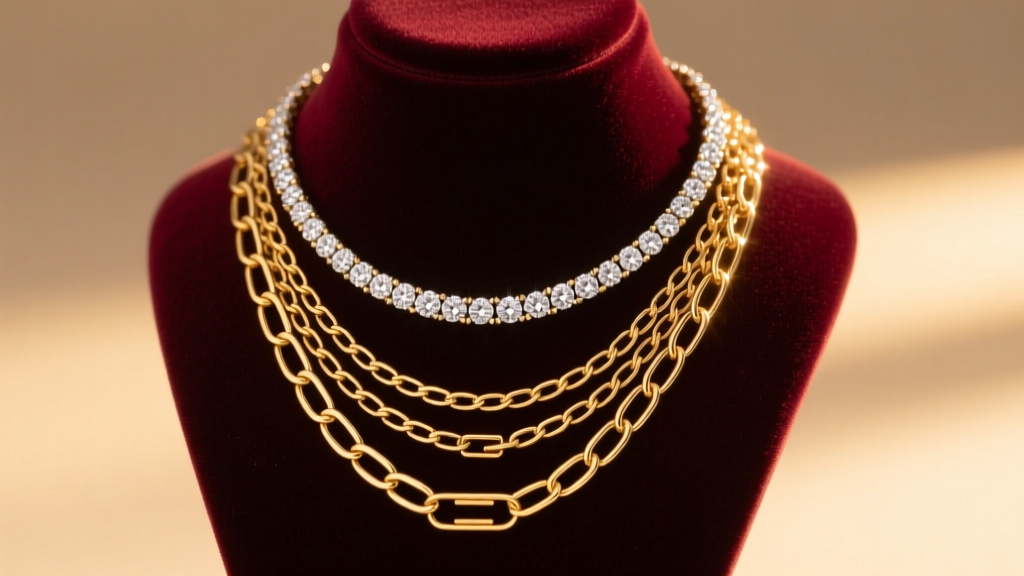
From the layered diamond tennis necklaces dominating the Cannes Film Festival red carpets to the chunky, vintage-inspired gold chains favored by hip-hop icons and A-list actors, celebrity necklaces dictate the global jewelry zeitgeist. However, translating these high-carat, custom-commissioned pieces into an accessible, everyday wardrobe requires a discerning eye. The market is flooded with cheap, dropshipped replicas that tarnish within weeks, but with the right technical knowledge, you can acquire celebrity-inspired pieces that rival the originals in drape, luster, and longevity.
This 2026 buying guide strips away the marketing fluff. We will examine the exact material grades, chain weaves, and structural failure points you must evaluate when shopping for high-end celebrity necklace replicas and inspired designs.
The Anatomy of Iconic Celebrity Necklaces
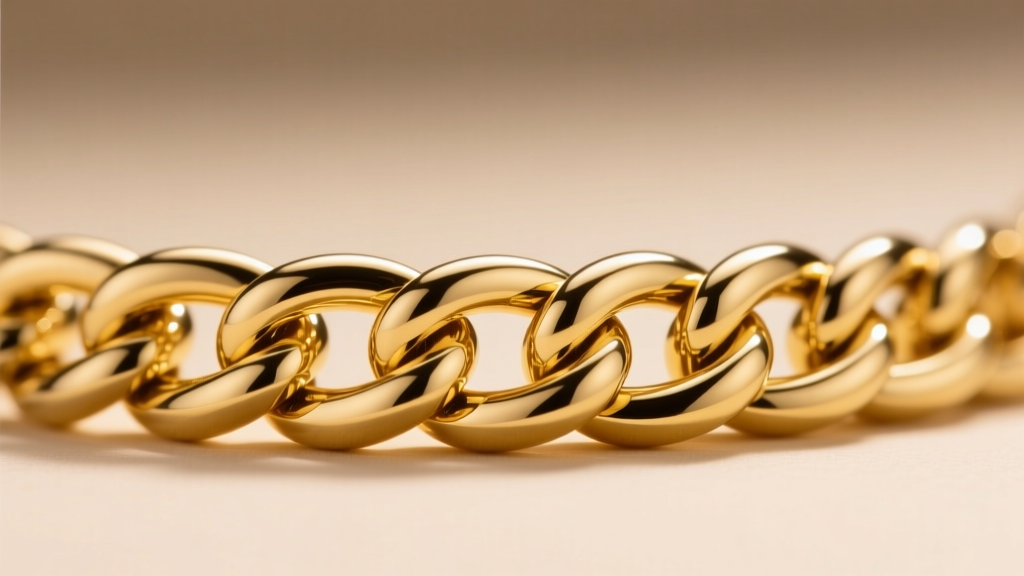
What separates a $50,000 custom celebrity chain from a $50 mall-kiosk replica? The answer lies in gram weight and drape. When you see a rapper or actor wearing a 5mm Cuban link chain that lays perfectly flat against the collarbone without kinking, you are looking at a solid, heavy piece of jewelry.
A genuine 5mm solid 14k gold Cuban link chain typically weighs between 35 and 45 grams for a 20-inch length. Many budget 'celebrity-style' chains achieve the 5mm width by using hollow tubular links. While they look identical on a screen, hollow chains are notoriously fragile; a single snag on a sweater can crush the links, rendering the necklace unrepairable. When shopping, always demand the exact gram weight from the jeweler. If a 20-inch, 5mm chain weighs under 15 grams, it is hollow or heavily alloyed with lightweight base metals.
Material Grades: Solid Gold vs. Vermeil vs. Plated
Celebrities often wear solid 18k or 22k gold for red carpet events, but for daily wear, high-quality alternatives are necessary for most buyers. Understanding the legal and structural definitions of gold finishes is critical to avoiding overpriced costume jewelry.
| Material Type | Base Metal | Gold Thickness / Purity | Price Range (20" Chain) | Longevity & Wear |
|---|---|---|---|---|
| Solid 14k Gold | Gold Alloy (58.5% Gold) | Solid throughout | $800 - $2,500+ | Lifetime; can be polished and soldered. |
| Gold Vermeil | Sterling Silver (925) | Min. 2.5 microns of 10k+ gold | $120 - $350 | 2-5 years; can be re-plated by a jeweler. |
| Gold Plated (PVD) | Stainless Steel / Brass | 0.5 - 1.0 microns (PVD coating) | $40 - $90 | 1-3 years; highly water-resistant but cannot be easily re-plated. |
| Flash Plated | Brass / Copper / Zinc | < 0.175 microns | $10 - $30 | Weeks; high risk of skin discoloration. |
According to the Federal Trade Commission (FTC) Jewelry Guides, a piece can only be legally marketed as 'Vermeil' if it features a sterling silver base coated with at least 2.5 microns of gold. Many fast-fashion brands deceptively use the term for flash-plated brass. Always look for the '925' stamp on the clasp or end tag to verify a sterling silver base.
Decoding Chain Weaves and Pendant Bails
The chain weave determines not just the aesthetic, but the structural integrity of the necklace. Here is a breakdown of the weaves most frequently spotted on celebrities and what to look for when buying them:
1. The Paperclip Chain
Ubiquitous in celebrity street style, the elongated oval links of the paperclip chain offer a modern, architectural look. Buying Tip: Ensure the links are soldered closed. Many mass-market paperclip chains feature unsoldered, twisted links to save on manufacturing costs. Over time, the tension of a heavy pendant will pull these unsoldered links apart.
2. The Diamond-Cut Rope Chain
Favored for its intense light reflection, the rope chain is a staple for holding heavy diamond pendants. Buying Tip: Look for 'diamond-cut' facets that are machined, not merely polished. Cheaper versions use a smooth rope weave that lacks the signature sparkle seen on red carpet pendants. Furthermore, verify that the chain is flexible; a stiff rope chain indicates poor soldering or a hollow core.
3. Pendant Bails and Epoxy Red Flags
When buying celebrity-inspired pendants (such as the iconic cross or initial necklaces), inspect the bail—the loop that connects the pendant to the chain. High-end pieces use a soldered metal bail or a hidden tension bail. Avoid pendants where the bail is attached using visible epoxy resin or industrial glue. Body heat and UV exposure will degrade the adhesive within a year, resulting in the loss of the pendant.
Red Flags: Structural Failure Points in Replicas
When evaluating a celebrity necklace replica, stress-test the hardware in your mind before purchasing. The clasp is the most common point of failure.
- The Spring Ring on Heavy Chains: A spring ring clasp relies on a tiny, weak internal spring. If the celebrity chain you are buying is a 4mm curb or figaro chain weighing over 20 grams, a spring ring will inevitably fail. Demand a lobster clasp or a box clasp with a figure-eight safety catch.
- Brass Base Oxidation: If a 'gold' chain leaves a green or black mark on your skin, it is not 'detoxing' you. It is a cheap brass or copper base metal reacting with the acids in your sweat. The copper chloride oxidizes and transfers to the skin. Stick to sterling silver bases or PVD-coated surgical steel to avoid this.
- Tension-Set Stone Wobble: Many 2026 celebrity trends feature tension-set diamonds or moissanites in pendants. If the stone wiggles when gently tapped with a wooden toothpick, the metal memory of the shank is too weak to hold the gemstone securely.
2026 Trend Forecast: Which Celebrity Looks to Invest In
The jewelry landscape in 2026 is moving away from the ultra-minimalist 'quiet luxury' trend of previous years, embracing bolder, mixed-metal statements and vintage revivalism. Here are the celebrity-driven trends worth investing in right now:
- Two-Tone Mixed Metals: Popularized by musicians and actors blending vintage Cartier and Tiffany archives, chains that weave 14k yellow gold with white gold or platinum links are highly sought after. When buying replicas of this trend, ensure both metals are solid or high-grade vermeil; mixing PVD steel with gold vermeil will result in uneven wear rates.
- The 'Floating' Diamond Solitaire: A single, high-clarity gemstone suspended on an ultra-thin (0.8mm - 1.0mm) cable chain. The focus here must be on the gemstone grading. Refer to the Gemological Institute of America (GIA) standards to ensure you are paying for actual cut quality and clarity, rather than a cloudy, poorly faceted stone.
- Chunky Pearl Strands with Hardware: Moving beyond the classic opera-length pearls, celebrities are now wearing 8mm-10mm freshwater pearl strands interrupted by heavy gold hardware, carabiner clasps, and industrial links. Look for pearls with a high luster rating and a thick nacre layer to prevent peeling.
Expert Sizing and Layering Framework
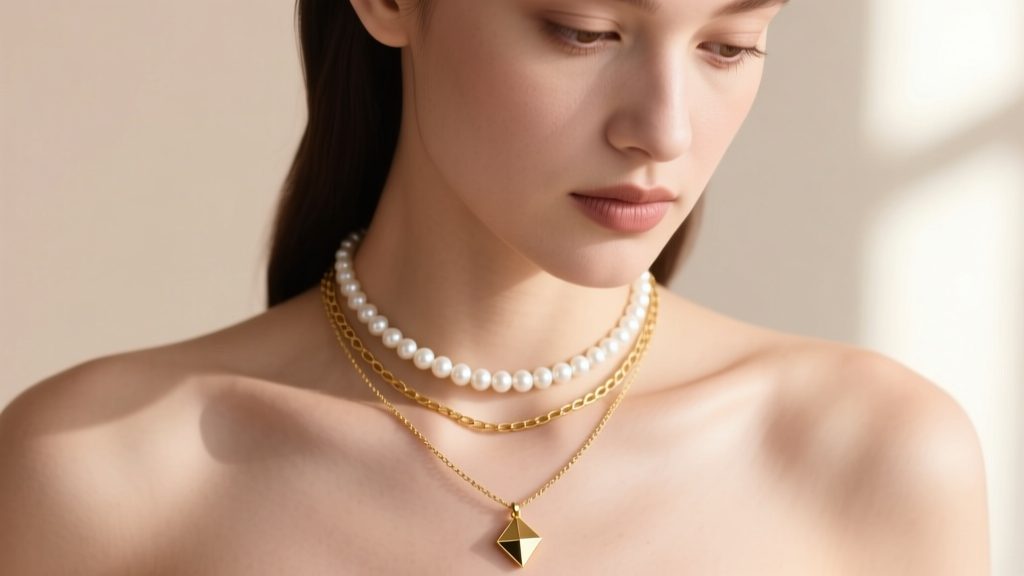
Celebrity stylists rarely rely on a single necklace; the magic is in the layering. However, layering requires precise mathematical spacing to prevent tangling and visual clutter. Use this expert framework when building your collection:
'The golden rule of layering is the 2-inch minimum gap. If your choker sits at 14 inches, your next chain must be no shorter than 16 inches, and your pendant chain should be 18 or 20 inches. Furthermore, vary the chain weaves. Pairing a delicate cable chain with a chunky Cuban link creates visual hierarchy, whereas layering three identical weaves looks messy and tangles instantly.'
— Master Bench Jeweler & Stylist
The Weight Distribution Rule: When layering, the shortest necklace (the choker or collar) should be the lightest in gram weight, while the longest necklace (the pendant or lariat) should be the heaviest. This ensures the heavier chain doesn't pull the lighter chains off-center, maintaining the symmetrical drape seen in professional editorial photography.
Final Verdict: Shop with a Jeweler's Eye
Shopping for celebrity necklaces and inspired pieces is an exercise in material science as much as it is in fashion. By prioritizing solid gram weights, verifying legal vermeil standards, inspecting solder points on bails and links, and choosing the correct clasp for the chain's mass, you can build a red-carpet-worthy collection that endures daily wear. Skip the fast-fashion illusions and invest in structural integrity.


