Sideways Cross Necklace Meaning & Budget Value Guide
Discover the sideways cross necklace meaning and learn how to assess budget, material value, and quality tiers for your next jewelry purchase.

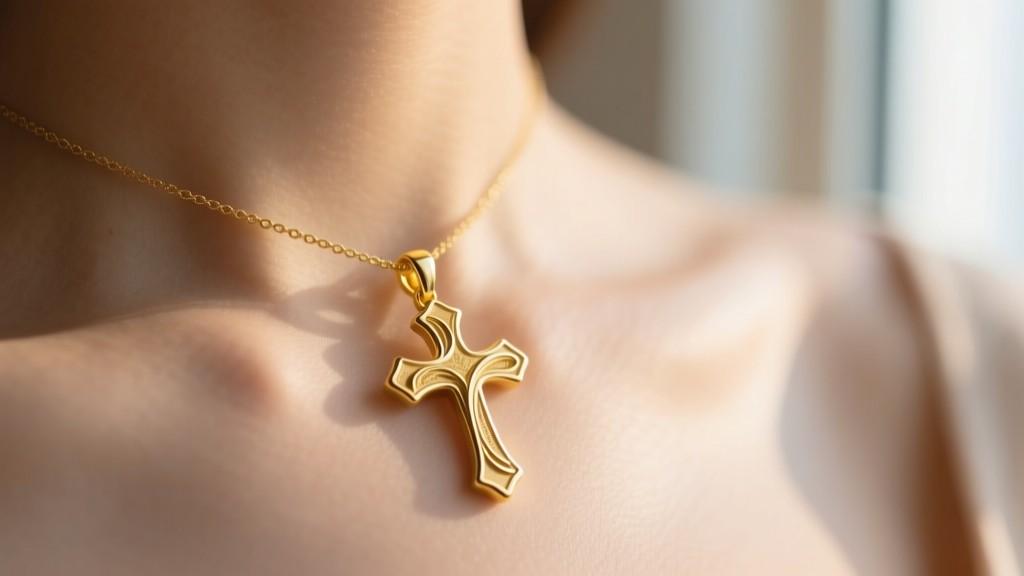
The sideways cross necklace has transcended fleeting pop-culture trends to become a staple in modern minimalist jewelry collections. But beyond its sleek, horizontal silhouette, buyers are increasingly searching for the deeper sideways cross necklace meaning and, more importantly, how to evaluate its true market value. As we navigate the jewelry landscape in 2026, understanding the intersection of symbolism, material integrity, and pricing is crucial for making a smart investment. Whether you are spending $40 or $4,000, this comprehensive budget and value assessment guide will help you determine exactly what you are paying for.
The Sideways Cross Necklace Meaning Explained
Before assessing financial value, it is essential to understand the cultural and intrinsic value of the piece. The sideways cross necklace meaning is multifaceted, bridging theological symbolism and modern fashion history. Theologically, a horizontal cross is often interpreted as a symbol of completion and peace. Unlike the upright cross, which represents the active crucifixion and suffering, the sideways cross suggests that the work is finished; the cross has been laid to rest, symbolizing humility, grace, and the resurrection.
From a fashion perspective, the sideways cross gained massive mainstream traction in the early 2000s, heavily popularized by costume designers on shows like Sex and the City. However, its modern resurgence is rooted in the minimalist jewelry movement. A horizontal pendant sits flush against the collarbone, mimicking the natural line of the body and offering a subtle, contemporary alternative to traditional upright religious pendants. This dual significance—spiritual depth paired with ergonomic, modern design—gives the sideways cross a high "cost-per-wear" value, making it a highly justifiable purchase for everyday wearers.
Material Breakdown: What Drives the Price?
When evaluating the budget for a sideways cross necklace, the metal composition is the single largest driver of cost. In 2026, the market is flooded with misleading terms like "gold dipped" or "waterproof gold." Here is the unvarnished truth about material grades and their actual value retention.
Sterling Silver (925)
Sterling silver is an alloy containing 92.5% pure silver and 7.5% copper or zinc. While affordable, bare silver oxidizes and tarnishes rapidly when exposed to sulfur in the air and skin acids. For a sideways cross necklace to hold long-term value in silver, it must feature a thick rhodium or platinum plating to prevent tarnishing. Expect to pay between $25 and $80 for a high-quality, plated 925 silver piece.
Gold Vermeil vs. Gold Plated
This is where most buyers lose money. Standard "gold plated" jewelry uses a brass or copper base with a microscopic flash of gold (often less than 0.5 microns). It will wear off in months. Gold vermeil, regulated by the FTC, requires a sterling silver base and a minimum gold thickness of 2.5 microns. A 14k or 18k gold vermeil sideways cross necklace offers excellent mid-tier value, typically lasting 2 to 4 years with daily wear before requiring replating. Budget range: $65 to $150.
Solid Gold (14k and 18k)
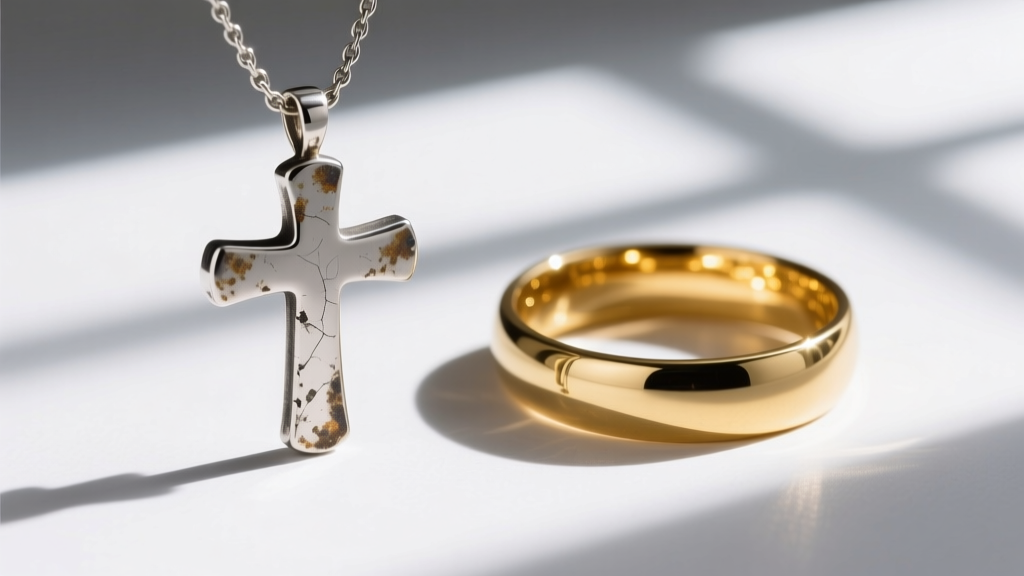
Solid gold is the only tier that holds intrinsic melt value and generational longevity. According to the Gemological Institute of America (GIA), 14k gold (58.5% pure gold) offers the perfect balance of rich color and structural durability for delicate pendants. 18k gold (75% pure) is softer, more expensive, and prone to micro-scratching, but offers a deeper yellow hue. Solid gold sideways cross necklaces start around $250 for a lightweight 14k cable chain and pendant, scaling up to $1,200+ for heavier, diamond-accented 18k pieces.
Budget Tiers: How Much Should You Actually Spend?
To help you align your budget with your expectations, we have categorized the current market offerings into three distinct value tiers. This framework ensures you do not overpay for temporary fashion jewelry or underpay for a piece that will break in a week.
| Value Tier | Expected Price Range | Materials & Construction | Estimated Lifespan (Daily Wear) | Value Verdict |
|---|---|---|---|---|
| Entry (Fashion) | $20 - $50 | Brass base, flash gold plated, spring-ring clasp, unsoldered jump rings. | 3 - 8 Months | Poor long-term value. Buy only for occasional, trend-driven wear. |
| Mid-Tier (Demi-Fine) | $65 - $180 | 925 Silver or Gold Vermeil (2.5+ microns), lobster clasp, 1.0mm box chain. | 1 - 4 Years | Excellent cost-per-wear. Best budget choice for young professionals. |
| Fine (Investment) | $250 - $800+ | Solid 14k/18k Gold, soldered jump rings, secure lobster or bolt-ring clasp. | Lifetime / Heirloom | Superior value retention. Can be worn in water without degradation. |
The Brand Markup vs. Intrinsic Value
When researching the sideways cross necklace meaning, you will inevitably encounter luxury designer brands charging upwards of $1,500 for a piece that contains less than $200 worth of raw 14k gold. As noted by industry analysts at JCK Online, brand prestige accounts for up to 70% of the retail price in luxury jewelry. If your goal is pure aesthetic and material value, purchasing from a reputable independent bench jeweler or a specialized online demi-fine brand will yield a vastly superior return on investment compared to buying a recognizable logo.
Value Assessment Checklist: Spotting Quality in 2026
Whether you are buying a $50 vermeil piece or a $600 solid gold necklace, you must inspect the structural integrity of the jewelry. A sideways cross pendant is typically worn horizontally, which places unique stress on the bail (the loop connecting the pendant to the chain). Use this expert checklist to assess value before checkout:
- Inspect the Jump Ring: The jump ring is the tiny circle connecting the pendant to the chain. If it is not soldered shut (meaning there is a visible gap), the horizontal cross will easily slide off and be lost. High-value pieces always feature soldered or laser-welded jump rings.
- Check the Bail Orientation: Because the cross is sideways, the bail must be oriented correctly so the pendant lies flat against the chest. Poorly manufactured pieces use standard upright bails, causing the cross to flip awkwardly. Look for a custom-cast horizontal bail.
- Evaluate the Chain Gauge: A delicate 0.8mm cable chain looks beautiful but is prone to snapping if the pendant weighs more than 2.5 grams. For pendants weighing 3 grams or more, demand a 1.0mm to 1.2mm box chain or a reinforced wheat chain for structural value.
- Demand a Lobster Clasp: Budget brands use spring-ring clasps to save fractions of a cent. These fail frequently. A true value-driven necklace will feature a cast lobster clasp that securely locks into place.
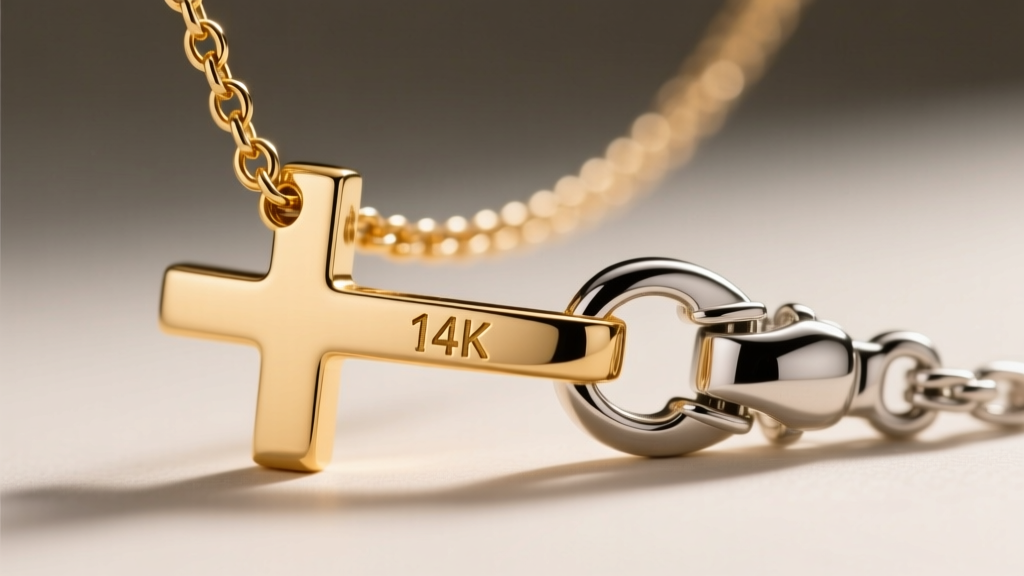
- Verify Hallmarks: According to the Federal Trade Commission Jewelry Guides, precious metals must be accurately stamped. Look for "925", "14k", "18k", or "585" laser-engraved on the clasp or the back of the cross. Avoid pieces marked only with "18k HGE" (Heavy Gold Electroplate), which is not solid gold.
Final Verdict: Maximizing Your Investment
Understanding the sideways cross necklace meaning adds a layer of personal sentiment to your purchase, but smart budgeting ensures that sentiment lasts a lifetime. If you are on a strict budget under $100, prioritize heavy gold vermeil over a sterling silver base, and commit to removing the piece before showering to preserve the micron layer. If your budget allows for $300 or more, bypass the brand markups entirely and invest in a minimalist, solid 14k gold sideways cross with a soldered bail and a durable box chain. By focusing on material density, structural hardware, and honest hallmarks, you secure a piece that honors both the profound meaning of the symbol and the hard-earned value of your wallet.


