Emerald Necklace Marina Lakewood OH: Expert Care & Cleaning Guide
Learn expert care, safe cleaning methods, and maintenance tips for your emerald necklace. Protect your Marina Lakewood, OH jewelry investment.

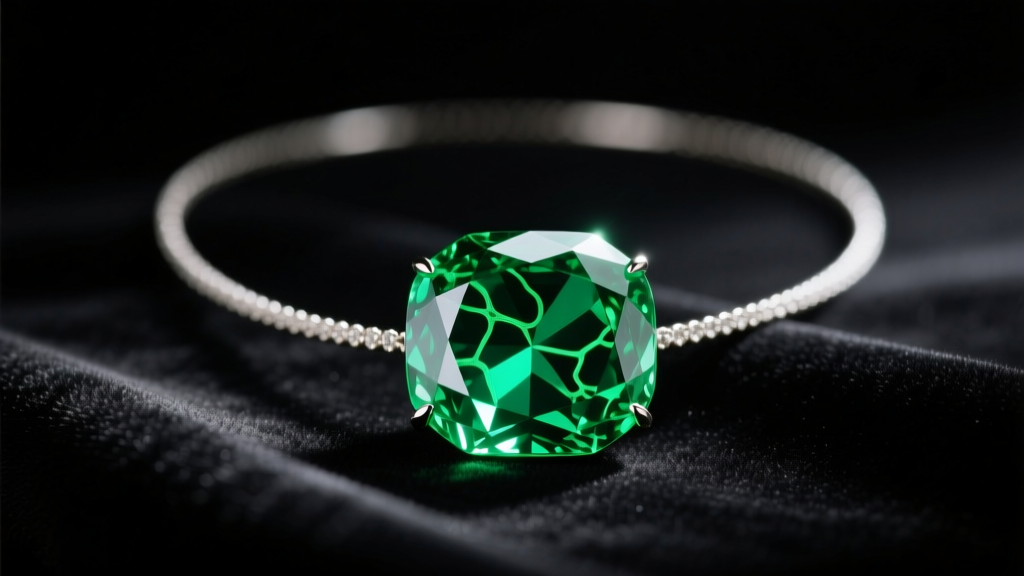
Emeralds are among the most coveted and historically significant gemstones in the world, prized for their lush, verdant hues. However, their breathtaking beauty comes with inherent geological vulnerabilities. For collectors maintaining an emerald necklace Marina Lakewood OH estate jewelers frequently appraise, understanding the specific care requirements of treated beryl is non-negotiable. Unlike diamonds or sapphires, emeralds demand a highly specialized maintenance routine to preserve their structural integrity and optical brilliance.
In this comprehensive 2026 guide, we break down the gemological science behind emerald durability, the hidden dangers of modern cleaning tools, and the exact step-by-step protocols you need to safely clean, store, and maintain your fine jewelry investment.
The Science of Emerald Vulnerability: Hardness vs. Toughness
To properly care for an emerald necklace, one must first understand the distinction between hardness and toughness. According to the Gemological Institute of America (GIA), emeralds are a variety of the mineral beryl, ranking between 7.5 and 8 on the Mohs scale of mineral hardness. While this means they are relatively resistant to surface scratching, their toughness—the ability to withstand chipping, breaking, and thermal shock—is rated as poor to fair.
This fragility is due to a phenomenon known as jardin (French for garden). Almost all natural emeralds contain visible internal inclusions, fractures, and liquid-filled cavities. These microscopic fissures create structural weak points throughout the stone, making it highly susceptible to shattering under sudden temperature changes or physical impact.
The Reality of Fracture Filling
Because of the pervasive nature of jardin, the American Gem Society (AGS) notes that upwards of 90% of all commercial and fine emeralds on the market undergo clarity enhancement. Gemologists typically fill surface-reaching fractures with colorless oils (traditionally cedarwood oil) or synthetic polymer resins (such as Opticon). This treatment dramatically improves the stone's transparency and stability. However, it also dictates how the stone must be cleaned, as harsh chemicals or heat can dissolve or melt these fillers, leaving the emerald looking cloudy, chalky, and heavily fractured.
The Hidden Dangers of Ultrasonic and Steam Cleaners
The most common way owners destroy their emerald jewelry is by using automated cleaning systems. While ultrasonic cleaners and steamers are excellent for diamonds, they are catastrophic for emeralds.

- Ultrasonic Cavitation: Ultrasonic cleaners use high-frequency sound waves to create microscopic vacuum bubbles in a liquid solution. When these bubbles collapse against the gemstone, they generate localized shockwaves. In an emerald, these vibrations will aggressively widen existing internal fractures, often causing the stone to split entirely in half.
- Thermal Shock from Steam: Steam cleaners blast jewelry with pressurized vapor exceeding 200°F (93°C). This extreme, sudden heat causes the beryl crystal lattice to expand rapidly, leading to thermal shock. Furthermore, the heat will melt synthetic resin fillers and boil away natural cedar oils, instantly ruining the stone's clarity.
- Chemical Stripping: Many commercial jewelry dips contain ammonia or mild acids. These solvents will aggressively strip the protective oils from the emerald's fissures, leaving behind a dull, opaque appearance.
Emerald Cleaning Methods: Safety Comparison Chart
| Cleaning Method | Safety Rating | Gemological Impact on Emerald |
|---|---|---|
| Ultrasonic Cleaner | DANGER | Shatters stone via high-frequency cavitation shockwaves. |
| Steam Cleaner | DANGER | Melts resin fillers and causes thermal shock fracturing. |
| Ammonia / Chemical Dips | DANGER | Strips cedar oil and synthetic resins from the jardin. |
| Warm Water & Mild Soap | SAFE | Gently lifts surface sebum without damaging fillers. |
| Soft Microfiber Wipe | SAFE | Removes daily dust and oils without abrasion. |
The Safe At-Home Cleaning Protocol
To safely restore the brilliance of your emerald necklace without compromising its fracture fillings, follow this precise, gemologist-approved protocol. You will need lukewarm distilled water, a pH-neutral dish soap (free of harsh degreasers or citrus additives), a baby-bristle toothbrush, and a lint-free microfiber cloth.
Step 1: Preparation and Soaking
Fill a small glass bowl with lukewarm distilled water. Tap water is acceptable, but distilled water prevents hard water mineral deposits from settling into the stone's surface-reaching fissures. Add two drops of pH-neutral dish soap and gently agitate the water. Submerge the emerald necklace and let it soak for no more than three to five minutes. Prolonged soaking can soften certain natural oil treatments.
Step 2: Gentle Agitation
Remove the necklace from the bowl. Using the baby-bristle toothbrush, gently sweep the bristles over the back of the setting (the pavilion side of the stone) where skin oils and lotions accumulate. Never scrub the emerald directly. Instead, use light, sweeping motions around the gold or platinum prongs to dislodge debris. Avoid pressing the bristles into the gemstone's table or crown.
Step 3: Rinsing and Drying
Rinse the necklace under a gentle stream of lukewarm water. Ensure the drain is securely plugged or use a mesh strainer to prevent accidental loss. Immediately pat the jewelry dry with a clean, lint-free microfiber cloth. Do not allow the necklace to air dry, as evaporating water can leave microscopic spots on the metal and within the stone's surface fissures.
Long-Term Maintenance and Professional Re-Oiling
Even with meticulous at-home care, the natural oils used to enhance emeralds will slowly evaporate or degrade over time due to exposure to ambient air, skin acidity, and environmental factors. As we move through 2026, advancements in synthetic polymer fillers have improved longevity, but traditional cedar-oiled stones still require professional attention.

Signs Your Emerald Needs Re-Oiling
Inspect your emerald necklace under a bright, neutral-white LED light using a 10x jeweler's loupe. If you notice the following symptoms, the stone's clarity enhancement has degraded:
- A chalky or milky appearance in previously transparent areas.
- White, web-like fractures becoming visible near the surface.
- A noticeable drop in the stone's overall brilliance and color saturation.
Expert Tip: Never attempt to re-oil an emerald yourself using store-bought oils. The viscosity and refractive index of the oil must perfectly match the stone's natural properties. Take your necklace to a certified gemologist or a specialized local jeweler who can perform a professional vacuum-impregnation treatment using Opticon or specialized cedar oils.
Proper Storage to Prevent Micro-Abrasions
How you store your emerald necklace is just as critical as how you clean it. Because emeralds rank at 7.5 to 8 on the Mohs scale, they can be easily scratched by harder gemstones. Diamonds (10), sapphires (9), and rubies (9) will effortlessly gouge the surface of an emerald if they come into contact during storage.
Always store your emerald necklace in a dedicated, fabric-lined jewelry box compartment. If a multi-compartment box is not available, wrap the pendant and chain individually in a soft, untreated flannel pouch. Furthermore, ensure the chain is fastened and laid flat to prevent the metal links from acting as a micro-abrasive against the beryl crystal over time. For high-value estate pieces, consider storing the necklace in a climate-controlled environment to prevent extreme fluctuations in humidity, which can accelerate the drying out of natural oil treatments.
Final Thoughts on Emerald Preservation
Owning an emerald necklace is an exercise in mindful stewardship. By avoiding ultrasonic cleaners, steering clear of harsh chemicals, and adhering to a gentle, pH-neutral cleaning regimen, you can preserve the lush green fire of your gemstone for generations. Regular inspections under magnification and timely professional re-oiling will ensure that your jewelry remains as structurally sound as it is visually breathtaking.


