2 Peas in a Pod Necklace: 2026 Budget & Value Guide
Discover the true value of a 2 peas in a pod necklace. Compare pricing tiers, material grades, and gemstone options to make a smart jewelry investment.

The Anatomy of Value: Deconstructing the Pod
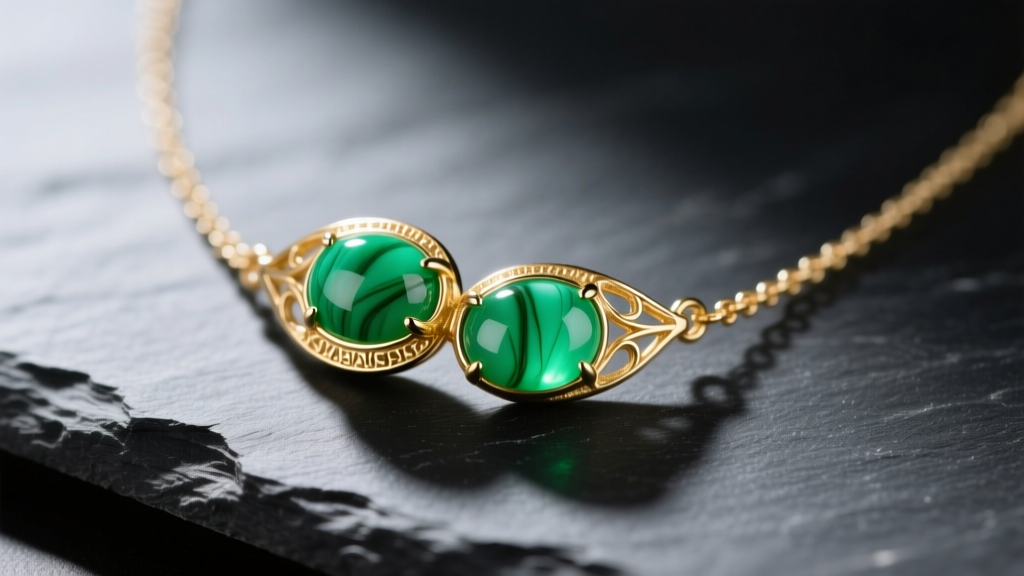
The '2 peas in a pod' motif remains one of the most enduring sentimental designs in modern jewelry, symbolizing partnership, maternity, or deep friendship. However, as we navigate the 2026 jewelry market, the price disparity for this exact same design is staggering. You can find a 2 peas in a pod necklace for $18 on a fast-fashion marketplace or $1,800 at a luxury boutique. How do you determine if a piece is a genuine heirloom investment or an overpriced trinket? The secret lies in deconstructing the anatomy of the pendant, specifically evaluating the metal framework weight, the setting technique, and the exact mineral composition of the 'peas.'
When assessing value, the untrained eye focuses solely on the green stones. As a domain expert, I look first at the gold or silver framework. Many budget-friendly pendants utilize electroforming—a process that creates a hollow, lightweight metal shell. An electroformed 14k gold pod might weigh a mere 0.6 grams, making it highly susceptible to catastrophic denting from everyday wear. Conversely, a solid cast 14k gold pod should weigh between 1.8 and 3.2 grams. Always ask the jeweler for the exact gram weight of the pendant; if they cannot provide it, assume the piece is hollow and adjust your budget expectations accordingly.
2026 Pricing Matrix: What Should You Actually Pay?
To help you benchmark your purchase, I have categorized the market into three distinct tiers based on material integrity and craftsmanship. Use this table to ensure you are not overpaying for inferior materials.
| Tier | Metal Framework | 'Pea' Material | Fair Price Range (2026) | Longevity & Heirloom Potential |
|---|---|---|---|---|
| Fast Fashion | Brass/Silver Plated | Cold Enamel (Epoxy) or Glass | $15 - $45 | Low (1-2 years before tarnish/chipping) |
| Mid-Tier Artisan | Solid 925 Sterling Silver | Vitreous Enamel or Nephrite Jade | $85 - $220 | Medium (5-10 years with proper care) |
| Fine Jewelry | Solid 14k or 18k Gold | Chrysoprase or Premium Jadeite | $450 - $1,400+ | High (Generational heirloom) |
If a retailer is charging $500 for a sterling silver pendant with glass peas, you are paying for the brand name, not the intrinsic value. True value in the mid-to-high tier is dictated by the gemological quality of the inlay and the precision of the bezel work.
Gemstone vs. Enamel: The Core Value Drivers
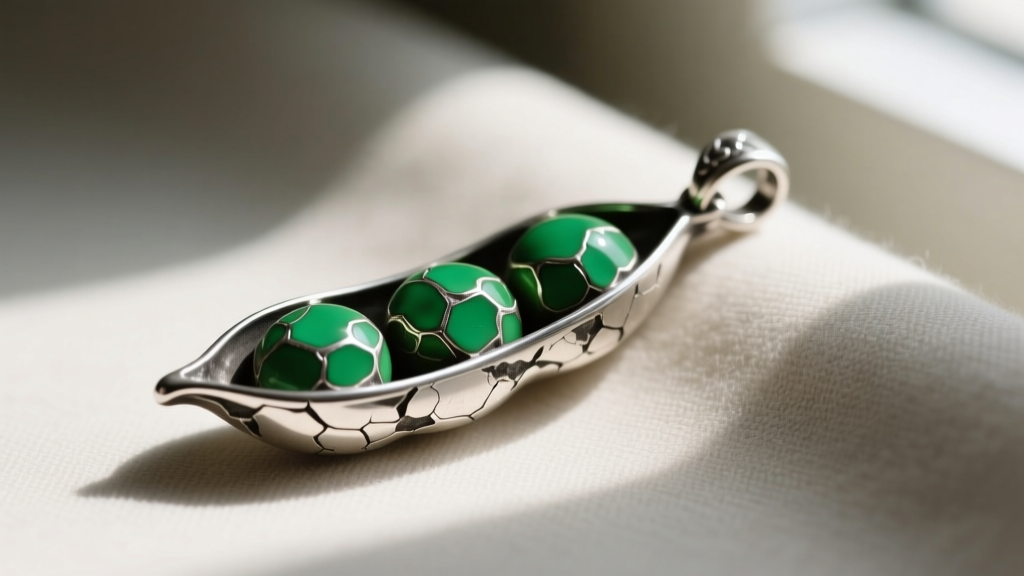
The green 'peas' are the focal point of the necklace, and the material used here accounts for up to 60% of the pendant's intrinsic value. Let us break down the four most common materials used in 2026 and how they impact your budget.
1. Chrysoprase (The Premium Standard)
For high-end fine jewelry, chrysoprase is the undisputed king of the pea pod motif. This cryptocrystalline variety of quartz gets its vibrant, apple-green hue from nickel inclusions. It ranks 6.5 to 7 on the Mohs hardness scale, making it durable enough for daily wear. A high-quality chrysoprase cabochon should be translucent with a uniform, saturated green color. Expect to pay a premium ($600+) for solid gold pods set with top-grade Australian chrysoprase.
2. Nephrite Jade (The Traditional Choice)
Nephrite jade is historically significant and incredibly tough due to its interlocking fibrous structure, though it ranks slightly lower on the Mohs scale (6 to 6.5). The value trap here is opacity; low-grade nephrite looks muddy and grayish-green. If you are buying a jade pea pod, ensure the stones have a slight translucency and a rich, even tone. Mid-tier silver and jade pendants offer excellent value, typically hovering around $120 to $180.
3. Vitreous Enamel (The Artisan Alternative)
True vitreous enamel is made from finely ground glass fused to metal in a kiln at over 1,400°F. It yields a brilliant, permanent color that will never fade. However, it is brittle. A hard drop on a tile floor can shatter the enamel 'peas.' This is a fair trade-off for the brilliant color, provided the price reflects the labor-intensive kiln process ($100-$250 for silver settings).
4. Cold Enamel / Epoxy (The Budget Trap)
Often mislabeled simply as 'enamel' by mass-market brands, cold enamel is actually a two-part epoxy resin. It is cheap to apply and requires no heat. While it looks great on day one, epoxy resin is highly porous. It will absorb skin oils, lotions, and UV light, inevitably yellowing and degrading within 18 to 24 months. Never pay more than $40 for a cold enamel piece.
Structural Failure Modes & Red Flags
When conducting a value assessment, you must inspect the piece for inherent structural weaknesses. Here are the most common failure modes I see in pea pod necklaces:
- Adhesive Degradation: In budget and some mid-tier pieces, the 'peas' are simply glued into the metal pod using jeweler's epoxy. Over time, exposure to heat and cosmetics breaks down the glue, causing the stones to rattle or fall out. Always look for bezel-set or prong-set stones where the metal is physically pushed over the edge of the cabochon.
- Tarnish Traps: If the interior of the pod is not polished and sealed, moisture gets trapped between the metal and the stone, causing severe silver oxidation that is nearly impossible to clean without removing the stones.
- Weak Jump Rings: The loop connecting the pod to the chain is a major stress point. If the jump ring is thin (under 0.8mm) and not soldered shut, the heavy pod will eventually warp the wire and snap off the chain.
Chain and Clasp Assessment: Don't Ignore the Hardware
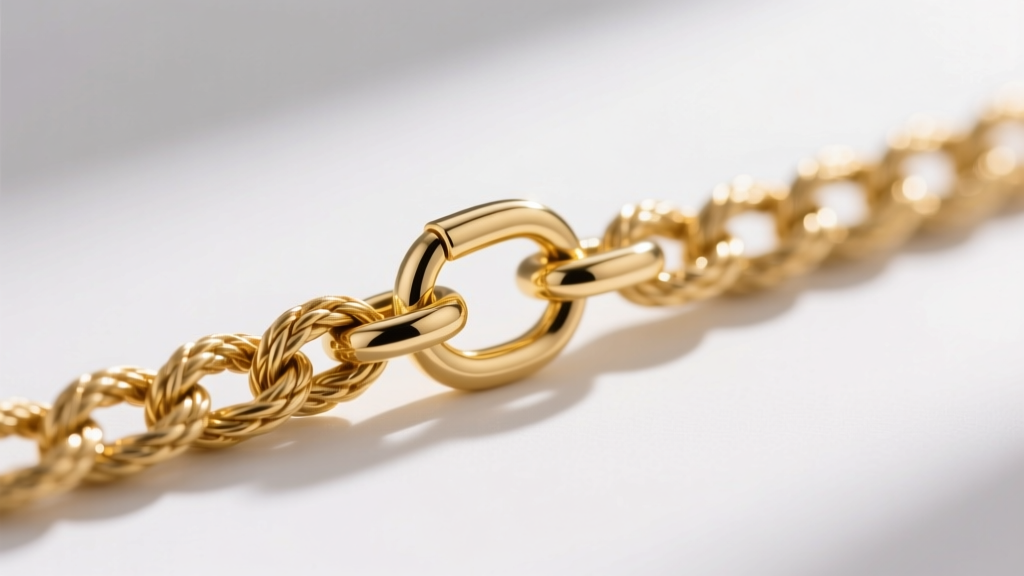
A $600 chrysoprase pendant suspended on a fragile, hollow 1-gram chain is a massive liability. The chain must be proportionate to the weight of the pod. For a standard 2.5-gram pendant, I recommend a 14k solid gold cable or rope chain with a minimum width of 1.2mm and a weight of at least 2.5 grams.
Furthermore, inspect the clasp and the stamping. According to the Federal Trade Commission Jewelry Guides, any piece stamped with a quality mark like '14K' or '585' must also bear a registered maker's mark or trademark. If your expensive necklace features a '14K' stamp but no maker's hallmark, the metal purity is legally unverified, and you should walk away from the purchase. Finally, ensure the chain utilizes a lobster clasp rather than a spring-ring clasp; the internal spring mechanism in cheap spring-rings frequently fails, leading to lost pendants.
Final Verdict: Maximizing Your Investment
The 2 peas in a pod necklace is a beautiful, meaningful design, but its market saturation requires a highly critical eye. If your budget is under $50, embrace the fashion jewelry tier but accept its temporary lifespan. If you are investing $200 to $1,500 for a milestone gift, demand solid metals, kiln-fired enamel or natural chrysoprase/jade, and physical bezel settings. By focusing on gram weights, setting techniques, and gemological verification, you ensure your sentimental necklace holds both emotional and financial value for decades to come.


