Silver Bib Necklace Troubleshooting: Cleaning, Untangling & Repair
Learn how to clean, untangle, and repair a silver bib necklace. Expert troubleshooting for tarnish, clasp failure, and multi-strand knots.

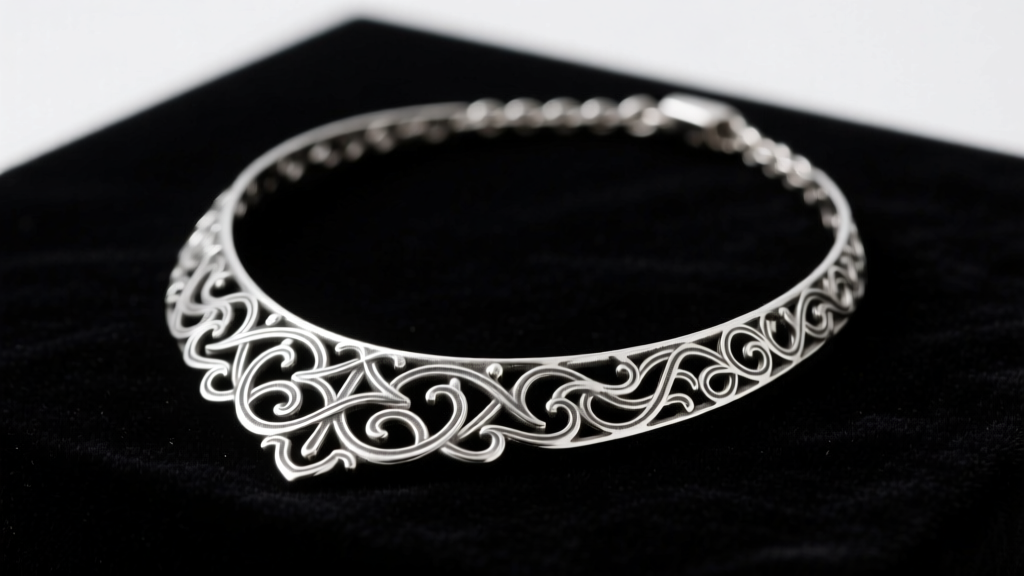
The Unique Anatomy of a Silver Bib Necklace
A silver bib necklace is a masterclass in jewelry architecture. Unlike a simple solitaire pendant, a bib necklace is designed to cover the upper chest (the "bib" area), utilizing dozens of articulated links, multi-strand chains, or intricate filigree metalwork. While they make undeniable statement pieces, their complex anatomy makes them highly susceptible to specific mechanical and chemical failures. The average sterling silver bib weighs between 45 and 120 grams. This significant mass, combined with the friction of clothing and the natural oils of the skin, creates a perfect storm for tangling, clasp strain, and accelerated tarnishing.
Troubleshooting a damaged or neglected silver bib requires moving beyond generic jewelry care advice. You must address the structural weak points—specifically the jump rings, the clasp tension, and the microscopic crevices where silver sulfide builds up. In this comprehensive guide, we will break down the exact methodologies for restoring, repairing, and maintaining heavy silver bib necklaces.
The Chemistry of Tarnish in Intricate Filigree
The most common complaint with silver bibs is severe, uneven tarnishing. Sterling silver is an alloy composed of 92.5% pure silver and 7.5% copper. It is the copper that reacts with hydrogen sulfide and moisture in the air to form silver sulfide (Ag2S), the blackish-gray film we recognize as tarnish. Because bib necklaces often feature dense filigree, granulation, or oxidized mesh, traditional polishing cloths are entirely useless; they simply glide over the high points while leaving the crevices black.
Furthermore, commercial liquid silver dips often contain thiourea, a toxic chemical that strips away intentional antique oxidation and can permanently dull the luster of the silver. According to The Silver Institute, the safest and most effective way to clean intricate silver without abrasive damage is through an electrochemical redox reaction.
The Aluminum Foil Redox Method
This method reverses the chemical reaction, converting silver sulfide back into pure silver without removing any metal.
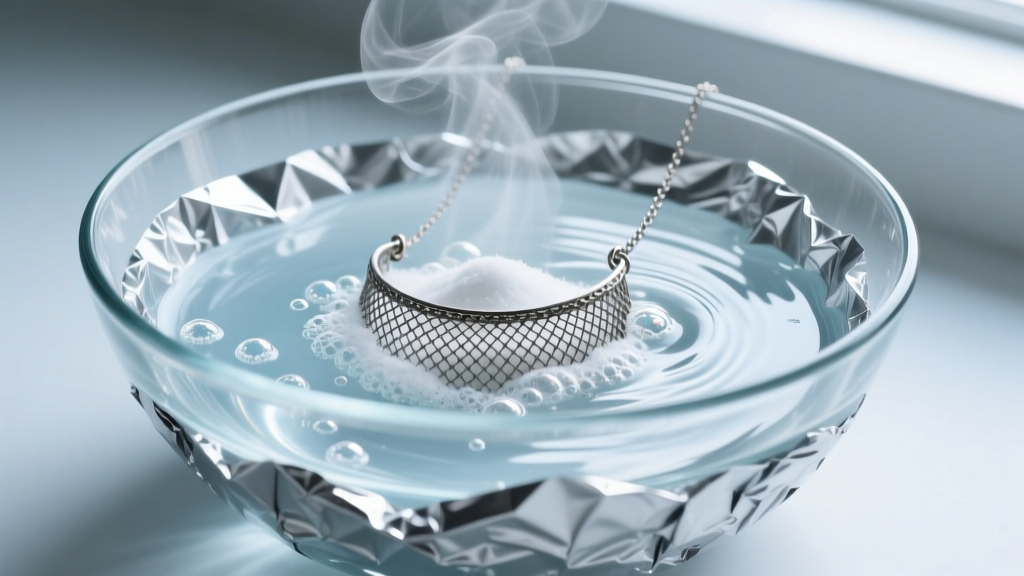
- Preparation: Line a heat-safe glass or ceramic bowl with aluminum foil, shiny side up.
- The Catalyst: Add 2 tablespoons of baking soda (sodium bicarbonate) and 1 tablespoon of coarse sea salt.
- Activation: Pour boiling water into the bowl to dissolve the mixture. You will immediately notice a sulfurous, egg-like odor—this is the sulfur leaving the silver and bonding with the aluminum.
- Submersion: Using wooden tongs, submerge the silver bib necklace completely. Ensure the silver is physically touching the aluminum foil to complete the galvanic cell.
- Completion: Leave for 3 to 5 minutes. Remove, rinse thoroughly with distilled water, and pat dry with a microfiber cloth.
Warning: Never use this method if your silver bib contains porous gemstones (like turquoise, opal, or pearls) or enamel work, as the heat and alkaline solution will permanently damage them. For gemstone-set bibs, use a soft horsehair brush with a mild, phosphate-free dish soap.
Untangling Multi-Strand and Articulated Bibs
Multi-strand silver bibs rely on spacer bars to keep the chains parallel. When stored improperly, or if a single jump ring fails, the strands collapse into a dense, seemingly impossible knot. Pulling at the chains increases the friction coefficient, tightening the knots and risking chain snap.
The Corkboard and Pin Technique
To safely detangle a complex silver bib, you must eliminate tension and reduce friction.
- Lubricate: Dust the knotted area lightly with talc-free baby powder or pure cornstarch. This coats the metal links and drastically reduces friction.
- Anchor: Lay the necklace flat on a corkboard or a thick piece of cardboard.
- Isolate: Use a single, fine-point sewing pin or a #17 beading needle to gently tease the center of the knot outward. Never pull the ends of the chain.
- Secure: As you free individual loops, pin them to the board to prevent them from slipping back into the mass.
As of 2026, many high-end jewelers are utilizing microscopic nanocoatings to reduce the static cling and friction that contribute to multi-strand tangling, but the manual pin-and-powder method remains the gold standard for at-home rescue.
Hardware Failure: Upgrading Clasps and Jump Rings
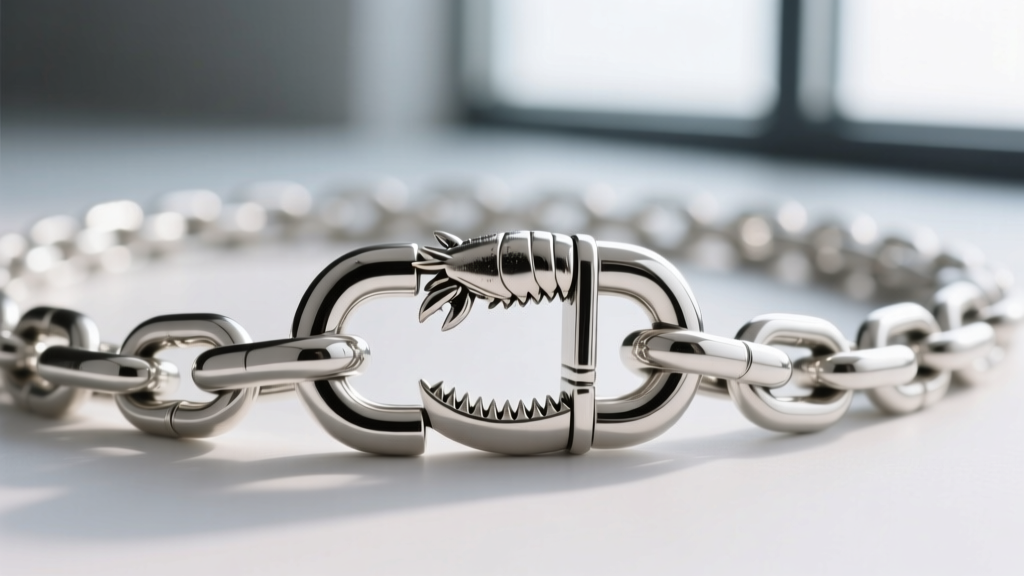
A 90-gram silver bib necklace exerts immense dynamic tension on its hardware, especially when the wearer leans forward or catches the bib on a heavy sweater. Most commercial silver bibs are assembled with standard 5x9mm lobster clasps and 20-gauge (0.8mm) unsoldered jump rings. This is a critical failure point. A 20-gauge jump ring will easily pull apart under the weight of a heavy bib, resulting in a lost piece.
Clasp Weight Capacity Chart
| Clasp Type | Max Static Weight | Best Application for Bibs |
|---|---|---|
| Standard 5x9mm Lobster | 35 grams | Lightweight, single-strand collar bibs only. |
| Heavy-Duty 10x15mm Lobster | 85 grams | Standard multi-strand and mesh bib necklaces. |
| Medium Toggle (15mm bar) | 120 grams | Heavy, articulated metalwork bibs; easiest to secure one-handed. |
| Box Clasp with Safety Eight | 150+ grams | Luxury, high-carat silver or gemstone-encrusted statement bibs. |
If your bib necklace frequently slips open or the jump rings are gaping, take it to a bench jeweler. Request an upgrade to a heavy-duty 10mm lobster clasp or a toggle clasp. More importantly, ask them to replace the connection jump rings with 16-gauge (1.3mm) soldered jump rings. Soldered rings have no seam, meaning they cannot be pulled apart by the weight of the silver.
Troubleshooting Skin Discoloration and Allergies
It is a common misconception that pure silver turns the skin green or black. In reality, it is the copper alloy in 925 sterling silver reacting with the acidic pH of your sweat, lotions, or perfumes. Because a bib necklace sits flush against the highly vascular and perspiration-prone décolletage, this chemical reaction is accelerated, often leaving a dark gray or greenish smudge on the chest.
To solve this, you have three options:
- The Barrier Method: Paint the inner backing of the silver bib with a thin layer of clear, hypoallergenic nail polish or a specialized jewelry shield spray. This must be reapplied every few months.
- Rhodium Plating: A bench jeweler can plate the entire necklace in rhodium (a platinum group metal). This creates a bright, white, non-reactive barrier that completely prevents skin discoloration and slows tarnishing.
- Material Upgrade: If you are shopping for a new piece, look for Argentium Silver. This modern alloy replaces some of the copper with germanium, making it highly tarnish-resistant and significantly less likely to cause skin reactions, a fact corroborated by the Gemological Institute of America (GIA).
Long-Term Storage Protocols for Heavy Bibs
How you store a silver bib necklace dictates how much troubleshooting you will need to do the next time you wear it. Hanging a heavy multi-strand bib on a standard jewelry hook puts prolonged stress on the back chains and clasp, leading to metal fatigue and permanent stretching.
Instead, lay the bib completely flat in a shallow drawer lined with anti-tarnish cloth (such as Pacific Silvercloth). Ensure the clasp is fastened and the strands are laid parallel. If drawer space is limited, roll the bib loosely around an acid-free tissue paper tube, separating the layers with soft flannel to prevent the filigree from catching on the chains. By respecting the structural limits and chemical vulnerabilities of your silver bib, you ensure it remains a flawless statement piece for decades.


