Silver C Necklace Buying Guide: Initial Pendants & C-Link Chains
Discover how to choose the perfect silver C necklace. Our expert buying guide covers sterling silver grades, chain types, pendant sizing, and styling tips.

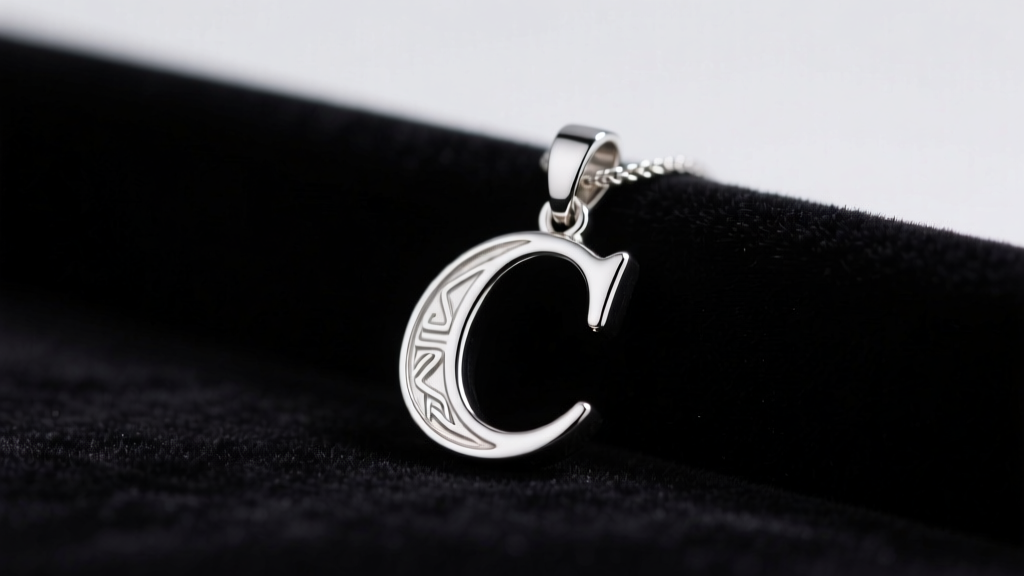
When shoppers search for a silver c necklace, they are typically looking for one of two distinct jewelry styles: a personalized initial 'C' pendant necklace, or a structural 'C-link' chain (often associated with Cuban or curb link designs). Both styles hold significant weight in modern jewelry wardrobes, but they require entirely different buying considerations. Whether you are investing in a sentimental initial piece or a bold, interlocking C-link chain, understanding silver metallurgy, chain gauges, and clasp mechanics is crucial to making a purchase that lasts.
This comprehensive buying guide breaks down exactly what to look for when purchasing a silver C necklace, ensuring you avoid low-quality alloys and poorly constructed findings.
Decoding the 'Silver C' – Initial Pendant vs. C-Link Chain
Before evaluating materials, it is vital to define the style you are pursuing. The term 'silver c necklace' spans two categories:
- The Initial 'C' Pendant: A focal letter charm suspended from a chain. This style relies heavily on the proportion between the pendant's bail (the loop) and the chain's gauge. It is highly personal, often gifted for names like Chloe, Catherine, or Charles, and leans towards classic or minimalist aesthetics.
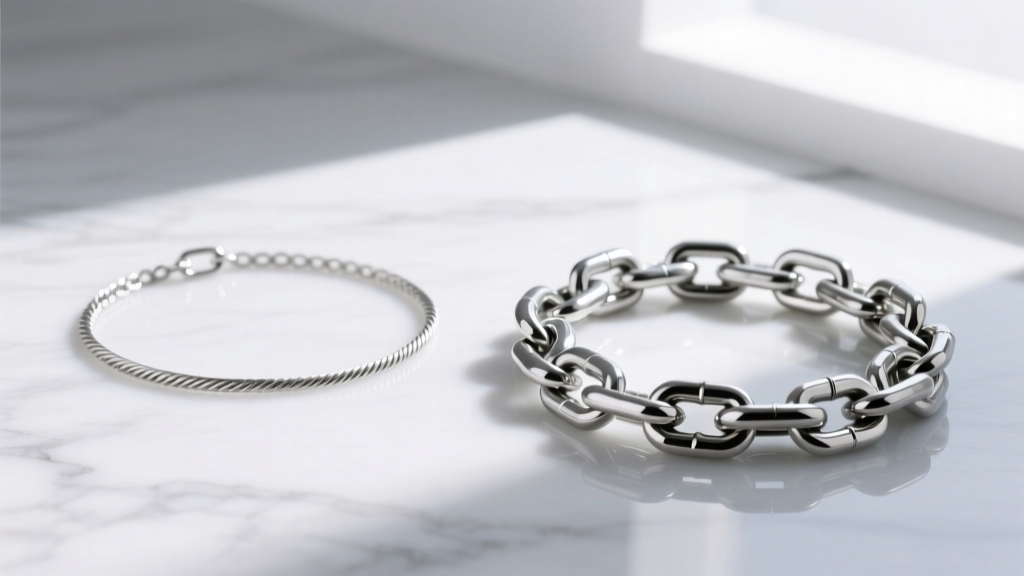
- The C-Link Chain: A chain constructed from interlocking, C-shaped links (frequently seen in Cuban or paperclip variations). This style is valued for its structural integrity, light reflection, and streetwear-to-luxury versatility. Here, the focus is on link soldering and overall chain weight.
Silver Purity Grades: What You Are Actually Buying
According to the Federal Trade Commission (FTC) Jewelry Guides, a piece must contain at least 92.5% pure silver to be legally marketed as 'sterling silver.' However, not all silver is created equal. When buying a silver c necklace, you will encounter three primary grades:
| Silver Grade | Composition | Best Application | Tarnish Resistance |
|---|---|---|---|
| .925 Sterling | 92.5% Silver, 7.5% Copper | Standard chains and initial pendants | Moderate (Requires polishing) |
| .999 Fine Silver | 99.9% Pure Silver | Thick, heavy pendants (not chains) | High (But too soft for daily chains) |
| Argentium Silver | 93.5% Silver, Germanium alloy | High-end, low-maintenance daily wear | Exceptional (Highly tarnish-resistant) |
Expert Insight: If you are buying a delicate 1.2mm cable chain for an initial C pendant, stick to .925 Sterling. The copper alloy provides the necessary tensile strength. If you are buying a thick, solid C-link Cuban chain, look for Argentium silver if your budget allows, as the germanium content drastically reduces the sulfur-induced tarnishing that plagues heavy silver chains.
Choosing the Right Chain for Your C Pendant
If your focus is an initial C pendant, the chain you select dictates the necklace's longevity and drape. The Gemological Institute of America (GIA) notes that the physical stress on a chain is concentrated at the clasp and the bail. Therefore, matching the chain gauge to the pendant weight is non-negotiable.
Chain Types and Gauge Recommendations
- Cable Chain (1.2mm - 1.5mm): The traditional choice for initial pendants. It offers a classic, unobtrusive look that lets the 'C' shine. Ensure the links are soldered (closed) rather than open, preventing them from pulling apart under tension.
- Box Chain (1.5mm - 2.0mm): Composed of square links, box chains are incredibly sturdy and resist kinking. They provide a modern, geometric backdrop to a serif or script 'C' pendant.
- Rope Chain (2.0mm - 3.0mm): Twisted links create a spiral effect. Rope chains are excellent for heavier, solid silver 'C' pendants because the twisted structure hides micro-scratches and distributes weight evenly.
The Bail-to-Chain Ratio
A common failure point in initial necklaces is a bail that is too tight. The inner diameter of the pendant's bail must be at least 0.5mm larger than the chain's gauge. If you are using a 1.5mm box chain, the bail must have an inner opening of at least 2.0mm to allow the chain to glide smoothly without grinding down the silver over time.
Clasp Mechanics: Spring Ring vs. Lobster Claw
The clasp is the most frequent point of mechanical failure on any silver c necklace. Understanding which clasp suits your chain weight will save you from losing your jewelry.
Spring Ring Clasps: Best for ultra-fine chains (under 1.5mm). They are lightweight and unobtrusive but rely on a tiny internal steel spring that can degrade or snap if forced open too wide.
Lobster Claw Clasps: The gold standard for chains 2.0mm and above, or for heavy C-link chains. They feature a solid, spring-loaded lever that is far more resistant to accidental unhooking and structural fatigue.
Sizing and Proportions: Getting the Fit Right
The visual impact of a letter C pendant relies entirely on its scale relative to the wearer's neckline and the chain's length.

Pendant Dimensions
- 10mm - 12mm (Subtle): Ideal for layering with other delicate chains or for a minimalist, 'barely there' aesthetic. Best suited for petite frames or younger wearers.
- 15mm - 20mm (Standard): The most versatile size. It provides clear legibility of the initial 'C' without overwhelming the collarbone. Perfect for everyday office or casual wear.
- 25mm+ (Statement): Bold and highly visible. Often features diamond-cut edges or oxidized (blackened) detailing to enhance the letter's contrast. Best worn alone on a thicker chain.
Chain Length Guide
For an initial pendant, an 18-inch chain is the industry standard, allowing the 'C' to rest perfectly in the hollow of the collarbone. If you are purchasing a C-link chain (like a Cuban link), a 20-inch or 22-inch length is preferred, allowing the heavier chain to drape lower on the chest and lay flat without buckling.
Price Ranges and What to Expect
Pricing for a silver c necklace varies wildly based on manufacturing methods (cast vs. die-struck) and brand markup. Here is a realistic market breakdown for 2026:
- $30 - $60 (Mass Market): Hollow-cast pendants, lightweight chains (under 2 grams total weight), often plated over a base metal core despite 'silver' marketing. Spring ring clasps.
- $75 - $150 (Artisan & Mid-Tier): Solid .925 sterling silver, die-struck or 3D-printed cast pendants with hand-polished finishes. Soldered cable or box chains with reliable lobster clasps.
- $200 - $500+ (Luxury & Heavy C-Links): Solid Argentium silver, heavy C-link Cuban chains (15+ grams), or initial pendants featuring pave-set diamonds or precision enamel work from established heritage jewelers.
Care and Maintenance for Sterling Silver
Silver is highly reactive to sulfur compounds in the air, which causes tarnish (silver sulfide). To maintain the brilliant white luster of your silver C necklace:
- Storage: Store the necklace in an airtight polyethylene ziplock bag with an anti-tarnish silica strip. Never leave it exposed on a bathroom counter, as humidity and aerosolized chemicals accelerate oxidation.
- Cleaning: Avoid liquid silver dips, which strip the metal's natural patina and can damage gemstone accents. Instead, use a treated jeweler's cloth (like a Sunshine cloth) to gently buff the surface of the 'C' pendant and the chain links.
- Wear Habits: Remove your silver necklace before swimming in chlorinated pools or entering hot tubs. Chlorine reacts violently with the copper alloy in .925 sterling silver, causing irreversible structural brittleness and dark, permanent staining.
By prioritizing solid alloys, correct gauge proportions, and robust clasp mechanics, your silver c necklace will transition from a simple purchase to a lasting wardrobe staple.


