Slide Necklace Trends 2026: The Kinetic Jewelry Shift
Explore 2026 slide necklace trends, from kinetic engineering to styling frameworks. Discover material grades, pricing, and track maintenance tips.

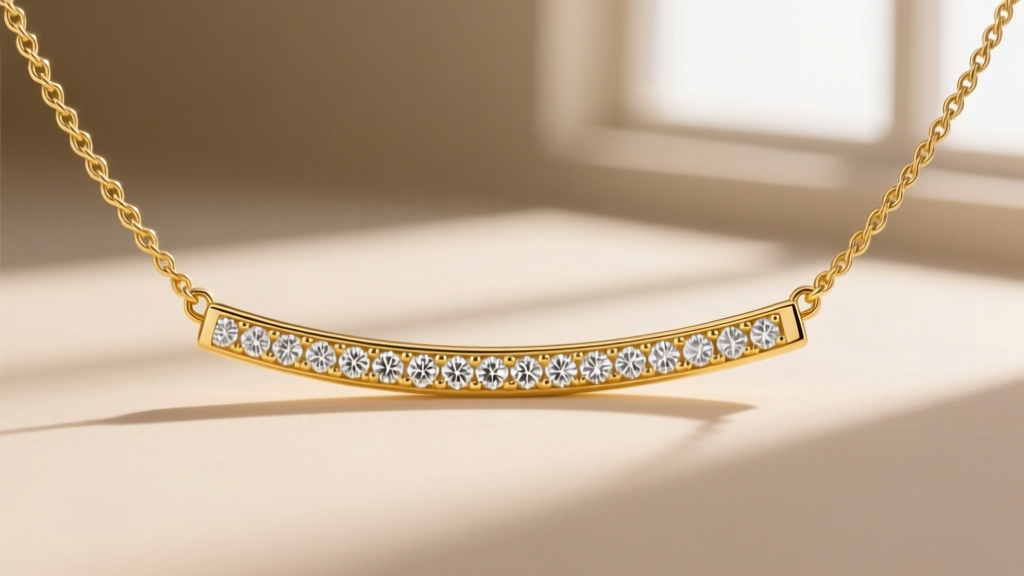
The jewelry landscape of 2026 has decisively pivoted toward movement, interactivity, and personalization. At the forefront of this shift is the slide necklace—a kinetic masterpiece that transforms a static accessory into a dynamic conversation piece. Originally popularized by luxury houses like Messika with their iconic Move collection, the slide necklace has evolved far beyond its early iterations. Today, it represents a fusion of precision engineering and modern styling, appealing to a generation of collectors who demand both mechanical intrigue and aesthetic versatility.
In this comprehensive trend analysis, we deconstruct the mechanics, material realities, and 2026 styling frameworks of the modern slide necklace. Whether you are investing in a high-jewelry kinetic piece or exploring accessible PVD-coated alternatives, understanding the nuances of track engineering and slider tension is critical for making an informed purchase.
The Mechanics of Motion: What Defines a Premium Slide Necklace?
Not all sliding pendants are created equal. The defining feature of a slide necklace is the track-and-channel system that allows the focal element to glide along the chain. However, the difference between a luxury heirloom and a fast-fashion novelty lies in the microscopic engineering of this track.
Track Milling vs. Hollow Extrusion
Premium slide necklaces utilize CNC-milled channels from a solid block of 18k or 14k gold. This ensures the inner track is perfectly smooth, preventing the chain from catching or fraying over time. Conversely, budget-friendly options often use hollow extruded tubes. While lighter and cheaper, these hollow tracks are prone to denting if dropped, which can permanently jam the slider mechanism.
Tension Control and the 'Slider Droop'
The most common failure mode in kinetic jewelry is 'slider droop'—when the pendant slides down the chain and fails to stay in place on the décolletage. High-end manufacturers solve this by embedding a micro-sleeve of PTFE (polytetrafluoroethylene) or a hidden silicone O-ring inside the slider channel. This creates a calibrated friction fit against the 1.2mm to 1.5mm cable chain, allowing the piece to be repositioned with a gentle tug while remaining securely anchored against gravity.
2026 Trend Forecast: The Evolution of Kinetic Design
According to market analyses by National Jeweler, consumer appetite for interactive, 'fidget-friendly' luxury goods has surged, directly impacting necklace design. The traditional single-bar slider is being reimagined for 2026 through several distinct lenses.

The Deconstructed Multi-Slide
Instead of one dominant pendant, 2026's breakout trend features three to five micro-sliders distributed across a single lariat or Y-chain. This 'deconstructed' approach creates a cascading kinetic effect, where each geometric element moves independently, catching the light at different intervals as the wearer moves.
Asymmetric and Off-Center Tracks
Symmetry is taking a backseat to deliberate imbalance. Designers are extending the track bar asymmetrically, allowing the diamond-encrusted slider to rest entirely off-center. This creates a modern, avant-garde silhouette that pairs exceptionally well with structured, one-shoulder garments and architectural necklines.
Mixed-Metal Kinetic Layering
The two-tone rule has been abandoned in favor of high-contrast kinetic layering. A popular 2026 styling technique involves threading an 18k yellow gold slider pendant onto a white gold or platinum station chain. The visual friction between the warm slider and the cool chain highlights the mechanical movement of the piece.
Material & Hardware Breakdown: What to Look For
When investing in a slide necklace, the material grade dictates not just the price, but the mechanical lifespan of the track. The constant friction of the chain rubbing against the inner channel will eventually wear down softer metals and platings. Below is a comparative framework to guide your purchasing decision.
| Material Grade | Track Engineering | Avg. Price Range | Longevity & Wear Profile |
|---|---|---|---|
| 18k Solid Gold | CNC-milled seamless channel | $2,500 - $8,000+ | Lifetime; develops a soft, luxurious patina on the inner track without compromising structural integrity. |
| 14k Gold Vermeil | Hollow extruded tube | $150 - $400 | 2-4 years; high friction will eventually wear away the inner gold plating, exposing the sterling silver core. |
| PVD Stainless Steel | Laser-welded micro-track | $80 - $250 | 5+ years; highly scratch-resistant, though the chain may eventually show signs of metal fatigue. |
| Platinum (950) | Solid cast & polished | $4,000 - $12,000+ | Generational; extremely dense and resistant to friction wear, ideal for heavy diamond pavé sliders. |
For daily wearers, 14k or 18k solid gold remains the optimal choice. The Gemological Institute of America (GIA) frequently notes that the longevity of jewelry settings is intrinsically tied to the hardness of the base metal; platinum and higher-karat golds provide the necessary durability for moving parts.
Styling Frameworks: Necklines and Layering
The kinetic nature of a slide necklace requires a deliberate approach to styling. Because the pendant moves, it can easily become tangled in complex layered chains or lost against busy fabric patterns.
- The Deep V-Neck & Plunge: This is the natural habitat of the slide necklace. Opt for a longer chain (18 to 20 inches) with a weighted slider that naturally drops into the center of the V-neckline, elongating the torso.
- The Crew Neck & Turtleneck: Choose a shorter, choker-length slide necklace (14 to 16 inches) where the track sits horizontally across the collarbone. The slider acts as an adjustable focal point that can be shifted left or right to balance asymmetrical hairstyles.
- Layering Protocol: Never layer a slide necklace with a chain of the exact same length and gauge. The sliding mechanism will catch on the adjacent links, causing severe tangling. Always pair it with a stationary pendant that is at least 2 inches shorter or longer than the slider's chain.
Investment vs. Fashion: Navigating the Price Spectrum
The slide necklace market is sharply bifurcated. At the apex, luxury houses charge a premium not just for the diamonds, but for the proprietary tension-engineering and seamless track finishing. Brands like Messika, Anita Ko, and Irene Neuwirth dominate this space, with entry-level kinetic pieces starting around $3,200 and high-jewelry diamond sliders exceeding $25,000.
In the accessible luxury tier ($400 - $1,200), brands like Mejuri and Gorjana offer solid 14k gold sliders. While they may lack the microscopic PTFE tension sleeves of their luxury counterparts, they provide excellent material value and reliable daily wear. For those exploring the sub-$150 market, PVD-coated titanium and stainless steel sliders offer impressive scratch resistance, though buyers should be wary of brass-core pieces masquerading as gold-plated, as the friction of the slider will reveal the base metal within months.
Maintenance and Troubleshooting Track Systems
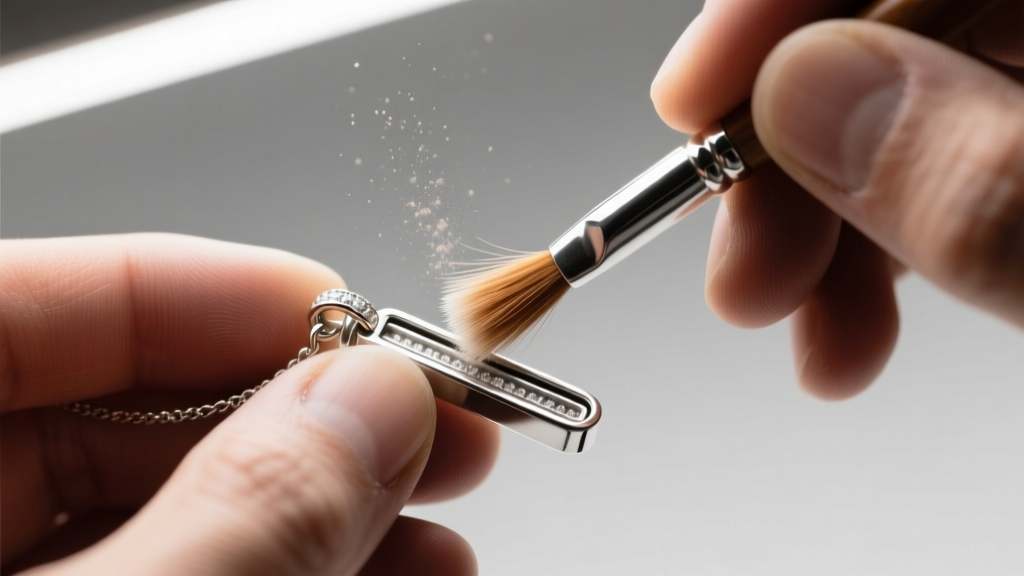
The moving parts of a slide necklace make it a magnet for skin oils, lotions, and environmental dust, which can accumulate inside the track and cause the slider to stick or grind against the chain.
The Ultrasonic Cleaner Warning
Never place a diamond pavé slide necklace in an ultrasonic cleaner. The high-frequency vibrations are notorious for shaking loose the micro-melee diamonds set directly into the sliding channels. Furthermore, the vibrations can degrade the internal silicone tension rings that prevent slider droop.
Proper Cleaning Protocol
To maintain a smooth glide, clean the track weekly using a soft horsehair brush dipped in a solution of warm water and mild, ammonia-free dish soap. Gently run the brush through the channel while sliding the pendant back and forth to dislodge trapped debris. Rinse with distilled water to prevent hard water spots and dry immediately with a microfiber cloth. If your slider begins to droop prematurely, a master jeweler can often retrofit the channel with a new micro-sleeve, restoring the original friction fit for a fraction of the cost of a replacement.
Final Thoughts
The slide necklace is more than a fleeting trend; it is a fundamental evolution in how we interact with our jewelry. By understanding the mechanical realities of track engineering, the material limitations of friction wear, and the styling nuances of kinetic layering, you can invest in a piece that offers both dynamic movement and enduring elegance. As 2026 continues to champion interactive design, the slide necklace remains the ultimate expression of modern, personalized luxury.


