Why Is the Clasp of a Necklace Called a Boob? Debunking the Myth
Is the clasp of a necklace really called a boob? We debunk this viral jewelry myth, explore the real anatomy of findings, and explain bolt rings.

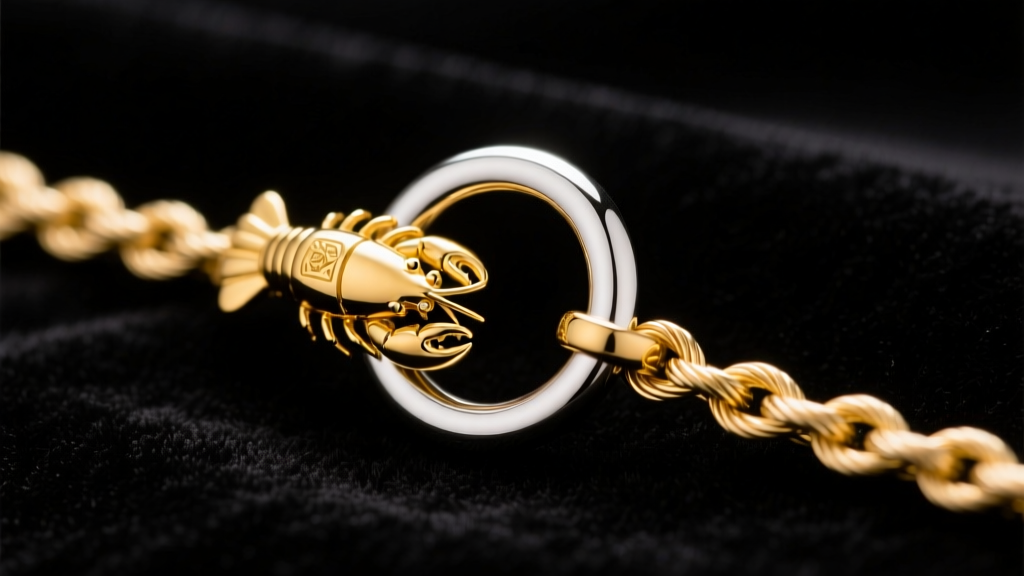
If you have spent any time on jewelry-focused corners of TikTok or Instagram Reels recently, you may have encountered a baffling piece of slang: influencers and self-proclaimed jewelry experts referring to the clasp of a necklace as a "boob." This bizarre terminology has sparked confusion among seasoned collectors and novice buyers alike, leading to a surge in search queries asking, "Why is the clasp of a necklace called a boob?"
The short answer? It isn't. There is no historical, gemological, or metallurgical basis for calling a necklace clasp a "boob." However, tracing the origin of this viral misconception offers a fascinating glimpse into how digital echo chambers distort jewelry terminology, and more importantly, why knowing the correct anatomy of your necklace findings is critical for protecting your investments.
The Viral Misconception: Where Did the Myth Start?
To understand the "boob" clasp myth, we have to look at the intersection of regional jewelry slang and automated speech recognition (ASR) errors. In the United Kingdom, Australia, and parts of Europe, the most common circular clasp used on lightweight chains is known as a bolt ring (the regional equivalent of the American "spring ring" clasp).
When British jewelers or vintage resellers post videos discussing a "gold bolt ring," auto-generated captions frequently misinterpret the phonetic sound of "bolt" as "boob," especially when spoken quickly or with certain regional accents. Once a few viral videos embedded this error into the algorithmic lexicon, a wave of content creators parroted the term without verification, birthing a completely fictitious piece of jewelry anatomy. According to the GIA Gem Encyclopedia, standard jewelry findings rely on precise mechanical terminology; "boob" is entirely absent from the horological and gemological dictionaries.
The Real Anatomy of Necklace Findings
Rather than relying on internet slang, serious collectors and style enthusiasts must understand the actual components that secure their pendants and chains. A necklace clasp is not a single entity, but a mechanical system comprising several distinct findings:
- The Catch Mechanism: The primary locking device (e.g., lobster claw, bolt ring, toggle, or box clasp).
- The Jump Ring: The circular wire loop that the catch mechanism hooks onto. High-quality jump rings are soldered shut to prevent the chain from slipping through under tension.
- The Trigger/Lever: The small external tab you pull back to retract the internal spring.
- The Bail: Often confused with the clasp, the bail is the finding that attaches a pendant to the chain itself, allowing it to slide freely.
Metallurgy and Mechanics: Why Gold Doesn't Spring
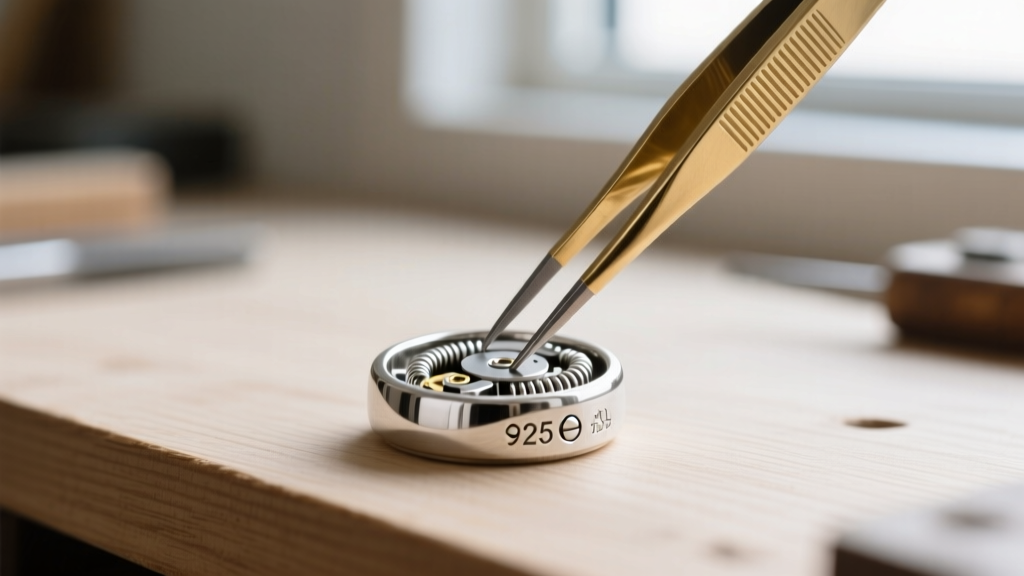
One of the most crucial aspects of clasp anatomy that viral videos fail to mention is metallurgy. Many consumers assume that if they buy an 18k gold necklace, every component is solid 18k gold. However, precious metals like gold and silver are inherently malleable. If the internal spring of a bolt ring or lobster claw were made of pure gold, it would suffer from metal fatigue and permanently deform after just a few uses.
To solve this, jewelers use a bi-metal construction. The outer shell of the clasp is cast in the appropriate precious metal (e.g., 14k gold, 18k gold, or 925 sterling silver), but the internal tension spring is almost universally crafted from 304 or 316L stainless steel. This steel core provides the necessary tensile strength to keep the clasp securely closed. When buying vintage jewelry, a quick test with a rare-earth magnet on the clasp mechanism (but not the chain) can verify the presence of this steel spring, serving as a rudimentary authenticity check for the finding's originality.
Clasp Selection Matrix: Matching Weight and Gauge
Using the wrong clasp for your chain's weight and gauge is the leading cause of lost pendants. A heavy 25-gram Cuban link chain secured by a 5mm bolt ring is a disaster waiting to happen. Below is a professional framework for matching clasp types to chain specifications.
| Clasp Type | Best Chain Weight | Security Level | Common Failure Point |
|---|---|---|---|
| Bolt Ring (Spring) | Under 5 grams | Medium | Internal spring fatigue; unsoldered jump ring pulling open |
| Lobster Claw | 5 to 25 grams | High | Trigger lever warping; debris jamming the hinge |
| Toggle | Over 20 grams | Medium | Bar slipping through the ring if the chain is too short |
| Box with Safety 8 | Over 30 grams | Very High | Tongue metal fatigue; safety chain solder breaking |
For chains in the 1.5mm to 3.0mm thickness range, a 12mm to 15mm lobster claw is the industry standard. It provides enough surface area for the catch to fully enclose a heavy-gauge jump ring without putting lateral stress on the clasp hinge.
2026 Trend Forecast: The Decline of the Mechanical Clasp
As we move through 2026, high-end jewelry design is actively attempting to eliminate the traditional mechanical clasp altogether. The "bolt ring" and the "lobster claw" are increasingly viewed as necessary evils that disrupt the visual flow of a continuous diamond tennis necklace or a seamless gold chain.
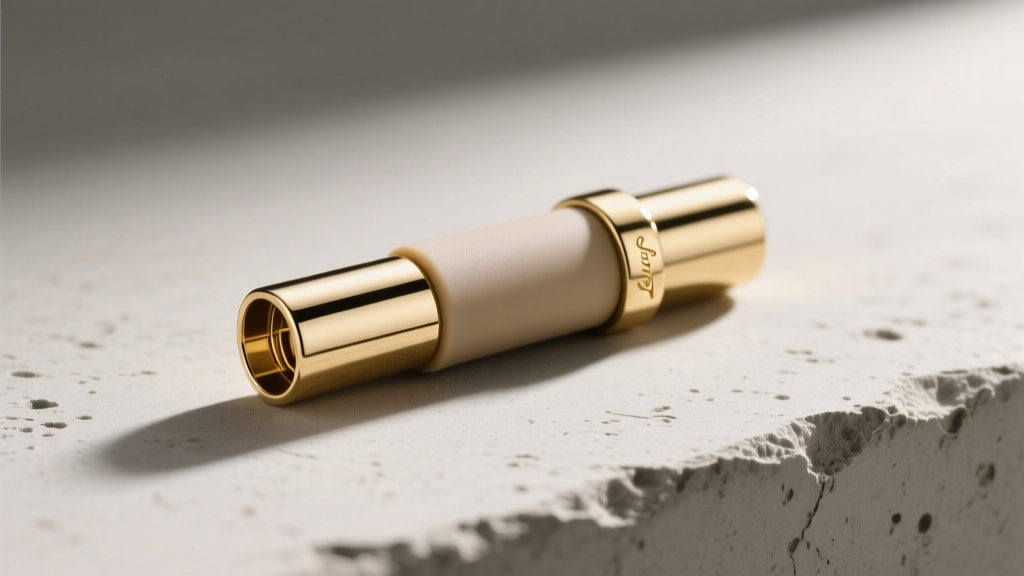
Leading contemporary houses are pivoting toward neodymium magnetic tube clasps lined with microscopic silicone friction grips. These clasps snap together seamlessly, creating the illusion of an endless chain. Furthermore, the rise of 3D-printed titanium and memory-metal alloys (like Nitinol) is allowing engineers to create friction-fit bayonet clasps that require zero moving parts, completely bypassing the need for internal steel springs. For trend-focused buyers, seeking out "invisible" or "flush-fit" clasps is the hallmark of a modern, forward-thinking jewelry wardrobe.
Troubleshooting and Maintenance
Whether you call it a bolt ring, a lobster claw, or (erroneously) a boob, mechanical clasps require maintenance. The most common reason a necklace is lost is not the clasp breaking, but the jump ring pulling apart.
The Jeweler's Rule of Thumb: Never pull a necklace by the clasp. When taking off a chain, unhook the clasp by holding the jump ring steady and pulling the trigger of the lobster claw. If your jump ring has a visible slit, take it to a jeweler to have it laser-soldered shut. A $20 soldering job will save a $5,000 diamond pendant.
Additionally, lotions, perfumes, and skin oils can build up inside the hinge of a lobster claw, causing the trigger to feel sticky or fail to snap back with a satisfying "click." A simple ultrasonic cleaning, or a gentle scrub with a soft toothbrush and mild dish soap, will restore the mechanical tension and ensure your findings function flawlessly.
Final Thoughts on Jewelry Terminology
The internet is a fantastic tool for discovering new jewelry trends, but it is a poor substitute for formal gemological education. The next time a viral video tells you that the clasp of a necklace is called a "boob," remember that true jewelry literacy lies in understanding the mechanics, metallurgy, and history of your pieces. By mastering the real terminology—from bolt rings to box clasps—you empower yourself to make better purchasing decisions, communicate effectively with your jeweler, and ensure your most cherished pendants stay exactly where they belong: around your neck.
For further reading on the history and anatomy of jewelry findings, the Victoria and Albert Museum's Jewellery Collection offers an incredible archive of historical fastening mechanisms, while industry publications like JCK Online provide ongoing coverage of modern clasp innovations and manufacturing standards.


