How to Choose the Perfect Gold Locket Necklace With Picture
Discover what to look for when buying a gold locket necklace with picture. Learn about karat durability, photo sizing, and hinge mechanics.

The Resurgence of the Sentimental Pendant
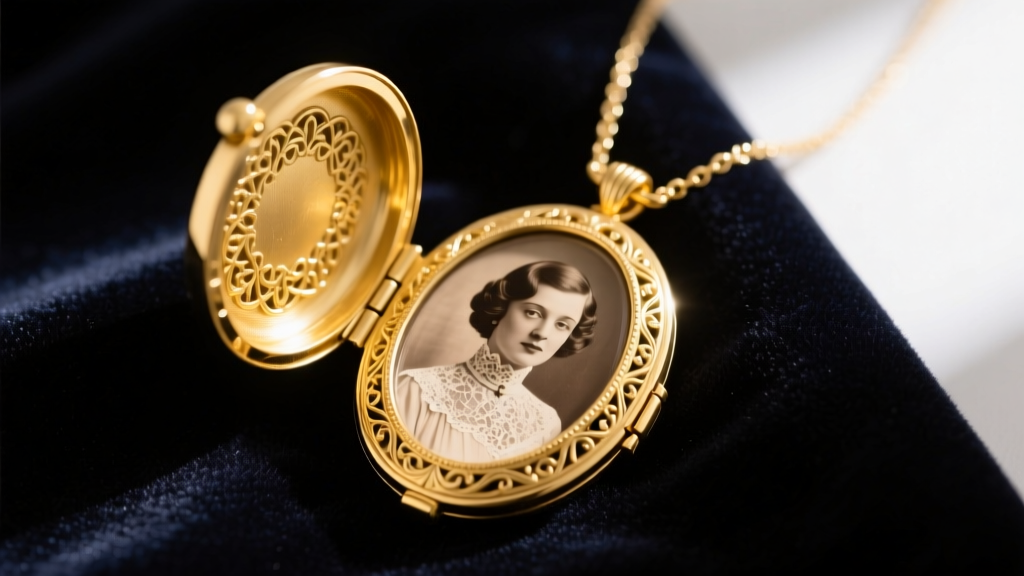
In an era dominated by digital galleries and cloud storage, the tactile intimacy of a gold locket necklace with picture has experienced a massive renaissance. As we navigate the jewelry landscape in 2026, consumers are increasingly seeking out heritage pieces and customizable keepsakes that offer emotional grounding. However, not all lockets are created equal. The difference between a fleeting fashion accessory and a multi-generational heirloom lies in the microscopic details: the metallurgy of the hinge, the precision of the photo bezel, and the structural integrity of the chain. This comprehensive buying guide will equip you with the technical knowledge required to select a gold locket that will safely house your most cherished memories for decades to come.
The Anatomy of a Heirloom-Grade Locket
When evaluating a locket, the untrained eye focuses on the exterior engraving, while a jeweler immediately inspects the mechanical joints. A locket is essentially a micro-vault, and its hardware must withstand thousands of articulation cycles.
Hinge Mechanics
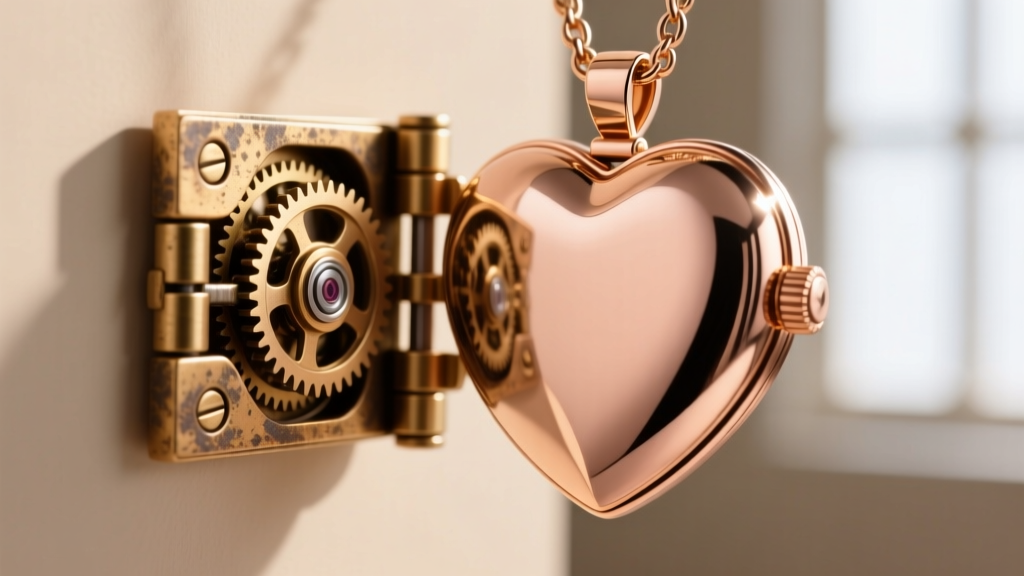
Mass-produced lockets typically utilize a single rivet pin hinge. Over time, the friction of opening and closing causes the soft gold around the pin to wear away, leading to a loose, wobbly door that eventually snaps off. Premium lockets employ a continuous piano hinge or a dual-pin hidden hinge. These mechanisms distribute the mechanical stress across a wider surface area, ensuring the door remains perfectly aligned with the base plate indefinitely.
The Closure System
Avoid lockets that rely on magnetic clasps to stay shut; magnets lose their polarity over time and attract metallic dust, which can scratch the interior photo frames. Instead, look for a friction catch (often called a snap closure). When you close a high-quality friction catch locket, you should hear and feel a distinct, satisfying "click." This indicates that a precisely milled lip on the door is securely engaging with a tensioned groove on the base.
Decoding Gold Purity for Locket Durability
Gold purity, measured in karats, dictates not only the color and price of the necklace but also its structural viability. Pure gold (24k) is far too malleable for functional jewelry mechanisms. According to the Gemological Institute of America (GIA), alloying gold with metals like copper, silver, and zinc is essential to achieve the Vickers hardness required for locket hinges and clasps.
| Karat | Gold Content | Durability & Hinge Strength | Best Use Case |
|---|---|---|---|
| 10K Gold | 41.7% | Extremely high; very resistant to bending and scratching. | Everyday wear, budget-friendly, active lifestyles. |
| 14K Gold | 58.3% | The industry sweet spot; excellent balance of rich color and mechanical strength. | Heirloom pieces, daily wear, intricate hinge mechanisms. |
| 18K Gold | 75.0% | Softer; requires thicker metal casting and reinforced hinge barrels. | Luxury gifts, special occasion wear, deep hand-engraving. |
| 22K / 24K | 91.6% - 99.9% | Too soft for moving parts; hinges will warp under minimal pressure. | Stationary pendants, display pieces, cultural investments. |
Expert Tip: If you desire the rich, buttery yellow hue of 18k or 22k gold, look for a locket featuring a "bimetal" construction, where the exterior shell is high-karat gold, but the internal hinge and closure mechanisms are engineered from hardened 14k gold or platinum.
How to Perfectly Size and Insert Your Picture
The most common point of failure for a gold locket necklace with picture is improper photo insertion, which can lead to torn edges, moisture damage, or a jammed closure. Modern lockets generally utilize one of two interior framing systems:
Friction Fit vs. Adhesive Backing
- Friction Fit (Bezel Frames): The locket features interior metal rings that press down over the edges of the photo. This is the superior archival method, as it allows you to swap pictures without damaging them. You must cut your photo slightly larger than the visible window so the bezel can grip the excess paper.
- Adhesive Backing: Common in vintage or ultra-slim lockets, requiring you to glue the photo directly to the metal plate. Never use standard superglue or acidic craft glues, as the off-gassing will chemically degrade the photograph, causing severe yellowing within months. Use a pH-neutral, archival-quality photo mounting square.
Paper Weight and Cutting Precision
Standard printer paper (80gsm) is too thin and will curl inside the locket due to ambient humidity. Opt for a matte-finish photo paper between 180gsm and 220gsm. To achieve a factory-perfect cut, avoid freehand scissors. Instead, use a digital templating app to map the exact millimeter dimensions of your locket's window (e.g., 20mm x 25mm for standard ovals), or invest in a specialized steel locket photo punch tool that stamps out perfectly shaped inserts in a single press.
Selecting the Right Chain to Support the Locket
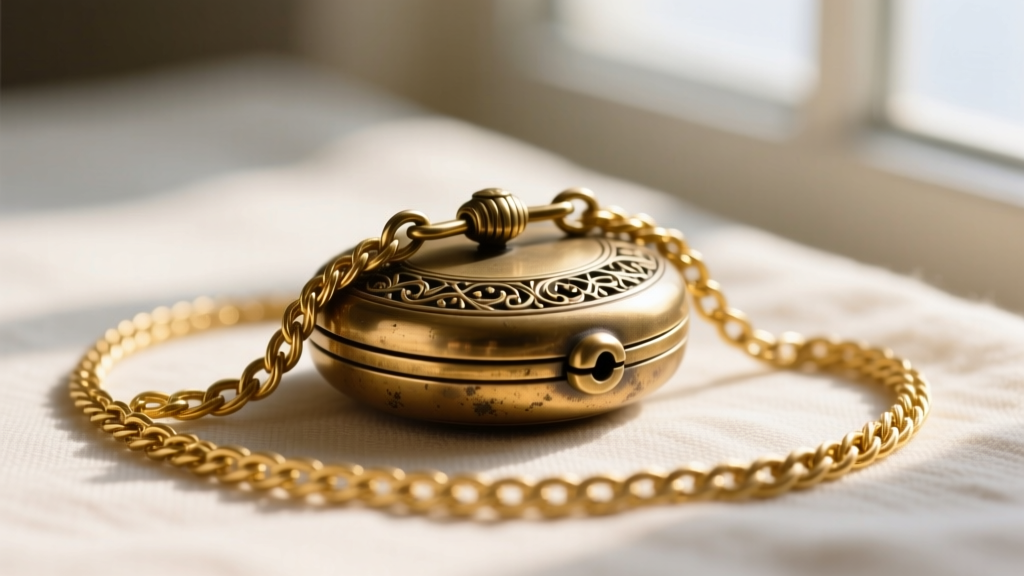
A solid gold locket is surprisingly dense, typically weighing between 4 grams and 12 grams. Pairing a heavy locket with a delicate, hollow chain is a recipe for disaster. The chain's break-strength must be rated for at least three times the weight of the pendant to account for the kinetic shock of sudden movements.
Recommended Chain Styles for Lockets
- Rope Chain (1.2mm - 1.8mm): The twisted links offer exceptional tensile strength and a brilliant light reflection that complements the locket's polished surface.
- Box Chain (1.5mm - 2.0mm): Geometric and highly structured, box chains resist kinking and distribute the pendant's weight evenly across the collarbone.
- Wheat Chain (1.2mm - 1.5mm): Woven from oval links in a single direction, wheat chains are incredibly resilient and offer a vintage aesthetic that perfectly matches heritage-style lockets.
Chains to Avoid: Snake chains and herringbone chains. Both styles are notoriously prone to permanent kinking and lack the structural flexibility required to support a swinging, weighted pendant without eventually fracturing at the clasp connection point.
Archival Preservation and Maintenance
Preserving the physical photograph inside a gold locket requires mitigating environmental threats. The National Archives emphasizes that fluctuating humidity and skin oils are the primary catalysts for photographic degradation.
"Photographs should be handled with clean, dry hands or cotton gloves to prevent the transfer of skin oils, which can cause irreversible staining and emulsion breakdown over time."
To protect the image inside your locket, consider applying a micro-thin layer of archival-grade, UV-blocking mylar over the photo before inserting it into the bezel. Furthermore, store the necklace in an anti-tarnish cloth pouch with a silica gel desiccant packet when not in wear. This prevents moisture from becoming trapped inside the locket cavity, which could otherwise cause the photo paper to warp and press against the interior glass or metal, leading to emulsion transfer.
Final Verdict: Investing in a Timeless Keepsake
Finding the ideal gold locket necklace with picture is an exercise in balancing aesthetic beauty with mechanical engineering. By prioritizing 14k or 18k gold for optimal hinge durability, demanding a precision friction-catch closure, and utilizing archival-grade photo paper cut to exact millimeter specifications, you elevate a simple piece of jewelry into an indestructible vessel for your family's history. Whether you are commemorating a milestone, preserving a legacy, or simply keeping a loved one close to your heart, a meticulously chosen locket will outlast the fleeting trends of the moment and remain a cherished artifact for generations.


