How to Clean and Care for Your Diamond Simple Necklace
Learn expert techniques to clean, maintain, and protect your diamond simple necklace. Discover safe solutions, prong checks, and storage tips.

The Anatomy of a Diamond Simple Necklace: Why Care Matters
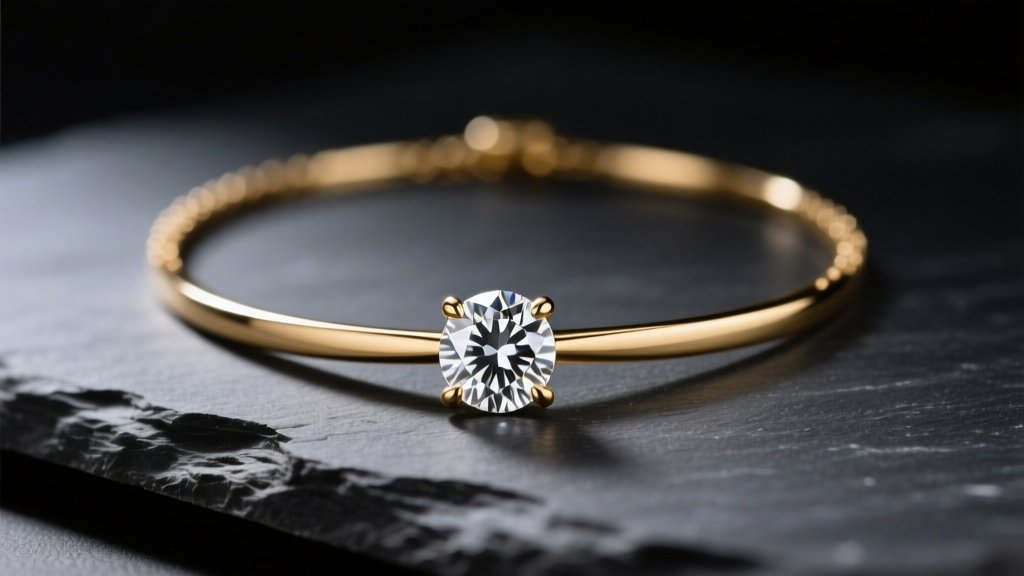
A diamond simple necklace—often featuring a solitary brilliant-cut stone suspended from a delicate cable or box chain—is a cornerstone of modern jewelry wardrobes. Whether you wear a 0.25-carat bezel-set pendant or a 1.00-carat four-prong martini solitaire, the minimalist design places the entire visual focus on the diamond's optical performance. However, this simplicity also means there is nowhere for dirt, oils, and environmental grime to hide. When a diamond's facets become coated in microscopic debris, its refractive index (2.42) is compromised, resulting in light leakage and a dull, lifeless appearance.
Proper maintenance goes beyond mere aesthetics. The structural integrity of the setting, the durability of the chain links, and the mechanical function of the clasp all require specific, informed care. According to the Gemological Institute of America (GIA), routine and correct cleaning is the single most effective way to preserve both the brilliance and the physical security of your diamond jewelry.
The Science of Diamond Soil: Understanding Oleophilicity
To clean a diamond effectively, you must understand its chemical nature. Diamonds are highly oleophilic (oil-attracting) and hydrophobic (water-repelling). This means they naturally bond with the sebum from your skin, the oils in your cosmetics, and even the aerosolized fats from cooking. Over time, this oily film acts as a magnet for microscopic dust and dead skin cells, creating a hardened, opaque layer on the pavilion (the bottom half) of the diamond.
Because a diamond simple necklace rests directly against the décolletage, it is constantly exposed to body lotions, perfumes, and sweat. The salts in human sweat can also accumulate in the tiny crevices of the setting, leading to long-term corrosion of the alloy metals used in 14k and 18k gold chains.
Step-by-Step Cleaning Protocol for Maximum Brilliance
Forget harsh commercial dips and abrasive home remedies. The safest, most effective method for restoring a diamond's fire requires only a few household items and a gentle touch.
1. The Degreasing Soak
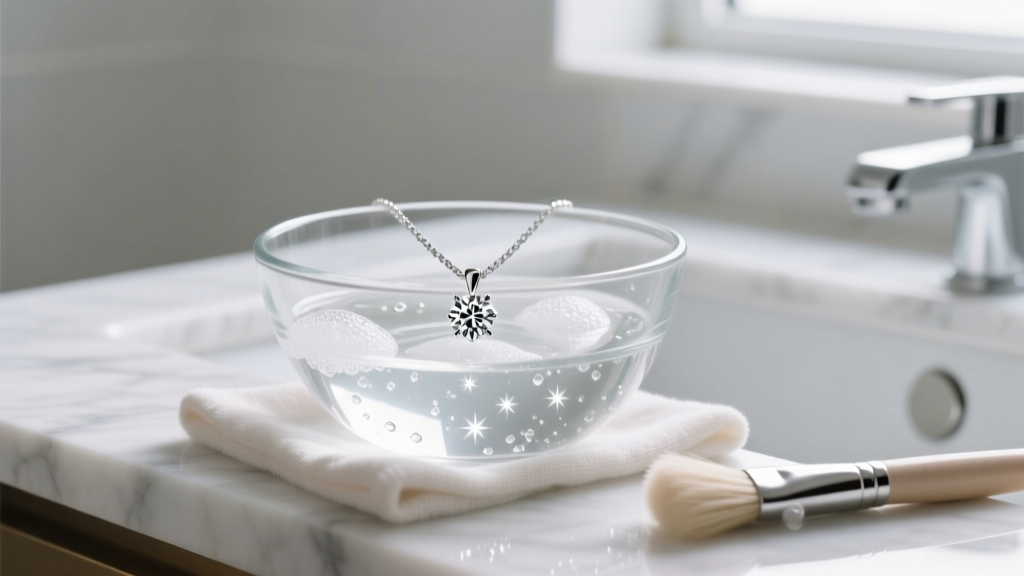
Fill a small glass bowl with warm (not hot) water. Add three to four drops of a mild, non-detergent liquid dish soap (such as Dawn Platinum). Submerge your diamond simple necklace and let it soak for 15 to 20 minutes. The surfactants in the soap will break the surface tension of the oils, lifting them away from the diamond's facets and the metal setting.
2. The Agitation Phase
Remove the necklace from the solution. Using an extra-soft baby toothbrush, gently brush the diamond. Pay special attention to the pavilion and the culet (the bottom point), where oil accumulates most heavily. Never use a standard adult toothbrush, as the stiffer bristles can inflict micro-scratches on softer gold alloys, particularly 18k and 22k gold.
3. The Precision Rinse and Dry
Rinse the necklace under a gentle stream of lukewarm water. To prevent losing the piece down the drain, always place a silicone sink stopper or a fine mesh strainer over the drain before rinsing. Pat the necklace dry with a lint-free microfiber cloth. Avoid air-drying, as the minerals in tap water will leave hard water spots on the diamond's table facet.
What to Avoid: Chemical and Mechanical Failure Modes
Many well-intentioned cleaning methods actually cause catastrophic damage to fine jewelry. The following table outlines common hazards and their specific effects on the materials typically used in a diamond simple necklace.
| Hazard Agent | Effect on Diamond | Effect on 14k/18k Gold | Effect on Platinum |
|---|---|---|---|
| Chlorine / Bleach | No damage | Causes stress corrosion cracking; destroys copper/zinc alloys | No chemical damage, but weakens solder joints |
| Ultrasonic Cleaners | Safe for untreated stones; shatters fracture-filled diamonds | Can loosen stones if settings are already worn | Safe, but may dull the polished finish over time |
| Toothpaste / Baking Soda | No damage (diamond is 10 on Mohs scale) | Severely scratches and dulls the metal surface | Creates deep, difficult-to-remove micro-scratches |
| Hairspray / Perfume | Creates a cloudy, opaque film on facets | Accelerates tarnishing in lower-karat gold | Leaves a sticky residue that attracts dust |
As noted by Jewelers of America, ultrasonic cleaners should only be used if you are absolutely certain your diamond has not been clarity-enhanced via fracture filling, and that the prongs are completely secure. For daily maintenance of a diamond simple necklace, the manual soap-and-water method remains the gold standard.
Prong and Bail Maintenance: Preventing Catastrophic Loss
The most common point of failure in a solitaire pendant is not the diamond itself, but the metal holding it. A standard four-prong setting relies on less than a millimeter of metal to secure a stone worth hundreds or thousands of dollars.
The Cotton Swab Snag Test
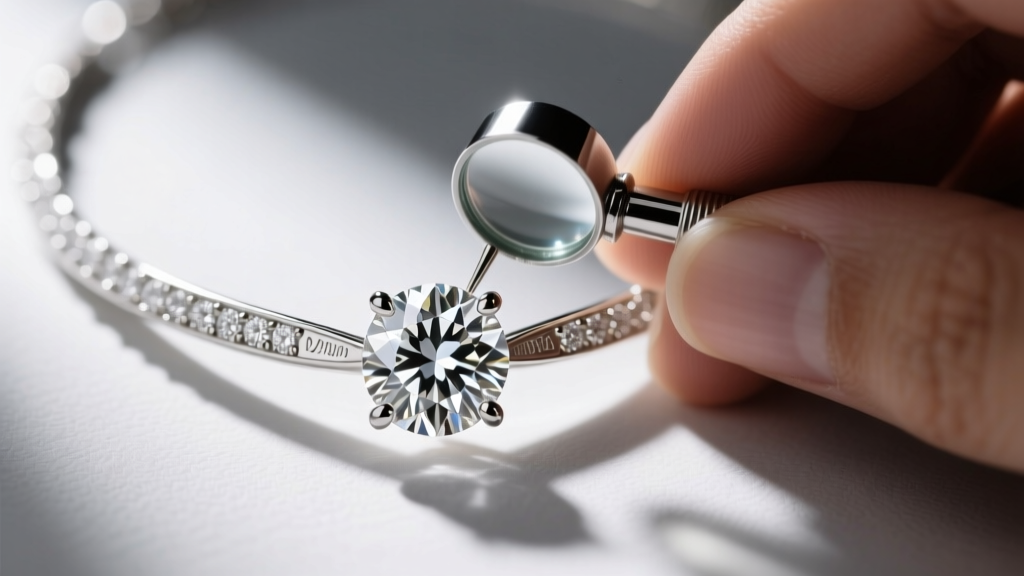
Once a month, perform a tactile inspection of your pendant's prongs. Take a cotton swab or a piece of fine silk and gently run it over the crown of the diamond. If the cotton snags or pulls, it indicates that a prong has lifted or worn thin. A lifted prong will eventually catch on a sweater or towel, pulling the metal back far enough for the diamond to fall out.
Bail Friction and Wear
The bail—the loop that connects the pendant to the chain—experiences constant kinetic friction. Over years of wear, the chain can literally saw through the bottom of a thin gold bail. Inspect the interior of the bail for deep grooves. If the metal is worn more than halfway through, take the necklace to a jeweler to have a new, heavier bail soldered on before the pendant separates from the chain.
Chain Care and Clasp Mechanics
The chain of a diamond simple necklace is typically a delicate cable, rolo, or box chain, ranging from 0.8mm to 1.5mm in thickness. These fine links are prone to kinking if stored improperly or pulled with excessive force.
Clearing the Clasp Mechanism
Most simple necklaces utilize a spring-ring clasp. Inside this tiny circular mechanism is a microscopic steel spring. When lotions, dead skin, and soap scum build up inside the clasp, the spring becomes sluggish, preventing the clasp from snapping fully shut. This is a primary cause of lost necklaces. To fix this, use a wooden toothpick to gently scrape out the crevice of the clasp, then soak it in rubbing alcohol for five minutes to dissolve the remaining oils. Work the lever back and forth until it snaps crisply.
Proper Storage and Daily Wear Rules
'A diamond is the hardest natural material on earth, which means it is perfectly capable of scratching the gold chain it hangs from, as well as any other jewelry it touches in your box.' — Master Bench Jeweler
Because diamonds rank a 10 on the Mohs hardness scale, they will easily abrade 14k gold (which ranks around 2.5 to 3). Never toss your diamond simple necklace into a communal jewelry box. The diamond will act like a microscopic file, scratching the delicate chain links and dulling the metal's polish.
Store the necklace flat in an individual polyethylene ziplock bag or a soft flannel pouch. Suspend the clasp outside the bag to prevent it from pressing against the chain. If you travel, use a jewelry roll with dedicated, padded compartments to prevent the chain from tangling and knotting, which can weaken the microscopic solder points on the links.
When to Seek Professional Jewelry Servicing
While home cleaning is excellent for removing oils and dust, it cannot address structural wear or metal oxidation. You should take your diamond simple necklace to a professional jeweler once every 12 to 18 months for a comprehensive service. This should include:
- Prong Re-tipping: Adding fresh metal to worn prongs using a laser welder, which is safer for the diamond than traditional torch soldering.
- Rhodium Re-plating: If your necklace is crafted from white gold, the rhodium plating will eventually wear off, revealing the slightly yellowish underlying alloy. A professional can re-plate the piece to restore its bright white luster.
- Chain Soldering: Repairing any micro-fractures in the chain links before they snap under the weight of the pendant.
By combining a disciplined, gentle home cleaning routine with annual professional inspections, your diamond simple necklace will retain its structural security and optical brilliance for a lifetime, remaining a flawless staple in your everyday wardrobe.


