Pearl Necklace Meaning: Sexual Slang vs. Real Jewelry Value
Unpacking the pearl necklace meaning, sexual slang origins, and a 2026 budget guide to buying authentic Freshwater, Akoya, and South Sea pearl jewelry.

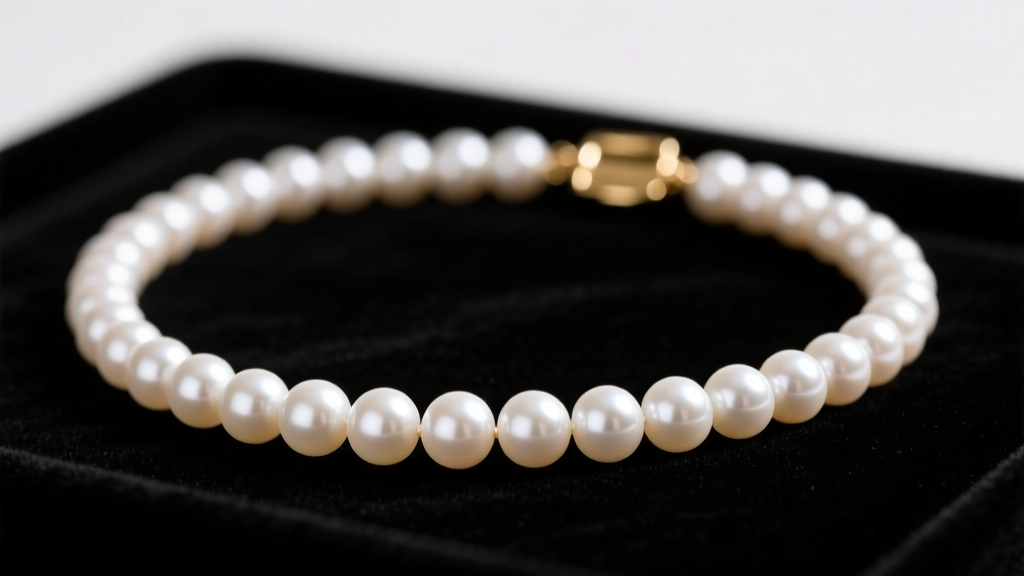
The Internet's Favorite Double Entendre: Addressing the Slang
Every year, thousands of internet searches are driven by a very specific, non-gemological query: the pearl necklace meaning sexual connotation. Originating from decades-old underground slang and popularized by internet forums, comedy routines, and viral memes, the term refers to a specific sexual act rather than fine jewelry. As a leading jewelry style guide, we must acknowledge this massive search intent divergence. However, once the cultural joke is understood, it is crucial to pivot back to the actual, tangible value of pearl necklaces in the modern market.
While the slang term dominates casual internet searches, the gemological reality of pearls is rooted in timeless elegance, complex organic formation, and significant financial value. In 2026, the pearl market is experiencing a renaissance, driven by sustainable farming techniques and a renewed appreciation for classic, layered aesthetics. If you are looking to invest in a real pearl necklace, understanding how to assess budget and value is essential to avoid overpaying for inferior strands.
Real Pearl Necklaces: 2026 Market Value & Budget Tiers
When assessing the budget for a pearl necklace, the origin and cultivation method dictate the baseline price. The market is broadly divided into freshwater and saltwater categories, each with distinct pricing structures. According to the Gemological Institute of America (GIA), the rarity of the cultivation environment directly impacts the final retail value.
| Pearl Type | Primary Origin | Typical Size | Minimum Nacre | 2026 Budget Range (18") |
|---|---|---|---|---|
| Freshwater | China | 7-12mm | Solid Nacre | $150 - $800 |
| Akoya | Japan / Vietnam | 6-9mm | 0.40mm | $800 - $3,500 |
| Tahitian | French Polynesia | 8-14mm | 0.80mm | $1,500 - $10,000 |
| South Sea | Australia / Indonesia | 10-20mm | 2.00mm | $5,000 - $30,000+ |
How to Assess Pearl Value on a Budget (The 5 Virtues)
To accurately assess a pearl necklace's value, gemologists use a specific set of criteria. When shopping on a budget, you must know which factors to prioritize and which to compromise on.
1. Luster: The Ultimate Dealbreaker
Luster is the sharpness and intensity of light reflecting off the pearl's surface. A high-quality Akoya pearl will have a "mirror-like" luster, allowing you to see a crisp reflection of your own eye in the surface. Chalky or dull pearls, often the result of premature harvesting, should be avoided entirely, regardless of how low the price is. The GIA Pearl Quality Factors guide emphasizes that luster is the single most important determinant of a pearl's beauty and value.
2. Surface Cleanliness (AAA vs. AA+)
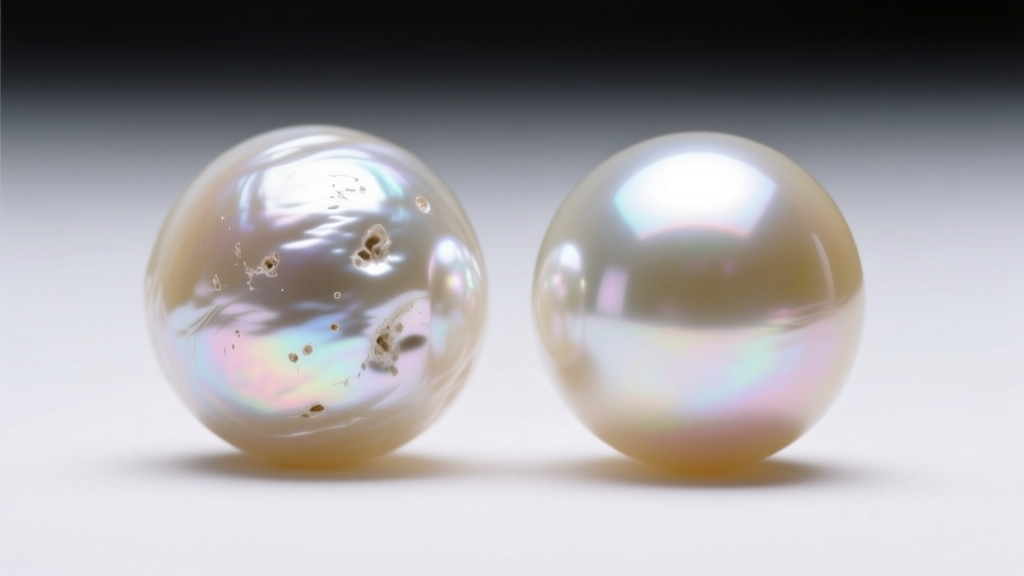
Pearls are organic gems, meaning completely flawless surfaces are exceptionally rare. On a budget, aim for AA+ or AAA grades. AA+ pearls may have minor blemishes visible upon close inspection, but they appear clean to the naked eye when worn. Avoid pearls with deep cracks, chalky spots, or severe pitting, as these structural flaws compromise the nacre's integrity and longevity.
3. Nacre Thickness: The Longevity Factor
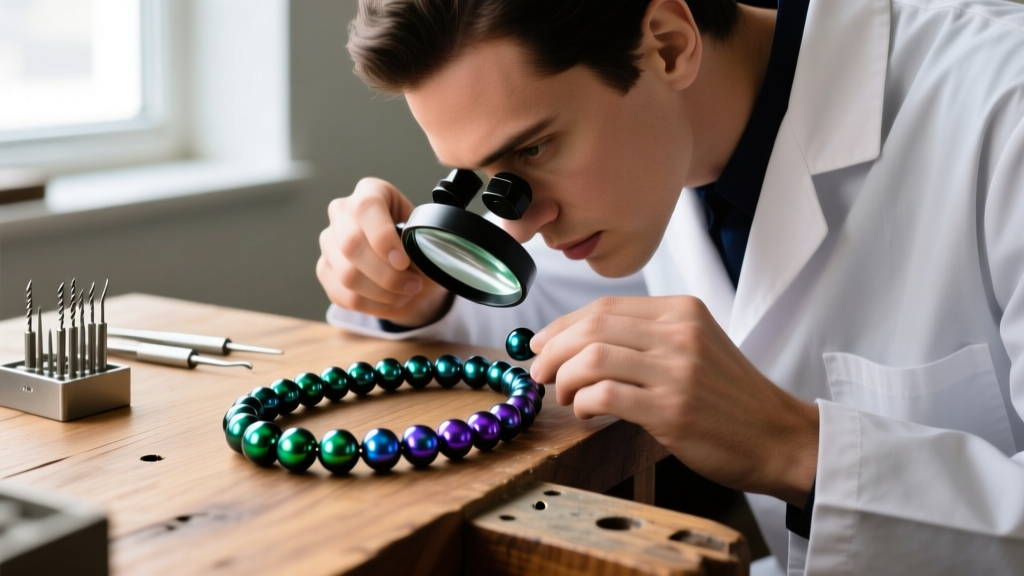
Nacre is the crystalline substance the oyster secretes to form the pearl. For saltwater pearls like Akoya, the nacre is grown over a spherical shell bead nucleus. If the nacre is too thin (under 0.3mm), it will eventually peel or crack, rendering the necklace worthless. Always demand a minimum of 0.4mm nacre thickness for Akoya pearls. You can often assess this by looking closely at the drill hole under magnification to see where the nacre ends and the shell bead begins.
4. Shape and Symmetry
Perfectly round pearls command the highest premiums. However, if your budget is strict, consider "near-round" or symmetrical "oval/drop" shapes. They offer excellent visual appeal at a 20% to 40% discount compared to perfectly spherical strands. Baroque (irregular) pearls are the most budget-friendly and have surged in popularity for modern, avant-garde layering styles.
Freshwater vs. Saltwater: Where Should Your Budget Go?
Historically, freshwater pearls were considered inferior, rice-shaped alternatives to saltwater gems. That is no longer true in 2026. Modern Chinese freshwater farming produces "Edison pearls"—bead-nucleated freshwater pearls that can reach 14mm in diameter with intense, metallic lusters.
Pro-Tip: A high-grade metallic Edison freshwater pearl strand can mimic the visual impact of a $15,000 South Sea necklace for under $600, making it the ultimate budget hack for value-driven buyers.
However, if you are seeking the classic, sharp, mirror-like reflection that defined 20th-century elegance, Japanese or Vietnamese Akoya pearls remain the gold standard. They hold their resale value better than freshwater pearls and are the preferred choice for heirloom investments.
Smart Buying Strategies and Red Flags
- Check the Knotting: Authentic, valuable pearl necklaces are individually knotted on silk or high-tensile synthetic thread. This prevents pearl-on-pearl abrasion and ensures that if the strand breaks, you only lose one pearl. If the pearls are strung without knots, it is a major red flag indicating cheap mass-production.
- Examine the Clasp: A high-value necklace will feature a secure 14k or 18k gold clasp, often a box clasp with a safety figure-eight latch. Sterling silver is acceptable for mid-tier freshwater strands, but base metals or plated brass should be avoided.
- Request Certifications: For premium Akoya pearls, look for a Hanadama certificate from the Pearl Science Laboratory of Japan. This guarantees the highest tier of luster, surface quality, and a minimum nacre thickness of 0.4mm.
- Beware of "Shell Pearls": Often sold in tourist destinations, shell pearls are manufactured by grinding up oyster shells, mixing them with dye and resin, and coating them in a synthetic lacquer. They are essentially painted beads and hold zero gemological value.
Final Verdict: Investing in Authentic Elegance
While internet culture may continue to propagate the pearl necklace meaning sexual slang, the true legacy of the pearl necklace remains firmly rooted in sophistication, organic rarity, and enduring financial value. By understanding nacre thickness, prioritizing luster over perfect roundness, and leveraging modern freshwater innovations, you can acquire a stunning, authentic pearl necklace that fits your budget without compromising on heirloom quality.


