Mother of Pearl Four Leaf Clover Necklace: Ultimate Buying Guide
Discover how to choose the perfect mother of pearl four leaf clover necklace. Learn about shell grading, metal settings, and pricing in our expert guide.


The Enduring Allure of the Clover Motif
The four-leaf clover has transcended its origins as a simple symbol of luck to become one of the most recognizable and coveted motifs in fine jewelry. When paired with the ethereal, iridescent glow of mother of pearl (MOP), the result is a piece that balances organic beauty with structured elegance. However, the market is flooded with everything from $50 fashion replicas to $10,000 luxury heritage pieces. Understanding the nuances of shell grading, metal purity, and structural integrity is essential before making an investment. This comprehensive buying guide will equip you with the gemological and structural knowledge needed to select a mother of pearl four leaf clover necklace that offers both lasting beauty and genuine value.
Decoding Mother of Pearl: Grading and Quality
Mother of pearl, or nacre, is the iridescent inner layer of certain mollusk shells. Unlike pearls, which are spherical, MOP is cut into flat cabochons or custom shapes—like the iconic four-leaf clover. The quality of the shell dramatically impacts the pendant's visual depth and structural durability.
The Shell Species
High-end clover necklaces typically utilize the Pinctada maxima (South Sea pearl oyster) or Pinctada margaritifera (Tahitian black-lipped oyster). White clover pendants are almost exclusively carved from the thick, luminous lips of the Pinctada maxima. According to the Gemological Institute of America (GIA), the thickness and structural density of the nacre are paramount. For a carved clover shape, the MOP slice must be at least 1.5mm to 2.0mm thick. Anything thinner is highly prone to cracking, especially at the narrow "waist" between the clover leaves.
Visual Grading Standards
While MOP does not have the rigid grading system of diamonds, luxury jewelers evaluate it on three fronts:
- AAA Grade (Gem Quality): Flawless surface with zero chalky spots, pits, or visible growth lines. Exhibits deep, multi-tonal iridescence (often flashing pink, green, or silver overtones) when tilted in the light.
- AA Grade (Good Quality): High luster but may have very minor, microscopic surface blemishes or slightly less vibrant overtone saturation.
- A Grade (Commercial): Appears chalky, opaque, or flat white. Often treated with bleaches or dyes to mask poor natural color. Avoid these for fine jewelry.

Metal Settings: What Holds Your Clover Together?
The metal framework of a mother of pearl four leaf clover necklace is just as critical as the shell itself. It dictates the piece's longevity, skin compatibility, and overall aesthetic. When evaluating the setting, you must consider both the metal purity and the structural design.
Bezel vs. Prong Settings
For MOP, a bezel setting (where a continuous rim of metal wraps around the edge of the stone) is vastly superior to a prong setting. Mother of pearl ranks at a mere 2.5 to 4.5 on the Mohs hardness scale, making its edges highly susceptible to chipping. A bezel protects these vulnerable points. Prong settings, while allowing more light to enter the stone, leave the edges exposed and can easily snag on knitwear, potentially popping the fragile inlay out of its mount.
Metal Purity and Plating Standards
The Federal Trade Commission (FTC) strictly regulates jewelry metal markings. Here is what you should look for based on your budget and lifestyle:
| Metal Type | Durability & Traits | Ideal For | Expected Price Range |
|---|---|---|---|
| 18k Solid Gold (750) | Highly durable, rich yellow hue, hypoallergenic. Will not tarnish. | Heirloom investments, daily wear, luxury buyers. | $3,500 - $8,000+ |
| 14k Solid Gold (585) | Excellent durability, slightly paler yellow, highly resistant to scratching. | Everyday wear, active lifestyles, mid-tier budgets. | $800 - $2,500 |
| Gold Vermeil (Sterling Base) | Must have 2.5 microns of gold over sterling silver. Tarnish-resistant base. | Fashion-forward buyers, occasional wear. | $150 - $400 |
| Gold Plated (Brass/Copper Base) | Thin flash plating. Base metal will oxidize and turn skin green once worn through. | Costume jewelry, trend-chasing (Not recommended). | $30 - $90 |
Chain Mechanics and Proportions
A common failure point in clover necklaces is the chain. The four-leaf clover pendant, especially when framed in solid gold, carries significant weight (often between 4 to 12 grams). Delicate, thread-like chains will stretch, snap, or distort the clasp over time.
Look for chains with a wire gauge thickness of at least 1.0mm to 1.2mm. The Rolo chain and the Box chain are the most structurally sound choices for heavier pendants, as their interlocking geometric links distribute weight evenly. Furthermore, ensure the pendant features a properly sized bail or integrated jump ring that moves freely, preventing friction wear against the chain links.
Spotting Fakes and Imitations
Because the clover motif is heavily replicated, the market is saturated with counterfeit and imitation pieces. Here is a practical framework for verifying authenticity:
- The Temperature Test: Genuine mother of pearl feels distinctly cool to the touch and takes a few seconds to warm up against your skin. Plastic or resin imitations will immediately feel room-temperature or warm.
- The Back Inspection: Flip the pendant over. Authentic MOP will show a slightly pearly or matte shell back, sometimes with faint natural growth striations. Fakes often have a flat, painted metallic back, or a perfectly uniform plastic backing.
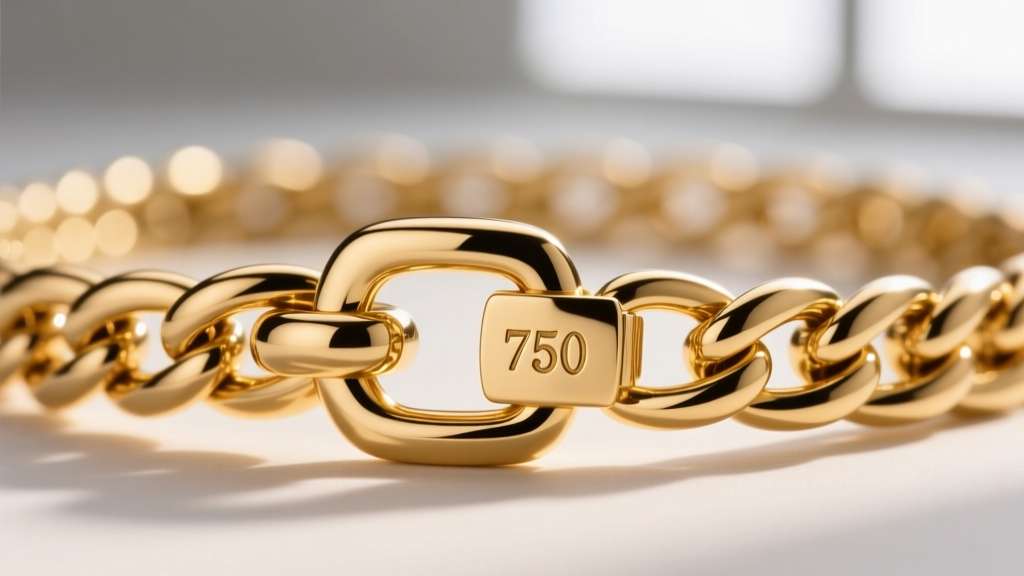
- Hallmark Verification: Use a jeweler's loupe to inspect the clasp and the back of the pendant bail. Look for crisp, deep stamps like "750", "18k", or "925". Blurry, shallow, or missing stamps are immediate red flags.
- The Weight Factor: Solid gold and genuine shell have a specific density. If the pendant feels suspiciously light or hollow, it is likely gold-plated brass with a glass or resin inlay.
Care and Maintenance for Lasting Luster
Mother of pearl is an organic gemstone, meaning it is highly sensitive to chemicals and extreme dryness. To maintain the iridescent glow of your clover necklace, adhere to these strict care protocols:
- Avoid Ultrasonic Cleaners: The high-frequency vibrations can easily fracture the MOP or shake it loose from its bezel setting.
- Chemical Avoidance: Perfumes, hairsprays, and chlorine can strip the nacre's natural luster, leaving it dull and chalky. Always put your necklace on after applying cosmetics.
- Proper Cleaning: Wipe the pendant gently with a soft, lint-free microfiber cloth dampened with warm water and a drop of mild, phosphate-free dish soap. Dry immediately.
- Storage: Store the necklace flat in a soft pouch. Do not toss it into a jewelry box where harder gemstones (like diamonds or sapphires) can scratch the MOP surface.
"When investing in organic gemstones like mother of pearl, the structural integrity of the setting is just as important as the beauty of the stone. A well-crafted bezel in solid gold ensures the piece survives generations of wear."
Final Verdict: Making the Right Choice
A mother of pearl four leaf clover necklace is more than a fleeting trend; it is a versatile staple that bridges the gap between daytime casual and evening elegance. By prioritizing AAA-grade shell thickness, opting for protective bezel settings, and investing in solid gold or high-micron vermeil, you ensure your necklace remains a luminous symbol of luck and sophistication for years to come. Always purchase from reputable jewelers who provide transparent material disclosures and clear hallmarking, guaranteeing your investment is as authentic as the luck it represents.


