Cross and Crown Necklace Troubleshooting: Tarnish and Snag Fixes
Learn how to troubleshoot your cross and crown necklace. Expert fixes for tarnished metals, bent crown prongs, loose stones, and chain breakage.

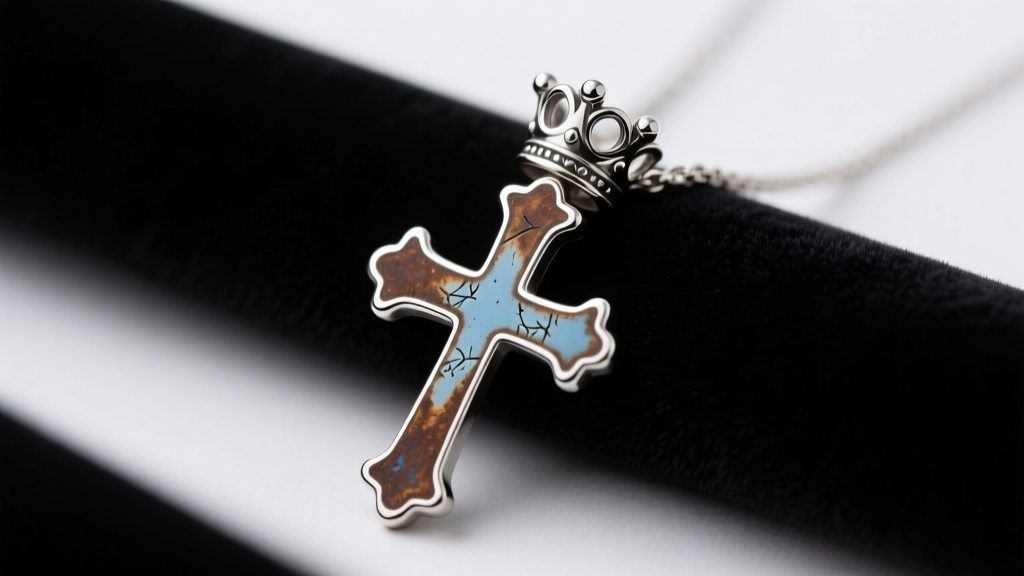
The cross and crown necklace is a staple of streetwear, gothic fashion, and religious expression. However, its complex silhouette—combining sharp cruciform edges with delicate crown prongs and protruding gemstones—makes it uniquely prone to mechanical damage and chemical degradation. Unlike simple geometric pendants, the intersecting planes of a cross and crown design create multiple stress points, snag hazards, and moisture traps. Whether you are wearing a heavy die-cast zinc alloy piece or a delicate 14k gold vermeil pendant, understanding the metallurgical and structural vulnerabilities of your jewelry is essential for long-term preservation. This comprehensive troubleshooting guide addresses the most common failure modes of cross and crown necklaces and provides actionable, expert-level solutions to restore them.
The Anatomy of a Cross and Crown Necklace Failure
To effectively troubleshoot your jewelry, you must first understand why this specific design fails more frequently than standard pendants. The primary culprit is kinetic friction combined with uneven weight distribution. A standard 18-inch cable chain is often 20-gauge (0.81mm thick). When you suspend a heavy, multi-component cross and crown pendant (which can easily weigh between 12 and 18 grams) on a chain this thin, the bail—the loop connecting the pendant to the chain—bears the brunt of the shear force.
Furthermore, the crown element typically features V-prongs or round prongs holding small cubic zirconia or glass stones. These prongs are notorious for catching on knitwear and cotton threads. When a prong snags, the sudden tensile shock can bend the metal, loosen the stone bearing, or even snap the bail entirely if the chain is caught. According to the Gemological Institute of America (GIA), regular inspection of prong tension and bail thickness is the single most effective way to prevent catastrophic jewelry loss.
Troubleshooting Tarnish and Metal Discoloration
Tarnish is a chemical reaction, not dirt. If your cross and crown necklace is crafted from 925 sterling silver, the 7.5% copper alloy mixed with the silver reacts with hydrogen sulfide in the air to form silver sulfide—a black, crusty layer that obscures the intricate details of the cross and crown motif. However, cleaning a complex pendant requires extreme caution, especially if the crown features glued-in rhinestones.
Many owners make the fatal mistake of using ultrasonic cleaners. The high-frequency cavitation bubbles in an ultrasonic bath will easily shatter glass stones and dissolve the industrial adhesives used to set crown jewels, leaving you with empty prongs and ruined gems. Instead, rely on targeted chemical and mechanical cleaning methods based on your metal grade.
| Metal Composition | Tarnish Rate | Safe Cleaning Method | Stone Setting Risk |
|---|---|---|---|
| 925 Sterling Silver | High (months) | Silver polishing cloth, mild dish soap | Prong/Bead (Safe if no glue is used) |
| 14k Gold Vermeil (2.5μm) | Low (years) | Microfiber cloth, zero abrasives | High (Heat/ultrasonic strips gold layer) |
| 316L Stainless Steel | None | Ultrasonic, isopropyl alcohol | Glued (Ultrasonic vibrates glue loose) |
| Brass Base w/ Plating | High (weeks) | Dry cloth only, avoid all moisture | Glued (Moisture causes base metal rot) |
For heavily tarnished sterling silver crevices where a cloth cannot reach, use a soft-bristled baby toothbrush dipped in a paste of baking soda and water. Gently work the paste into the intersection of the cross and the crown base, rinse with distilled water, and immediately dry with a compressed air duster to prevent water spots.
Fixing Snags, Bent Prongs, and Loose Stones
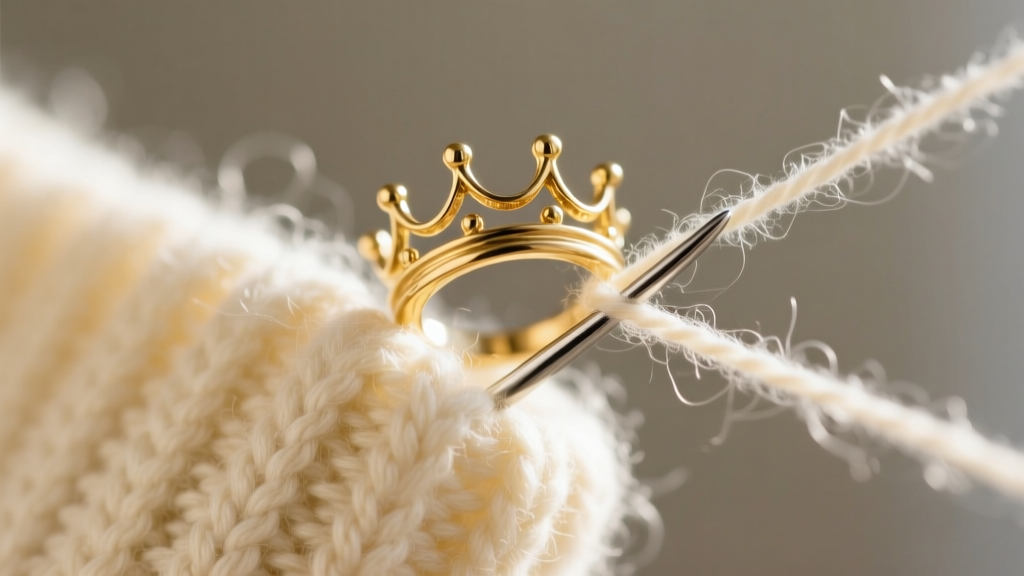
If your crown pendant constantly catches on your clothing, you likely have a lifted prong. Over time, the friction of daily wear pulls the metal tip away from the stone's girdle. Attempting to push the prong back down with your fingers will not generate enough localized pressure and will only work-harden the metal, making it brittle and prone to snapping.
To fix a bent prong at home, you need the correct tools. Never use standard steel flat-nose pliers directly on gold vermeil or silver, as the serrated teeth will gouge the soft metal and strip the plating. Instead, use nylon-jaw pliers or a dedicated bezel pusher. Place the pendant on a soft leather bench block. Position the flat edge of the bezel pusher against the side of the prong (not the top tip) and apply firm, downward, and inward pressure to reseat the metal over the stone.
If the stone has already fallen out, inspect the 'seat' (the tiny shelf the stone rests on). If the seat is stripped or uneven, adhesive alone will fail. For a temporary home repair, clean the setting with isopropyl alcohol and apply a microscopic drop of G-S Hypo Cement using its precision needle tip. Avoid E6000 for stones smaller than 3mm, as its thick viscosity will spill over the crown's edges and create a cloudy, unremovable mess.
Chain and Bail Wear: Preventing Pendant Loss
The bail is the unsung hero of any necklace, and on a cross and crown pendant, it is a high-wear component. Inspect the inside of your bail hole. If the circular hole has become oval-shaped, the metal is approximately 80% worn through. Continuing to wear the necklace in this state will result in the bail slicing through, dropping your pendant into the abyss.
To prevent this, you must match your chain's gauge and link structure to the pendant's weight. The Blue Nile Jewelry Care Guide emphasizes that chain durability is dictated by link geometry, not just metal type.
- Cable Chains (0.8mm - 1.0mm): Poor choice for heavy pendants. The round links create a single point of friction against the bail, acting like a saw.
- Box Chains (1.2mm - 1.5mm): Excellent choice. The flat, square interior surfaces distribute the pendant's weight evenly, reducing shear friction.
- Wheat/Spiga Chains (1.2mm+): Superior tensile strength. The woven, braided structure prevents kinking and provides a smooth, rolling surface that preserves the bail.
If your bail is already thinning, a jeweler can solder a heavy-duty sterling silver or gold-filled jump ring through the bail to act as a sacrificial wear layer, saving the original pendant from structural failure.
When to Seek Professional Jeweler Intervention
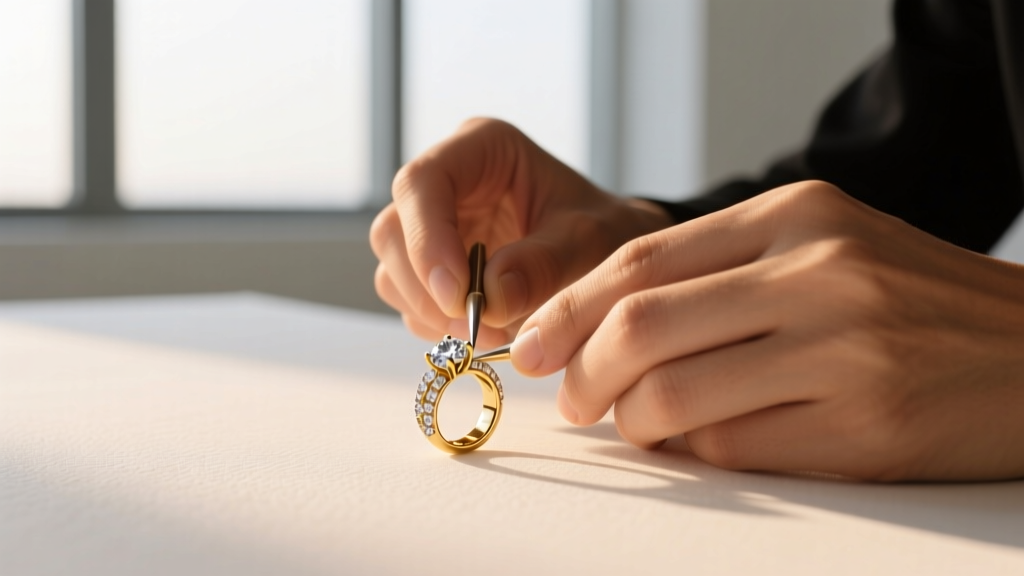
While home troubleshooting can resolve minor snags and surface tarnish, certain structural failures require professional equipment. If the crossbar of your pendant snaps at the junction where it meets the crown base, do not attempt to glue it. Cyanoacrylate (super glue) lacks the shear strength to hold a metal-to-metal joint under the dynamic load of a swinging necklace.
"A complex pendant like a cross and crown requires laser welding for seamless repairs. Traditional torch soldering introduces too much ambient heat, which will instantly melt the glass or cubic zirconia stones set in the crown and obliterate the gold vermeil plating." — Master Bench Jeweler
Laser welding uses a highly focused beam of light to fuse the exact point of the break without transferring heat to the surrounding gemstones or plating. Expect to pay between $45 and $85 for a laser weld on a complex pendant. Additionally, if your gold vermeil cross and crown necklace has lost its luster due to the 2.5-micron gold layer wearing off, a professional can electroplate the piece, restoring it to factory condition without the need for abrasive polishing compounds like Tripoli, which would otherwise strip the remaining gold.


