The Ultimate Small Chain Necklace Buying Guide & Fit Tips
Discover how to choose the perfect small chain necklace. Our expert buying guide covers link types, metal grades, clasp durability, and exact sizing.

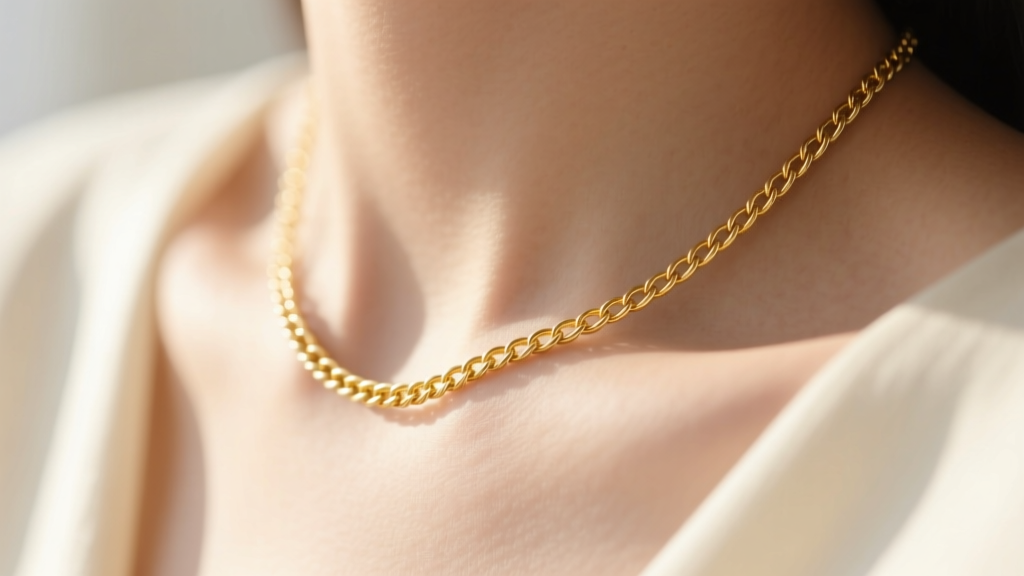
Defining the Small Chain Necklace: Width and Weight
When jewelers and stylists refer to a small chain necklace, they are typically describing a piece with a link width ranging from 0.6mm to 1.5mm. These delicate chains have dominated the layering trend for years, offering a minimalist aesthetic that pairs seamlessly with both casual and formal necklines. However, the reduction in metal volume introduces significant structural vulnerabilities. A 1mm chain possesses roughly one-quarter the tensile strength of a standard 2mm chain, meaning that material choice, link architecture, and clasp mechanics are not just aesthetic preferences—they are critical durability factors.
In the 2026 jewelry market, consumers are increasingly prioritizing longevity over fast-fashion plating. Understanding the engineering behind micro-chains is essential to making an investment that survives daily wear without snapping or permanently kinking.
Link Architecture: Structural Integrity vs. Aesthetics
The way individual links are shaped and interconnected dictates how a small chain necklace drapes, sparkles, and ultimately fails. Here is a breakdown of the most common delicate link types and their real-world performance metrics.
Cable Chains (0.8mm - 1.2mm)
The cable chain is the industry standard for delicate pendants. Consisting of uniform oval or round links, it offers excellent flexibility and is the easiest chain style for a jeweler to repair if a link snaps. However, because the links are simple loops, they are prone to stretching if subjected to sudden tension.
Box Chains (0.9mm - 1.5mm)
Box chains feature square links folded into one another, creating a sleek, modern, and highly reflective surface. While beautiful, box chains under 1.2mm have a notorious failure mode: kinking. If folded sharply or slept in, the square links can collapse inward. Once a box chain kinks, the sharp inner edges of the metal often cut into adjacent links, making it nearly impossible to flatten without weakening the entire structure.
Rope Chains (1.0mm - 1.5mm)
Rope chains twist multiple small links into a spiral, mimicking the look of a woven rope. This design maximizes light reflection, making it the most sparkly option for a small chain necklace. The trade-off is that the spiraled grooves act as microscopic hooks, making rope chains highly susceptible to catching and pulling fine hair.
Wheat (Spiga) Chains (0.8mm - 1.2mm)
Wheat chains feature figure-eight links woven tightly in a single direction. This interlocking weave provides exceptional tensile strength for its size, making it one of the most durable options for holding heavier pendants on a micro-scale. It resists kinking and rarely catches hair.
Metallurgy: Choosing the Right Gold Alloy
A common misconception is that higher karat gold is always better. For a small chain necklace, pure gold (24k) or even 18k gold can be problematic due to the softness of the metal. According to the Gemological Institute of America (GIA), the alloy metals mixed with gold (such as copper, silver, and zinc) are what provide structural hardness.
| Metal Grade | Gold Content | Tensile Strength | Best Use Case |
|---|---|---|---|
| 14k Solid Gold | 58.3% | High | Everyday micro-chains (under 1.2mm); highly resistant to stretching. |
| 18k Solid Gold | 75.0% | Medium | Chains 1.2mm and above; richer color but prone to warping if pulled. |
| Gold-Filled (14k) | 5% (1/20th) | High | Budget-friendly daily wear; thick mechanical bond prevents flaking. |
| Gold Vermeil | Sterling Base | Medium | Occasional wear; requires minimum 2.5 microns of gold plating per FTC. |
For chains thinner than 1mm, 14k solid gold is the superior engineering choice. The higher percentage of alloy metals provides the necessary rigidity to prevent the links from pulling apart under the weight of a pendant or the friction of daily movement.
The Weak Point: Clasp Mechanics and Soldering
The chain itself is only as strong as its weakest connection point, which is almost always the jump ring attaching the clasp. When inspecting a small chain necklace, you must evaluate both the clasp type and the soldering method.
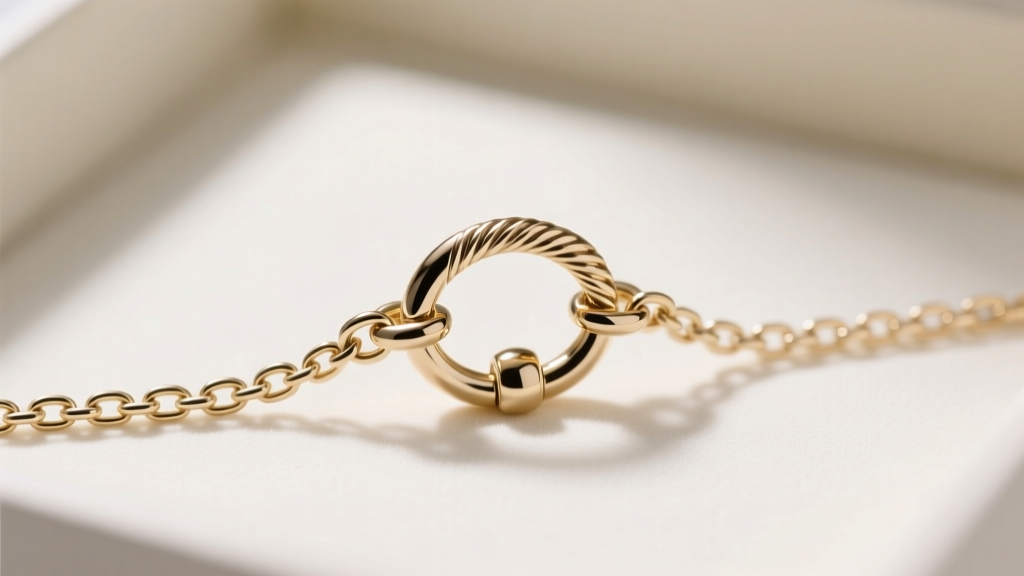
Clasp Types
- Spring Ring: The most common and least expensive clasp. It relies on a tiny internal spring that frequently fails or gets stuck. It is also difficult to operate with one hand.
- Lobster Clasp: The gold standard for delicate chains. A 9mm to 12mm lobster clasp provides a secure locking mechanism and is much easier to grip. Ensure the trigger is solid metal, not hollow-stamped, to prevent bending.
- Magnetic Clasps: While convenient, neodymium magnets can attract metallic dust and lose their grip if the chain is subjected to lateral sliding forces.
The Jump Ring Soldering Test
The jump ring is the small circle of metal connecting the lobster clasp to the chain's end tag. If this ring is simply pinched shut with pliers, it will pull apart under roughly 1.5 to 2 pounds of tension. You must look for laser-soldered or torch-soldered jump rings, where the seam is permanently fused with additional metal. As noted in the FTC Jewelry Guides, proper structural assembly is a hallmark of quality manufacturing, yet it is rarely advertised on product pages. Always inspect the clasp connection with a macro lens or jeweler's loupe before purchasing.
Sizing Framework: Length, Drop, and Layering
Choosing the correct length for a small chain necklace depends entirely on your neckline and whether you intend to layer. Because delicate chains lack visual weight, a poorly sized chain can easily get lost against the skin or fabric.
Pro Tip: When layering small chains, maintain a strict 2-inch variance between each piece to prevent the clasps from tangling together at the nape of the neck.
- 14 Inches (Choker): Sits tightly at the base of the throat. Best for open V-necks or off-the-shoulder tops. Avoid adding pendants to this length, as they will sit awkwardly on the collarbone.
- 16 Inches (Collarbone): The universal standard. It rests perfectly on the clavicle and is the ideal length for a single, small solitaire pendant (3mm - 5mm).
- 18 Inches (Crew Neck): Drops just below the collarbone, resting on the upper chest. This length is necessary for thicker fabrics like turtlenecks or crew-neck t-shirts.
- 20+ Inches (Matinee): Rarely used for micro-chains unless layered with heavy, oversized statement pieces to provide a delicate textural contrast.

Maintenance and Failure Prevention
To maximize the lifespan of a small chain necklace, you must mitigate the three primary causes of micro-chain failure: nocturnal tension, chemical degradation, and clasp snagging.
Never sleep in your chain. The tossing and turning during sleep applies unpredictable lateral torque to the links. This is the primary cause of box chain kinking and cable chain stretching. Furthermore, body heat and sweat accelerate the oxidation of the alloy metals in 14k gold, leading to a dull appearance over time.
Manage chemical exposure. While solid gold will not tarnish, the alloys within it can react to chlorine and harsh skincare acids (like AHAs and BHAs). Always remove your necklace before swimming in treated pools or applying chemical exfoliants to your neck and chest area.
Store flat or hung. Coiling a small chain necklace into a tight circle or tossing it into a jewelry box guarantees tangles. Because the links are so fine, untangling them often results in microscopic bends that weaken the metal's fatigue limit. Always hang the chain by its clasp or lay it perfectly flat in a microfiber-lined tray.
Final Verdict: What to Buy
When shopping for a small chain necklace, prioritize 14k solid gold in a wheat or cable link configuration for maximum durability. Demand a lobster clasp with a laser-soldered jump ring, and choose a 16-inch length for the most versatile, everyday wear. By focusing on structural engineering rather than just visual delicacy, you can secure a piece that survives the rigors of daily life while maintaining its elegant, minimalist profile.


