The Ultimate Guide to Choosing a Small Diamond Heart Necklace
Learn how to choose the perfect small diamond heart necklace. We cover carat sizes, chain types, metal grades, and pricing for first-time buyers.

Why a Small Diamond Heart Necklace is the Perfect Starter Piece
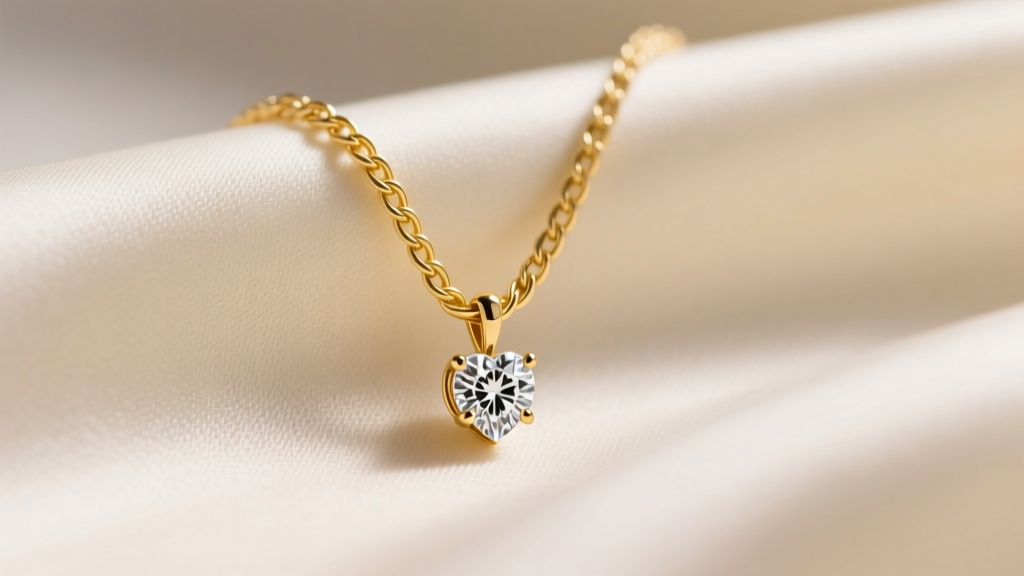
When building a foundational jewelry collection, versatility and timelessness are paramount. A small diamond heart necklace perfectly bridges the gap between everyday wearability and sentimental value. Unlike larger, heavier pendants that can feel cumbersome or overly formal, a delicate heart motif offers a subtle sparkle that complements everything from casual denim to evening wear. For beginners navigating the often-intimidating world of fine jewelry, this specific piece serves as an ideal entry point. It allows you to learn about diamond grading, metal purity, and chain mechanics without the financial risk associated with multi-carat investment pieces.
Furthermore, the heart silhouette has transcended fleeting trends. While the early 2000s saw chunky, pave-heavy heart pendants, the modern 2026 aesthetic heavily favors minimalist, clean-lined designs. Understanding how to select the right proportions, diamond quality, and chain style will ensure your necklace remains a staple in your wardrobe for decades.
Decoding Diamond Specs: What Actually Matters for Small Stones
Beginners often overpay for diamond grades that are entirely unnecessary for small stones. The rules that apply to a 2.0-carat engagement ring center stone do not apply to a delicate pendant.
Carat Weight vs. Millimeter Size
When shopping for a small diamond heart necklace, you will typically see Total Carat Weight (TCW) ranging from 0.05ct to 0.25ct. However, carat is a measure of weight, not physical dimensions. For a heart shape, the millimeter (mm) spread is far more important for visual impact.
- 0.05ct - 0.10ct: Roughly 2.5mm to 3.2mm across. This offers a whisper-thin, highly delicate look that sits close to the skin.
- 0.15ct - 0.20ct: Roughly 3.8mm to 4.2mm across. This is the "sweet spot" for a small diamond heart necklace, providing noticeable sparkle without overwhelming the neckline.
- 0.25ct: Roughly 4.5mm to 5.0mm across. This borders on a medium-sized pendant and offers significant presence.
Color and Clarity: Where to Save Money
According to the Gemological Institute of America (GIA), diamond clarity refers to the absence of inclusions and blemishes. However, in stones under 0.25ct, inclusions are incredibly difficult to see with the naked eye. You can comfortably drop down to an SI1 or SI2 (Slightly Included) clarity grade. The metal setting and the distance from the observer's eye will mask minor imperfections.
Similarly, for color, a D (colorless) grade is a waste of budget for a small pendant. Opting for a G, H, or even I color grade will face up perfectly white once set in metal, especially if you choose a yellow or rose gold setting, which naturally masks slight diamond tinting.
Metals: Choosing the Right Foundation
The metal you choose dictates both the durability and the aesthetic of your necklace. Here is a breakdown of the most common options for fine pendants:
- 14k Gold (Yellow, White, or Rose): Composed of 58.3% pure gold, 14k is the industry standard for everyday chains. It offers the perfect balance of rich color and structural integrity. It is highly resistant to bending or snapping under daily wear.
- 18k Gold: Containing 75% pure gold, 18k offers a deeper, richer hue (especially in yellow gold) but is slightly softer. It is excellent for the pendant setting itself but can be prone to kinking if used for a very thin chain.
- Platinum: Naturally white and incredibly dense, platinum is hypoallergenic and will never fade or require rhodium plating like white gold. However, it comes at a significant premium and is usually overkill for a small, lightweight pendant.
Chain Selection: Matching the Pendant to the Right Chain
A common beginner mistake is pairing a delicate pendant with a chain that is too thick, or worse, a chain that is too weak to support the clasp. For a small diamond heart necklace, the chain should be between 0.8mm and 1.2mm in thickness. Anything thinner risks snapping; anything thicker will visually overpower the heart motif.
| Chain Style | Thickness Range | Durability | Best For |
|---|---|---|---|
| Cable Chain | 0.8mm - 1.0mm | Moderate | Classic, traditional looks; lightweight pendants |
| Box Chain | 0.9mm - 1.2mm | High | Everyday wear; resists kinking and tangling |
| Rope Chain | 1.0mm - 1.5mm | Very High | Adding extra sparkle; slightly heavier pendants |
| Herringbone | 1.5mm+ | Low | Layering (Not recommended as a primary pendant chain) |
Pro-Tip on Clasps: Always ensure your chain features a lobster clasp rather than a spring-ring clasp. Lobster clasps are significantly more secure, easier to operate with one hand, and less likely to fail over time.
Setting Styles: Prong vs. Bezel vs. Pave
The way the diamond is secured into the heart shape drastically changes the necklace's vibe and maintenance requirements.
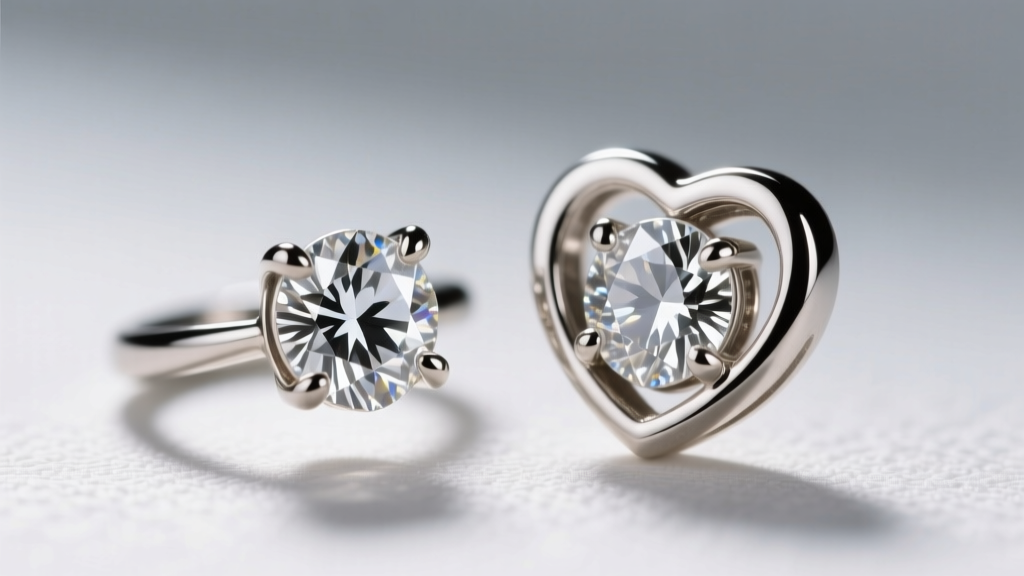
- Prong Setting: Uses tiny metal claws to hold a single heart-cut or pear-cut diamond. This allows maximum light to enter the stone, optimizing brilliance. However, prongs can occasionally snag on knitwear or silk.
- Bezel Setting: A thin rim of metal completely encircles the diamond. This is the ultimate choice for an active lifestyle. It provides a sleek, modern silhouette and eliminates snagging, though it slightly reduces the diamond's light return.
- Pave / Halo Setting: Instead of one single diamond, the heart shape is formed by setting dozens of tiny "melee" diamonds closely together. According to GIA's educational resources on diamond melee, these tiny stones are rarely individually graded, so you must trust the overall brilliance and the reputation of the jeweler. Pave offers massive sparkle but requires more frequent cleaning to maintain its fire.
Pricing Tiers: What Should You Expect to Pay?
Pricing for a small diamond heart necklace varies wildly based on the origin of the diamond and the metal weight. Here is a realistic breakdown of current market rates:
Lab-Grown Diamonds
Lab-grown diamonds are chemically, physically, and optically identical to mined diamonds but cost significantly less. For a 0.15ct to 0.25ct lab-grown heart pendant in 14k gold, expect to pay between $250 and $550. This is the smartest route for beginners who want maximum visual size on a budget.
Natural Mined Diamonds
If the romance and geological history of a natural diamond are important to you, the price reflects that scarcity. A comparable 0.15ct to 0.25ct natural diamond pendant in 14k gold will typically range from $600 to $1,400, depending heavily on the retail markup of the brand.
Hidden Costs to Watch For
When comparing prices, check if the chain is included. Many high-end jewelers sell the pendant and the chain separately. Additionally, verify the return policy and whether the piece comes with a manufacturer's warranty covering prong tightening or clasp repairs.
Styling and Layering Your Heart Pendant
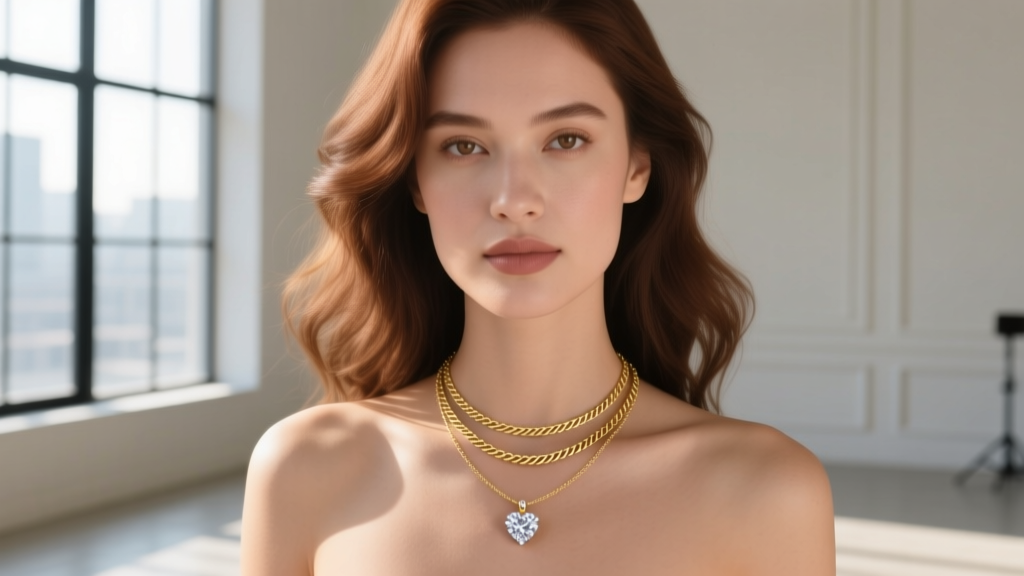
A small diamond heart necklace is a masterclass in layering. Because of its compact size, it serves as the perfect "focal" piece in a multi-chain stack. Here is a foolproof framework for styling:
- The Rule of Lengths: Wear your heart pendant on a 16-inch or 18-inch chain. Pair it with a simple, diamond-cut cable chain at 14 inches, and a thicker, texture-heavy chain (like a paperclip or herringbone) at 20 inches.
- Mixing Metals: Do not be afraid to mix metals. A 14k yellow gold heart pendant layered with a white gold or platinum chain creates a sophisticated, custom-curated look that feels very current.
- Neckline Pairing: For V-necks and deep scoops, an 18-inch chain allows the heart to sit perfectly in the negative space. For crew necks and turtlenecks, opt for a 16-inch choker length so the pendant rests visibly above the fabric line.
Final Thoughts for First-Time Buyers
Purchasing your first fine jewelry piece should be an exciting milestone, not a stressful financial gamble. By focusing on the physical millimeter size rather than obsessing over carat weight, and by choosing sensible color and clarity grades, you can secure a beautiful, high-quality piece without overpaying. A small diamond heart necklace is more than just an accessory; it is a versatile, enduring emblem of personal style that will adapt to your evolving wardrobe for years to come. Take your time, measure your existing necklines, and choose a setting that aligns with your daily lifestyle.


