Smile Diamond Necklace Buying Guide: What to Look For
Discover what to look for when buying a smile diamond necklace. Expert tips on diamond quality, metal grades, chain types, and pricing tiers.

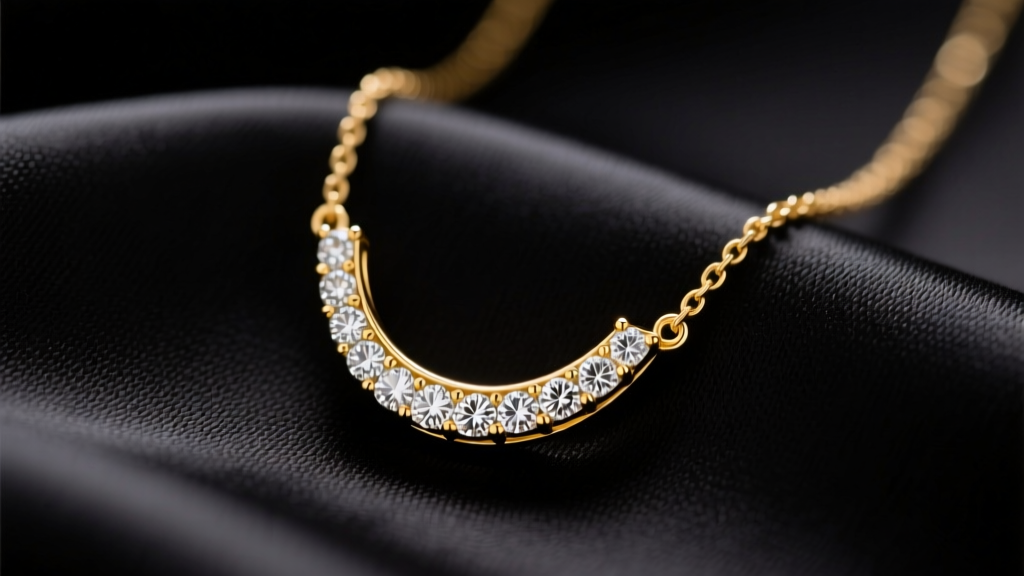
The Anatomy of the Perfect Smile Silhouette
The smile diamond necklace has transcended fleeting trends to become a permanent staple in modern fine jewelry. Characterized by its elegant, upward-curving crescent shape, this pendant style mimics a subtle grin, offering a universally flattering geometry that rests perfectly against the collarbone. However, the market is saturated with everything from fragile, mass-produced fashion pieces to exquisite high-jewelry masterpieces. When shopping for a smile diamond necklace, understanding the structural nuances of the curve, the quality of the melee diamonds, and the engineering of the chain is critical. This comprehensive buying guide breaks down the exact specifications you need to evaluate before making an investment.
Decoding the Diamonds: Melee vs. Graduated Solitaires
The brilliance of a smile pendant relies almost entirely on how the diamonds are set along the curved metal armature. Most designs utilize melee diamonds—stones weighing between 0.01 and 0.15 carats each. Because these stones are small, unscrupulous manufacturers often use 'single cut' melee (featuring only 17 to 18 facets), which results in a flat, glassy appearance. Always insist on 'full cut' melee (57 to 58 facets), which guarantees the same light return and scintillation as a full-sized brilliant round diamond.
According to the GIA 4Cs of Diamond Quality, color and clarity grading for melee is rarely documented on individual certificates. Instead, jewelers grade them in parcels. For a smile diamond necklace set in white gold or platinum, look for G-H color and VS1-VS2 clarity to ensure the stones appear icy white and free of visible carbon inclusions. If you are choosing yellow or rose gold, you can safely step down to I-J color, as the warm metal reflections will mask slight diamond tinting, allowing you to allocate more of your budget toward total carat weight (TCW).
- Micro-Pave Settings: The most common and secure method for curved pendants. Tiny beads of metal hold the stones, maximizing light exposure while maintaining a smooth, snag-free surface.
- Bezel Settings: Each diamond is encircled by a thin rim of metal. This offers superior protection for active lifestyles but reduces the visible diamond surface area by about 15%.
- Shared Prong Settings: Offers maximum brilliance but poses a snagging risk on delicate fabrics due to the exposed metal prongs along the curve.
Metal Selection and Durability Metrics
The curvature of a smile pendant places unique stress on the metal, particularly at the apex of the arc where the chain attaches via jump rings. Choosing the right alloy is essential for long-term structural integrity. Below is a comparison of the most common metals used in fine smile necklaces.
| Metal Type | Purity | Durability & Scratch Resistance | Best For | Price Premium |
|---|---|---|---|---|
| 14k Gold | 58.5% Gold | High (Excellent scratch resistance) | Everyday wear, active lifestyles | Base |
| 18k Gold | 75.0% Gold | Medium (Prone to micro-scratches) | Rich color, luxury feel, hypoallergenic | +25% to 40% |
| Platinum 950 | 95.0% Platinum | High (Develops a patina, does not lose metal) | Heirloom pieces, securing high-value melee | +60% to 100% |
Expert Note: If you opt for white gold, be aware that it is alloyed with nickel or palladium and plated with rhodium to achieve a bright white finish. Over time, the friction against your skin will wear this plating away, revealing the slightly yellowish underlying alloy. Platinum, while more expensive, is naturally white and requires no replating.
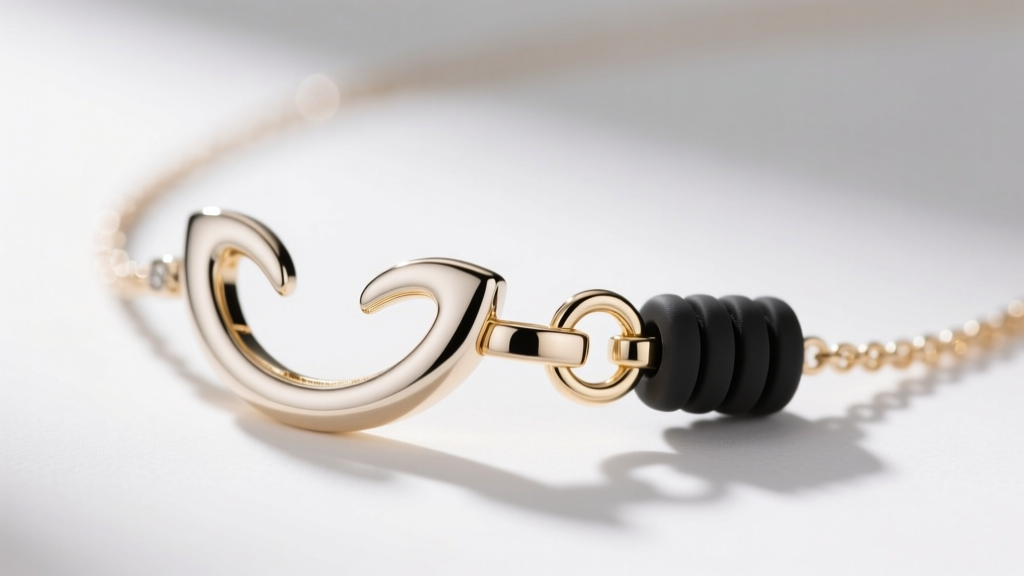
Chain Mechanics and Clasp Engineering
A smile diamond necklace is only as secure as its weakest link, which is almost always the clasp or the jump ring connecting the pendant. The standard spring-ring clasp found on entry-level pieces is notoriously difficult to operate with one hand and prone to snapping under tension. Upgrade your search criteria to include the following hardware specifications:
The Lobster Clasp
A solid lobster clasp features a thicker, more robust spring mechanism. Ensure the jump ring connecting the clasp to the chain is soldered closed (meaning there is no visible gap in the metal loop). An unsoldered jump ring can easily be pulled apart if the necklace catches on a sweater.
Adjustable Slider Beads
Many modern smile necklaces feature a silicone-lined slider bead at the end of the chain, allowing you to adjust the length from 14 inches (choker style) to 22 inches (matinee length) without needing multiple clasps. When evaluating a slider, pull the chain gently through the bead. It should offer smooth, consistent resistance. If it slides too freely, the internal silicone grip will wear out quickly, causing the pendant to droop unevenly throughout the day.
Pricing Tiers: What Your Budget Actually Gets You
Understanding the pricing architecture of fine jewelry helps you identify fair market value and avoid overpaying for brand prestige alone. Here is what you can expect when shopping for a smile diamond necklace across different budget brackets.
- Entry-Level Fine ($400 - $900): Expect 10k or 14k gold with a Total Carat Weight (TCW) of 0.15 to 0.25 carats. The diamonds will likely be single-cut melee, and the chain will be a delicate, lightweight cable chain (often under 1.0mm thick). Perfect for gifting and casual layering.
- Mid-Tier Luxury ($1,200 - $3,500): This is the sweet spot for quality. You will find 18k gold or platinum, full-cut melee diamonds with a TCW of 0.30 to 0.75 carats, and robust box or wheat chains. The craftsmanship of the micro-pave setting will be significantly tighter, reducing the risk of stone loss.
- High Jewelry & Designer ($5,000+): At this level, you are paying for exceptional diamond matching (where every melee stone is hand-selected for identical fluorescence and cut precision), proprietary clasp mechanisms, and brand heritage. Pieces from houses like Messika or Tiffany & Co. fall into this category, often featuring graduated solitaires rather than pave.

Styling, Layering, and Maintenance
The upward sweep of the smile pendant makes it an ideal anchor piece for layering. To achieve a balanced, cascading look, pair your 16-inch smile necklace with a 14-inch delicate choker (such as a simple gold snake chain) and an 18-inch longer pendant or lariat. The varying lengths prevent the chains from tangling while creating a rich, textured aesthetic against the neckline.
Maintenance Warning: Never use ultrasonic cleaners on micro-pave smile pendants. The high-frequency vibrations can loosen the tiny metal beads holding the melee diamonds, leading to catastrophic stone loss. Instead, clean your necklace weekly using a soft-bristled baby toothbrush, warm water, and a drop of mild dish soap, gently brushing the underside of the curve where lotion and skin oils accumulate.
Authentication and Certification Red Flags
When purchasing a smile diamond necklace, especially from online retailers or secondary markets, verifying authenticity is paramount. The Jewelers of America recommends always checking for a stamped hallmark on the clasp or the back of the pendant (e.g., '18K', '750', or 'PT950').
Be highly skeptical of sellers offering 'certified' melee diamonds. Reputable gemological laboratories like the GIA or AGS do not issue individual grading reports for stones under 0.30 carats. If a seller provides a certificate for a 0.20ct TCW micro-pave smile pendant, it is likely an in-house appraisal or a fabricated document designed to inflate the perceived value. Instead, request a detailed invoice that explicitly states the metal weight, exact TCW, diamond color/clarity estimates, and a clear return policy. By focusing on structural integrity, precise diamond cuts, and transparent pricing, you can confidently select a smile diamond necklace that will retain its brilliance and sentimental value for decades.


