The African Animal Necklace: 2026 Safari-Chic Trend Analysis
Discover how the African animal necklace evolved into 2026's top safari-chic trend. Explore ethical materials, motif meanings, and high-fashion styling tips.

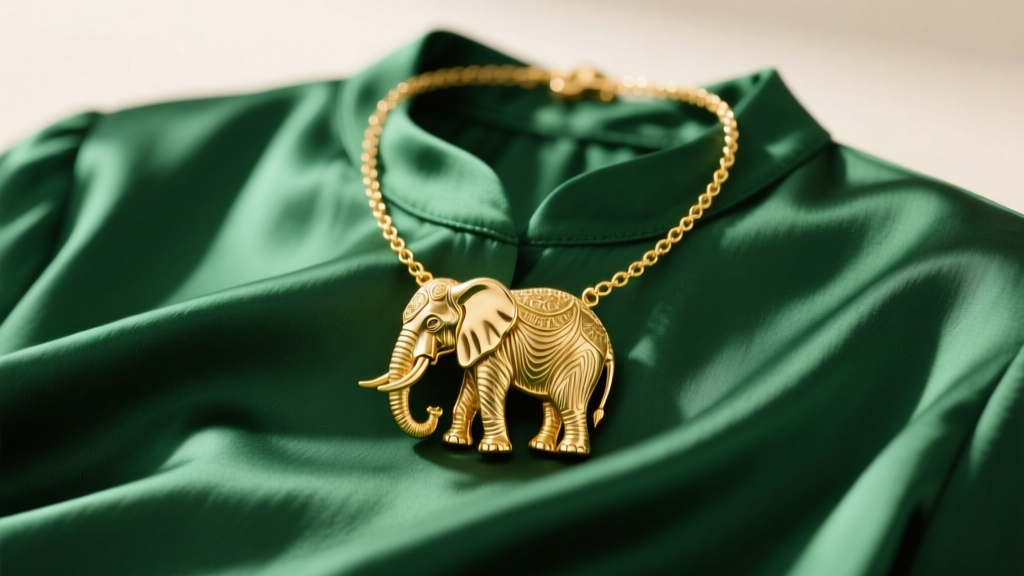
The Shift: From Souvenir to Sartorial Statement
For decades, the African animal necklace was largely relegated to the realm of tourist souvenirs—think chunky, mass-carved wooden elephants on thick leather cords. However, as we navigate the fashion landscape of 2026, this category has undergone a radical, high-end transformation. Driven by a global demand for ethical sourcing and a resurgence of 'conscientious safari' aesthetics on international runways, the modern African animal necklace is now a sophisticated, architectural statement piece. According to recent trend forecasts highlighted by Vogue, designers are moving away from literal, heavy representations toward minimalist line-art, geometric interpretations, and mixed-media pendants that honor the continent's wildlife without exploiting it.
This evolution is not merely aesthetic; it is deeply rooted in conservation and ethical manufacturing. Today's discerning collectors and style enthusiasts demand transparency. They want to know the origin of the metals, the livelihoods supported by the artisans, and the ecological footprint of the materials. In this comprehensive trend analysis, we break down the motifs, materials, and styling frameworks that define the African animal necklace in 2026.
Decoding the Motifs: What Your Wildlife Pendant Says
The symbolism behind African wildlife is as rich as the continent's history. When selecting a pendant, the animal you choose often communicates a specific personal ethos or style narrative.
- The Elephant: Universally recognized for wisdom, longevity, and familial bonds. In 2026, elephant pendants are predominantly rendered in continuous, single-line gold wire designs or sweeping, abstract silhouettes. They appeal to the minimalist who values understated elegance.
- The Lion: Symbolizing courage and sovereignty. Modern lion motifs avoid the overly aggressive, hyper-realistic roaring faces of the past. Instead, look for geometric mane outlines or subtle, abstracted claw pendants that offer a fierce yet refined edge.
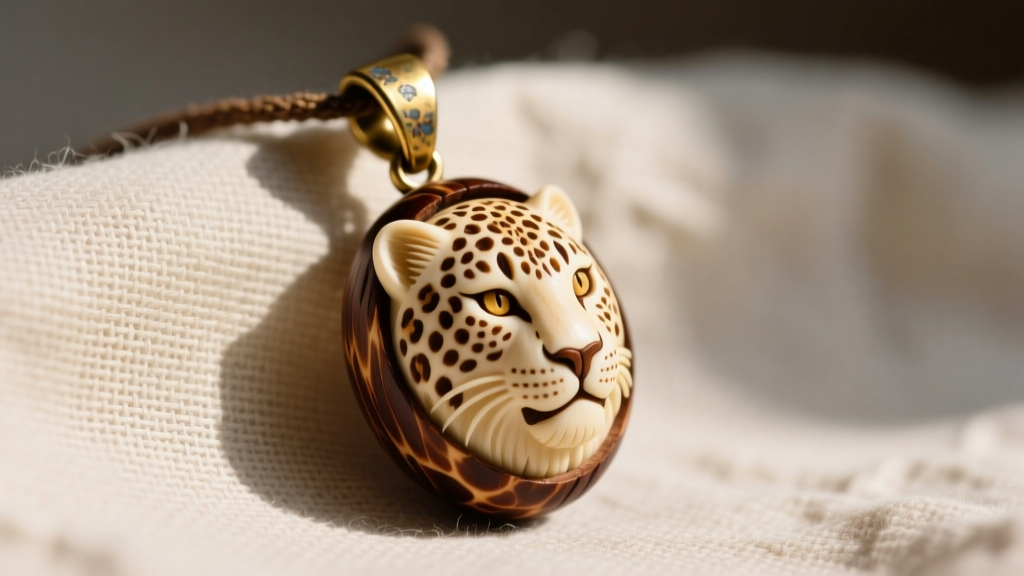
- The Leopard: Representing agility and stealth. Leopard pendants are currently trending in articulated designs—where the head, body, and tail move independently—or featuring micro-enamel spotted details on a matte brass background.
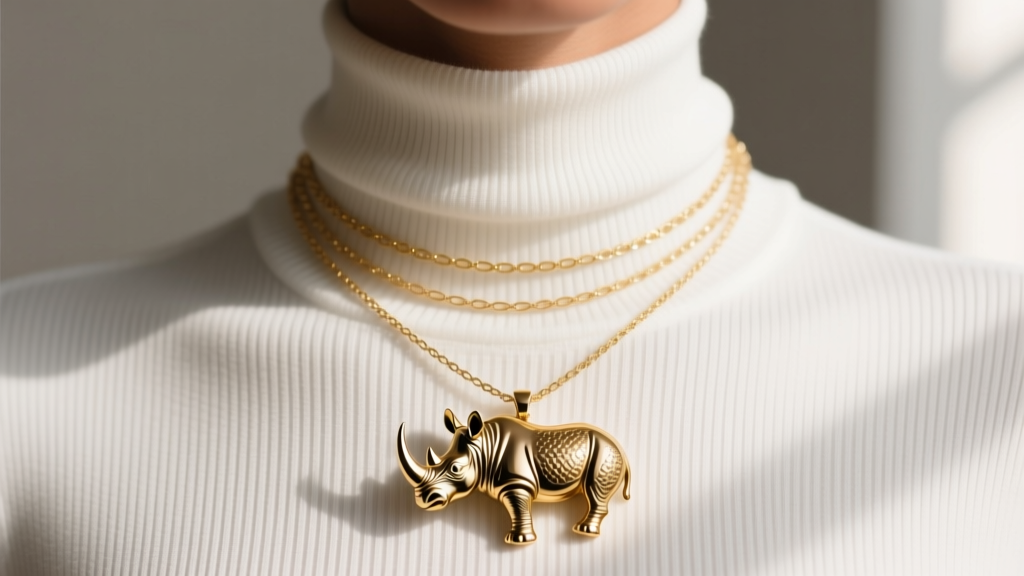
- The Rhino: A powerful emblem of resilience and conservation awareness. Rhino pendants are often heavier, cast in solid recycled bronze, and serve as bold, grounding statement pieces for structured outfits.
Material Matters: Ethical Sourcing and Metallurgy
The most critical shift in the African animal necklace market is the absolute rejection of endangered materials. Real ivory and poached horn are entirely obsolete and illegal. In their place, a new wave of innovative, sustainable materials has emerged, supported by organizations like the World Wildlife Fund (WWF), which champions sustainable alternatives that protect vulnerable species.
The 2026 Material Matrix
| Material | Durability & Care | Price Range (USD) | Ethical & Eco Rating |
|---|---|---|---|
| Recycled Kenyan Brass | High. Develops a natural patina. Clean with mild soap; avoid harsh chemical polishes. | $45 - $120 | Excellent. Supports local artisan cooperatives. |
| Tagua Nut (Vegetable Ivory) | Medium. Susceptible to cracking if exposed to prolonged moisture. Condition with jojoba oil. | $30 - $85 | Excellent. 100% biodegradable, zero wildlife harm. |
| 18k Gold Vermeil (2.5μm) | High. Must have a 925 sterling silver base. Remove before swimming; chlorine degrades the silver core. | $150 - $380 | Good. Ensure the brand uses recycled silver and conflict-free gold. |
| Upcycled Maasai Beadwork | Medium. Thread can fray over time. Store flat to maintain structural integrity. | $60 - $150 | Excellent. Preserves cultural heritage and provides fair wages. |
When investing in gold vermeil pieces, always verify the micron thickness. The 2026 industry standard for luxury demi-fine jewelry is a minimum of 2.5 microns of gold over a solid sterling silver base. Anything less (often labeled as 'gold plated' at 0.5 microns) will wear through to the base metal within months of daily wear, exposing you to potential nickel allergies and ruining the piece's aesthetic.
Styling the Safari: Neckline Pairings and Layering
Styling an African animal necklace requires a balance between honoring the pendant's cultural weight and integrating it into a modern wardrobe. The days of pairing heavy ethnic jewelry with overly bohemian, festival-style clothing are over. Today, the contrast between structured, urban tailoring and organic wildlife motifs creates the most compelling visual tension.
The Solo Statement
For pendants featuring intricate tagua nut carvings or heavy recycled brass rhinos, let the piece breathe. Pair a 22-inch matinee length pendant with a crisp, white ribbed turtleneck or a deep V-neck silk blouse. The 22-inch length ensures the animal motif rests perfectly on the sternum, drawing the eye downward and elongating the neck. Use a 3.0mm figaro chain for heavier brass casts to ensure the chain's visual weight matches the pendant.
The Layered Savanna
Layering is a cornerstone of 2026 jewelry trends, but it requires strict adherence to scale and gauge sizing to avoid a cluttered look. Employ the 'Rule of Three' when layering an African animal necklace:
- The Base (16 inches): A delicate 1.2mm cable chain in 14k or 18k gold, sitting close to the collarbone.
- The Motif (18 inches): Your chosen African animal pendant (e.g., a minimalist elephant line-art) on a 1.5mm rope chain.
- The Anchor (20 inches): A simple, unadorned brass or gold geometric bar or ring to ground the stack without competing with the animal motif.
Brand Spotlight: Who is Doing it Right?
Authenticity is paramount when wearing culturally significant jewelry. The most respected brands in this space are those that manufacture directly within African nations, ensuring the economic benefits remain local. Cooperatives verified by the Fair Trade Federation are the gold standard. Brands like Sidai Designs, which collaborates directly with Maasai women in Tanzania, and various Kenyan brass-casting collectives, offer pieces that are not only breathtaking but carry a verifiable social impact. When shopping, look for detailed 'About the Artisan' sections and transparent supply chain maps on the brand's website.
Care and Maintenance: Preserving Your Pieces
Because many authentic African animal necklaces utilize organic or reactive materials, a tailored care regimen is essential.
- Brass and Bronze: These alloys contain copper, which oxidizes when exposed to the acids in your skin and the humidity in the air. If you prefer the bright, golden shine, use a natural paste of lemon juice and baking soda. If you prefer the darkened, antique patina that highlights the carving details, simply wipe with a dry microfiber cloth after wearing.
- Tagua Nut: Often called 'vegetable ivory,' tagua is a seed that hardens to a beautiful cream color. It is highly porous. Never wear tagua pendants in the shower or pool. If the material begins to look dry or chalky, rub a single drop of natural jojoba oil into the surface and let it absorb overnight.
- Beadwork: Traditional Maasai beadwork uses glass beads strung on heavy-duty nylon or wire. Store these necklaces flat in a velvet pouch. Hanging them for long periods can stretch the thread, causing the intricate geometric patterns to warp and sag.
Final Verdict: Investing in Wildlife-Inspired Jewelry
'True luxury in 2026 is not just about the rarity of the material, but the integrity of its origin. An African animal necklace should be a conversation starter about conservation, artistry, and ethical fashion.'
The African animal necklace has successfully transcended its outdated stereotypes to become a cornerstone of ethical, high-fashion jewelry. By prioritizing innovative materials like tagua and recycled brass, respecting the deep symbolism of the motifs, and styling them with modern, structured tailoring, you can wear these pieces with both pride and purpose. Whether you opt for a delicate gold elephant or a bold, artisan-cast brass lion, your choice supports a more sustainable, stylish, and conscious future for global fashion.


