Solving Choker Necklace Fit Issues: Sizing, Clasps & Comfort Hacks
Is your choker necklace too tight, slipping, or irritating your skin? Discover expert troubleshooting hacks for sizing, clasp repairs, and metal allergies.

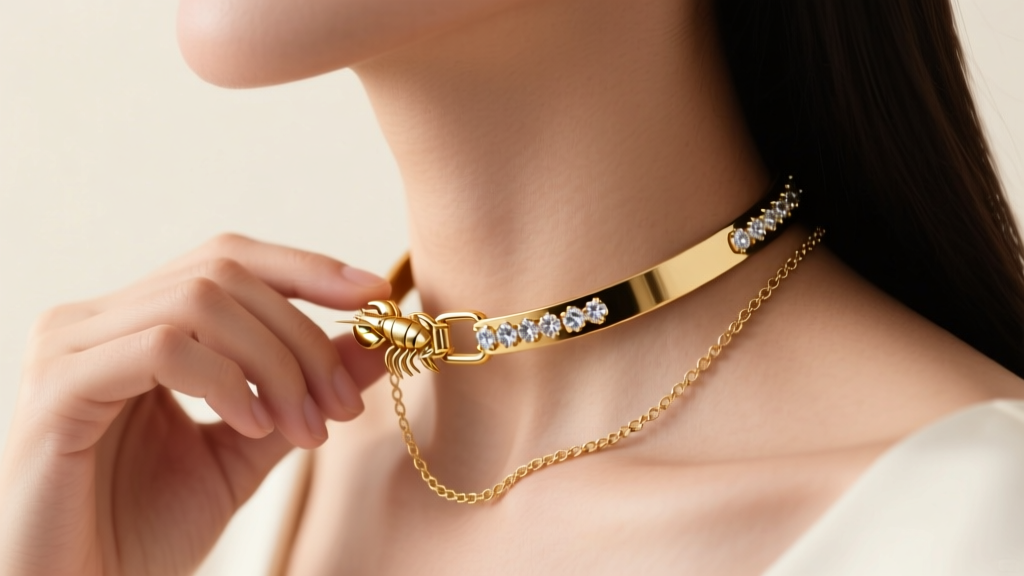
The Anatomy of a Poorly Fitting Choker Necklace
Unlike standard princess-length necklaces that rest comfortably on the collarbone, a choker necklace sits high on the neck, typically aligning with the C4 to C5 cervical vertebrae. This anatomical placement creates unique ergonomic challenges. According to biomechanical data, the human neck circumference can expand by 0.5 to 1.2 inches during swallowing, yawning, or extreme downward flexion. If your jewelry lacks the tensile flexibility or precise sizing to accommodate this micro-expansion, it transforms from a stylish statement into a restrictive, uncomfortable band.
Troubleshooting a problematic choker requires moving beyond generic sizing charts and understanding the interplay between rigid metals, flexible textiles, and human anatomy. Whether you are dealing with a suffocatingly tight metal collar, a velvet ribbon that frays and slips, or a clasp that constantly unfastens, the root cause almost always traces back to tension distribution and material fatigue.
Troubleshooting Sizing and Length Discrepancies
The most common complaint with any choker necklace is the 'Goldilocks dilemma'—it is either choking you or sliding down into your clavicle hollow. The industry standard '14-inch' choker is actually a misnomer for modern wear; it only fits necks measuring exactly 12.5 inches with a strict 1.5-inch allowance. To properly troubleshoot fit, abandon the standard ruler and use a flexible tailor's measuring tape.
The 2-Finger Rule and Exact Measurements
Wrap the tailor's tape around the exact height where you want the choker to sit. Insert two fingers flat against your neck under the tape. This provides the precise 0.75-inch to 1-inch breathing room required for swallowing and movement. If your current choker fails this test, you must alter the physical length.
| Method | Best For | Estimated Cost | Durability |
|---|---|---|---|
| Adding a 2-inch Extender Chain | Cable, curb, and box chains | $15 - $35 (Jeweler) | High (if soldered) |
| Re-stringing on Nylon Wire | Beaded or pearl chokers | $40 - $75 | Medium (requires annual check) |
| Ribbon/Leather Re-tie | Velvet, suede, or silk bands | $5 - $15 (DIY) | Low (frays over time) |
| Link Removal (Soldering) | Oversized rigid metal collars | $30 - $60 | Very High |
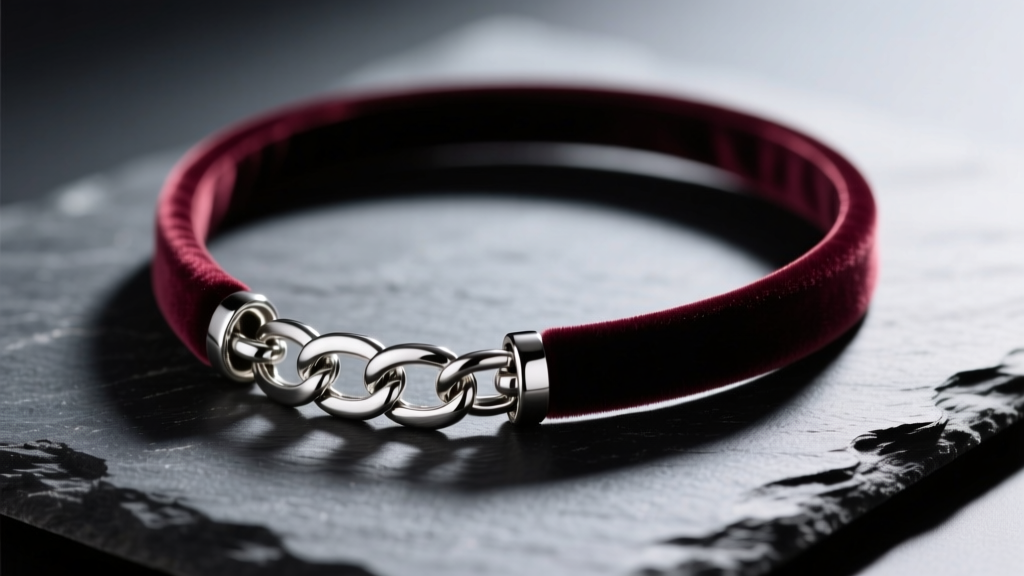
Solving Clasp Failures and Slippage
Because a choker necklace operates under constant lateral tension, the clasp is the most frequent point of mechanical failure. A standard 4mm spring ring clasp uses an internal coil spring that easily snaps or fatigues under the 2 to 3 pounds of continuous pulling force generated by neck movement.
Upgrading Your Clasp Hardware
If your spring ring clasp constantly pops open, do not attempt to bend the tiny lever back into place; the metal has already suffered work hardening and will eventually snap. Instead, upgrade the hardware:
- Lobster Claw Clasp (5mm to 7mm): Features a heavier internal spring and a solid cast body that resists lateral warping. Ideal for chains weighing under 15 grams.
- Neodymium Magnetic Clasp (Grade N52): Provides a secure, seamless closure without mechanical levers. Ensure the housing is 316L stainless steel to prevent rust from neck sweat.
- Toggle Clasps: Generally poor for chokers unless the bar is specifically weighted, as the high tension can cause the bar to slip through the ring if the neck bends sharply.
For rigid metal collar chokers that slide to one side, the issue is not the clasp but the center of gravity. A jeweler can solder a small, discreet 2-gram counterweight bead directly opposite the clasp to force the front pendant to remain centered.
Material Troubleshooting: Skin Irritation and Tarnish
The high-neck placement of a choker necklace traps body heat, sweat, and dead skin cells against the metal. This creates an acidic microenvironment that accelerates tarnishing and triggers contact dermatitis. According to the American Academy of Dermatology, nickel is the leading cause of jewelry-induced allergic contact dermatitis.
Many consumers mistakenly believe 'white gold' is hypoallergenic. However, 14k white gold is often alloyed with 10% to 15% nickel to achieve its silvery color, and the rhodium plating that seals the nickel away wears off rapidly at the high-friction nape of the neck. If your choker leaves a red, itchy ring around your neck, you are likely reacting to exposed base metals.

Safe Material Swaps for Sensitive Skin
To permanently solve irritation issues, retire the offending piece and replace it with biocompatible materials:
- ASTM F136 Implant-Grade Titanium: The gold standard for sensitive skin. It contains zero nickel and is highly resistant to chloride (sweat) corrosion.
- 316L Surgical Stainless Steel: Contains trace amounts of nickel, but they are tightly bound in the crystalline structure, making it safe for 95% of people with mild sensitivities.
- Niobium: A highly reactive metal that forms a protective oxide layer, often anodized in dark colors for a sleek, hypoallergenic choker aesthetic.
Asymmetrical Necklines and Gravity Slippage
When pairing a choker necklace with off-the-shoulder or asymmetrical tops, gravity and fabric friction often cause the jewelry to slide toward the lower shoulder. To troubleshoot this without altering the necklace, utilize discreet silicone jewelry grip pads. These tiny, medical-grade silicone dots (available for under $10 online) adhere temporarily to the inside of the choker band, creating high-friction traction against the skin without leaving adhesive residue or causing irritation.
Quick Reference: Choker Troubleshooting Matrix
| Problem | Root Cause | Immediate Fix | Permanent Solution |
|---|---|---|---|
| Choking sensation when swallowing | Circumference lacks expansion allowance | Move clasp to outermost extender link | Have a jeweler solder a 1.5-inch chain extender |
| Pendant constantly flips backward | Top-heavy clasp or lack of counterweight | Tuck clasp under hair or collar | Solder a 2g counterweight bead opposite the clasp |
| Clasp lever won't stay closed | Internal spring fatigue from lateral tension | Use a tiny dab of clear nail polish on the lever joint | Replace with a 7mm solid-cast lobster clasp |
| Green/black skin staining | Copper/brass base metal reacting to sweat acids | Coat the inner band with clear nail polish | Upgrade to ASTM F136 titanium or solid 18k gold |
Preventative Maintenance for Long-Term Wear
Because chokers endure more friction and sweat exposure than longer pendants, they require a stricter maintenance regimen. The Jewelers of America recommends professional ultrasonic cleaning for metal chains, but caution is required for mixed-media chokers. Ultrasonic waves will shatter porous gemstones like turquoise or opals often found in bohemian choker designs.
For daily maintenance, wipe the inner circumference of your choker necklace with a microfiber cloth dampened with a mild, phosphate-free dish soap solution after every wear. This removes the acidic sebum buildup that degrades metal alloys and weakens silk or nylon stringing threads. Store rigid metal collars flat in a velvet-lined box to prevent the metal from warping out of its circular tension memory, ensuring it sits flush against your anatomy the next time you wear it.


