How to Choose a Sweatproof Sports Necklace: The 2026 Active Guide
Learn how to choose a durable, sweatproof sports necklace. Our step-by-step guide covers safe materials, breakaway clasps, and gym-friendly chain styles.

The Biomechanics of Sweat: Why Standard Jewelry Fails
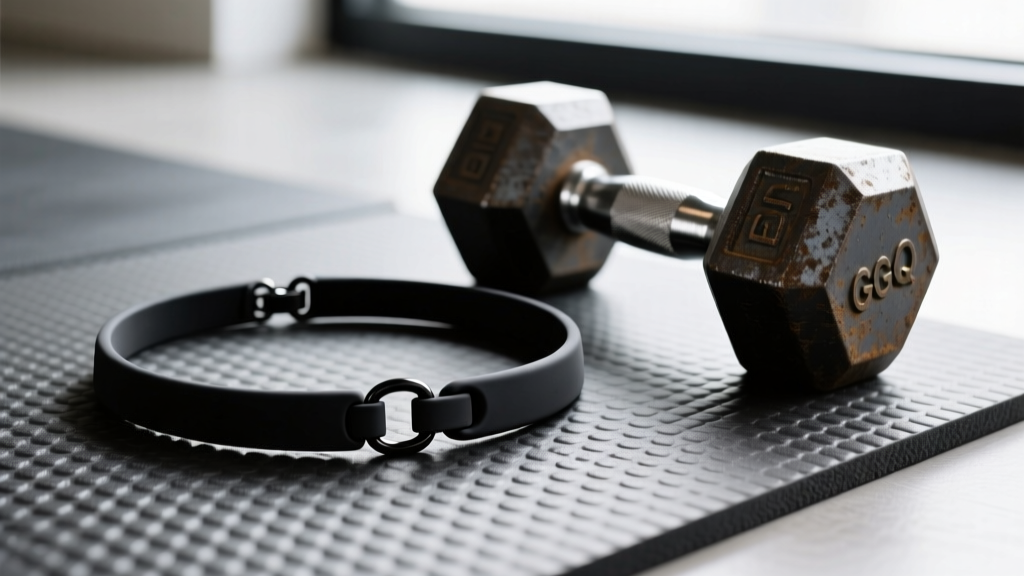
When you transition from the office to the weight room, the running trail, or the grappling mats, your jewelry instantly becomes a liability. A true sports necklace is not merely a marketing buzzword; it requires specific metallurgical and structural engineering to withstand the highly corrosive, high-tension environment of physical exertion. Human sweat is a complex electrolyte solution with a pH ranging from 4.5 to 7.0, packed with chlorides, urea, ammonia, and lactic acid.
Standard sterling silver (925) contains 7.5% copper, which rapidly reacts with sweat chlorides to form copper chloride, resulting in severe pitting and the notorious 'green skin' effect. Similarly, gold-plated brass creates a galvanic cell when sweat bridges microscopic pores in the plating, accelerating base metal degradation and triggering severe contact dermatitis. To build a reliable active-wear setup, you must systematically evaluate materials, chain physics, and safety mechanisms.
Step 1: Select the Right Metallurgy for High-Impact Environments
The foundation of any gym-ready pendant or chain is its elemental composition. You need materials that offer high chloride resistance and structural integrity under blunt force. According to the British Stainless Steel Association, the addition of molybdenum is what separates gym-safe steel from standard alloys.
| Material Grade | Chloride Resistance | Tensile Strength | Best Sport Application | Price Range (USD) |
|---|---|---|---|---|
| 316L Surgical Steel | High (2-3% Molybdenum) | ~515 MPa | Weightlifting, Running, CrossFit | $40 - $120 |
| Titanium Grade 5 (Ti-6Al-4V) | Exceptional (Inert) | ~900 MPa | Endurance Sports, Climbing | $85 - $250 |
| Medical-Grade Silicone | Impervious | N/A (Elastic) | BJJ, Rugby, Powerlifting | $15 - $45 |
| Tungsten Carbide | High | ~350 MPa (Brittle) | Avoid (Shatters on impact) | $30 - $90 |
Expert Insight: Avoid tungsten carbide for heavy lifting. While it boasts extreme scratch resistance, its high brittleness means a dropped barbell or a hard impact against a squat rack can cause the ring or pendant to shatter into sharp fragments. Stick to 316L steel for malleability or Titanium Grade 5 for an unmatched strength-to-weight ratio.
Step 2: Choose a Torque-Resistant Chain Profile
The chain profile dictates how the necklace handles lateral torque and snagging. Not all links are created equal when subjected to the kinetic forces of a workout.
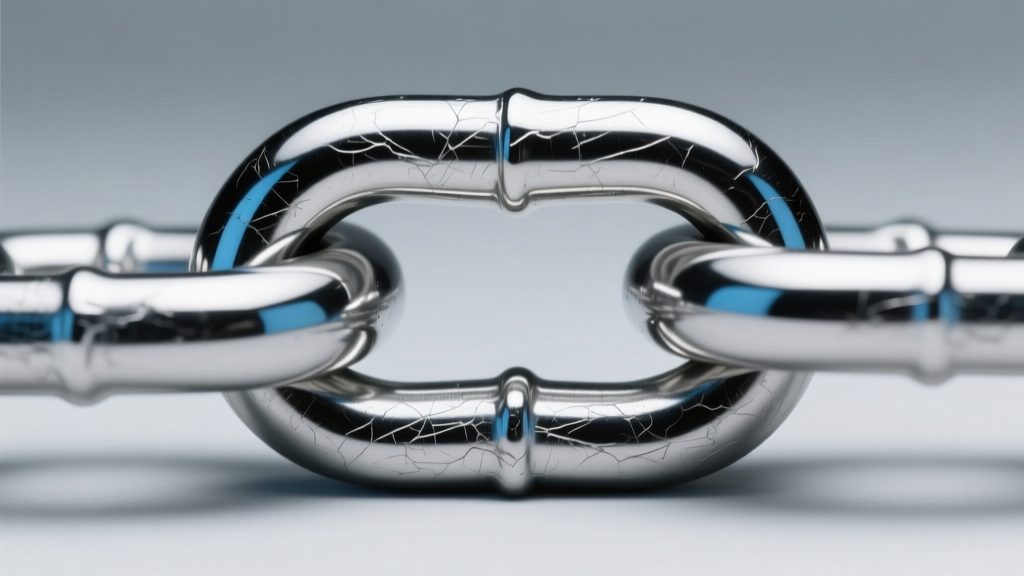
- Curb and Cable Chains (The Gold Standard): These feature interlocking oval links that lay flat against the sternum. They distribute kinetic force evenly across the link and are incredibly easy to wipe down with a microfiber cloth post-workout.
- Box Chains (The Failure Point): Box chains rely on 90-degree soldered corners. Under lateral torque—such as catching the chain on the knurling of a barbell or a pull-up bar—the solder joint will fail and snap long before the base metal yields.
- Rope Chains (The Hygiene Hazard): The tightly woven, spiraling links of a rope chain act as a trap for dead skin cells, sebum, and dried sweat. This creates an ideal breeding ground for bacteria, leading to chest acne and contact dermatitis, a common issue noted by the American Academy of Dermatology regarding occlusive jewelry.
Step 3: Engineer the Clasp for Safety and Snag Prevention
The clasp is the most critical safety component of your sports necklace. The National Safety Council frequently warns against wearing rigid metallic loops in environments with heavy machinery or heavy lifting equipment due to the severe risks of degloving and asphyxiation.
Safety Rule of Thumb: If your necklace gets caught on a barbell or a machine cable, the chain or clasp must fail before your cervical spine does.
Standard lobster claw clasps feature a protruding lever that easily snags on gym mats, clothing, and lifting belts. Magnetic clasps, while convenient, pose a severe pinch hazard and can detach unpredictably, dropping heavy metal pendants onto your chest or into moving treadmill belts.
The Solution: Opt for a breakaway silicone tension connector or a flush-mounted fold-over box clasp with a safety latch. For contact sports like Brazilian Jiu-Jitsu or rugby, the entire necklace should be constructed from high-durometer silicone with a engineered tear-point that snaps cleanly under 15-20 lbs of sustained pressure.

Step 4: Calibrate Length for Range of Motion
Length is not just an aesthetic choice; it directly impacts your biomechanics and safety. A chain that is too long becomes a pendulum hazard, while one that is too short restricts the trachea during heavy exertion.
The 18 to 20-Inch Sweet Spot
For most male and female athletes, an 18-inch to 20-inch chain rests securely on the upper sternum. This length prevents the pendant from swinging upward and striking your chin during Olympic lifts (like cleans or snatches) and keeps the metal clear of the barbell path during bench presses.
If you prefer a longer, 22-inch to 24-inch chain for aesthetic reasons, you must utilize a secondary silicone O-ring or a small rubber pendant silencer to secure the bottom of the loop to your shirt or skin, eliminating the pendulum effect entirely.
Post-Workout Decontamination Protocol
Even the most resilient 316L surgical steel requires proper maintenance to prevent the buildup of biofilm and salt crystals, which can eventually degrade the polished finish and harbor staphylococcus bacteria.
- Immediate Rinse: Within 30 minutes of your workout, rinse the necklace under warm, running water to dissolve chloride and urea deposits.
- Surfactant Wash: Use a drop of mild, phosphate-free dish soap and a soft-bristled toothbrush to gently agitate the crevices of the chain links. Avoid harsh chemical cleaners or bleach, which can compromise the passivation layer of stainless steel.
- Ultrasonic Cleaning (Monthly): For deep sanitation, place the metal chain (excluding any glued gemstones or silicone components) in an ultrasonic jewelry cleaner with a specialized enzymatic solution for 3 minutes. This cavitation process removes microscopic sebum buildup that manual brushing misses.
- Dry Thoroughly: Pat dry with a lint-free microfiber cloth. Never store a damp sports necklace in an enclosed gym bag, as the trapped humidity will accelerate oxidation on any exposed base metals.
By treating your sports necklace as a piece of specialized athletic equipment rather than a fragile fashion accessory, you ensure it survives the grueling demands of your training regimen while keeping your skin safe from corrosive reactions and mechanical hazards.


