Square Bead Necklace Buying Guide: What to Look For in 2026
Discover how to choose the perfect square bead necklace in 2026. Learn about bead sizing, stringing durability, material grades, and clasp mechanics.

The Geometry of Drape: Why Square Beads Behave Differently
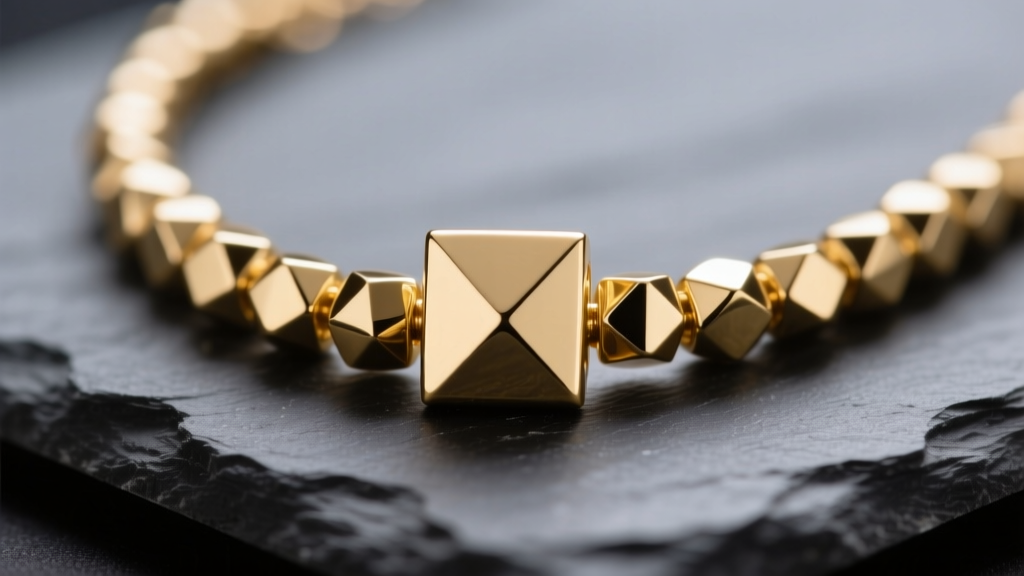
When shopping for a square bead necklace, the first thing to understand is the physics of the drape. Unlike traditional round or oval beads that pivot freely on a stringing line, cubic and square beads sit flush against one another. This creates a rigid, segmented chain effect that catches light beautifully but demands specific engineering to lay flat against the collarbone. If a square bead necklace is strung too tightly, it will kink and stick out at awkward angles; if strung too loosely, the gaps between the cubes will expose the wire or cord, ruining the minimalist aesthetic. In 2026, the top-tier jewelry houses are utilizing micro-tension stringing techniques to ensure these geometric pieces drape with fluid elegance while maintaining their structural integrity.
Material Grades and Authenticity Markers
The material of the beads dictates not only the price but the longevity of the piece. Square beads are particularly unforgiving when it comes to material flaws, as the sharp corners and flat planes highlight any inconsistencies in plating or stone polish.
Precious Metals and Plating Standards
If you are purchasing metal square beads, look for solid 925 sterling silver or 14k/18k solid gold. For gold-plated options, the FTC Jewelry Guides strictly define 'vermeil' as a minimum of 2.5 microns of gold plated over a sterling silver base. Anything less than 2.5 microns will quickly wear off on the high-friction edges of square beads, exposing the base metal beneath. Always check for the '925' hallmark stamped on the clasp or a dedicated metal tag near the closure.
Gemstone Hardness and Edge Chipping
For gemstone cubes, the Mohs hardness scale is your best friend. According to the GIA Gem Encyclopedia, stones like black onyx and tiger eye (Mohs 7) hold sharp, precision-cut square edges beautifully. Conversely, softer stones like lapis lazuli or turquoise (Mohs 5-6) are prone to micro-chipping at the corners when they clack together. If you choose softer stones, opt for 'tumbled' square beads, which feature softened, rounded edges that prevent damage over time.
| Material Type | Best For | Avg. Price Range (2026) | Durability Notes |
|---|---|---|---|
| Black Onyx (Cube) | Everyday minimal wear | $85 - $250 | Highly durable; holds sharp edges well. |
| 14k Gold Vermeil | Office & evening layering | $120 - $350 | Requires 2.5+ micron plating to prevent edge wear. |
| Lapis Lazuli (Tumbled) | Bohemian & statement looks | $60 - $180 | Soft; must have rounded corners to prevent chipping. |
| Lampwork Glass | Colorful, artistic styling | $40 - $150 | Fragile on impact; avoid dropping on hard surfaces. |
Sizing and Proportion: Choosing the Right Cube Dimensions
The millimeter size of the square beads completely changes the necklace's category and use case. Here is a precise breakdown of what to expect from standard market sizes:
- 2mm - 3mm (Micro Cubes): Ideal for delicate layering. These act almost like a metallic or gemstone rope. They are lightweight and can be strung on fine silk or thin nylon. Best worn in 16-inch choker lengths or 18-inch princess lengths.
- 4mm - 6mm (Standard Cubes): The most versatile size. A 6mm black onyx square bead necklace offers substantial presence without overwhelming the neckline. This size requires medium-weight stringing and works beautifully as a standalone pendant alternative.
- 8mm - 12mm (Statement Cubes): Heavy, bold, and architectural. These require heavy-duty hardware and are best kept to shorter lengths (16-18 inches) so the weight rests on the upper chest rather than pulling down on the nape of the neck.
Stringing Mechanics: The Hidden Failure Points
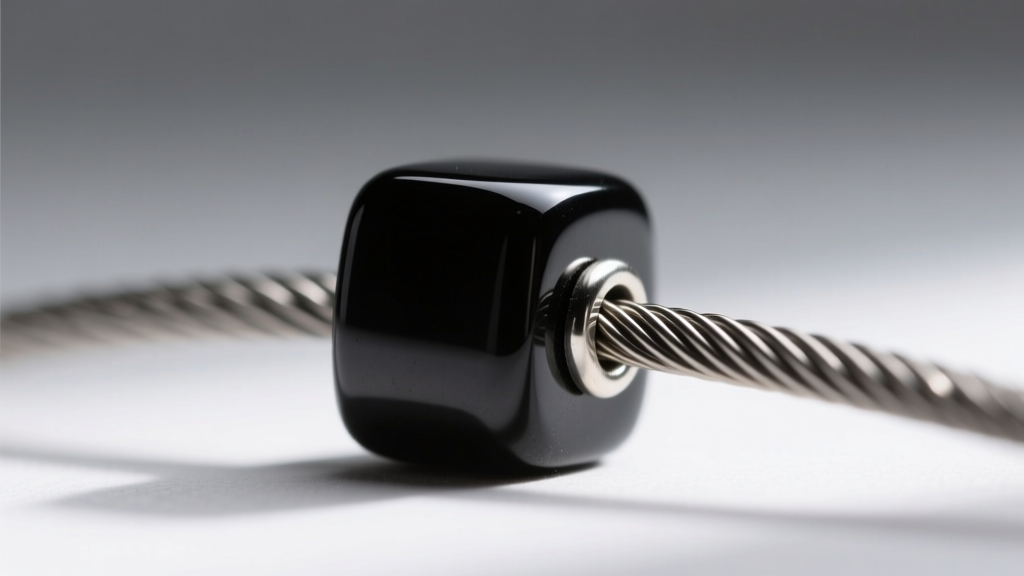
This is where most mass-market square bead necklaces fail. The internal drill holes of square beads are notorious for harboring sharp, unpolished edges from the manufacturing process. When a bead moves, these internal edges act like tiny saws against the stringing material. According to experts at Rio Grande Stringing Materials, traditional silk cord or elastic will inevitably fray and snap when used with geometric stone beads.
The 49-Strand Micro-Wire Standard
For any square bead necklace featuring gemstones or heavy metals larger than 3mm, you must verify that it is strung on 49-strand nylon-coated stainless steel wire (often referred to by the industry brand Soft Flex). This material offers the tensile strength of steel with the drape of silk. Furthermore, the ends of the wire must be secured with sterling silver or gold-filled crimp beads that are crushed and folded over the wire, not merely glued. Avoid necklaces that use simple knotting between square beads, as the friction will degrade the cord rapidly.
Clasp Selection for Rigid Drapes
Because square beads create a heavier, more rigid drape, the clasp must bear significant lateral tension. Magnetic clasps are a major red flag for heavy geometric necklaces, as a sudden tug will pull the magnets apart, sending your beads scattering. Instead, look for a secure lobster clasp with a soldered jump ring, or a box clasp with a figure-eight safety catch for beads 8mm and larger.
Edge Finishing: Tumbled vs. Precision-Cut
When examining product photos or viewing the piece in person, pay close attention to the outer edges of the cubes. Precision-cut beads have razor-sharp 90-degree corners. While they offer a striking, modern, and architectural light reflection, they can easily snag on knitwear, silk blouses, and lace. Tumbled square beads (sometimes called cube heishi) undergo a mechanical tumbling process that mellows the corners into soft, pillow-like edges. Tumbled beads are vastly superior for daily wear, office environments, and layering over delicate fabrics, as they glide smoothly against clothing and skin without catching.
Styling Frameworks and Neckline Pairing
The geometric nature of square beads demands intentional styling to avoid visual clutter. Here is a quick framework for pairing your necklace with the right garments:
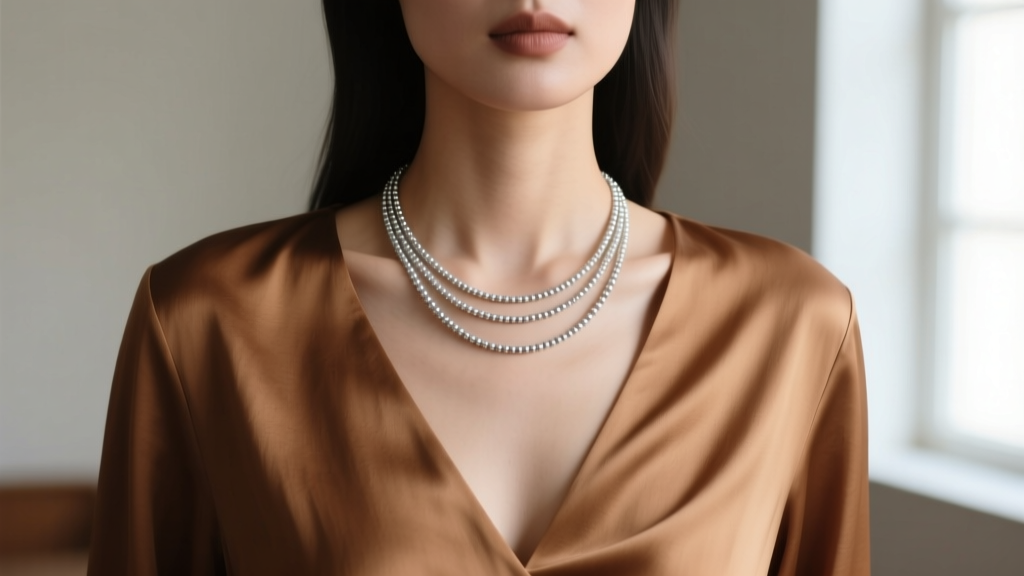
- The Deep V-Neck: Pair a 4mm to 6mm square bead necklace (18-20 inches) with a deep V-neck. The straight, rigid lines of the beads contrast beautifully with the plunging angle of the neckline, creating a sophisticated, architectural frame for the face.
- The Boat Neck / Bateau: Opt for a 2mm micro-cube choker (15-16 inches) that sits above the collarbone. This highlights the neck without competing with the wide horizontal line of the shirt.
- The Layering Matrix: When layering a square bead necklace with chains, always make the square bead piece the shortest layer. The rigid drape of the cubes needs to sit close to the collarbone, while longer, fluid chains (like a paperclip or cable chain) can cascade beneath it.
Final Care Instructions for Longevity
To maintain the pristine facets of your square bead necklace, avoid ultrasonic cleaners, especially if the beads are gemstones like lapis or turquoise, as the vibrations can cause micro-fractures along the sharp geometric edges. Instead, wipe metal and hard stone cubes with a lint-free microfiber cloth after each wear to remove skin oils that can dull the flat planes. Store the necklace laid flat or hung vertically; never toss it into a jewelry box in a pile, as the heavy, sharp corners of the beads will scratch softer metals and gemstones in your collection.


