Necklace With Square Pendant: 2026 Budget & Value Assessment
Discover if a necklace with square pendant is worth the investment. Our 2026 value guide compares materials, pricing tiers, and durability.

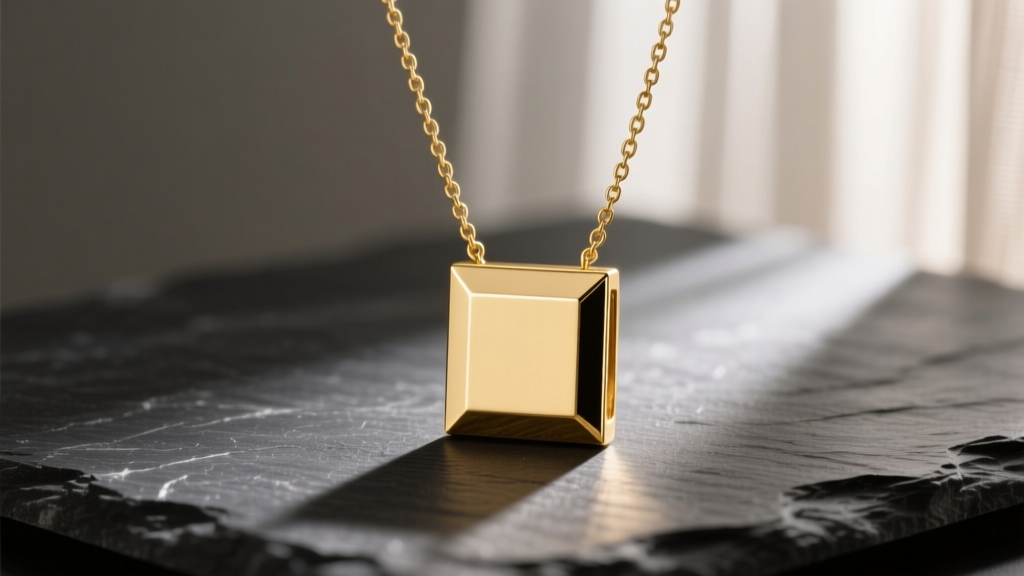
The geometric elegance of a necklace with square pendant has cemented its place as a modern jewelry staple. Unlike organic or freeform shapes, the square pendant demands absolute precision, offering a bold, architectural silhouette that catches the light with striking intentionality. However, as consumers become more financially literate about jewelry manufacturing, the question shifts from mere aesthetics to hard value: what are you actually paying for when you buy a square pendant necklace in 2026?
This comprehensive budget and value assessment strips away the marketing fluff. We will analyze the manufacturing realities, material degradation rates, and hidden cost multipliers that dictate the true worth of square pendants across fashion, demi-fine, and fine jewelry tiers.
The Geometry of Value: Manufacturing Realities
To assess value, you must first understand how a square pendant is made. Unlike organic shapes (like leaves or teardrops) which are easily cast in molds and require minimal finishing, a perfect square requires exact 90-degree angles and razor-sharp edges.
In the fine jewelry sector, achieving these crisp lines often requires CNC (Computer Numerical Control) milling or precision laser cutting from a solid sheet of metal, followed by meticulous hand-polishing to ensure the edges are sharp but comfortable against the skin. This additional labor and material waste (from cutting a shape out of a larger sheet) inherently increases the baseline manufacturing cost by roughly 12% to 18% compared to a simple cast circular pendant of the same weight. When evaluating a necklace with square pendant, you are paying a premium for geometric precision.
Material Breakdown: What You Actually Pay For
The most critical factor in your budget assessment is the metal composition. The Federal Trade Commission (FTC) Jewelry Guides strictly regulate how metals can be labeled, yet consumer confusion remains high. Below is a structural breakdown of what you are actually purchasing at different price points.
| Material Grade | Base Metal | Plating Thickness | Expected Lifespan | Avg. Price Range |
|---|---|---|---|---|
| Flash Plated | Brass/Copper | < 0.5 microns | 3 - 6 months | $25 - $65 |
| Gold Vermeil | Sterling Silver | 2.5+ microns | 2 - 5 years | $95 - $280 |
| Solid 14k Gold | 14k Gold Alloy | N/A (Solid) | Lifetime (50+ yrs) | $450 - $1,400 |
| Platinum 950 | Platinum Alloy | N/A (Solid) | Multi-Generational | $1,200 - $3,500+ |
The Three Pricing Tiers of Square Pendant Necklaces
Tier 1: Fashion & Flash Plated ($25 - $65)
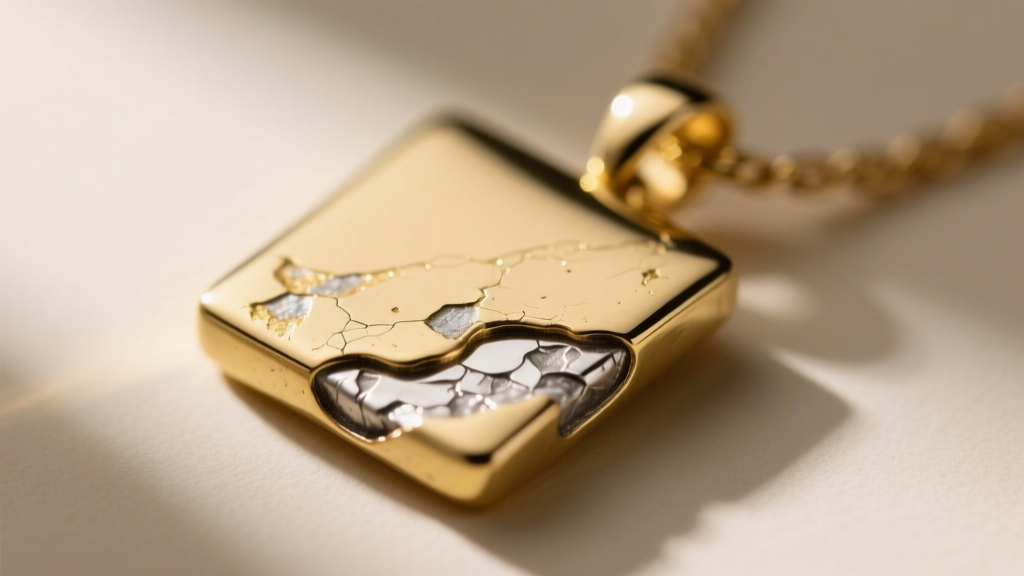
At the entry-level, a necklace with square pendant is typically constructed from brass or copper and flash-plated with a microscopic layer of gold or rhodium. The primary failure mode here is edge wear. Because square pendants have distinct corners, friction against clothing and skin causes the plating to wear off at the corners first, often within 90 days of daily wear. Once the brass base is exposed, it reacts with the acidity in your sweat, leading to the notorious 'green skin' effect. Value Verdict: Poor long-term value. Buy only for occasional, short-term styling.
Tier 2: Demi-Fine & Vermeil ($95 - $280)
Demi-fine jewelry utilizes a sterling silver base coated with a thick layer of gold (at least 2.5 microns, per US standards). This is the sweet spot for budget-conscious buyers who want the look of fine jewelry. However, the sharp corners of a square pendant remain a vulnerability. Even with 2.5 microns of gold, the corners will eventually wear down to the silver base. Fortunately, unlike brass, sterling silver will not turn your skin green, and the piece can be easily re-plated by a local jeweler for $30-$50. Value Verdict: High aesthetic value, moderate longevity. Requires careful maintenance and occasional re-plating.
Tier 3: Fine Jewelry & Solid Gold ($450 - $1,400+)
Solid 14k or 18k gold eliminates the plating failure mode entirely. According to the Gemological Institute of America (GIA), 14k gold consists of 58.3% pure gold mixed with alloy metals like copper and zinc for durability. A solid gold square pendant will retain its structural integrity and sharp corners for generations. In this tier, you are paying for the raw melt value of the gold plus the craftsmanship. A standard 15mm solid 14k gold square pendant (approx. 3.5 grams) should cost between $450 and $600 in 2026, closely tracking the spot price of gold plus a standard 20-30% retail markup. Value Verdict: Excellent investment and heirloom value. Zero risk of plating loss.
Chain Pairing: The Hidden Cost Multiplier
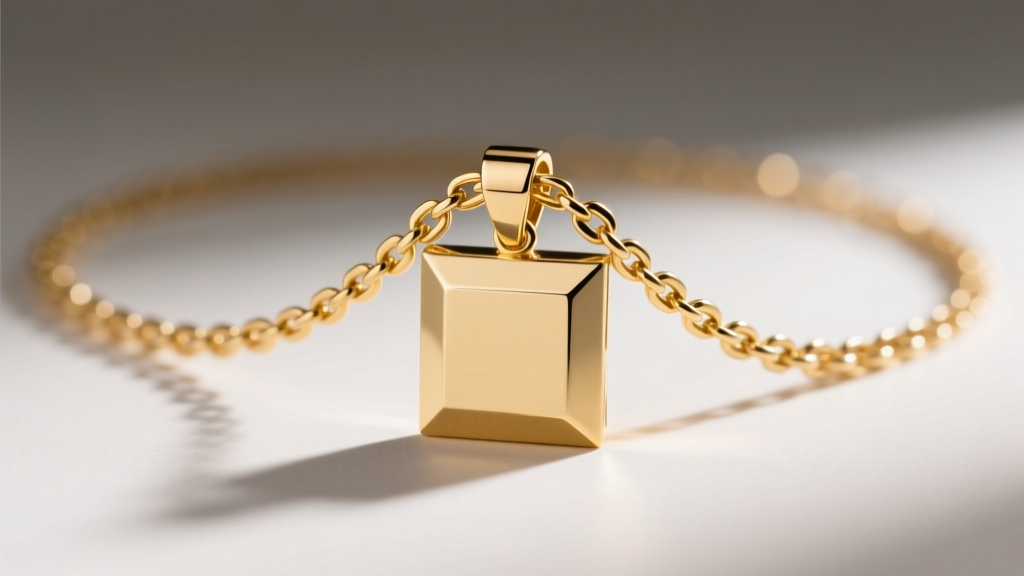
When budgeting for a necklace with square pendant, consumers often overlook the chain. The geometry of the pendant dictates the optimal chain type, which can significantly alter your final spend.
- Box Chains: The ideal pairing. The square links of a box chain mirror the geometry of the pendant and provide a flat, uniform surface that prevents the pendant bail from grinding unevenly. Box chains are generally 15% more expensive than standard cable chains due to complex link weaving.
- Cable Chains: While cheaper, the circular links create concentrated friction points against the bail of a square pendant. Over 3 to 5 years, this friction can actually saw through the pendant's bail loop, leading to a lost pendant.
- Wheat (Spiga) Chains: A premium option that offers incredible tensile strength and a textured look that complements the sharp edges of a square pendant, though they command a 25% price premium over box chains.
Final Verdict: How to Maximize Your ROI
If your budget is strictly under $100, avoid gold-plated square pendants entirely; instead, opt for a rhodium-plated sterling silver square pendant to avoid corner-wear discoloration. If your budget allows for $400+, bypass the demi-fine market and invest directly in a solid 14k gold necklace with square pendant paired with a sturdy box chain.
"Geometric jewelry, particularly squares and rectangles, acts as a mirror to the wearer's investment. The sharp lines leave nowhere for poor craftsmanship or thin plating to hide. Always prioritize metal thickness over surface area when buying geometric pendants."
Ultimately, the true value of a square pendant lies in its timelessness. By understanding the manufacturing premiums and material realities outlined above, you can confidently allocate your jewelry budget toward a piece that offers both striking design and enduring financial worth.


