Styling the VN Balboa Coin Necklace: A Beginner Guide
Discover everything about the VN Balboa coin necklace. Learn how to choose, style, and care for this unique numismatic jewelry piece today.

What Exactly is a VN Balboa Coin Necklace?
When exploring the intersection of numismatics and everyday fashion, few pieces carry the historical weight and visual intrigue of the VN Balboa coin necklace. As we move through 2026, the trend of wearing historical currency has surged, but the Balboa pendant remains a niche favorite among collectors and style enthusiasts alike. But what does 'VN' actually mean in this context?
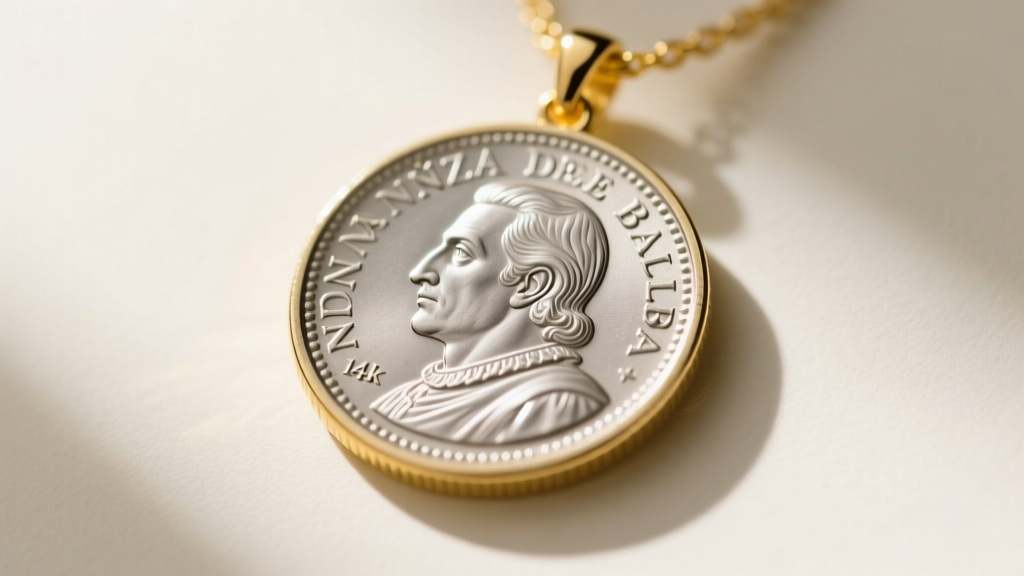
The 'VN' stands for Vasco Núñez de Balboa, the 15th-century Spanish explorer and conquistador who is famously credited with crossing the Isthmus of Panama to reach the Pacific Ocean. His likeness is stamped on the obverse (front) of the Panamanian Balboa coin. According to the historical archives documented by Wikipedia, Balboa's legacy is deeply intertwined with Central American history, making his portrait a powerful symbol of exploration and maritime heritage.
In jewelry circles, a 'VN Balboa' specifically refers to a necklace where the coin is mounted with the Vasco Núñez portrait facing outward, rather than the Panamanian coat of arms found on the reverse. The 1 Balboa denomination is roughly the same size as a classic US Morgan Silver Dollar (38.1mm in diameter), making it an ideal, substantial centerpiece for a pendant necklace.
The Metallurgy: Silver vs. Clad Balboa Coins
Before purchasing a VN Balboa coin necklace, it is crucial to understand the metallurgical differences between the minting eras. Panama's currency has been pegged to the US Dollar since 1904, and its coinage reflects similar metallic shifts.
- 1930s–1960s (The Silver Era): Vintage 1 Balboa coins from this era are struck in 90% fine silver (0.900 purity) and 10% copper. A standard 1 Balboa coin from the 1940s weighs approximately 26.73 grams, containing roughly 0.7734 troy ounces of pure silver. These are highly prized by collectors for their brilliant luster and historical melt value.
- 1966–Present (The Clad Era): Due to rising silver prices, Panama transitioned to copper-nickel clad planchets. While these modern coins still feature the detailed VN portrait, they lack the intrinsic precious metal value and the distinct acoustic 'ring' of true silver.
For a beginner looking to invest in a meaningful piece of jewelry, securing a pre-1960s 90% silver Balboa is highly recommended. The way light interacts with vintage silver creates a soft, deep patina that modern cupronickel simply cannot replicate.
Mounting Methods: Bezel vs. Drill
The most critical decision you will make when buying or commissioning a VN Balboa necklace is how the coin is mounted. The mounting method dictates both the aesthetic and the long-term numismatic value of the piece.
The Prong and Bezel Method (Recommended)
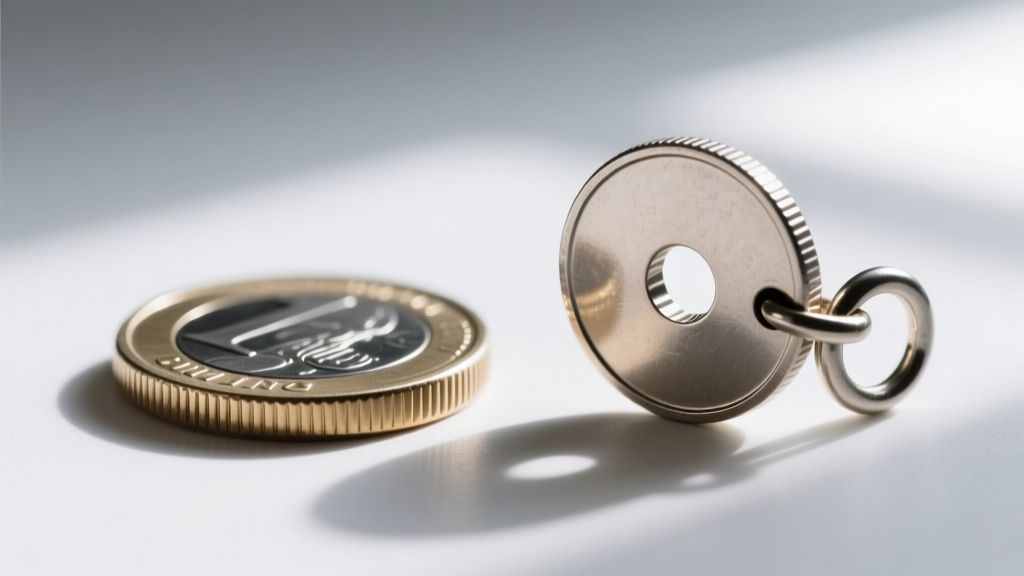
A bezel setting involves encasing the coin in a metal ring that grips the edge. This is the gold standard for coin jewelry. A high-quality sterling silver or 14k gold bezel will feature a 'snap' or 'screw-top' mechanism, or a traditional prong setting that presses gently against the coin's reeded edge. This method preserves the coin's structural integrity, meaning it can be removed from the necklace in the future and returned to a collector's slab or album without losing its numismatic grade.
The Drill and Bail Method (Avoid)
Some mass-market jewelers drill a hole directly through the top of the coin to thread a jump ring or solder a bail. Never buy a drilled VN Balboa coin if you care about its historical value. Drilling permanently alters the planchet, destroys the coin's grade, and significantly lowers its resale value to scrap or novelty status. Always insist on a non-destructive bezel mount.
Pairing the Right Chain: Weight and Proportions
A 38.1mm silver Balboa coin is heavy, often weighing between 25 and 30 grams once the metal bezel is added. A flimsy chain will snap under this weight, and a chain that is too thick will overpower the intricate details of Vasco Núñez's portrait. Below is a structural pairing guide to ensure your necklace is both durable and visually balanced.
| Coin Denomination | Diameter | Total Pendant Weight | Recommended Chain Gauge | Best Chain Styles |
|---|---|---|---|---|
| 1/2 Balboa | 30.6mm | 15g - 18g | 2.5mm - 3.5mm | Box Chain, Figaro |
| 1 Balboa (Standard) | 38.1mm | 28g - 34g | 4.0mm - 5.5mm | Curb, Rope, Mariner |
| 5 Balboas (Large) | 45.0mm+ | 45g+ | 6.0mm - 8.0mm | Thick Cuban Link, Rope |
For the classic 1 Balboa VN pendant, a 4.5mm stainless steel or sterling silver rope chain is the ultimate sweet spot. The twisted grooves of a rope chain mimic the nautical theme of Balboa's maritime explorations, while providing the tensile strength required to support a 30-gram pendant without stretching the links.
Styling and Proportions: Getting the Fit Right
Because the VN Balboa is a statement piece, chain length dictates how it interacts with your wardrobe. The goal is to let the coin rest in an area of high visibility without looking like a pocket watch on a string.
- The 20-Inch Drop (Collarbone Rest): Best for crew neck t-shirts and casual streetwear. The coin sits just below the clavicle, making the Vasco Núñez profile immediately visible.
- The 24-Inch Standard (Mid-Chest): The most versatile length for 2026 menswear and womenswear. It allows the heavy pendant to swing freely and rest over the top button of an unbuttoned linen shirt or a dark charcoal sweater.
- The 30-Inch Lariat (Layering Length): Ideal for layering. Pair a 30-inch Balboa coin with a thinner, 22-inch plain box chain to create a staggered, textured look that draws the eye downward.

Preserving the Patina: Care and Maintenance
One of the most common mistakes beginners make with numismatic jewelry is aggressively polishing it. The dark, oxidized crevices around Vasco Núñez's portrait and the lettering on the rim are known as 'patina' or 'toning.' This contrast is what makes the design pop.
According to the Gemological Institute of America (GIA), harsh chemical silver dips and abrasive polishing cloths will strip away this natural toning, leaving the coin with a flat, blindingly white appearance that collectors despise. Furthermore, the American Numismatic Association (ANA) strictly advises against rubbing the surface of any historical coin.
How to Clean Your VN Balboa Safely
- Remove the Coin: If your bezel is a screw-top or snap-fit, carefully remove the silver Balboa from the metal housing.
- The Soap Soak: Submerge the coin in a bowl of lukewarm distilled water with a few drops of pH-neutral dish soap for 5 minutes.
- The Gentle Rinse: Rinse under a gentle stream of distilled water. Do not use tap water, as chlorine and fluorides can cause irreversible spotting on 90% silver.
- Pat Dry: Gently pat the coin dry with a microfiber cloth. Never rub or buff the surface.
- Clean the Bezel: You can aggressively polish the empty metal bezel and chain with a jeweler's cloth, as these hold no numismatic value.
Pricing Expectations and Where to Buy
As of 2026, the market for high-quality coin jewelry has stabilized, but prices vary wildly based on the coin's date and the bezel's metal. Here is a realistic pricing framework for beginners:
- Entry-Level ($60 - $120): A modern (post-1966) copper-nickel Balboa set in a sterling silver snap bezel on a basic chain.
- Mid-Tier Collector ($180 - $350): A vintage 1930s-1950s 90% silver Balboa with a nice natural patina, housed in a heavy 14k yellow or white gold bezel, paired with a durable rope chain.
- Premium Numismatic ($500+): A rare, high-grade (Uncirculated or About Uncirculated) silver Balboa in a custom-fabricated prong bezel that guarantees zero edge friction, complete with a heavy solid gold chain.
When shopping, avoid generic mall jewelers who may suggest drilling the coin. Instead, seek out specialized numismatic jewelers or reputable online coin dealers who offer 'bezel-only' mounting services. By understanding the history, metallurgy, and proper care of the VN Balboa coin necklace, you are not just wearing a piece of jewelry; you are preserving a wearable artifact of maritime history.


