Stainless Steel Heart Necklace Value: Is It Worth Buying?
Discover if a stainless steel heart necklace is worth your money. We break down 316L vs 304 steel, PVD plating, pricing tiers, and construction quality.

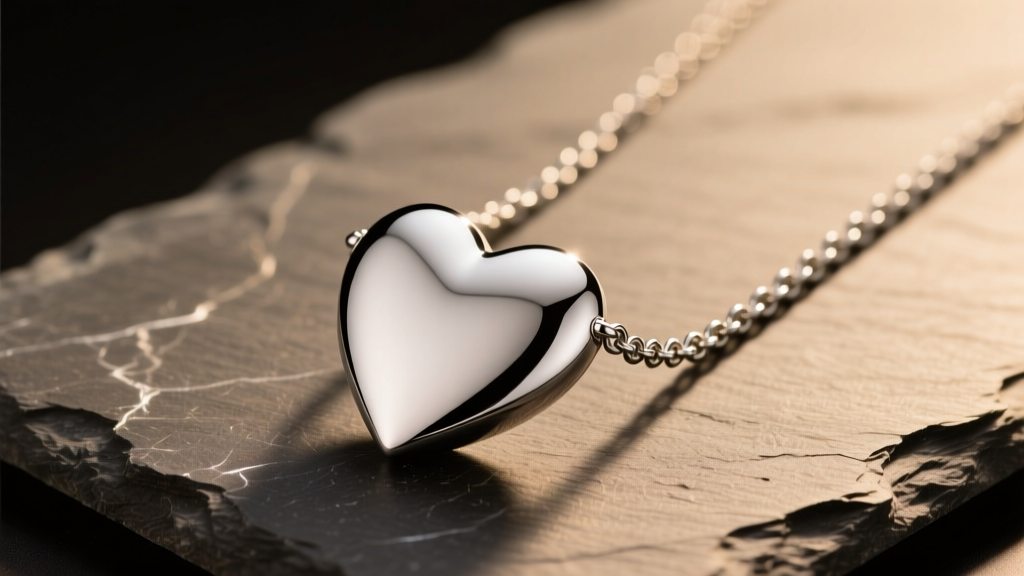
The jewelry market in 2026 has seen a massive shift toward alternative metals, with stainless steel emerging as a dominant force in everyday wear. Among the most searched and purchased items is the classic stainless steel heart necklace. It promises the look of fine jewelry without the precious metal price tag. But as the market floods with options ranging from $8 fast-fashion impulse buys to $85 boutique pieces, consumers are left asking a critical question: how do you assess the true value of stainless steel jewelry?
When evaluating a stainless steel heart necklace, the initial price tag is only a fraction of the value equation. True value is determined by metallurgical composition, plating technology, hardware integrity, and long-term wearability. In this comprehensive budget and value assessment, we will dissect exactly what you are paying for, where brands cut corners, and how to identify a stainless steel heart necklace that will actually stand the test of time.
The Metallurgy of Affordability: 316L vs. 304 Stainless Steel
Not all stainless steel is created equal. The fundamental baseline for value in any steel jewelry piece is the specific alloy used. According to the World Steel Association, stainless steel encompasses dozens of distinct grades, but the jewelry industry primarily relies on two: 304 and 316L.
316L Surgical and Marine Grade Steel
If you are investing in a stainless steel heart necklace, 316L is the gold standard. The 'L' stands for low carbon, which prevents carbide precipitation during welding (meaning the jump rings and chain links remain structurally sound). More importantly, 316L contains 2-3% molybdenum. This specific elemental addition drastically increases resistance to chlorides and industrial solvents. In practical terms, this means a 316L necklace will not pit, rust, or degrade when exposed to sweat, swimming pool chlorine, or ocean salt water. It is also highly compliant with EU REACH regulations regarding nickel release, making it genuinely hypoallergenic for the vast majority of wearers.
304 Commercial Grade Steel
Budget brands often utilize 304 stainless steel to keep manufacturing costs down. While 304 is still highly durable and resistant to basic oxidation, it lacks molybdenum. If you wear a 304 steel heart necklace daily, exposing it to acidic sweat or salt water, you will eventually notice microscopic pitting on the surface. Over a year or two, this pitting traps dirt and oils, causing the pendant to look perpetually dull. When assessing value, a 304 steel necklace should command a significantly lower price point than its 316L counterpart.
The Gold-Tone Trap: PVD Coating vs. Electroplating
If you are purchasing a silver-tone stainless steel heart necklace, the metal's natural polished finish is all you need to worry about. However, if you want a gold, rose gold, or black steel necklace, the plating method dictates the lifespan of your jewelry. This is where the most significant value discrepancies occur in the 2026 market.
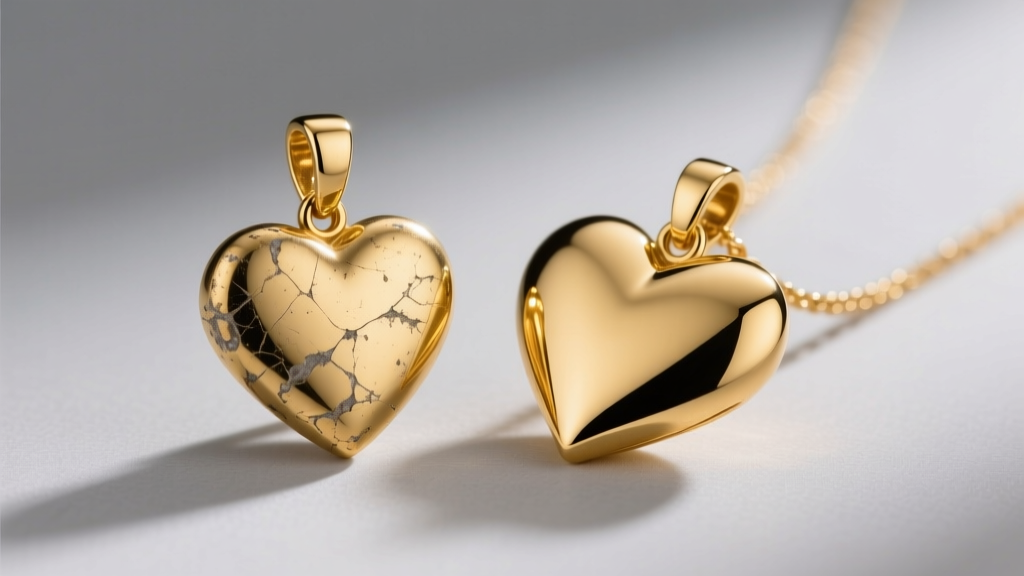
Physical Vapor Deposition (PVD)
PVD is a vacuum-chamber process where titanium nitride or real gold vapor is bonded to the stainless steel at a molecular level. PVD coatings are exceptionally hard—often measuring over 2,000 on the Vickers hardness scale—and are highly resistant to scratching and UV fading. A gold-tone stainless steel heart necklace plated via PVD will easily retain its color for 2 to 5 years of daily wear, even with exposure to water and cosmetics. Brands utilizing PVD charge a premium, but the cost-per-wear makes it an exceptional value.
Traditional Electroplating
Electroplating involves submerging the steel in a chemical bath and using an electrical current to deposit a microscopic layer of gold or color. This layer is soft, porous, and sits on top of the steel rather than bonding with it. Electroplated steel jewelry will typically begin to flake, fade, or reveal the silver steel underneath within 3 to 6 months of regular wear. If a gold steel necklace is priced suspiciously low, it is almost certainly electroplated, representing poor long-term value.
Stainless Steel Heart Necklace Pricing Tiers (2026 Market Data)
To help you navigate the market, we have categorized the current pricing landscape for stainless steel heart necklaces based on material quality, construction, and brand positioning.
| Price Tier | Typical Steel Grade | Plating Method | Hardware Quality | Value Verdict |
|---|---|---|---|---|
| $8 - $18 (Fast Fashion) | 304 or Unspecified | Electroplated / Painted | Spring ring clasps, unsoldered jump rings | Poor. High risk of tarnish, chain breakage, and skin irritation. |
| $22 - $45 (Mid-Tier / Direct-to-Consumer) | 316L Surgical | PVD Coated or Raw Polish | Lobster claw clasps, laser-welded links | Excellent. The sweet spot for durability, hypoallergenic wear, and longevity. |
| $55 - $120+ (Boutique / Designer) | 316L Surgical | PVD with Ceramic Inlays / Cubic Zirconia | Custom branded clasps, heavy-gauge chains | Fair. You are paying for brand prestige and complex design, not just the base metal. |
As noted by industry experts at Jewelers of America, consumers are increasingly prioritizing material transparency over brand names, pushing mid-tier direct-to-consumer brands to offer 316L steel with PVD plating at highly competitive price points.
Hardware and Chain Construction: Spotting the Hidden Costs
A stainless steel heart necklace is only as strong as its weakest link. Budget manufacturers often use high-quality steel for the heart pendant itself, but cut corners on the chain and hardware to maintain their profit margins. When conducting your value assessment, inspect these three critical areas:
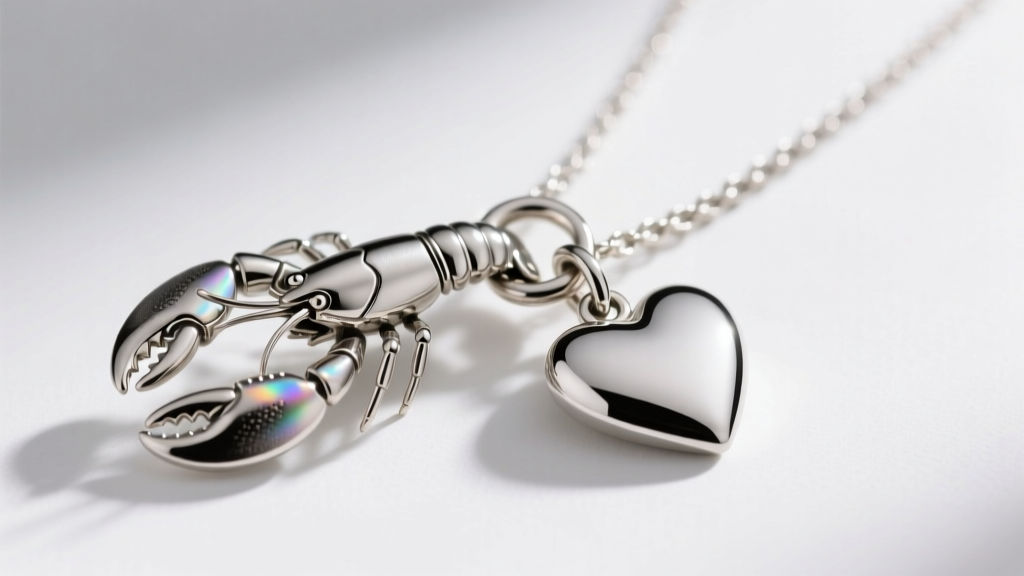
- The Clasp: Avoid spring-ring clasps. They are notoriously difficult to operate with one hand, and the internal tension spring is usually made of cheap brass that corrodes quickly. A high-value necklace will feature a stainless steel lobster claw clasp, which offers a secure, mechanical lock.
- Jump Rings: The jump ring connects the clasp to the chain, and the pendant to the chain. On cheap necklaces, these are simply bent into a circle (unsoldered). A sharp tug will pull the wire apart, losing your pendant. Look for laser-welded or soldered jump rings where the seam is completely fused shut.
- Chain Link Welding: Hold the chain up to the light. If the individual links of the cable or rope chain are open at the seams, they will snag on clothing and eventually pull apart. Quality chains feature seamlessly welded links, ensuring high tensile strength despite a delicate appearance.
Care and Longevity Framework
Even the highest quality 316L stainless steel heart necklace requires basic maintenance to maintain its mirror finish and structural integrity. To maximize your investment, follow this minimalist care framework:
- Microfiber Polishing: Steel accumulates skin oils and fingerprint smudges. Wipe the heart pendant down weekly with a dry, lint-free microfiber cloth. Avoid liquid silver polishes, as they contain harsh abrasives that can strip PVD gold coatings.
- Chemical Avoidance: While 316L is highly resistant to corrosion, prolonged exposure to harsh household bleach or undiluted chlorine can cause surface clouding. Remove your necklace before deep-cleaning your home.
- Storage Separation: Stainless steel is harder than silver and gold, but it can still be scratched by diamonds, sapphires, or tungsten carbide. Store your steel heart necklace in a dedicated soft pouch to prevent friction scratches from other jewelry.
The Final Verdict: How to Maximize Your Budget
'True value in alternative jewelry is not about finding the absolute lowest price; it is about finding the intersection of metallurgical integrity and wearable longevity.'
So, is a stainless steel heart necklace worth it? Absolutely—but only if you buy the right one. The market is saturated with deceptive pricing, where poorly constructed 304 steel with flaking electroplating is sold at the same price as expertly crafted 316L surgical steel.
To ensure you are getting genuine value, set a budget between $25 and $45. In this bracket, you can reliably secure a 316L stainless steel heart necklace featuring PVD coating (if you prefer gold tones), a secure lobster claw clasp, and welded chain links. By prioritizing material grades and construction techniques over flashy packaging or fast-fashion trends, you secure a timeless, hypoallergenic piece of jewelry that will effortlessly outlast its price tag.


