Star Sign Necklace Trends 2026: Beyond Basic Zodiac Pendants
Discover 2026 star sign necklace trends, from celestial map pendants to constellation layering. Expert styling tips and material guides inside.

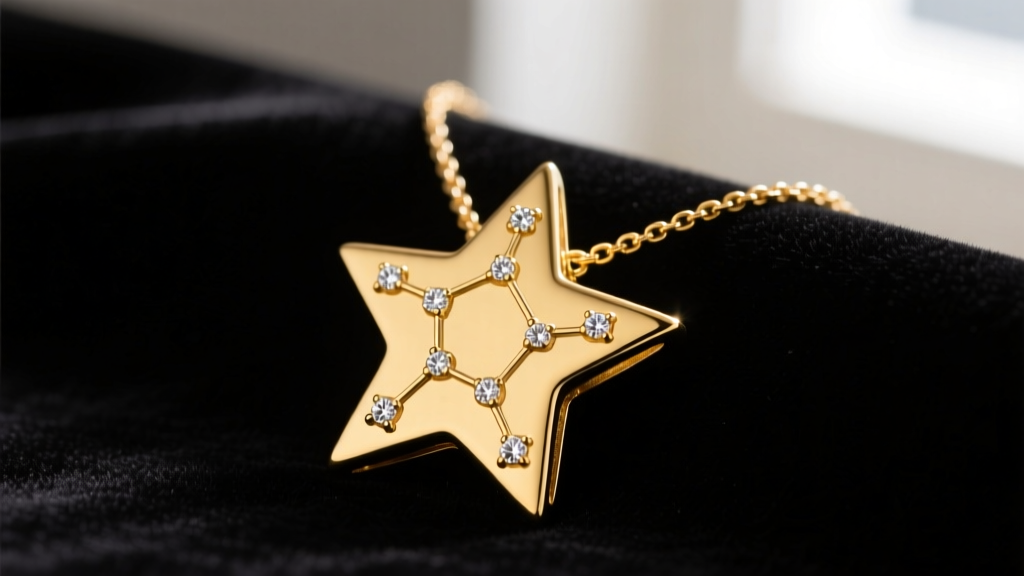
Astrological jewelry has transcended fleeting trend status to become a permanent pillar of personal styling. However, as we navigate the jewelry landscape of 2026, the execution of the star sign necklace has evolved dramatically. The days of mass-produced, flat-stamped zodiac coins on flimsy chains are behind us. Today’s collectors and style enthusiasts demand astronomical accuracy, advanced metallurgical techniques, and highly personalized layering frameworks. Whether you are a minimalist seeking a subtle celestial nod or a maximalist building a curated neckline stack, understanding the nuanced shifts in astrological jewelry design is essential for making informed, heirloom-quality purchases.
The 2026 Shift: From Coin Pendants to Celestial Cartography
The most significant design evolution this year is the pivot from symbolic zodiac glyphs (like the stylized ram for Aries or the scales for Libra) to precise celestial cartography. Jewelers are now utilizing advanced CAD (Computer-Aided Design) and laser-engraving technologies to map the exact star formations of constellations as they appear in the night sky.
Instead of a generic lion motif for Leo, modern pendants feature the distinct sickle-shaped asterism of the Leo constellation, often with the brightest star, Regulus, highlighted by a micro-prong-set diamond. This demand for astronomical authenticity means that a high-quality star sign necklace now functions as a wearable star map. When shopping, look for pendants that correctly map the primary stars of your constellation rather than random, aesthetically placed rhinestones.
Material Grades & Metallurgy in Astrological Jewelry
The longevity of your zodiac pendant relies entirely on its metallurgical foundation. In 2026, the market is heavily segmented between 14k and 18k gold, each serving a distinct structural purpose in jewelry manufacturing.
14k vs. 18k Gold: Choosing the Right Alloy
While 18k gold (75% pure gold) offers a richer, deeper yellow hue, it is inherently softer. For a star sign necklace that features intricate micro-pavé diamond settings or delicate prongs holding a suspended birthstone, 14k gold (58.5% pure gold) is the superior choice. The higher alloy content (usually a mix of copper, silver, and zinc) provides the tensile strength necessary to prevent prongs from bending and stones from dislodging during daily wear. Conversely, if your pendant is a solid, smooth-polished celestial map without gemstones, 18k gold is perfectly suitable and offers superior tarnish resistance.
For those opting for sterling silver, ensure the piece is stamped with a .925 hallmark and features a rhodium flash plating. According to the FTC Jewelry Guides, proper hallmarking is legally required to guarantee the precious metal content, protecting you from purchasing heavily alloyed base metals disguised as silver.
The Resurgence of Guilloché Enamel
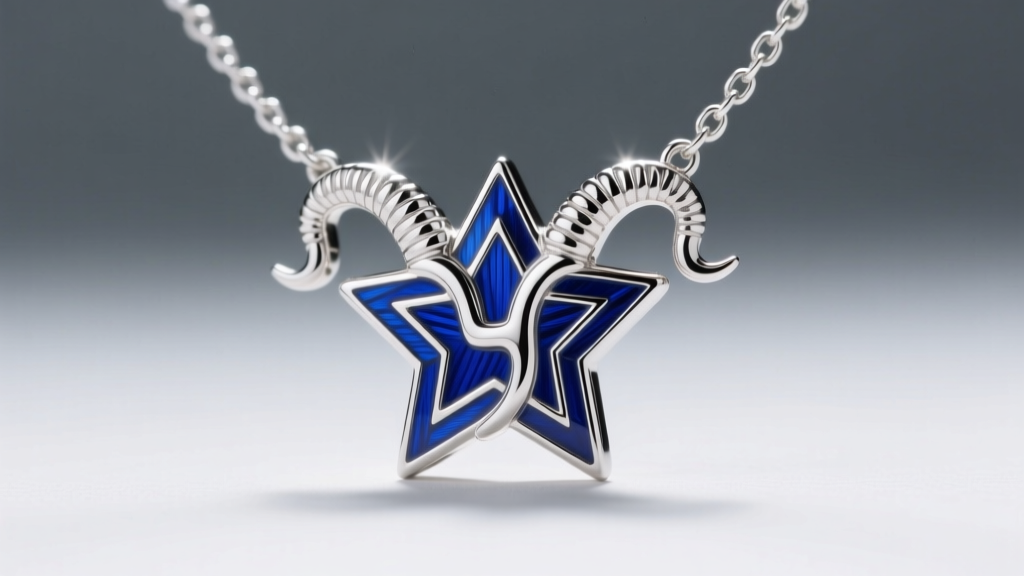
Color is being introduced to zodiac jewelry not through cheap epoxy resins, but through traditional guilloché enamel. This technique involves engine-turning a geometric pattern into the gold or silver base, then fusing translucent, kiln-fired glass enamel over it at temperatures exceeding 1,400°F. The result is a star sign pendant with a mesmerizing, three-dimensional depth that catches the light dynamically. Avoid "cold enamel" (essentially dyed epoxy), which will yellow, chip, and degrade within months of exposure to UV light and skin oils.
Layering Framework: The Constellation Stack
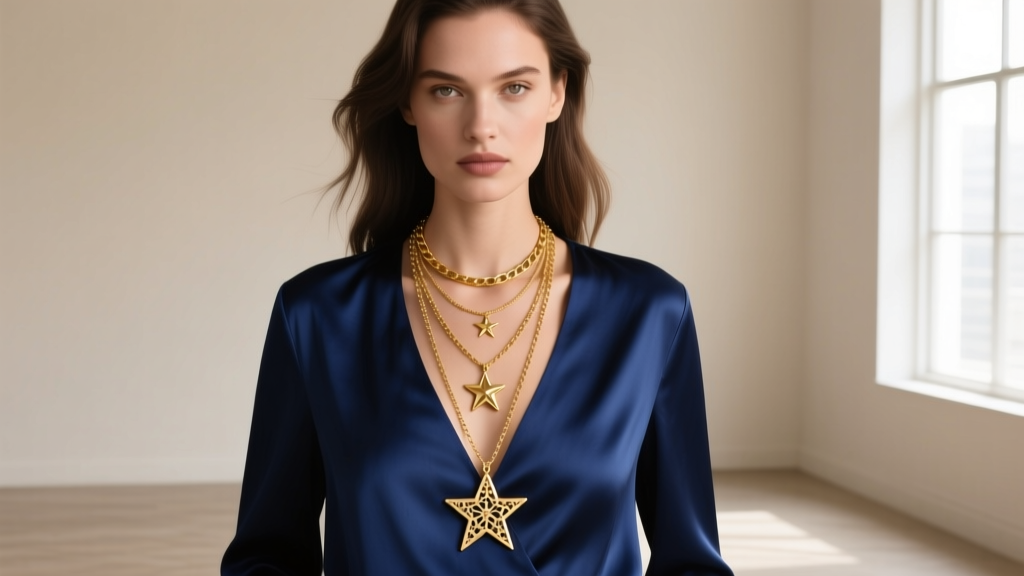
Wearing a single pendant is classic, but the 2026 styling standard is the "Constellation Stack"—a meticulously layered arrangement of chains that mimic the depth of the night sky. The secret to a successful stack lies in varying chain gauges, textures, and exact drop lengths to prevent tangling and visual clutter.
| Layer Position | Chain Type & Gauge | Length | Pendant Pairing |
|---|---|---|---|
| Base (Top) | 1.0mm Cable Chain | 14 - 15 inches | Minimalist zodiac glyph or tiny seed-pearl moon phase |
| Mid (Center) | 1.5mm Rope or Box Chain | 16 - 17 inches | Primary star sign necklace (constellation map with diamonds) |
| Anchor (Bottom) | 2.0mm Figaro or Curb Chain | 18 - 20 inches | Solitaire birthstone drop or celestial compass pendant |
Pro-Tip on Clasp Mechanics: When layering, swap out standard spring-ring clasps (which are difficult to fasten and prone to breaking) for 5mm or 7mm lobster claws. For the anchor chain, consider adding a 2-inch extender chain with a small celestial charm at the end; this not only allows for micro-adjustments over different necklines but adds a beautiful detail when the chain slips to the back of your neck.
Birthstone Integration: Beyond the Sun Sign
A major trend in personalized jewelry is combining the star sign pendant with the wearer's specific birthstone. This adds a secondary layer of personalization, especially for those who feel a stronger connection to their birth month than their astrological sun sign.
According to the Gemological Institute of America (GIA), modern birthstone lists offer durable options suitable for daily-wear necklaces. For example, an Aries (March/April) might pair their constellation pendant with a bezel-set diamond or a deep red garnet. A September Virgo could integrate a royal blue sapphire. When combining a star sign map with a birthstone drop, always opt for bezel settings rather than prong settings for the gemstone drop. Bezels protect the girdle of the stone from chipping against the metal pendant resting just above it.
Styling by Neckline & Occasion
The versatility of the star sign necklace makes it a staple, but the chain length and pendant scale must be adapted to your wardrobe.
- The Crew Neck & Turtleneck: Opt for a heavier, 2.0mm chain at 20 to 22 inches. The pendant should be substantial (at least 1 inch in diameter) to rest visibly over the dense fabric. Matte-finished gold works exceptionally well here, providing a modern contrast to winter knits.
- The Deep V-Neck & Wrap Blouses: This is the ideal canvas for the Constellation Stack. Keep the pendants under 15mm in width so they follow the plunging line of the fabric without looking bulky. A 16-inch and 18-inch combination in high-polish 14k gold will catch the light beautifully against silk or satin.
- Off-the-Shoulder & Square Necklines: Keep it singular and delicate. A 14-inch choker-length chain featuring a tiny, diamond-accented zodiac symbol sits perfectly on the exposed collarbone, drawing the eye upward without competing with the architectural neckline of the garment.
Final Thoughts on Sourcing Quality
As the demand for astrological jewelry peaks, the market is flooded with hollow-cast pendants and gold-plated brass masquerading as solid gold. Always inspect the jump ring connecting the pendant to the chain. High-quality star sign necklaces will feature laser-welded or seamlessly soldered jump rings. If you see a visible slit in the jump ring, it will eventually pull apart under the weight of a solid gold pendant. Invest in solid metals, verify the hallmarks, and embrace the intricate, map-like designs that define the 2026 celestial jewelry renaissance.


