Stardew Valley Bath House Necklace: Material Properties Compared
Compare metals and resins for custom Stardew Valley Bath House necklace replicas. Discover which materials resist tarnish and capture pixel-art details.

The Allure of the Stardew Valley Bath House Aesthetic
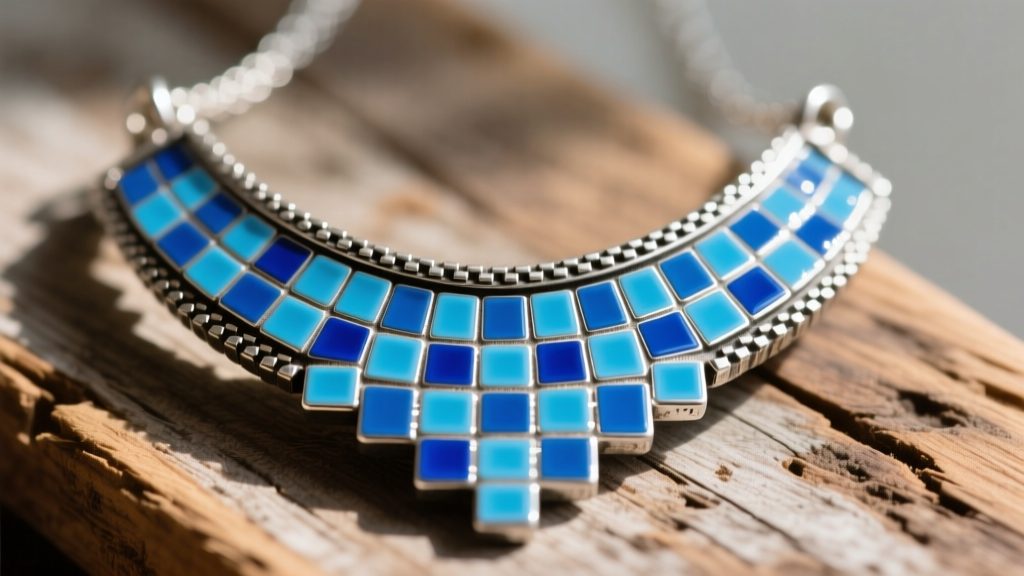
The Stardew Valley Bath House is one of the most iconic, serene locations in the game, characterized by its distinct cyan-and-white tiled walls, gentle steam, and tranquil water features. For fans looking to carry a piece of Pelican Town with them, custom jewelry has become a massive trend. Many collectors searching for a 'necklace bath house stardew' replica are surprised to find a vast disparity in quality, pricing, and material longevity among independent artisans and mass-market sellers.
As of 2026, the custom gaming jewelry market has matured significantly. Artisans are no longer relying on cheap, painted base metals. Instead, they are utilizing advanced metallurgical techniques and modern jewelry-grade resins to capture the exact 16-bit pixel grid of the Bath House tiles. However, choosing the right material is critical. A necklace meant to evoke a steamy, aquatic environment must inherently resist moisture, skin acidity, and UV degradation. This guide breaks down the exact material properties, gauge specifications, and failure modes of Bath House necklace replicas.
Base Metal Comparison: Silver, Brass, and Steel
The structural foundation of any pixel-art pendant dictates its weight, tarnish resistance, and ability to hold intricate enamel or resin inlays. According to the Gemological Institute of America (GIA), the alloy composition of your base metal will directly impact how the piece reacts to daily wear.
Sterling Silver (925)
Sterling silver is the premium choice for high-end replicas. Composed of 92.5% pure silver and 7.5% copper, it offers a brilliant, reflective canvas for blue and white tile inlays. However, the copper content makes it susceptible to sulfur-induced tarnishing. For a 'Bath House' themed piece, artisans often apply a thin rhodium plating or utilize an intentional oxidized (blackened) finish in the recessed pixel grooves to make the cyan enamel pop. Unplated sterling silver will require monthly polishing with a treated jeweler's cloth to maintain its luster.
Enameled Brass
Brass (an alloy of copper and zinc) is the most common base for mid-tier pixel-art jewelry. It is highly malleable, making it easier for manufacturers to stamp out the sharp, 90-degree angles required for pixel art. The primary failure mode of brass is 'green skin syndrome.' When the copper in brass reacts with the lactic acid in human sweat (which typically has a pH between 4 and 7), it creates copper chloride, leaving a green residue on the wearer's chest. To prevent this, ensure the brass pendant is heavily lacquered or features a complete hard-enamel coating that seals the metal from skin contact.
316L Surgical Stainless Steel
For maximum durability, 316L stainless steel is unmatched. The 'L' stands for low carbon, and the alloy includes molybdenum, which provides exceptional resistance to chlorides and moisture—ironically perfect for a Bath House theme. While it will not tarnish or turn your skin green, steel is incredibly hard. Stamping microscopic pixel grids into steel requires high-tonnage hydraulic presses, meaning steel replicas often feature slightly softer, less crisp pixel edges compared to brass or silver.
Capturing the Pixel Grid: Hard Enamel vs. Epoxy Resin
The true magic of a Bath House necklace lies in the replication of the game's iconic blue and white tiles, as well as the translucent water effects. The material used to fill the metal voids dictates the pendant's lifespan and visual accuracy.
| Material | Application Process | Pixel Edge Crispness | UV & Moisture Resistance | Avg. Price (2026) |
|---|---|---|---|---|
| Hard Enamel (Cloisonné) | Fired at 800°C, polished flat | Exceptional (Sharp 90° angles) | Impervious to UV and water | $45 - $90 |
| Soft Enamel | Air-dried, recessed texture | Good (Visible metal ridges) | High, but ridges trap dirt | $20 - $40 |
| Epoxy Resin (Modern UV) | Poured and UV/heat cured | Soft (Slight meniscus bleed) | Excellent (2026 UV-stable formulas) | $35 - $75 |
Why Hard Enamel Wins for Tile Patterns
Hard enamel, also known as cloisonné, involves packing vitreous glass powder into the metal recesses and firing it in a kiln at roughly 800°C. Once cooled, the pendant is ground down and polished until the enamel is perfectly flush with the metal lines. This creates a smooth, glass-like surface that perfectly mimics the flat, glossy tiles of the Stardew Valley Bath House. It is completely waterproof and will never fade.
The Role of Advanced Epoxy Resins
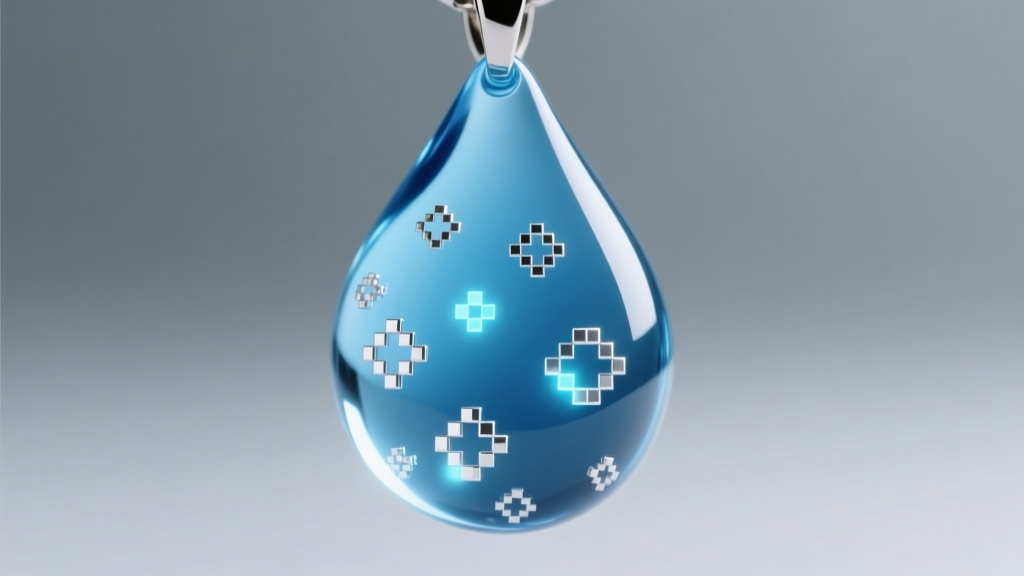
While enamel is best for tiles, it cannot replicate the translucent, 3D look of the Bath House's steaming water or the Mermaid Pendant motifs. This is where epoxy resin shines. Historically, resin jewelry suffered from severe yellowing when exposed to UV light. However, modern 2026 formulations utilizing advanced HALS (Hindered Amine Light Stabilizers) remain crystal clear for decades. Artisans can embed tiny silver pixel-art bubbles or mica powders inside the resin to create a dynamic, liquid-like depth that enamel cannot achieve.
Chain Selection & Gauge Specifications
A heavy, enameled brass tile pendant will easily snap a delicate chain, while a lightweight resin water droplet will look unbalanced on a thick curb chain. Matching the chain gauge to the pendant's weight is a critical structural consideration.
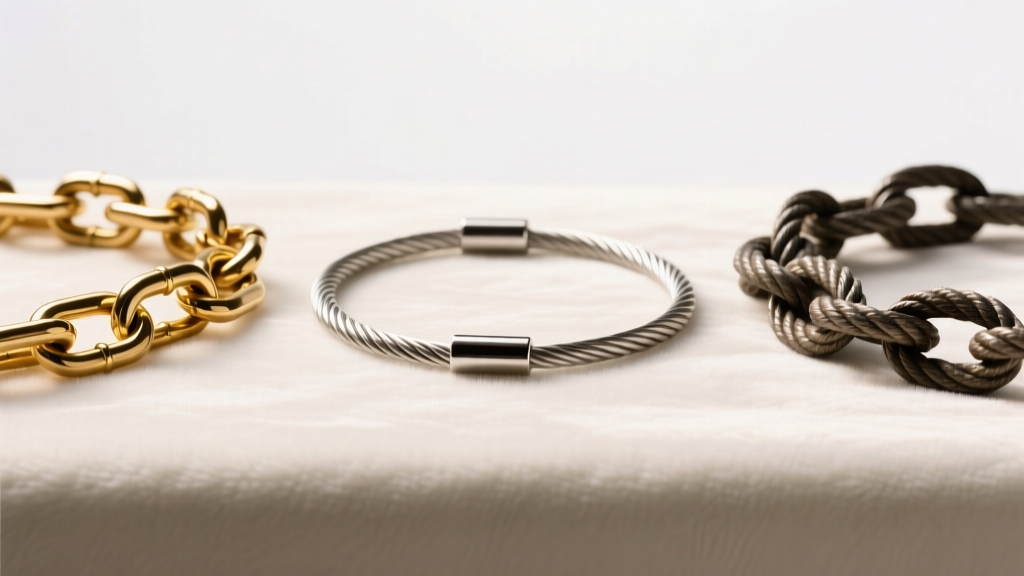
- 22-Gauge (0.64mm) Cable Chain: Ideal for lightweight resin pendants (under 5 grams). Provides a delicate, minimalist look that keeps the focus on the pixel art. Usually rated for up to 3 lbs of tensile pull before breaking.
- 18-Gauge (1.02mm) Box or Rolo Chain: The sweet spot for standard 1-inch hard enamel tile pendants (10-15 grams). The box chain's square links subtly echo the pixel-art aesthetic of the pendant itself.
- 16-Gauge (1.29mm) Figaro or Curb Chain: Required for oversized, multi-tile mosaic pendants or heavy solid silver pieces exceeding 20 grams. Offers high tensile strength and prevents the clasp from slipping to the front of the neck.
Always verify the clasp type. The Silver Institute notes that sterling silver is highly malleable; therefore, a standard spring-ring clasp on a silver chain can easily be pulled open if the heavy Bath House pendant catches on a sweater. Opt for a lobster claw clasp with a reinforced soldered jump ring for security.
The "Bath House" Durability Test: Moisture and Skin pH
Given the thematic inspiration, wearers often assume these necklaces are suited for aquatic environments. Do not wear your pixel-art necklace in the shower, hot tub, or swimming pool. While the hard enamel and 316L steel will survive, the microscopic gaps between the metal cloisons and the enamel can trap chlorinated water or soap scum. Over time, this leads to a cloudy film that is nearly impossible to remove without ultrasonic cleaning.
Furthermore, hot water and steam cause the skin's pores to open and increase sweat production. The elevated moisture and acidity will rapidly accelerate the oxidation of any exposed sterling silver or unprotected brass backing. To maintain the pristine, spa-like aesthetic of your jewelry, put the necklace on after applying lotions, perfumes, and sunscreens, and wipe it down with a dry microfiber cloth before storing it in an anti-tarnish ziplock bag.
Final Sourcing Framework
When commissioning or purchasing a Stardew Valley Bath House necklace, use this quick decision matrix:
- For the Tile Purist: Demand a 925 sterling silver base with hard-fired cloisonné enamel. Ensure the cyan color matches the game's specific hex palette.
- For the Water/Steam Motif: Look for 2026 UV-stabilized epoxy resin set in a bezel, paired with an 18-gauge box chain to support the resin's density.
- For Daily, Low-Maintenance Wear: Choose a 316L stainless steel base with soft enamel, sealed with a clear epoxy dome to prevent dirt accumulation in the metal ridges.
By prioritizing material science over mere aesthetics, you ensure your piece of Pelican Town remains as vibrant and enduring as the virtual sanctuary it represents.


