The Victorian Charm Necklace Trend: 2026 Style & Authentication Guide
Explore the 2026 Victorian charm necklace trend. Learn to style, authenticate, and layer antique mourning and sentimental charms with modern chains.

The Resurgence of Sentiment: Why 2026 is the Year of the Victorian Charm Necklace
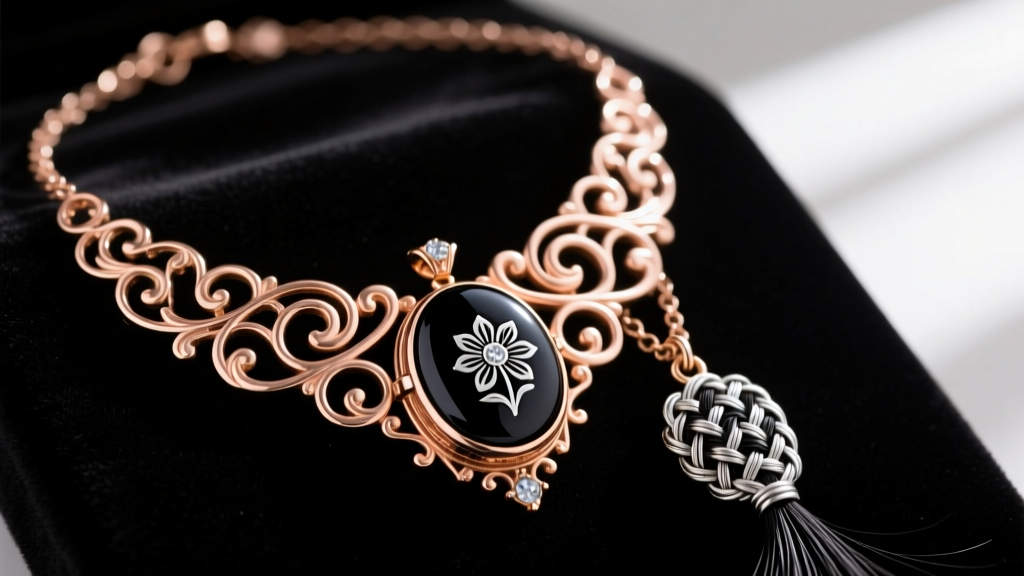
In the ever-evolving landscape of jewelry trends, 2026 has seen a definitive pivot away from the hyper-minimalist aesthetics of the early 2020s toward a deeply personal, historically rich aesthetic. At the forefront of this movement is the Victorian charm necklace. No longer confined to dusty estate jewelry cases, these intricate, narrative-driven pieces are dominating both high-editorial spreads and curated street style. The modern collector is drawn to the Victorian charm necklace not just for its ornate beauty, but for the tangible history and emotional weight each charm carries. Whether it is a mourning locket woven with human hair or a sentimental padlock symbolizing eternal devotion, these pieces offer an antidote to mass-produced fast fashion.
However, integrating 19th-century artifacts into a contemporary wardrobe requires a nuanced understanding of historical materials, chain anatomy, and proper preservation. As demand surges, the market has been flooded with high-quality reproductions, making authentication a critical skill for the modern collector. This comprehensive guide will dissect the anatomy of the Victorian charm necklace, provide a framework for authenticating antique pieces, and offer actionable styling techniques for the 2026 season.
Decoding the Anatomy: Materials and Motifs of the 19th Century
To truly appreciate a Victorian charm necklace, one must understand the materials that defined the era (1837–1901). The Victorians were masterful at utilizing both precious and unconventional materials to convey complex social messages, particularly surrounding courtship and mourning.
Precious Metals and the 15k Standard
Unlike modern jewelry, which typically relies on 14k or 18k gold, authentic British Victorian pieces were frequently crafted in 15k gold. This specific alloy, containing 62.5% pure gold, was the UK standard until the Hallmarking Act of 1932. The copper-heavy alloy gave 15k rose gold its distinctive, warm peach-pink hue, which remains highly coveted by antique collectors today. When examining a Victorian charm necklace, a faint, often worn hallmark indicating 15k is a strong indicator of age and origin.
Whitby Jet vs. French Jet
Mourning jewelry saw a massive spike in popularity following the death of Prince Albert in 1861. The premier material for these somber pieces was Whitby jet, a fossilized wood from the Araucaria tree found on the Yorkshire coast. Genuine Whitby jet is incredibly lightweight and warm to the touch, with a Mohs hardness of just 2.5 to 4.0. In contrast, "French Jet" is actually black glass, which is heavier, colder, and much harder (5.5 to 7.0 on the Mohs scale). According to the The Metropolitan Museum of Art, distinguishing between the two is crucial, as genuine Whitby jet commands a significant premium in the antique market.
Vulcanite and Gutta-Percha
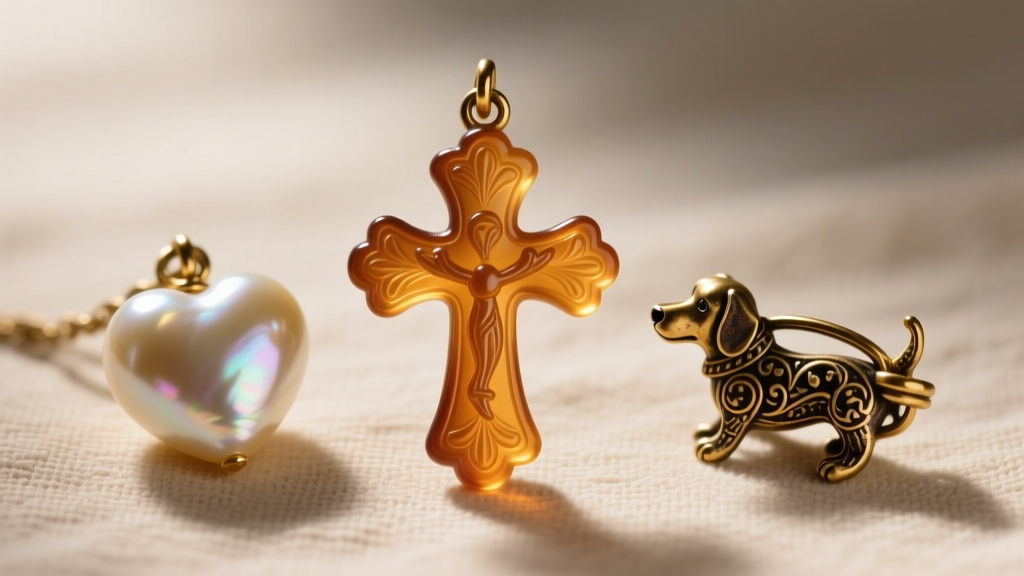
For those who could not afford jet, vulcanite (hardened india rubber) and gutta-percha (a rigid natural latex) were popular alternatives. Vulcanite was molded into intricate cameo and floral charm designs. Over time, vulcanite can oxidize and turn a dusty brown, whereas gutta-percha tends to remain dark but may develop fine, spiderweb-like cracks.
2026 Trend Analysis: Styling and Layering Antique Charms
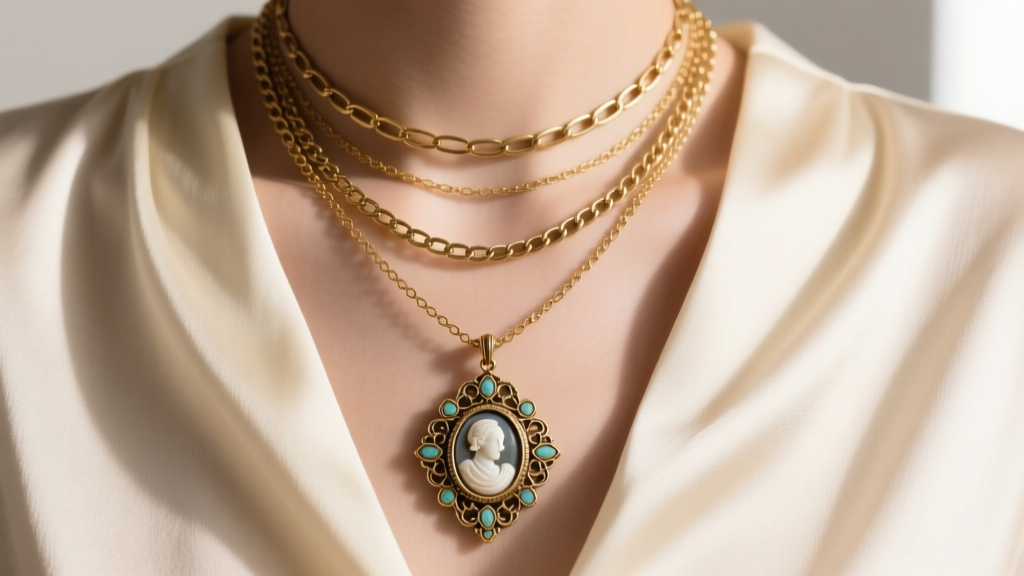
The 2026 approach to the Victorian charm necklace is all about juxtaposition. The "Curated Neck" trend relies on mixing the heavy, ornate patina of antique charms with the sleek, precise lines of modern chain work. Here is how leading stylists are approaching the layering process this year:
- The Choker-Opera Stack: Pair a 15-inch antique velvet ribbon choker featuring a single, heavy 15k gold mourning locket with a 28-inch opera-length modern belcher chain adorned with smaller, delicate seed pearl charms. This creates a striking vertical line that elongates the neck.
- Metal Mixing with Intent: Do not be afraid to mix the warm, rosy tone of antique 15k gold with the bright, yellow hue of modern 14k or 18k gold chains. The slight color variation highlights the age and authenticity of the Victorian centerpiece.
- The Asymmetrical Drape: Utilize a 24-inch matinee chain and allow a heavy vulcanite cross or jet heart charm to rest off-center, layered over an asymmetrical silk blouse or a structured, oversized blazer.
When building your stack, always ensure that the weight of the modern chain can support the antique charm. A heavy solid gold locket will easily snap a delicate, modern hollow-curb chain. Opt for solid trace or belcher chains with a minimum wire gauge of 1.2mm for pendants weighing over 10 grams.
Authentication Matrix: Antique vs. Reproduction
As the popularity of the Victorian charm necklace has grown, so has the sophistication of reproductions. Mass-produced "antique-style" charms often feature artificial patinas and modern casting marks. To protect your investment, use this authentication matrix when evaluating potential purchases. The Victoria and Albert Museum emphasizes that examining the findings (clasps, jump rings, and hinges) is often more revealing than examining the charm itself.
| Feature | Antique (Pre-1901) | Modern Reproduction |
|---|---|---|
| Clasp Type | C-clasp, T-bar, or simple push-in barrel | Lobster claw or modern spring ring |
| Jump Rings | Soldered O-rings or figure-8 links | Machine-cut split rings |
| Gold Karat | 15k (UK standard until 1932), 9k, or 18k | 10k, 14k, or 18k |
| Solder Marks | Visible, slightly off-color lower-karat solder | Laser welded or perfectly blended |
| Patina & Wear | Deep, uneven wear in recessed areas and high-friction points | Artificial, uniform chemical darkening |
| Casting Marks | Hand-finished, occasional file marks on edges | Smooth, with potential pitting from rubber molds |
Pro-Tip: If a piece features a modern lobster clasp, it does not automatically mean the charm is fake. Many genuine Victorian charms have had their original C-clasps replaced over the last century for security. Always evaluate the charm's jump ring and the bail attachment for signs of modern soldering.
Sourcing and Market Pricing in 2026
Acquiring a genuine Victorian charm necklace requires patience and a trusted network of sellers. While platforms like Etsy offer a vast selection, buyers must rigorously scrutinize seller reviews and request high-resolution macro photos of the clasps and hallmarks. Specialized antique jewelry dealers on platforms like 1stDibs or Ruby Lane often provide vetted pieces with accurate historical context, though at a premium.
Current Pricing Brackets
The market for antique charms is highly segmented based on material, condition, and provenance. Here is what you can expect to pay in the current 2026 market:
- $150 – $350: Base metal, vulcanite, or gutta-percha charms; simple 9k gold fobs without intricate detailing; damaged or heavily worn lockets missing their inner frames.
- $400 – $1,200: High-quality 15k rose gold charms, carved Whitby jet lockets in pristine condition, and silver pieces with elaborate hand-engraved floral motifs.
- $1,500 – $3,500+: Intricate woven hair jewelry encased in rock crystal or gold, seed pearl mourning pendants with verified provenance, and enamel-on-gold sentimental lockets featuring rare color palettes (such as turquoise and pearl for "forget me not").
Care and Preservation of 19th-Century Artifacts
Antique jewelry requires a vastly different care regimen than modern pieces. The most common mistake new collectors make is treating a Victorian charm necklace like contemporary jewelry. Never place a Victorian charm in an ultrasonic cleaner. The high-frequency vibrations can easily shatter Whitby jet, which is prone to internal fissures, and will instantly destroy the delicate structural integrity of woven hair jewelry or seed pearl adhesives.
For metal charms, use a soft, lint-free jeweler's cloth. Avoid harsh chemical dips, as they can strip the 150-year-old patina that gives the piece its historical character and value. If a vulcanite or gutta-percha charm becomes dusty, gently wipe it with a barely damp microfiber cloth and dry it immediately. Store your Victorian charm necklace in an acid-free archival box, separated from harder gemstones that could scratch the relatively soft gold and organic materials. By respecting the fragile nature of these artifacts, you ensure that the stories they carry will survive for another century.


