Toe Necklace Care: How to Clean and Maintain Chains
Discover expert tips for cleaning and maintaining your toe necklace. Learn how to prevent tarnish, fix broken clasps, and protect delicate foot chains.

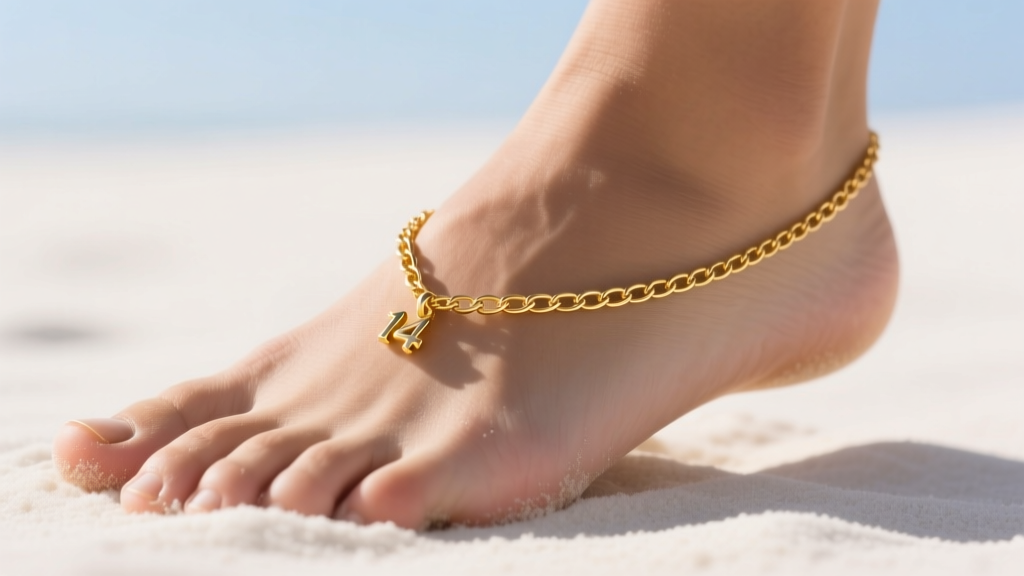
The Hidden Toll on Your Toe Necklace
A toe necklace—often referred to interchangeably as a toe chain, barefoot sandal, or foot drape—is a striking bohemian accessory that bridges the gap between traditional anklets and toe rings. While they share design DNA with standard necklaces and pendants, toe necklaces operate in one of the most hostile environments for fine jewelry. Unlike a pendant resting safely against your collarbone, a toe necklace is subjected to the biomechanical friction of walking, the abrasive nature of silica sand, the corrosive properties of saltwater, and the acidic pH of human sweat.
As of 2026, the trend of adorning toe necklaces with delicate pendant drops—such as micro-cowrie shells, turquoise cabochons, and hammered gold coins—has surged. However, these additions introduce new vulnerabilities. Porous stones can trap sand and bacteria, while delicate chain links can snap under the lateral tension of a single misstep. To preserve the structural integrity and visual brilliance of your foot jewelry, you must adopt a specialized care regimen that goes far beyond a simple wipe-down.
The Biomechanical & Environmental Threat Matrix
Before diving into cleaning protocols, it is crucial to understand exactly what is degrading your toe necklace. The foot produces a unique microenvironment that accelerates jewelry wear:
- Friction & Abrasion: Walking barefoot or wearing open-toed shoes forces the chain against the skin and the ground. A standard 22-gauge chain can thin by up to 15% in a single summer season of heavy beach wear due to silica friction.
- Sweat Chemistry: Human sweat has a pH ranging from 4.5 to 7.0 and contains urea, ammonia, and lactic acid. This acidic cocktail rapidly oxidizes copper alloys, leading to the dreaded green skin discoloration often seen with cheap gold-plated toe chains.
- Galvanic Corrosion: When saltwater acts as an electrolyte between two different metals (e.g., a sterling silver chain and a brass jump ring), it triggers galvanic corrosion, literally eating away at the less noble metal at the connection points.
Material Durability Chart: What Survives the Beach?
Not all metals are created equal when it comes to foot jewelry. According to the Gemological Institute of America (GIA), the alloy composition dictates how well your jewelry will withstand environmental stressors. Below is a breakdown of common toe necklace materials and their real-world survival rates.
| Material | Grade / Type | Saltwater Resistance | Friction Durability | Maintenance Level |
|---|---|---|---|---|
| Titanium | ASTM F136 (Implant Grade) | Exceptional | High (Rigid) | Very Low |
| Solid Gold | 14k or 18k | Excellent | Moderate (18k scratches easily) | Low |
| Gold-Filled | 14/20 GF | Poor (Core exposure risk) | Low (Wears to brass core) | High |
| Sterling Silver | 925 | Poor (Tarnishes rapidly) | Moderate | Very High |
The 3-Tier Cleaning Protocol
To maintain a pristine toe necklace, you must implement a tiered cleaning strategy. Avoid ultrasonic cleaners entirely if your toe necklace features pendant drops made of porous materials like turquoise, malachite, or pearls, as the high-frequency vibrations can fracture these delicate stones.
Tier 1: The Daily Post-Beach Rinse
Salt and chlorine are the enemies of metal clasps and jump rings. Immediately after leaving the beach or pool, rinse your toe necklace under lukewarm distilled water. Distilled water is preferred over tap water because it lacks the trace minerals and chlorine that can leave micro-deposits on the chain links. Pat dry with a lint-free microfiber cloth, ensuring no moisture is trapped inside the lobster clasp.
Tier 2: The Weekly Surfactant Wash
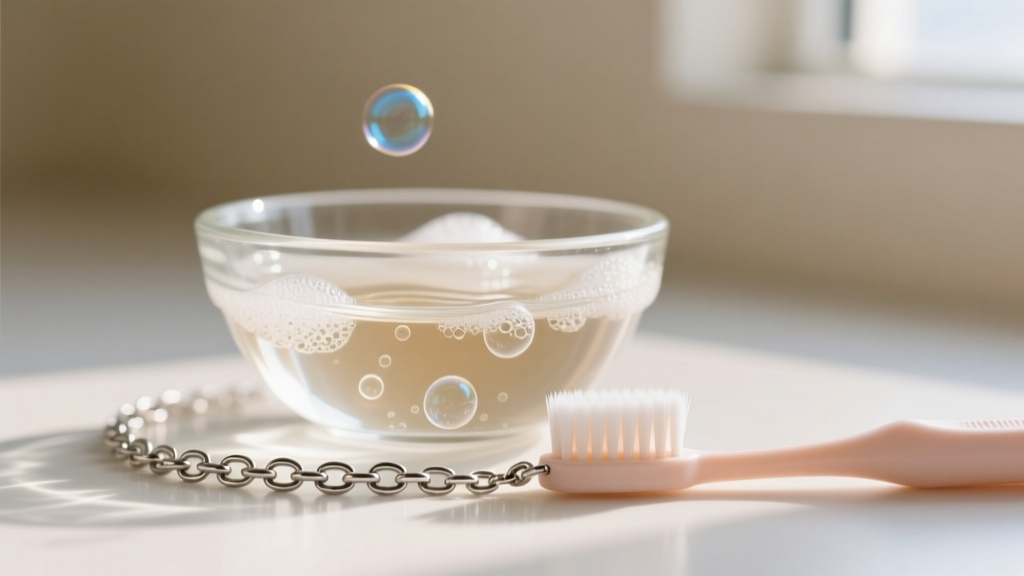
Once a week, or after heavy sweating, perform a deep clean. Mix three drops of a mild, phosphate-free surfactant (like Dawn Ultra dish soap) into a bowl of warm water. Submerge the toe necklace for five minutes to loosen sebum and dead skin cells trapped in the links. Using a soft-bristled baby toothbrush, gently agitate the chain, paying special attention to the jump rings and pendant bails. Rinse thoroughly and air dry on a paper towel.
Tier 3: Chemical Tarnish Removal (Silver Only)
If your sterling silver toe necklace has developed heavy black oxidation (silver sulfide), mechanical polishing with a cloth will remove too much silver over time. Instead, use a thiourea-based silver dip for exactly 10 seconds. Rinse immediately and neutralize the chemical residue by washing with a baking soda and water paste. Never use silver dip on chains with oxidized (blackened) detailing, as it will strip the intentional patina.
Expert Insight: "When cleaning toe chains with intricate pendant drops, always use a wooden toothpick to gently dislodge packed sand from the stone bezels. Metal tools will scratch the silver or gold settings, creating micro-grooves where future dirt will permanently lodge."
Structural Failure Points & Repairs
The most common reason a toe necklace is discarded is not due to tarnish, but structural failure. Understanding these failure modes allows you to preemptively reinforce your jewelry.
The Jump Ring Vulnerability
The connection point between the toe ring and the draping chain is the weakest link. Standard unsoldered jump rings will pull apart under the lateral tension of walking. According to fabrication guidelines from Rio Grande, a jump ring should always be soldered or laser-welded for high-stress applications. If your toe necklace uses a 20-gauge chain, ensure the connecting jump ring is at least 18-gauge and fully soldered. If you notice a gap forming in an unsoldered ring, take it to a jeweler immediately for a quick laser weld before the chain is lost in the sand.
Clasp Corrosion and Sand Infiltration
Standard brass-core spring ring clasps are notorious for failing in beach environments. Sand infiltrates the tiny spring mechanism, causing it to jam or snap. As of 2026, many high-end jewelry makers are upgrading foot chains with titanium magnetic clasps or silicone O-ring toggles. If your clasp feels gritty, do not force it. Soak it in a 50/50 mix of white vinegar and water for 10 minutes to dissolve mineral buildup, then flush with compressed air.
Off-Season Storage Best Practices
When summer ends, how you store your toe necklace dictates whether it will be ready to wear next year or require professional restoration. The American Academy of Dermatology notes that improperly stored jewelry can also harbor bacteria that trigger contact dermatitis upon re-wearing.
- Use Polyethylene, Not PVC: Store your toe necklace in a polyethylene zip-lock bag. Avoid PVC plastics, which off-gas sulfur compounds that aggressively tarnish silver and copper alloys.
- Anti-Tarnish Strips: Drop a 3M Silver Shield anti-tarnish strip into the bag. These strips absorb airborne sulfides and can protect the metal for up to 12 months in a sealed environment.
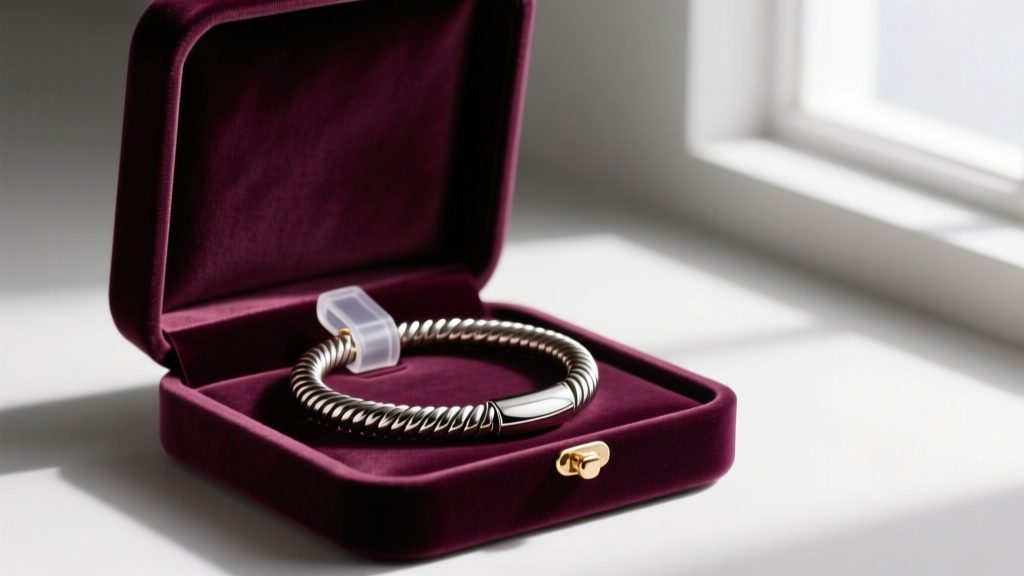
- Coil, Don't Knot: Delicate 22-gauge chains are prone to kinking. Lay the toe necklace flat in a velvet-lined compartment, or loosely coil it around a piece of acid-free tissue paper to maintain the chain's natural curvature without stressing the individual links.
By treating your toe necklace not just as a seasonal novelty, but as a piece of precision-engineered body jewelry, you can ensure it remains a staple of your warm-weather wardrobe for years to come. Regular maintenance, mindful material selection, and proactive structural reinforcement are the keys to effortless barefoot elegance.


