Vial of Blood Necklace Gift Guide & Style Match 2026
Discover the perfect vial of blood necklace for any occasion. Our 2026 gift guide covers materials, sealing methods, and styling for alternative aesthetics.

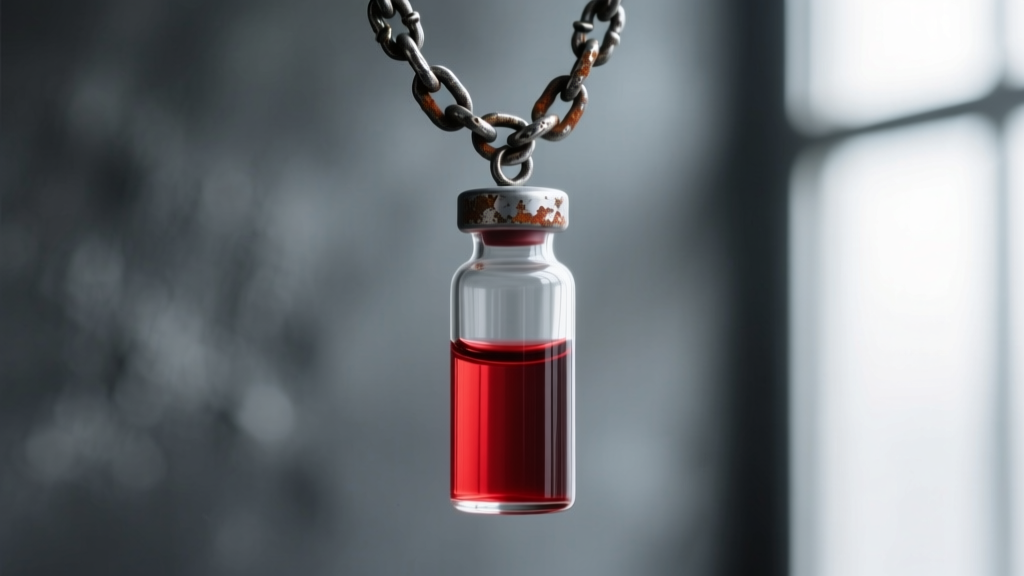
The Allure of the Macabre: Why Gift a Vial of Blood Necklace?
In the landscape of 2026 alternative jewelry, few pieces command attention and convey deep symbolic intimacy quite like the vial of blood necklace. Once relegated to niche gothic subcultures and vampire-themed cosplay, this striking pendant style has evolved into a sophisticated staple of dark academia, alternative romance, and avant-garde fashion. Gifting a vial necklace is no longer just about shock value; it is a profound gesture of trust, connection, and shared aesthetic rebellion. Whether you are shopping for a partner who embraces the macabre, a friend obsessed with dark fantasy literature, or a spouse seeking an unconventional memorial piece, understanding the nuances of these pendants is critical. This comprehensive gift guide breaks down the metallurgy, glasswork, and sealing mechanics you need to know to select a high-quality vial of blood necklace that will last a lifetime.
Material Breakdown: Glass, Resin, and Metal Hardware
The longevity and safety of a vial necklace depend entirely on the materials used in its construction. Cheap, mass-produced pendants often use fragile soda-lime glass and base metals that tarnish or react with organic contents. When investing in a premium piece, you must scrutinize both the vessel and the hardware.
The Vessel: Borosilicate vs. Soda-Lime Glass
For any liquid or resin-filled pendant, borosilicate glass is the gold standard. Known for its use in laboratory equipment, borosilicate glass contains boron trioxide, which gives it an exceptionally low coefficient of thermal expansion. This means it is highly resistant to thermal shock and significantly less likely to shatter if dropped or exposed to sudden temperature changes. According to materials data from Schott AG, borosilicate glass also offers superior chemical resistance, ensuring that acidic or organic compounds inside the vial will not degrade the glass walls over time. Avoid soda-lime glass, which is heavier, more brittle, and prone to micro-fractures.
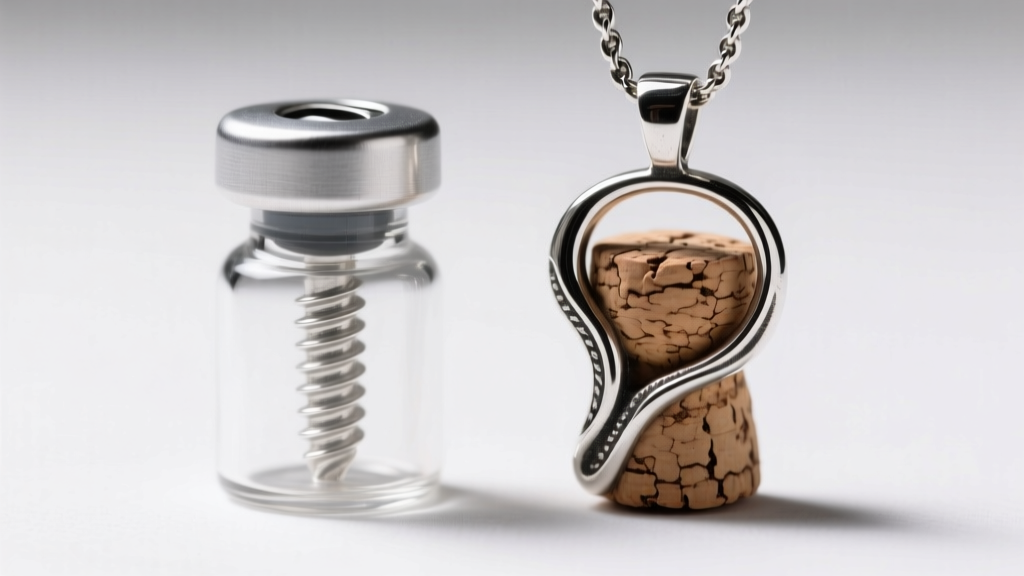
The Hardware: 316L Surgical Steel vs. 925 Sterling Silver
The cap and bail (the loop connecting the vial to the chain) must be meticulously chosen. 316L surgical stainless steel is the premier choice for vial hardware. The 'L' stands for low carbon, and the alloy includes molybdenum, which provides exceptional resistance to corrosion and pitting. This is especially vital if the vial contains actual organic material, as the salts and iron in real blood can rapidly corrode inferior metals. Jewelry suppliers like Rio Grande frequently recommend 316L for body-safe and bio-compatible jewelry applications. While 925 sterling silver offers a beautiful, traditional luster, it is highly susceptible to oxidation and tarnishing when exposed to moisture and organic compounds. If you prefer the look of silver, ensure the interior threads and sealing caps are lined with surgical steel or platinum-plated to prevent chemical reactions.
Sealing Mechanisms & Safety: What to Look For
A vial of blood necklace is only as good as its seal. A leaking pendant is not just a messy inconvenience; if it contains bio-matter, it poses a health hazard. There are three primary sealing methods used in high-end alternative jewelry:
- Threaded Screw-Caps with Nitrile O-Rings: The most secure mechanical seal. The metal cap screws onto threaded glass or metal necks, compressing a tiny nitrile rubber O-ring to create an airtight, watertight barrier. This is the mandatory choice for any vial containing liquid.
- PTFE (Teflon) Tape Wraps: Often used in cork-sealed or friction-fit glass stoppers. The jeweler wraps the stopper in PTFE tape to create a custom friction seal. While aesthetically pleasing for vintage-style apothecary pendants, it is less secure for daily wear.
- UV Resin Encapsulation: For pendants containing dried organic matter or simulated blood powders, jewelers often flood the threads with UV-cured jeweler's resin before sealing. This creates a permanent, glue-like bond. Note that these vials cannot be reopened without destroying the cap.
Safety Note: If you are commissioning a custom piece using real human blood, strict biohazard protocols must be followed. The Centers for Disease Control and Prevention (CDC) outlines that human blood must be treated as potentially infectious. Professional encapsulation artists typically use anticoagulants, desiccants, and UV-stabilizing resins to safely preserve the material and neutralize biological risks before sealing the vial.
Occasion Matching: When to Gift the Macabre
Matching the specific style and contents of the vial to the occasion elevates the gift from a simple accessory to a deeply meaningful token. Use the matrix below to guide your 2026 purchasing decisions.
| Occasion | Vial Material & Style | Contents | Ideal Chain Pairing | Est. Price Range |
|---|---|---|---|---|
| Alternative Valentine's Day | Borosilicate Glass, Steel Cap | Dragon's Blood Resin & Gold Flake | 20-inch 316L Snake Chain | $65 - $120 |
| Gothic or Vampire Wedding | Crystal-cut Glass, Silver Cap | Professionally Preserved Blood Bond | 18-inch Sterling Silver Rope Chain | $250 - $500+ |
| Halloween / Cosplay | Soda-Lime Glass, Brass Cap | Iron Oxide Powder & Glycerin | 24-inch Blackened Cable Chain | $30 - $55 |
| Memorial / Remembrance | Teardrop Borosilicate, Steel | Cremation Ash & Crimson Resin | 22-inch Surgical Steel Box Chain | $150 - $300 |
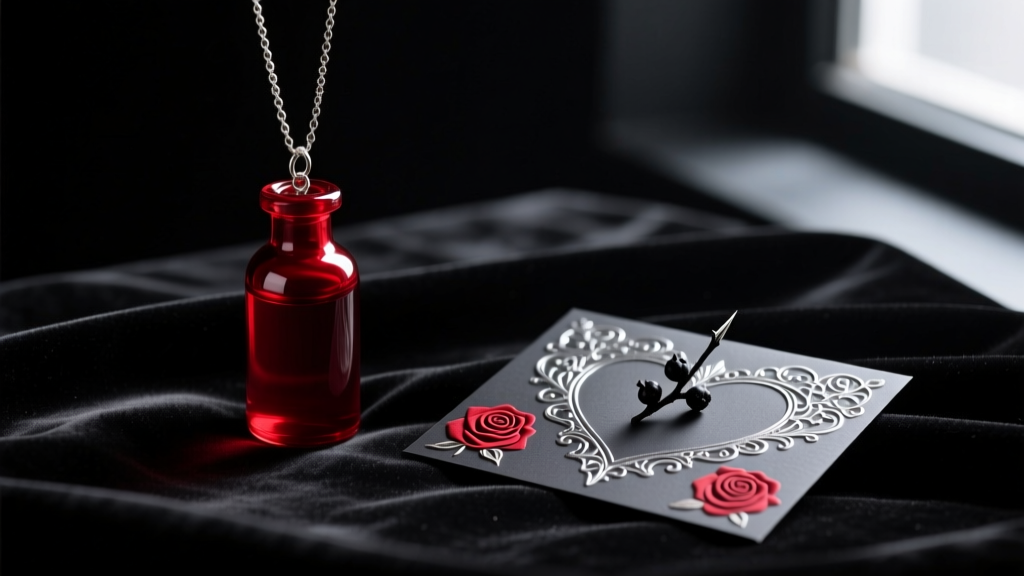
Decoding the Contents: Real vs. Simulated
When shopping, you will encounter the term 'vial of blood' applied to both literal and simulated contents. Simulated blood is usually crafted using high-grade epoxy resins tinted with alcohol inks, mica powders, or iron oxides to achieve a hyper-realistic, viscous look that never degrades, coagulates, or turns brown under UV light. 'Dragon's Blood' resin (a natural plant resin) is also a popular, historically rich alternative that provides a deep, translucent crimson hue. For literal blood, always require proof of professional bio-encapsulation from the artist to ensure the piece is safe for daily skin contact.
Chain Selection & Length Guide
The vial pendant is the star, but the chain is the stage. Because glass vials are inherently heavier and more fragile than stamped metal pendants, chain selection requires a balance of tensile strength and aesthetic delicacy.
- Snake Chains (1.5mm - 2.0mm): Offer a sleek, liquid-metal look that complements the fluid nature of the vial's contents. They are highly durable and resist catching on hair or clothing, making them ideal for daily wear.
- Box Chains (1.2mm - 1.8mm): Provide excellent structural integrity. The interlocking square links distribute the weight of a heavy glass vial evenly across the neck, preventing the chain from snapping if the pendant swings.
- Wheat/Rope Chains: Best suited for heavier, larger apothecary-style vials. The braided texture adds a vintage, romantic feel that pairs beautifully with dark academia aesthetics.
For most vial pendants, a princess length (18 inches) or a matinee length (20-22 inches) is ideal. This ensures the heavy glass rests securely on the sternum rather than bouncing against the collarbones, which could risk chipping the glass or causing discomfort.
Care, Maintenance, and Troubleshooting
Even the highest quality borosilicate glass and surgical steel require specific care routines to maintain their macabre elegance.
Cleaning the Glass and Metal
Never use harsh chemical jewelry dips or ultrasonic cleaners on a vial necklace. Ultrasonic vibrations can shatter micro-fissures in the glass or degrade the rubber O-ring seal. Instead, clean the exterior glass with a microfiber cloth and a mild solution of dish soap and warm water. For the 316L steel hardware, a gentle polish with a dry jeweler's cloth will remove skin oils and environmental grime without compromising the seal.
Troubleshooting Seal Degradation
If you notice condensation forming on the inside of the glass, or if the liquid level appears to be dropping, the O-ring seal has failed. This is a common failure mode in cheaper pendants where the rubber dries out and cracks. If your pendant contains simulated resin, this is merely a cosmetic issue. However, if it contains organic material, cease wearing it immediately. Contact the original jeweler to have the cap re-threaded and fitted with a fresh nitrile O-ring, or have the contents permanently sealed with UV resin to prevent biohazard exposure.
'A vial of blood necklace is more than an accessory; it is a wearable archive of intimacy. Treat the glass with respect, honor the seal, and the piece will outlast the fleeting trends of mainstream fashion.' — Jewel Style Radar Editorial Board, 2026.


