A Beginner's Guide to Choosing a Custom Image Necklace
Discover how to choose, customize, and care for a custom image necklace. Learn about projection gems, photo engraving, and metals.

An image necklace is more than just an accessory; it is a wearable archive of your most cherished memories. Whether you are looking to keep a loved one close to your heart, memorialize a pet, or carry a private mantra, custom photo jewelry offers a deeply personal touch to your everyday style. However, navigating the technical jargon of jewelry customization can be overwhelming for first-time buyers. As of 2026, advancements in micro-carving and laser etching have made these pieces more accessible than ever, but choosing the right format, metal, and image resolution remains critical to getting a piece you will actually want to wear.
This beginner-friendly explainer will break down the exact mechanics of image necklaces, help you prepare your photos for production, and guide you through selecting hypoallergenic metals that stand the test of time.
What Exactly Is an Image Necklace?
When consumers search for an 'image necklace,' they are generally referring to one of two distinct technologies: projection necklaces and laser-engraved photo pendants. Understanding the difference is the first step in making an informed purchase.
Projection Necklaces (The 'Hidden Photo' Gem)
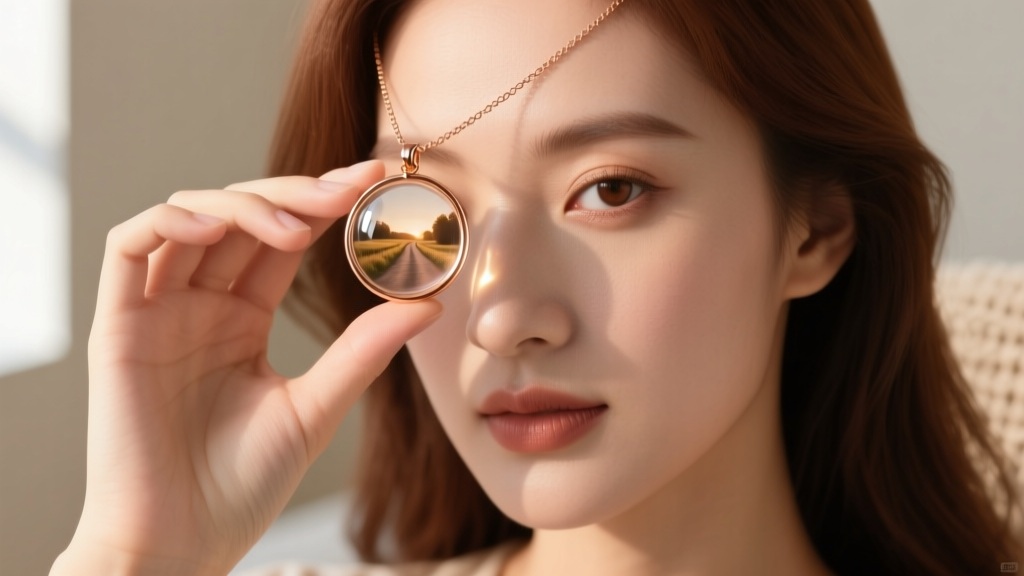
Projection necklaces utilize a nano-micro carving technique. A specialized 3D laser etches your image onto the flat back of a tiny glass or resin micro-dome (often called a cabochon). This dome is then sealed inside a metal bezel. When you hold the pendant up to your eye and look through the front glass, or shine your smartphone flashlight through the back against a wall, the image is magnified up to 1000x. The focal length for these lenses is typically between 2 to 3 centimeters, meaning the image is completely invisible to the naked eye from the outside.
Laser-Engraved Photo Pendants
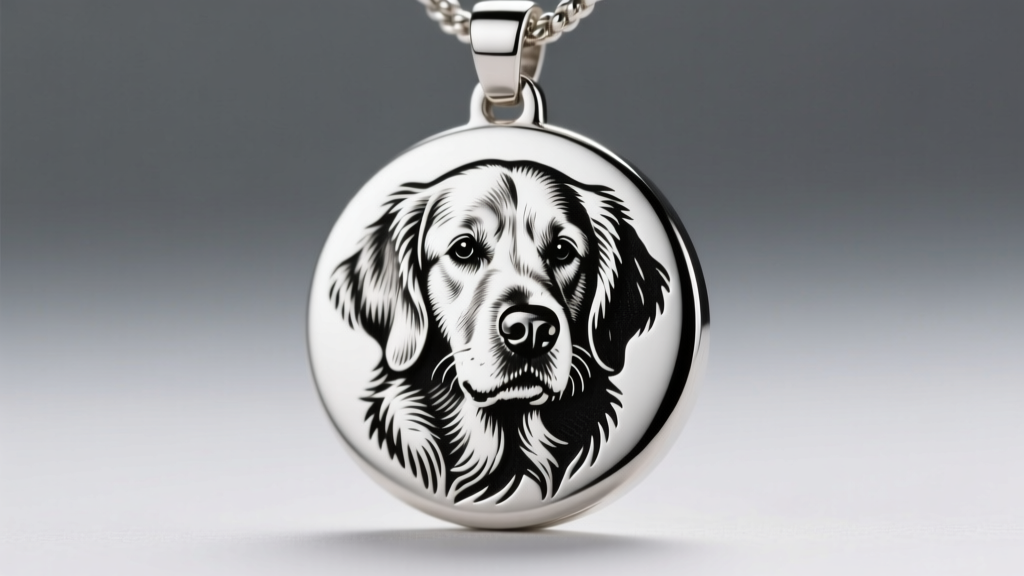
Engraved image necklaces use high-powered fiber lasers to permanently mark the surface of a metal pendant. The laser does not print color; instead, it uses a halftone dot matrix to burn microscopic pits into the metal. The varying depths and densities of these dots create shadows and highlights, resulting in a highly detailed black-and-white or sepia-toned photograph etched directly into the steel, silver, or gold.
Projection vs. Engraved: Which One Should You Choose?
Both styles have unique advantages depending on your lifestyle, budget, and aesthetic preferences. Below is a direct comparison to help you decide.
| Feature | Projection Necklace | Laser-Engraved Pendant |
|---|---|---|
| Visibility | Hidden; requires light or close inspection | Visible; displayed openly on the metal surface |
| Image Quality | Full-color, high-definition photographic replica | Black-and-white/sepia halftone contrast |
| Durability | Glass/resin dome can scratch or shatter if dropped | Extremely durable; etched into the metal itself |
| Price Range | $30 - $80 (mostly costume or plated metals) | $45 - $250+ (depends heavily on base metal) |
| Best For | Secret sentiments, surprise gifts, privacy | Everyday wear, pet memorials, bold statements |
How to Prepare Your Photo for Custom Jewelry
The number one reason custom image necklaces disappoint is poor source photo quality. Jewelry manufacturers cannot magically invent missing pixels. Follow these strict guidelines to ensure your image translates perfectly to a tiny canvas.
Resolution and Lighting Requirements
For projection necklaces, the micro-carving laser requires a minimum resolution of 1000x1000 pixels. Because the image is shrunk down to a 2-millimeter dome, high contrast and bright lighting are essential. Avoid photos with heavy shadows over faces. In 2026, many jewelers offer AI upscaling services, but providing a crisp, original smartphone portrait (taken in natural daylight) will always yield the sharpest projection.
For laser-engraved pendants, resolution is important, but contrast is king. Fiber lasers rely on light and dark areas to create depth. A photo of a black dog on a dark grey couch will turn into an unrecognizable black smudge. Use photo editing software to increase the contrast and convert the image to grayscale before submitting it. If the background is cluttered, crop it out or ask the jeweler to isolate the subject.
Cropping for Bezels and Shapes
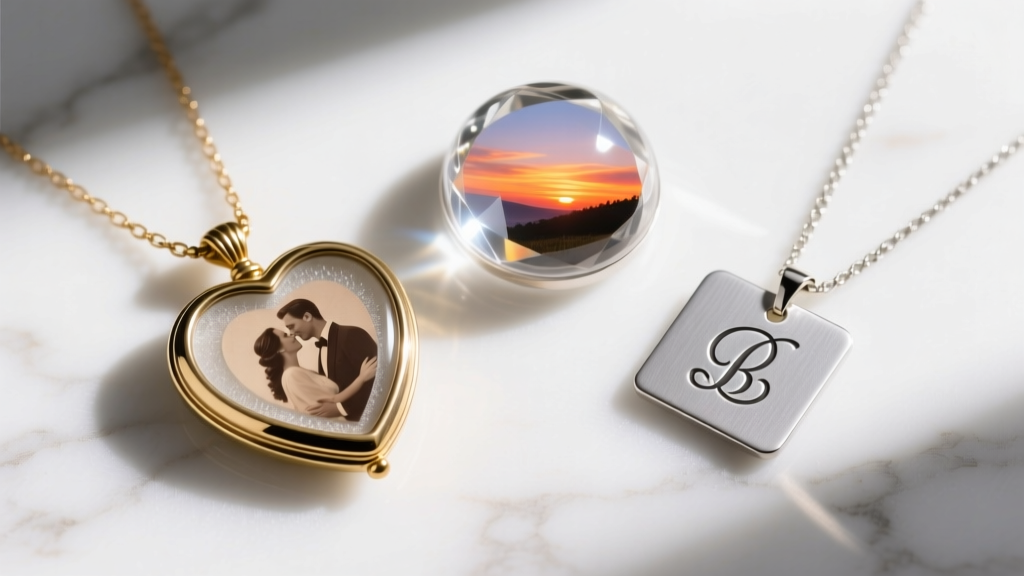
Most projection gems are perfectly circular, requiring a strict 1:1 aspect ratio. If you submit a rectangular group photo, the jeweler will crop the center, potentially cutting off heads on the edges. For heart-shaped or rectangular engraved lockets, ensure the primary subject is dead-center. Leave a 10% 'bleed margin' around the edges of your subject so the metal bezel doesn't cover their chin or forehead when the piece is assembled.
Choosing the Right Metal for Sensitive Skin
An image necklace rests directly against the delicate skin of your décolletage. Choosing the wrong metal can lead to contact dermatitis, green skin, or rapid tarnishing. According to the Federal Trade Commission Jewelry Guides, understanding metal hallmarks and compositions is vital for consumer protection.
- 316L Surgical Stainless Steel: The gold standard for budget-friendly laser engraving. It is highly resistant to scratching, waterproof, and generally nickel-free, making it safe for most sensitive skin types. It will not tarnish, though it cannot be resized or easily repaired if deeply gouged.
- 925 Sterling Silver: An alloy of 92.5% pure silver and 7.5% copper. It offers a brilliant shine and takes laser engravings beautifully. However, the copper content means it will oxidize and tarnish over time, especially when exposed to sweat and perfumes. Look for pieces that are rhodium-plated to delay tarnishing.
- Solid 14k or 18k Gold: The ultimate choice for heirloom-quality projection or engraved necklaces. Solid gold is hypoallergenic and will never rust or turn your skin green. Be wary of 'gold-plated' or 'gold vermeil' projection necklaces; the plating will eventually wear off the back of the pendant where it rubs against your chest, exposing the reactive brass or copper core beneath.
For a deeper dive into how different alloys react to skin chemistry, the GIA Gem Encyclopedia provides excellent foundational knowledge on precious metal properties and care.
Caring for Your Photo Jewelry
Maintenance routines differ vastly between projection and engraved styles.
For Projection Necklaces: Never use chemical jewelry dips, ultrasonic cleaners, or alcohol-based wipes on the glass dome. These chemicals can degrade the adhesive holding the micro-dome in the bezel or cloud the resin. Clean the glass only with a dry, clean microfiber cloth. When not wearing it, store the necklace in a soft pouch to prevent the glass from scratching against other jewelry.
For Engraved Pendants: Because the image is physically burned into the metal, it is permanent. You can safely clean sterling silver or steel engraved pendants with mild dish soap, warm water, and a soft baby toothbrush. Avoid abrasive polishing cloths (like heavy-duty silver polishing pads), as rubbing too hard can gradually wear down the shallow laser etching over several years, softening the contrast of the photograph.
Final Thoughts on Chain Lengths
The impact of your image necklace depends heavily on where it rests on your body. A 16-inch choker length keeps the pendant high on the collarbone, making it highly visible and perfect for engraved pieces you want to show off. An 18-inch princess length is the industry standard, resting just below the collarbone and working well with almost all necklines. If you are buying a projection necklace meant to be held up to the eye or a light source, opt for a 20-inch or 24-inch chain, which provides enough slack to comfortably lift the pendant to your face without unclasping it.
By understanding the technology behind the image, prepping your photo correctly, and selecting a skin-safe metal, you can create a custom necklace that preserves your favorite memories flawlessly for decades.


