How Much Is a Real Pearl Necklace? Step-by-Step Pricing Guide
Discover exactly how much a real pearl necklace costs in our step-by-step pricing guide. Learn to evaluate types, grades, and hardware.

The Myth of a Single Price Tag
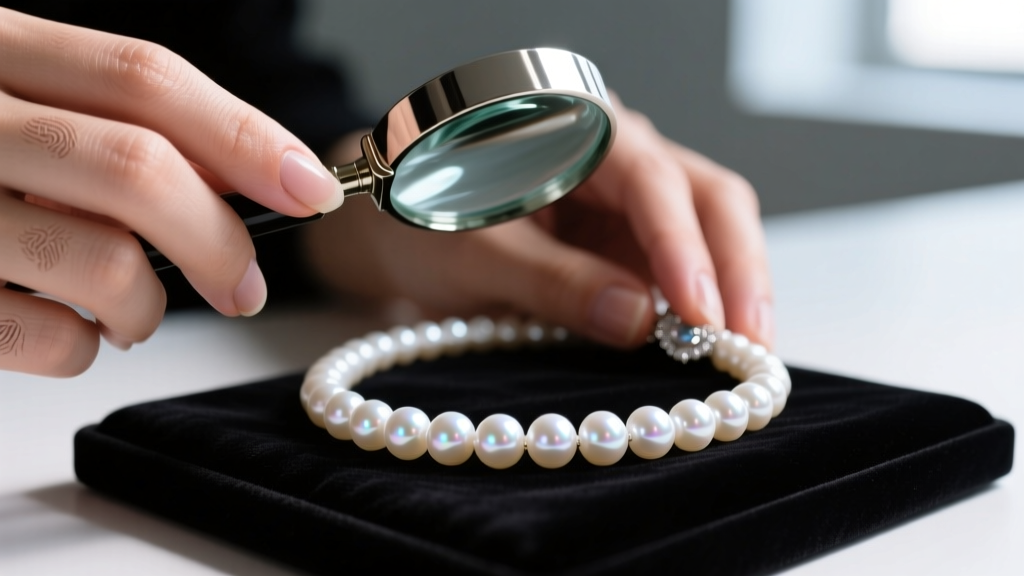
When shoppers ask, 'how much is a real pearl necklace,' they are often met with frustratingly vague answers from retail associates. The reality is that a genuine pearl necklace can cost anywhere from $50 for a basic freshwater strand to well over $100,000 for a flawless, graduated South Sea masterpiece. As a buyer in the 2026 market, you need a systematic approach to valuation. This step-by-step guide will teach you how to deconstruct the pricing of any pearl necklace, ensuring you pay a fair market price based on gemological facts rather than arbitrary retail markup.
Step 1: Identify the Pearl Type (The Biggest Price Driver)
The foundation of pearl valuation begins with identifying the mollusk and the environment in which the pearl was cultured. Saltwater pearls generally command a massive premium over freshwater pearls due to lower yield rates and higher cultivation costs. According to the Gemological Institute of America (GIA), the four primary categories of cultured pearls dictate the baseline price bracket before any grading is even applied.
| Pearl Type | Origin | Typical Size (mm) | Base Price Range (Single Strand) |
|---|---|---|---|
| Freshwater | China (Lakes/Ponds) | 6.0 - 12.0mm | $50 - $2,500 |
| Akoya | Japan/China (Saltwater) | 6.0 - 9.5mm | $300 - $10,000+ |
| Tahitian | French Polynesia (Saltwater) | 8.0 - 16.0mm | $500 - $25,000+ |
| South Sea | Australia/Indonesia (Saltwater) | 9.0 - 20.0mm | $1,000 - $100,000+ |
Actionable Insight: If a retailer is selling a 'South Sea' pearl necklace for $200, it is almost certainly a mislabeled freshwater pearl. Always cross-reference the price with the biological origin.
Step 2: Evaluate the 5 Virtues of Pearl Grading
Once the pearl type is established, the price fluctuates wildly based on quality. Unlike diamonds, pearls do not have a single universal grading system, but top-tier jewelers rely on five specific virtues to determine value.
Luster and Nacre Thickness
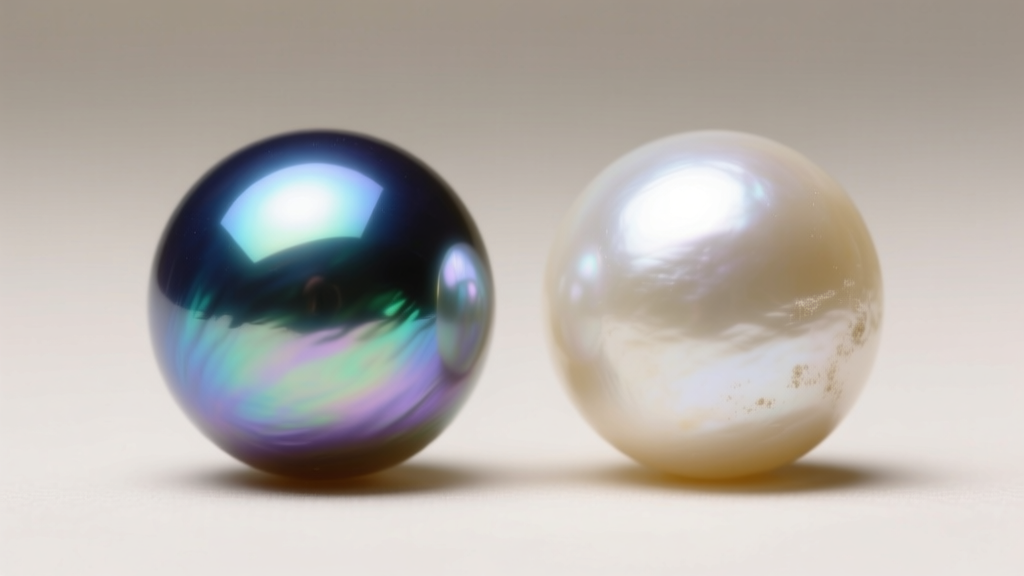
Luster is the sharpness and intensity of light reflecting off the pearl's surface. It is the single most critical factor in pricing. A high-luster Akoya pearl will look like a mirror, reflecting distinct shapes. Furthermore, luster is directly tied to nacre thickness. For saltwater bead-nucleated pearls, you want a nacre thickness of at least 0.8mm. Pearls with thin nacre (under 0.4mm) will appear chalky, dull, and are prone to peeling, rendering them nearly worthless in the secondary market.
Surface Quality and Shape
Pearls are organic gems, meaning flawless surfaces are exceptionally rare. The American Gem Society (AGS) notes that surface blemishes like pits, bumps, and scratches reduce value. A 'Clean' or 'VVS' (Very Very Slightly Included) surface commands a 40% to 60% premium over heavily blemished stones. Regarding shape, perfectly round pearls are the most expensive. However, in 2026, symmetrical baroque and drop shapes have gained immense popularity, offering a 20% discount compared to their round counterparts while maintaining high aesthetic appeal.
Step 3: Calculate the Impact of Necklace Length and Strand Count
The physical dimensions of the necklace directly dictate the amount of raw material required, which scales the price linearly. When determining how much a real pearl necklace is worth, you must measure the strand length and count the pearls.
- Collar (10-13 inches): Requires the smallest, most perfectly matched pearls. Often priced higher per inch due to the difficulty of matching small diameters.
- Choker (16 inches): The industry standard. Base pricing is usually calculated on a 16-inch strand.
- Princess (18 inches): Adds roughly 10-15% to the base choker price due to the extra pearls required.
- Matinee (20-24 inches): Adds 25-40% to the base price.
- Opera (28-36 inches): Can double the price of a standard choker, as finding 70+ perfectly matched, high-luster pearls for a single continuous strand is incredibly difficult.
Multiplier Effect: Double-strand or triple-strand necklaces do not just double or triple the price. The requirement to match hundreds of pearls across multiple strands creates a scarcity premium, often pushing the price 2.5x to 4x higher than a single strand of the same grade.
Step 4: Verify the Clasp and Hardware Materials
A common mistake buyers make is ignoring the hardware. A genuine pearl necklace will never be finished with base metal or plated brass. The clasp itself can account for 10% to 30% of the total necklace value.
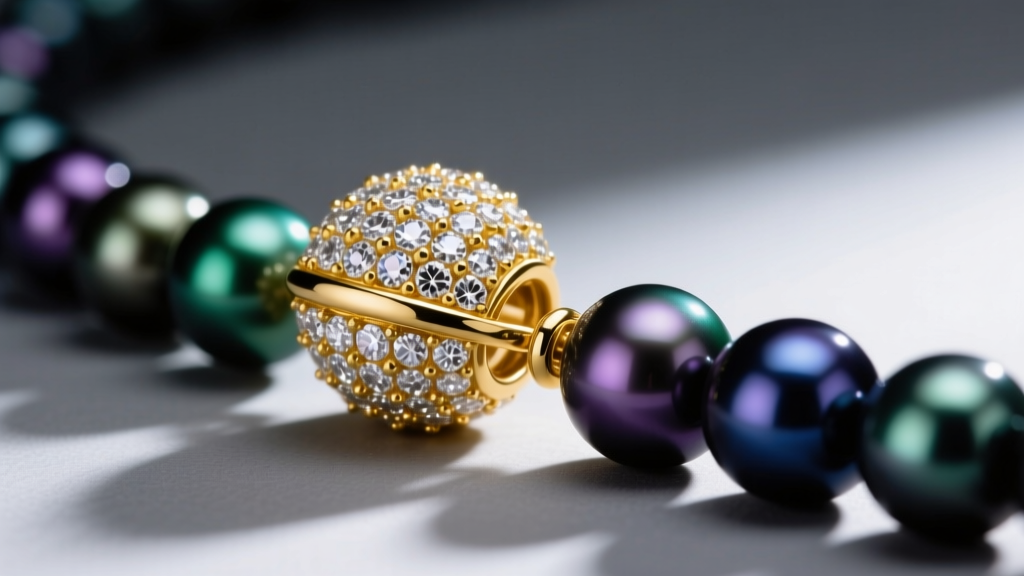
Look for hallmarks on the clasp tongue or the small ring guard. You should see stamps like '14K', '18K', '750' (18k gold), or 'PT950' (Platinum). Furthermore, many high-end pearl necklaces feature diamond-encrusted ball clasps or safety latches. A standard 14k gold fishhook clasp adds about $50-$100 to the value, whereas an 18k gold diamond-set spherical clasp can add $500 to $2,500 to the final retail price. If the pearls are graded as AAA but the clasp is unmarked silver, the necklace is likely a mid-tier commercial product rather than a fine jewelry investment.
Step 5: Demand Proper Documentation and Certification
When spending over $2,000 on a saltwater pearl necklace, verbal assurances are not enough. You must verify the origin and treatment of the pearls.
Pro-Tip for Buyers: Always ask for a Pearl Classification Report from a reputable, independent laboratory like the GIA or SSEF. This report will explicitly state whether the pearls are natural or cultured, saltwater or freshwater, and crucially, whether they have been subjected to artificial treatments like bleaching, dyeing, or irradiation.
Treated pearls are significantly cheaper. For example, irradiated freshwater pearls are often sold as 'black Tahitians' to unsuspecting tourists. A GIA report will immediately expose this, protecting you from overpaying. If a seller refuses to provide lab certification for a high-ticket strand, walk away immediately.
Final Verdict: What Should You Actually Pay?
To summarize, answering 'how much is a real pearl necklace' requires combining the base type, the quality grade, the physical length, and the hardware value. For an everyday, high-quality 16-inch Freshwater necklace with good luster and a sterling silver clasp, expect to pay between $150 and $400. For a classic, mirror-luster 7.5mm Akoya choker with an 18k gold clasp, budget between $1,200 and $3,500. If you are stepping into the realm of gem-grade 12mm Tahitian or South Sea strands, prepare to invest anywhere from $5,000 to well over $30,000. By following this step-by-step framework, you can confidently navigate the market and ensure every dollar spent reflects true gemological value.


