The Ultimate Sterling Silver Amber Necklace Buying Guide
Discover how to authenticate, evaluate, and buy the perfect sterling silver amber necklace with our expert guide on silver grades and amber types.

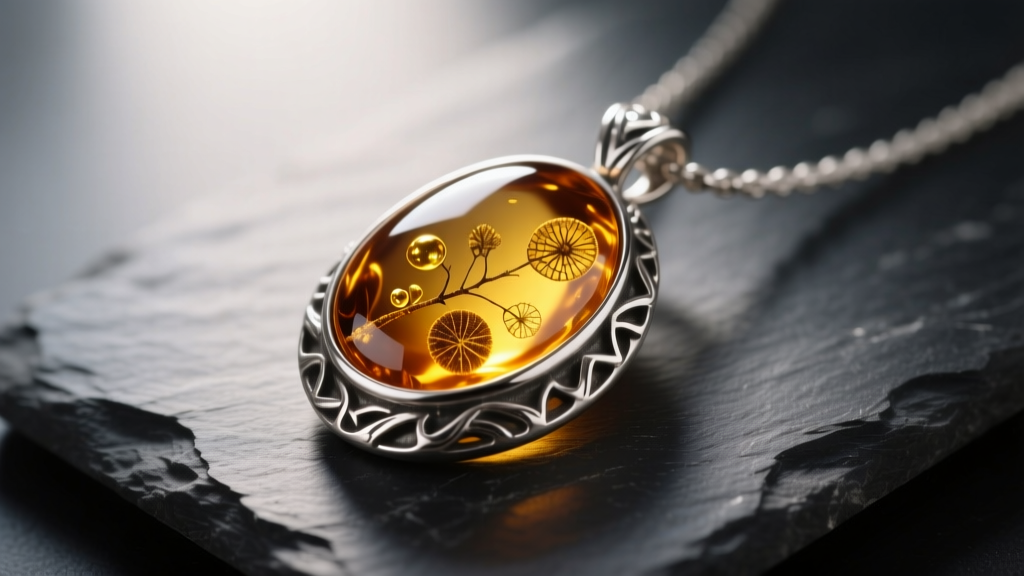
A genuine sterling silver amber necklace is more than just an accessory; it is a wearable piece of prehistoric history. However, the modern jewelry market is heavily saturated with synthetic resins, heat-treated copal, and low-grade silver alloys masquerading as premium pieces. Whether you are hunting for a vintage-inspired statement piece or a minimalist everyday pendant, understanding the material science and craftsmanship behind these necklaces is critical. This comprehensive buying guide breaks down exactly what to look for, how to test for authenticity, and how to evaluate the structural integrity of your jewelry in 2026.
The Amber Spectrum: Baltic, Dominican, and the Copal Trap
Amber is not a mineral or a gemstone in the traditional sense; it is fossilized tree resin. The age, origin, and chemical composition of this resin dictate its value, durability, and visual appeal. According to the Gemological Institute of America (GIA), true amber must be millions of years old, which directly impacts its hardness and stability.
Baltic Succinite
Baltic amber, scientifically known as succinite, contains 3% to 8% succinic acid. It is the most common and historically significant amber used in sterling silver jewelry. Ranging from translucent cognac and butterscotch to rare cherry and green hues, Baltic amber is relatively hard (2.0 to 2.5 on the Mohs scale) and takes a high polish. When shopping, look for certificates from the International Amber Association, which strictly regulates the labeling of natural, modified, and reconstructed Baltic amber.
Dominican Retinite
Dominican amber is prized for its exceptional clarity and high rate of botanical and insect inclusions. Unlike Baltic amber, it lacks succinic acid (making it a retinite) but boasts a stunning natural blue fluorescence under UV light. It is generally softer and more brittle than Baltic amber, requiring protective bezel settings rather than exposed prong settings.
The Copal Imitation
Copal is sub-fossilized resin—often only hundreds or thousands of years old rather than millions. It looks nearly identical to young Baltic amber but is significantly softer and highly susceptible to melting or crazing (surface cracking) over time. Many unscrupulous vendors sell copal as genuine amber at inflated prices. Always verify the seller's guarantee regarding the geological age of the resin.
Evaluating the Silver: 925 Standards and Finishes
The metalwork in a sterling silver amber necklace is just as vital as the stone itself. Pure silver (999) is too soft to securely hold an amber cabochon, which is why the jewelry industry relies on 925 sterling silver—an alloy comprising 92.5% pure silver and 7.5% copper or other metals for tensile strength.
- Hallmarks: Always inspect the clasp or the back of the pendant bail for a laser-engraved or stamped "925", "STER", or "Sterling" mark. Beware of pieces marked simply "silver" or "Tibetan silver," which are often base metal alloys containing nickel or lead.
- Rhodium Plating: Many modern sterling silver pieces are flash-plated with rhodium to prevent tarnishing and mimic the look of white gold. While durable, rhodium plating can wear off over time, revealing the warmer yellow-white tone of the sterling beneath.
- Oxidized (Antiqued) Silver: Oxidation is a controlled tarnishing process that darkens the recesses of the silver, highlighting intricate filigree or vintage designs. This finish pairs exceptionally well with the warm, earthy tones of cognac or cherry amber and requires less aggressive polishing.
Construction and Chain Gauge: Preventing Breakage
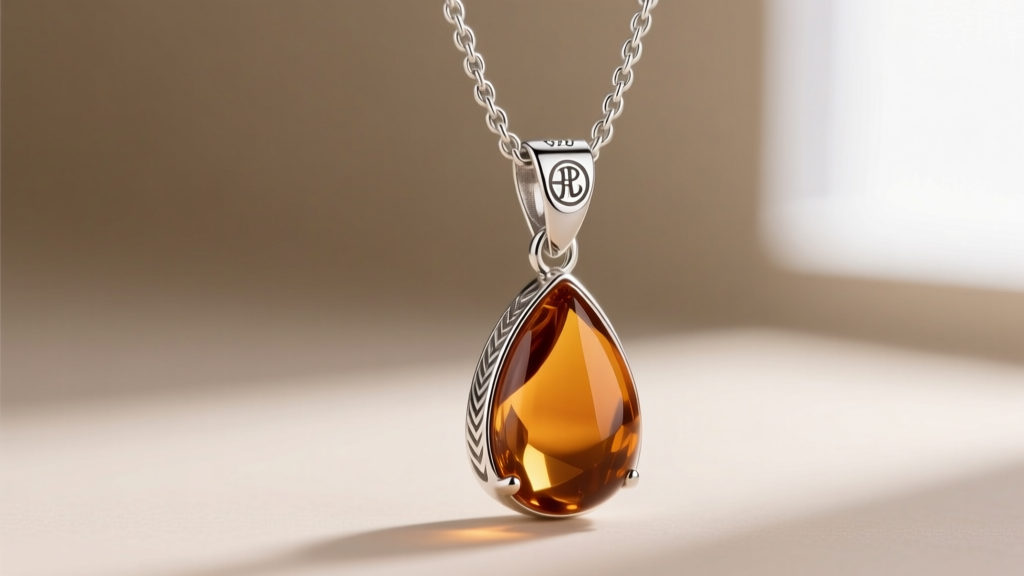
Amber is exceptionally soft. A standard prong setting leaves the edges of the amber exposed, making it highly vulnerable to chipping if bumped against a hard surface. For long-term durability, always prioritize bezel settings, where a continuous rim of silver wraps securely around the perimeter of the amber cabochon.
Choosing the Right Chain
The chain gauge (thickness) dictates the necklace's lifespan. Amber pendants, especially those with heavy silver bezels, require a chain that can bear the weight without kinking or snapping.
- Box Chains (0.9mm - 1.2mm): Highly recommended. The interlocking square links distribute weight evenly and resist kinking. They are also easy to clean and do not trap skin oils.
- Rope Chains (1.0mm - 1.5mm): Excellent tensile strength and a classic, vintage aesthetic that complements amber. However, the twisted grooves can accumulate lotions and oils, requiring regular ultrasonic cleaning (which is safe for the silver chain, but the amber pendant must be removed first).
- Snake Chains (Avoid): While sleek, snake chains are notorious for trapping dead skin cells and oils between their tightly packed rings. Over time, this acidic buildup can degrade the silver and transfer damaging compounds to the porous amber.
Authenticity Tests You Can Perform at Home
Before finalizing a purchase from a private seller or vintage market, utilize these non-destructive testing methods to separate true amber from plastic and copal.
The Specific Gravity (Saltwater) Test
True amber has a specific gravity of 1.05 to 1.09 g/cm³, meaning it will sink in fresh water but float in heavily saturated saltwater. Mix one tablespoon of table salt into one cup of warm water until fully dissolved. Drop the unmounted amber stone into the solution. Genuine amber will float or suspend, while glass, phenolic resin, and most heavy plastics will sink to the bottom. Note: This test cannot be performed if the amber is already set in heavy sterling silver, as the metal's density will drag the piece to the bottom.
The UV Fluorescence Test
Under a standard 365nm UV flashlight, genuine Baltic amber will emit a pale, milky blue or greenish-white fluorescence. Dominican amber will glow a vibrant, intense blue. Copal, on the other hand, typically exhibits a weak, chalky white glow, while synthetic plastics will not fluoresce at all or will absorb the light completely.
The Acetone Solvent Test
Place a single drop of pure acetone (nail polish remover) on an inconspicuous area of the stone. True amber is completely impervious to acetone and will remain dry and hard. Copal and synthetic resins will become tacky, sticky, or leave a fingerprint mark within seconds. Wipe the area clean immediately after testing.
| Material Type | Geological Age | UV Fluorescence | Acetone Reaction | Avg. Price per Carat (2026) |
|---|---|---|---|---|
| Baltic Amber (Succinite) | 35 - 50 Million Years | Pale Blue / Greenish | None (Inert) | $1.00 - $4.00 |
| Dominican Amber (Retinite) | 15 - 20 Million Years | Intense Blue | None (Inert) | $3.00 - $15.00+ |
| Copal (Sub-Fossil) | Hundreds - 100k Years | Weak Chalky White | Sticky / Tacky | $0.10 - $0.50 |
| Synthetic Resin / Plastic | Modern Manufacture | None / Absorbs Light | Varies / Melts | Worthless |

2026 Pricing Framework: What Should You Pay?
Pricing for a sterling silver amber necklace varies wildly based on the clarity of the resin, the presence of inclusions, and the complexity of the silverwork.
- Entry-Level ($30 - $75): Typically features smaller, opaque "butterscotch" Baltic amber beads or simple cabochons set in mass-produced, lightweight 925 silver bezels. Excellent for everyday wear.
- Mid-Tier ($80 - $250): Includes larger, highly transparent cognac teardrops, hand-carved floral motifs, or pieces with verified botanical inclusions. The silverwork often features intricate oxidized filigree or heavy rope-chain pairings.
- Premium & Artisan ($300 - $800+): Reserved for museum-grade Dominican blue amber, pieces containing rare, intact prehistoric insect inclusions, or custom-forged artisan silver settings utilizing techniques like granulation or mokume-gane accents.
Expert Warning: Be highly skeptical of "insect amber" sold at tourist traps or online marketplaces for under $50. True prehistoric inclusions are exceptionally rare and command premium prices. Most cheap insect ambers are modern copal or epoxy resin poured over contemporary gnats and mosquitoes.
Care and Maintenance for Organic Gems
Because amber is an organic gemstone, it requires a completely different care regimen than crystalline stones like diamonds or sapphires. Its low Mohs hardness (2.0 - 2.5) means it can be easily scratched by silver polishing cloths that contain abrasive micro-compounds.
- Never Use Ultrasonic Cleaners: The high-frequency vibrations and heated chemical baths used in ultrasonic jewelry cleaners will cause internal stress fractures in the amber, leading to irreversible crazing and cloudiness.
- Avoid Chemical Exposure: Perfumes, hairsprays, and chlorinated pool water will degrade the surface polish of the amber, turning it dull and white over time. Always put your necklace on after applying cosmetics.
- Proper Cleaning: To clean the silver, use a dedicated, untreated silver-polishing cloth, carefully avoiding the amber stone. To clean the amber itself, simply wipe it gently with a damp, lint-free microfiber cloth and buff it dry. The natural oils from your skin are actually beneficial for maintaining the resin's lustrous patina over decades of wear.
By prioritizing verified 925 sterling silver, demanding protective bezel settings, and rigorously testing the resin's authenticity, you can confidently invest in a sterling silver amber necklace that will remain a stunning, historically rich heirloom for generations to come.


