2026 Gift Guide: Choosing the Perfect Sterling Silver Heart Necklace
Discover the perfect sterling silver heart necklace for every occasion in our 2026 gift guide. Expert tips on silver grades, styles, and pricing.

The Metallurgy of Gifting: Understanding Silver Grades
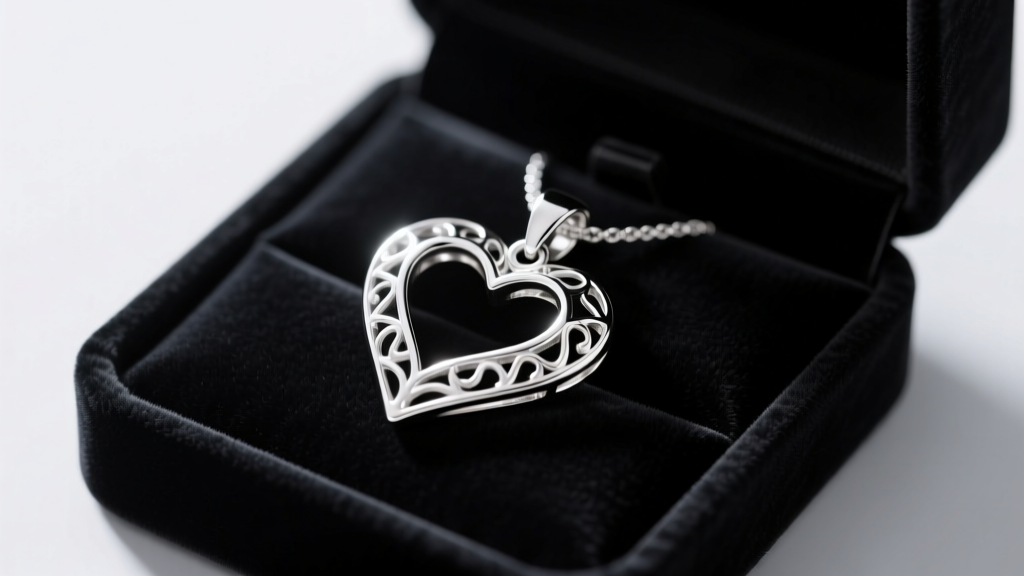
When selecting a sterling silver heart necklace as a gift, understanding the metallurgy is the difference between a piece that tarnishes in a month and an heirloom that lasts generations. Pure silver (999) is too malleable for daily wear; it bends and scratches effortlessly. Therefore, jewelers alloy it to create sterling silver.
Standard 925 Sterling Silver
The traditional 925 stamp indicates 92.5% pure silver and 7.5% copper. While copper adds necessary tensile strength, it is also the culprit behind oxidation and tarnish. According to the Gemological Institute of America (GIA), copper-rich alloys require consistent polishing to maintain their luster. Furthermore, some mass-market 925 silver uses nickel in the alloy mix, which can trigger contact dermatitis in sensitive recipients. Always verify that the alloy is nickel-free before gifting.
The 2026 Upgrade: Argentium Silver
For a premium gifting tier, seek out Argentium silver. This patented alloy replaces some of the copper with germanium, resulting in a metal that is highly tarnish-resistant and naturally whiter than traditional sterling. An Argentium sterling silver heart necklace requires virtually no polishing, making it an exceptional choice for recipients who prefer low-maintenance jewelry.
Decoding Heart Pendant Styles for Specific Occasions
The heart motif is universal, but its execution dictates the appropriateness for specific gifting milestones. Here is how to match the design to the occasion.
The Open Heart: Anniversaries and Modern Milestones
Characterized by negative space and fluid, continuous lines, the open heart pendant is a hallmark of modern minimalism. It pairs beautifully with V-necklines and structured blazers. This style is ideal for first anniversaries or milestone career achievements, as it conveys deep affection without the overt sentimentality of a solid, gem-encrusted piece.
The Pavé-Set Heart: Birthdays and Valentine’s Day
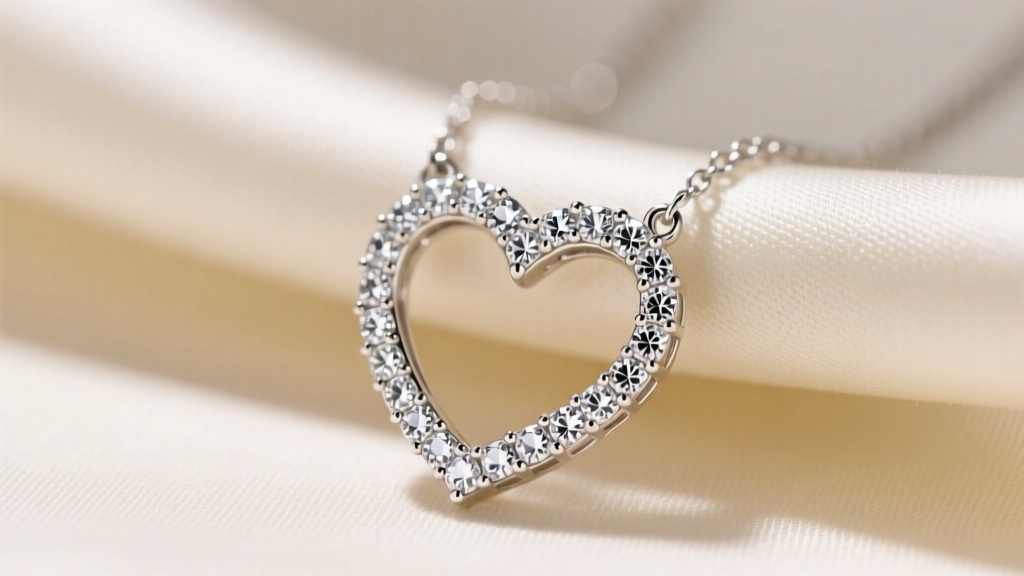
Featuring micro-prong settings that hold dozens of small cubic zirconia or ethically sourced lab-grown diamonds, the pavé heart offers maximum light return. When gifting this style, inspect the prongs under a loupe; they should be uniform and tightly gripping the stones. This high-impact, glamorous style is the quintessential Valentine's Day or milestone birthday gift.
The Engraved or Locket Heart: Graduations and Sentimental Gifts
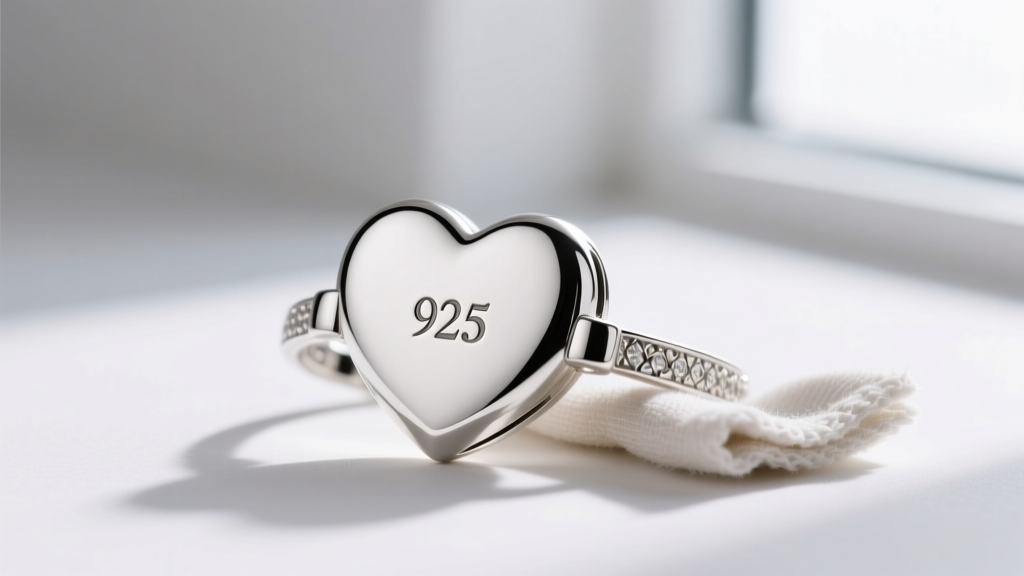
For graduations, the birth of a child, or long-distance relationships, a locket or flat-back engraved heart provides a canvas for personalization. Opt for laser engraving over hand-stamping for flat pendants, as it ensures precise depth without warping the 1.5mm to 2mm silver backplate. If choosing a locket, ensure the hinge is reinforced with a steel pin rather than a soft silver wire, which will wear out over time.
Chain Mechanics: The Unsung Hero of the Necklace
A pendant is only as secure as the chain it hangs from. Many buyers focus solely on the heart motif, neglecting the chain's structural integrity. When gifting, match the chain type to the pendant's weight and the recipient's lifestyle.
- Cable Chain (1.0mm - 1.5mm): The classic oval-link chain. It is lightweight and unobtrusive, perfect for delicate, lightweight open-heart pendants under 5 grams. However, it is prone to kinking if slept in.
- Box Chain (1.5mm - 2.0mm): Composed of square links that create a smooth, continuous surface. Box chains are highly resistant to kinking and can support heavier pavé or locket pendants (10+ grams) without stretching.
- Rope Chain (1.5mm - 2.5mm): Twisted links that reflect light brilliantly. This chain adds its own sparkle, complementing simpler, polished silver hearts.
Clasp Specification: Always ensure the necklace features a lobster clasp rather than a spring-ring clasp. Lobster clasps contain a stronger internal spring and a wider opening, making them significantly easier for the recipient to fasten and far more secure against accidental snags. The Federal Trade Commission (FTC) Jewelry Guides mandate that metal quality marks must be accurate, but they do not regulate clasp quality, leaving this crucial detail to the buyer's discretion.
Occasion-to-Chain Length Matching Matrix
The drop length of the necklace drastically alters how it interacts with the recipient's wardrobe. Use this matrix to select the perfect length based on the primary occasion and typical neckline.
| Occasion | Recipient Style Profile | Ideal Chain Length | Pendant Drop |
|---|---|---|---|
| Valentine's Day | Trend-conscious, wears crewnecks and blouses | 16 inches (Choker/Collarbone) | Rests exactly on the collarbone |
| Anniversary | Professional, wears V-necks and open collars | 18 inches (Princess) | Rests just below the collarbone |
| Graduation | Academic/Traditional, wears high necklines | 20 to 22 inches (Matinee) | Rests on the upper chest |
| Mother's Day | Casual, layered jewelry enthusiast | 16" + 2" Extender | Allows versatile layering |
Verifying Authenticity and Hallmarks
The market is flooded with silver-plated brass masquerading as solid silver. When purchasing a sterling silver heart necklace, look for the "925", "Ster", or "Sterling" stamp, usually located on the flat tag near the clasp or stamped directly into the clasp itself. Be wary of pieces marked "Tibetan Silver" or "Nickel Silver," as these contain zero actual silver and are primarily copper-nickel-zinc alloys that can cause severe skin discoloration and allergic reactions.
To test a piece you already own, the ice test is a reliable thermal conductivity check. Silver has the highest thermal conductivity of any common metal. Place an ice cube on the silver heart; it should begin melting almost instantaneously, significantly faster than it would on a stainless steel or brass counterfeit.
2026 Pricing Tiers: What to Expect
Budgeting for a silver heart necklace requires understanding the markup mechanics of the jewelry industry. Here is a realistic breakdown of pricing tiers in the current market:
- $35 - $75 (Mass-Market & Direct-to-Consumer): Brands in this tier offer standard 925 silver with thin flash-plating. Expect cable chains and simple cast pendants. Excellent for casual gifting, but the rhodium plating will wear off within 6 to 12 months of daily use.
- $85 - $180 (Artisan & Premium DTC): This tier features heavy rhodium plating (up to 0.5 microns), Argentium silver options, and lab-grown diamond accents. Chains are structurally sound (box or wheat chains), and the casting quality shows crisp, defined edges on the heart motif.
- $250 - $500+ (Heritage & Luxury Designers): At this price point, you are paying for brand heritage, proprietary designs (e.g., Tiffany & Co.'s Return to Tiffany collection), and premium retail packaging. The silver itself is not inherently more valuable, but the resale value and brand recognition are significantly higher.
Expert Care Instructions to Include with Your Gift
Elevate your gifting experience by including a handwritten care card. Silver requires specific environmental controls to prevent sulfur-induced tarnishing. Include a 3M anti-tarnish strip in the gift box, which absorbs airborne sulfur compounds for up to six months.
A Note on Care for Your Sterling Silver Heart:
To keep your necklace brilliant, store it in an airtight pouch with the provided anti-tarnish strip when not in use. Avoid wearing it in chlorinated pools or hot springs, as sulfur and chlorine will rapidly oxidize the copper alloy. To clean, use only a dedicated microfiber silver cloth—never tissue paper, which contains wood fibers that cause micro-scratches on the rhodium finish.
By prioritizing metal integrity, structural chain mechanics, and occasion-specific styling, your sterling silver heart necklace will transcend being a simple accessory and become a deeply cherished, enduring gift.


