The Sterling Silver Safety Pin Necklace: 2026 Style Guide
Explore the 2026 sterling silver safety pin necklace trend. Discover styling tips, silver grades, gauge sizes, and pricing for this punk-revival staple.

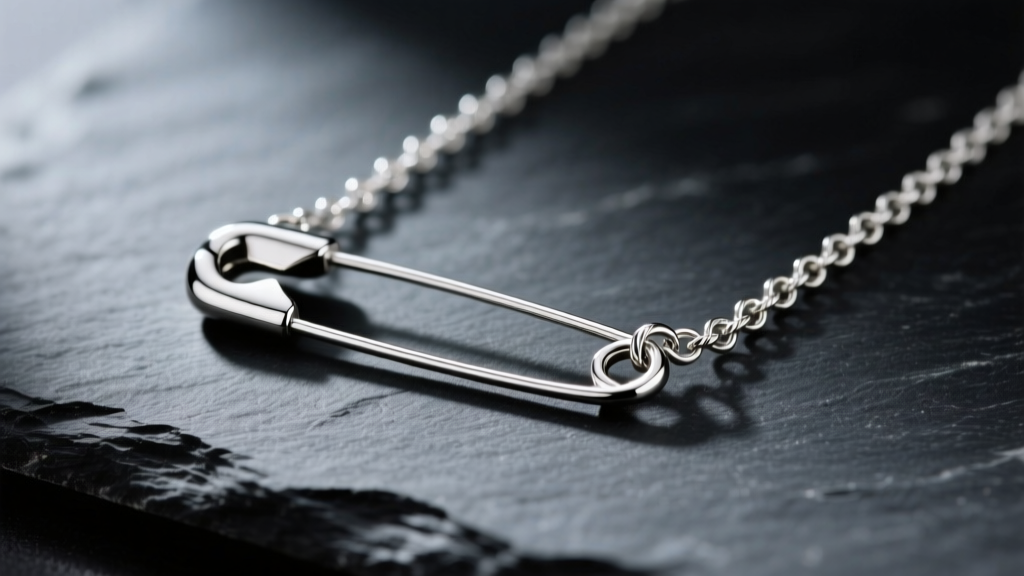
The 2026 Renaissance of the Safety Pin Motif
Once relegated to the rebellious fringes of 1970s punk rock and 1990s grunge, the safety pin has undergone a radical metamorphosis in the contemporary jewelry landscape. As we navigate the style currents of 2026, the sterling silver safety pin necklace has emerged as a masterclass in subversive minimalism. No longer just a novelty item or a DIY staple, today's iterations are architectural, meticulously crafted, and designed to bridge the gap between industrial edge and quiet luxury.
The modern revival is heavily driven by the "subversive basics" trend, where utilitarian hardware is elevated through premium metallurgy and precise scaling. According to Britannica's archive on punk fashion, the safety pin was originally adopted as an anti-establishment symbol. Today, high-end jewelers have reclaimed this motif, stripping away the shock value and replacing it with sophisticated, wearable art that appeals to both avant-garde maximalists and refined minimalists.
Material Breakdown: 925 Sterling vs. Argentium Silver
When investing in a sterling silver safety pin necklace, understanding the metallurgy is critical. Not all silver is created equal, and the alloy composition directly impacts the piece's longevity, tarnish resistance, and skin compatibility.
Traditional 925 Sterling Silver
Standard sterling silver is an alloy consisting of 92.5% pure silver and 7.5% copper. While the copper provides the necessary tensile strength to hold the rigid shape of a safety pin pendant, it is also the culprit behind oxidation. When exposed to sulfur and moisture in the air, the copper reacts, creating the familiar black tarnish. For everyday wear, 925 silver requires regular maintenance, but it remains the industry standard for its brilliant white luster and workability. The Gemological Institute of America (GIA) notes that proper rhodium plating over 925 silver can significantly delay this tarnishing process, a technique frequently used in mid-to-high-tier safety pin pendants.
Argentium Silver: The Modern Upgrade
For the 2026 consumer prioritizing low maintenance, Argentium silver is the superior choice. This patented alloy replaces a portion of the copper with germanium. When exposed to oxygen, the germanium forms a transparent, protective oxide layer that dramatically slows down tarnishing. An Argentium silver safety pin necklace will retain its high-polish finish for years without the need for chemical dips or aggressive polishing, making it ideal for the "wear it and forget it" consumer.
Gauge, Weight, and Hardware Mechanics
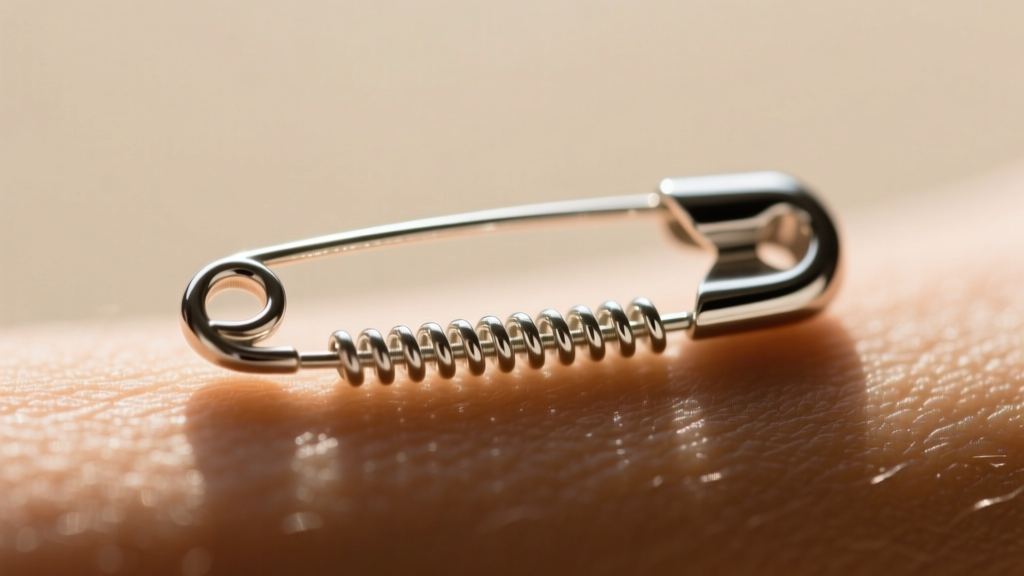
The aesthetic impact of a safety pin necklace is entirely dependent on its wire gauge and hardware mechanics. In jewelry manufacturing, gauge refers to the thickness of the wire used to form the pin. Selecting the correct gauge ensures the piece aligns with your personal style framework.
- 20-Gauge (0.81mm): Delicate and lightweight. Best suited for minimalist, "quiet luxury" styling. These pins are often soldered shut and feature a high-polish finish, mimicking the look of fine wire jewelry.
- 16-Gauge (1.29mm): The versatile middle ground. It offers substantial visual weight without feeling heavy on the collarbone. This gauge is standard for independent artisan jewelers focusing on the subversive minimalist aesthetic.
- 14-Gauge (1.63mm) and 12-Gauge (2.05mm): Heavy, bold, and unapologetically grunge. These thicker gauges are often left with a brushed or oxidized finish to emphasize the industrial roots of the design.
The Clasp Conundrum and Pin Functionality
A critical E-E-A-T distinction in jewelry design is whether the safety pin is functional or fixed. A literal, functioning safety pin is a massive snag hazard and risks popping open, resulting in lost jewelry or torn garments. High-quality sterling silver safety pin necklaces utilize a fixed motif, where the pin head is permanently laser-welded or soldered to the body of the pin. The actual closure of the necklace is then handled by a secure hardware clasp on the chain itself. For chains, a sturdy lobster claw clasp (minimum 10mm) is recommended over spring-ring clasps, which are prone to mechanical failure under the weight of heavier 14G pendants.
Price Tiers and Market Positioning
The market for the sterling silver safety pin necklace is highly stratified. Below is a breakdown of what to expect across different price points in the 2026 market, helping you identify genuine value versus inflated branding.
| Market Tier | Price Range (USD) | Silver Grade & Finish | Chain Pairing | Aesthetic Target |
|---|---|---|---|---|
| Fast Fashion | $25 - $50 | Brass with thin 925 plating | Standard Box Chain | Trend-chasing, temporary wear |
| Independent Artisan | $85 - $160 | Solid 925 or Argentium (Oxidized/Polished) | Cable or Rope Chain | Subversive Minimalist, everyday wear |
| High-End Designer | $350 - $800+ | Heavyweight 925 with Rhodium or Vermeil accents | Custom Cuban or Figaro Link | Luxury Grunge, statement layering |
When shopping the independent and high-end tiers, always verify the hallmark. According to the Jewelers of America, legitimate sterling silver should be stamped with "925", "Sterling", or the maker's mark, usually located on the clasp tag or subtly engraved on the flat back of the pin cap.
Styling Frameworks: Grunge vs. Quiet Luxury
The versatility of the sterling silver safety pin necklace lies in its ability to adapt to opposing style frameworks. How you manipulate the chain length, pendant scale, and layering partners completely alters the garment's narrative.
Framework 1: The Elevated Grunge Stack
For a nod to the motif's rebellious origins, lean into mixed metals and varied textures. Pair a 16-inch, 14-gauge oxidized silver safety pin choker with a 20-inch matte black onyx bead necklace and a 22-inch tarnished brass chain. This creates a cascading, asymmetrical effect that works exceptionally well over heavyweight cotton tees, distressed denim, or oversized leather blazers. The key here is intentional dissonance—mixing high-polish silver with matte, dark elements.
Framework 2: Subversive Quiet Luxury
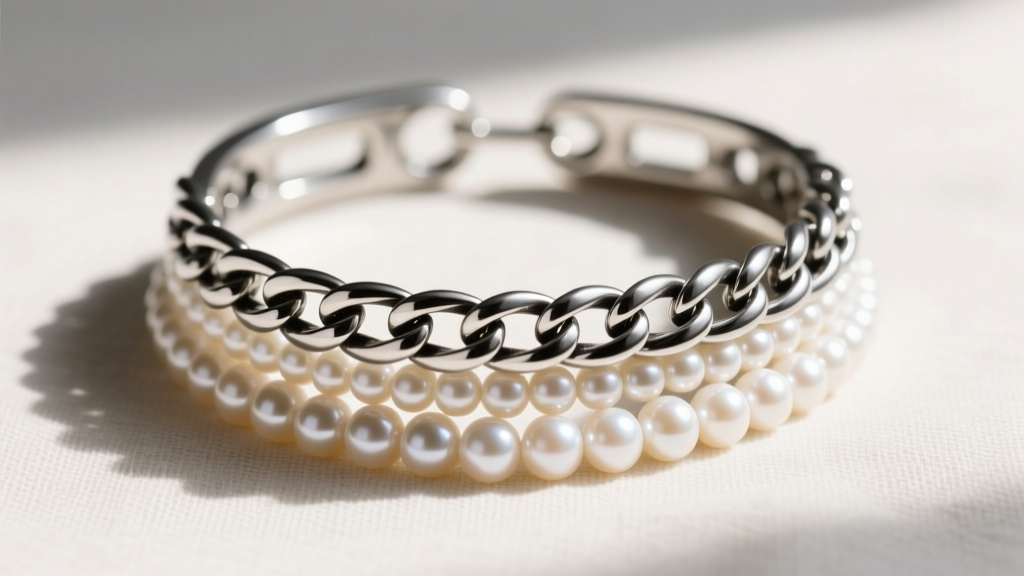
To integrate the safety pin into a refined, office-appropriate wardrobe, scale down and isolate. Choose a 20-gauge, high-polish Argentium silver pin suspended on an 18-inch, 1.2mm wheat chain. Wear it as a solitary piece against a silk blouse or a fine-gauge merino wool turtleneck. For a masterful contrast, layer this delicate silver pin with a single strand of irregular freshwater pearls. The juxtaposition of the organic, soft pearls against the sharp, industrial geometry of the silver pin creates a compelling, high-fashion tension that defines 2026's minimalist styling.
Care and Tarnish Prevention
Even the finest 925 sterling silver requires environmental awareness to maintain its structural brilliance. Sulfur is the primary enemy of silver. Avoid wearing your safety pin necklace in hot springs, swimming pools (chlorine can cause permanent pitting), or while applying sulfur-based skincare products.
For storage, abandon the open jewelry dish. Store the necklace in an airtight polyethylene ziplock bag alongside a 3M anti-tarnish strip and a small silica gel desiccant packet. If tarnish does develop, avoid liquid chemical dips, which can strip the oxidized detailing from the pin's crevices. Instead, use a specialized micro-abrasive polishing cloth (such as a Sunshine cloth) to gently buff the high-contact areas of the pin cap and spring coil, leaving the recessed areas dark to preserve the three-dimensional depth of the design.


