How To Keep A Necklace From Turning: Budget Fixes & Value Upgrades
Discover how to keep a necklace from turning with cost-effective fixes. We assess the value of counterweights, silicone grips, and chain upgrades.

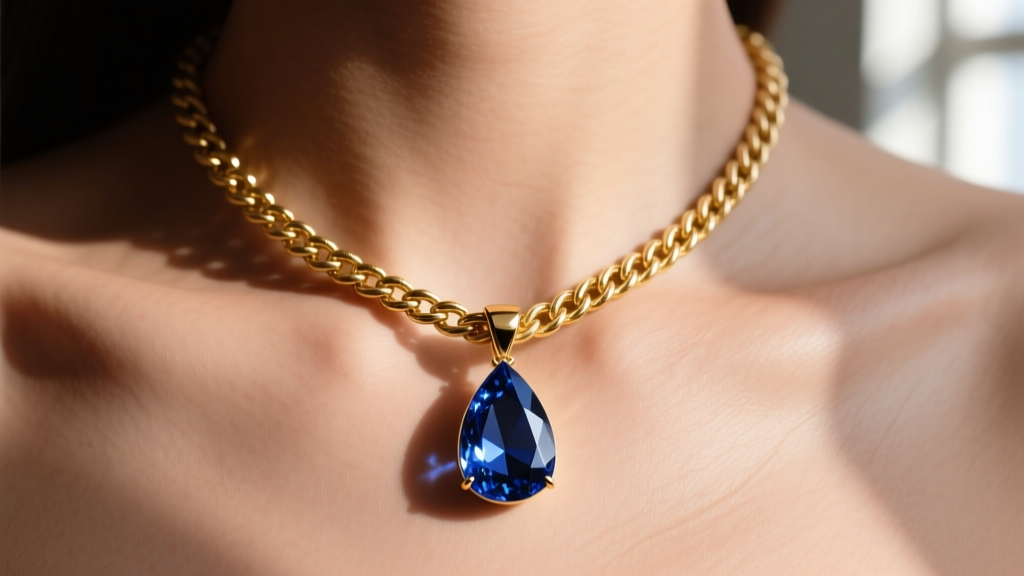
The Physics and Frustration of Pendant Spin
There are few things more annoying in daily jewelry wear than reaching up to adjust a pendant, only to find it flipped backward against your skin. If you are wondering how to keep a necklace from turning, you are not alone. This issue plagues everything from delicate 14k gold chains to heavy sterling silver statement pieces. From a budget and value perspective, constantly fixing a spinning pendant ruins the wearing experience and can even cause premature wear on the chain links.
Before spending money on a fix, it is crucial to understand the physics at play. A necklace spins because of an imbalance in the center of gravity. If the pendant is heavy and the bail (the loop connecting the pendant to the chain) is wide, the pendant acts as a pendulum. Conversely, if the clasp at the back of the neck is heavier than the front, or if the chain is too thick and stiff to drape properly, the entire chain will rotate around your neck until the heaviest point rests at the lowest center of gravity—usually right at the front, forcing the lighter pendant up and backward.
In this comprehensive value assessment, we break down the most effective solutions to stop necklace spin, categorized by budget tiers, durability, and aesthetic impact. Whether you are looking for a zero-cost DIY hack or a permanent jeweler modification, we will help you maximize your anti-spin ROI.
Budget Tier 1: Zero-Cost & DIY Hacks (Under $5)
If you are trying to salvage a favorite necklace without investing in professional repairs, the under-$5 category offers surprising utility, provided you are willing to compromise slightly on aesthetics.
The Clear Silicone Tubing Method
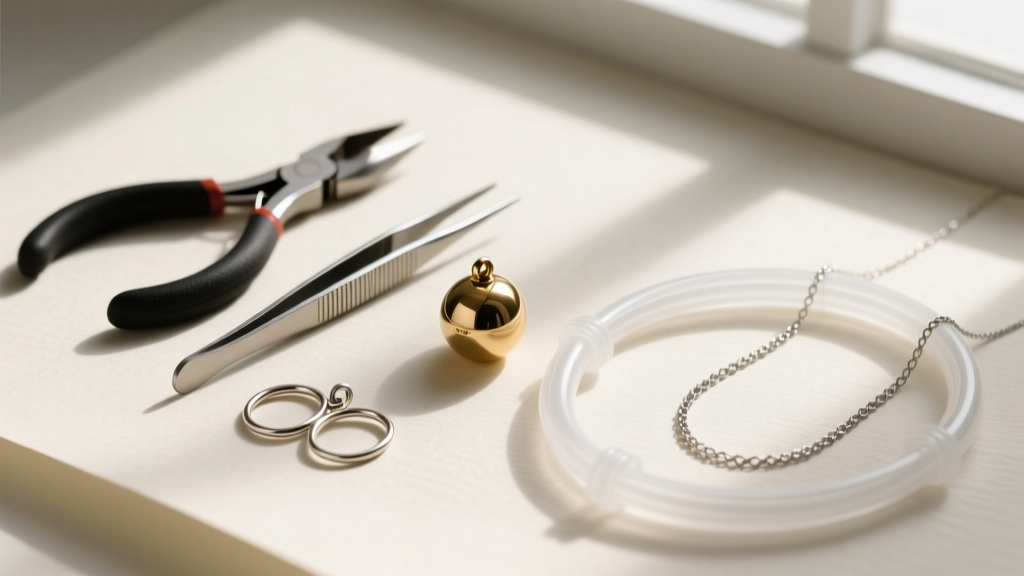
This is the most popular DIY fix in the jewelry community. By purchasing a spool of clear silicone tubing (typically 1mm inner diameter and 2mm outer diameter) from a hardware or craft store, you can create a custom friction grip.
- Application: Cut a 1-inch piece of tubing. Thread your necklace chain through it and position the tubing at the back of your neck, directly over the clasp or the link adjacent to it.
- The Physics: The high-friction silicone grips your skin and hair, preventing the chain from sliding through the natural pivot point at the nape of your neck.
- Value Assessment: At roughly $3 for 10 feet of tubing, the cost per fix is fractions of a penny. However, the silicone can degrade with exposure to body oils and perfumes, requiring replacement every few months.
The Fishing Line Bail Wrap
If the issue is the pendant sliding side-to-side and flipping, you can use clear, heavy-test fishing line (20lb or 30lb). Tie a tight, double-knot around the bail to create a physical stopper on the chain, restricting the pendant's lateral movement. This costs virtually nothing but requires precision to avoid damaging soft metals like high-karat gold.
Budget Tier 2: Purpose-Bought Accessories ($5 - $25)
For those who want a more polished look than DIY tubing, the commercial accessory market offers purpose-built anti-spin devices. These are highly recommended for mid-range fashion jewelry and everyday sterling silver pieces.
Necklace Counterweights
A counterweight is a small, dense metal bead or barrel that attaches to the chain near the clasp. By adding weight to the back of the neck, you shift the center of gravity away from the front pendant.
- Material Grades: Look for gold-filled or solid sterling silver counterweights to prevent skin discoloration. Base metal counterweights (often plated brass) can cause contact dermatitis and tarnish quickly.
- Pricing: $8 to $18 depending on the metal and brand.
- Effectiveness: Extremely high for lightweight chains (18-gauge to 22-gauge) paired with medium-weight pendants.
Silicone Clasp Covers and Tighteners
Companies like Cridoz and generic jewelry suppliers sell molded silicone clasp covers. Unlike raw tubing, these are pre-shaped to encase the lobster clasp and jump ring seamlessly.
Value Assessment: Counterweights vs. Silicone Grips
To help you decide where to allocate your budget, we have compared the two most common commercial fixes across critical metrics.
| Feature | Metal Counterweights | Silicone Clasp Covers |
|---|---|---|
| Average Cost | $12 - $20 | $5 - $9 (Multi-pack) |
| Durability | Lifetime (Metal) | 6 - 12 Months (Degrades) |
| Aesthetic Impact | Blends in as a design element | Visible, slightly bulky |
| Best Chain Type | Delicate Cable & Rope Chains | Box & Bead Chains |
| Skin Sensitivity | Hypoallergenic (if solid/gold-filled) | 100% Hypoallergenic |
According to jewelry manufacturing experts at Rio Grande, ensuring your findings (like bails and counterweights) match the metallurgical properties of your chain is vital to prevent galvanic corrosion, especially when mixing sterling silver with brass accessories.
Budget Tier 3: Permanent Jewelry Modifications ($30 - $80)
When dealing with heirloom pieces, high-end designer jewelry, or chains that hold significant sentimental value, DIY hacks and aftermarket accessories can diminish the piece's value. In these cases, investing in a permanent modification by a professional jeweler offers the highest long-term ROI.
Soldering a Fixed Bail or V-Ring
If your pendant has a large, open bail that allows it to slide freely across the chain, a jeweler can solder a small jump ring or a V-shaped bail directly to the chain link at the exact center. This physically prevents the pendant from moving laterally, eliminating the momentum that causes it to flip. Expect to pay between $35 and $60 for this laser or torch soldering service.
Upgrading the Chain Profile
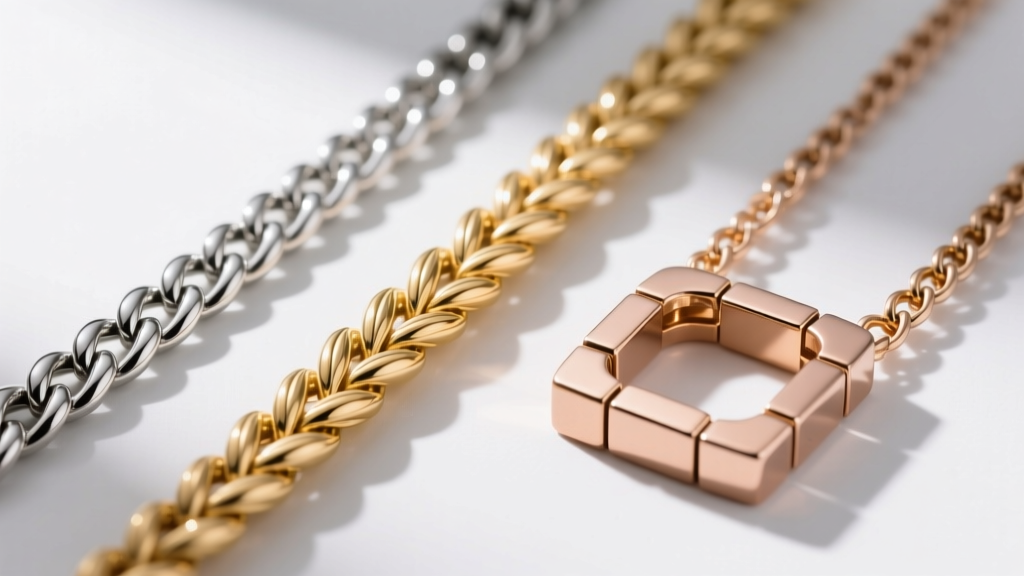
Sometimes, the chain itself is the culprit. If you are continually fighting a spinning pendant, it may be more cost-effective to retire the chain and invest in a spin-resistant profile. The Gemological Institute of America (GIA) frequently notes that proper chain selection is just as critical as pendant care for maintaining the structural integrity and visual appeal of fine jewelry.
The Chain Profile Matrix: Which Chains Resist Spinning?
Not all chains are created equal when it comes to rotational friction. Here is a breakdown of common chain styles and their inherent spin-resistance, helping you make informed purchasing decisions in the future.
| Chain Style | Spin Resistance | Why It Spins (or Doesn't) | Value Rating |
|---|---|---|---|
| Box Chain | Low | Flat, square links create a smooth, low-friction surface that allows pendants to slide and flip easily. | Poor for heavy pendants |
| Rope Chain | Medium | The twisted, helical pattern creates natural friction points, but the rounded profile still allows rotation. | Good for medium pendants |
| Wheat (Spiga) Chain | High | Woven, directional oval links lock together tightly, creating a semi-rigid structure that resists twisting. | Excellent for heavy pendants |
| Herringbone | Very High | Flat, flush links lay completely flat against the skin, making it nearly impossible for the chain to rotate. | High spin resistance, but kinks easily (Poor durability value) |
| Cable Chain | Medium-Low | Standard oval links offer moderate friction, but thin gauges (20g+) will spin under any pendant weight. | Budget-friendly, versatile |
Final Verdict: Maximizing Your Anti-Spin ROI
Figuring out how to keep a necklace from turning ultimately comes down to matching the solution to the value of the jewelry. For everyday fashion pieces and lightweight sterling silver chains, a $6 pack of silicone clasp covers or a $12 gold-filled counterweight provides immediate, high-value relief. These budget-friendly fixes preserve the integrity of the chain while solving the physics problem at the nape of your neck.
However, for fine jewelry, solid 14k or 18k gold pieces, and heavy gemstone pendants, bypass the DIY route. Spending $50 to have a professional jeweler solder a fixed V-bail or upgrading to a woven wheat chain ensures that your investment piece remains secure, comfortable, and visually perfect every time you wear it. By understanding the mechanics of your jewelry, you can stop adjusting your necklace and start enjoying it.


