Necklaces to Wear With Strapless Wedding Dress: Material Guide
Discover the best necklaces to wear with strapless wedding dress styles. Compare metals, gems, and materials for your bridal neckline.

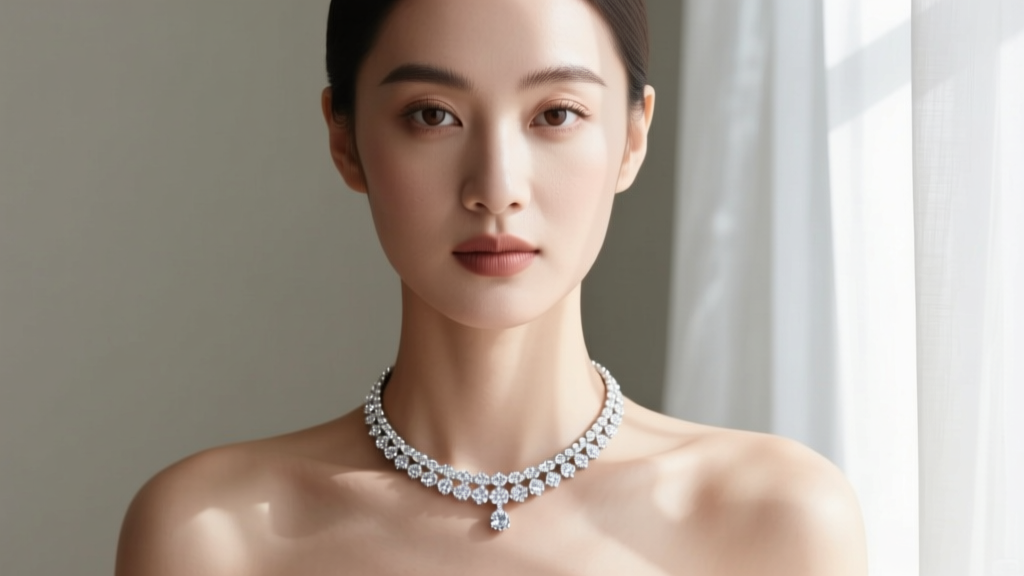
The Bare Neckline Challenge: Why Material Matters
Finding the perfect necklaces to wear with strapless wedding dress designs requires balancing visual weight, metallurgical properties, and photographic outcomes. A strapless bodice leaves the décolletage and collarbone entirely exposed, transforming your necklace into the undisputed focal point of your bridal look. However, the absence of fabric support means that the physical properties of your jewelry—specifically density, skin friction, and light reflectivity—will dictate how comfortable and photogenic you remain throughout a ten-hour celebration.
Many brides select necklaces based solely on aesthetic appeal, only to discover that heavy alloys cause neck fatigue, or that certain gemstone cuts create harsh glare under professional flash photography. As a domain expert in bridal metallurgy and styling, I have analyzed the specific material properties that make or break a strapless bridal necklace. This guide bypasses generic styling advice to focus on the hard science of jewelry materials, ensuring your choice is as structurally sound as it is beautiful.
Precious Metals: Density, Drag, and Flash Photography
The metal you choose serves as the structural foundation of your necklace. When resting directly against bare skin, the alloy's density and surface treatment will affect both your physical comfort and the final wedding album.
Platinum (950 Grade)
Platinum is the undisputed heavyweight of bridal jewelry. A 950-grade platinum alloy (95% pure platinum, usually mixed with ruthenium or iridium) boasts a density of approximately 21.45 g/cm³. This makes it roughly 60% denser than 14k gold. For a delicate collar or choker necklace resting on a strapless neckline, this density provides a luxurious, substantial drape that lies flat against the collarbone without flipping or shifting. However, if you are considering a thick, multi-strand platinum statement piece, be aware that the sheer weight can cause cervical strain over several hours. Platinum's naturally white-gray hue also diffuses light softly, preventing the 'hot spots' that flash photography often captures on highly polished metals.
18k vs. 14k White Gold and the Rhodium Factor
White gold is an alloy of yellow gold and white metals like palladium or nickel, finished with a microscopic layer of rhodium plating to achieve a bright white mirror finish. While 18k white gold offers a richer base, 14k white gold is harder and more resistant to scratching. The critical issue for strapless dresses is friction. The collarbone is a high-movement area; as you dance and hug, the necklace rubs against your skin and the top edge of your bodice. This friction can wear away the rhodium plating, revealing the slightly yellowish underlying alloy before the reception even ends. If you choose white gold, opt for a design with a smooth, rounded back-profile (like a domed Omega chain) to minimize friction against the skin.
The Warmth of 18k Yellow Gold
Yellow gold requires no surface plating, making it a low-maintenance, high-durability option for bare-skin wear. An 18k yellow gold chain (75% pure gold) offers a rich, buttery luster that complements warm skin undertones beautifully. Because it lacks rhodium, what you see is what you get, and it will not change color due to friction. From a structural standpoint, 18k gold is softer than 14k, meaning delicate prongs on pendant necklaces should be checked by a jeweler before the wedding day to ensure stones are secure against accidental tugs.
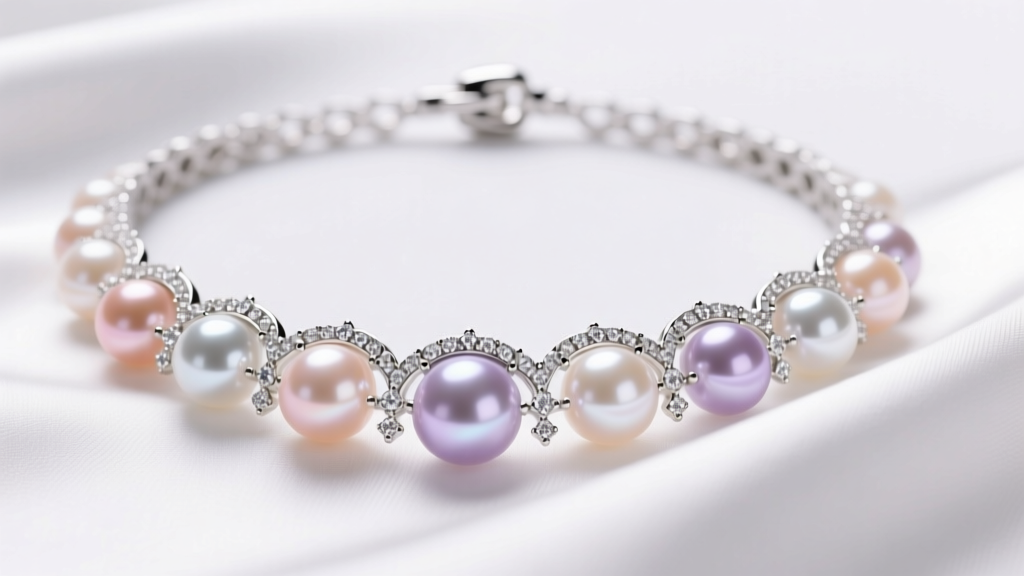
Gemstone & Pearl Properties Under Wedding Lighting
The optical properties of your chosen gems dictate how they interact with the intense, multi-directional lighting of a wedding venue and the rapid burst of a photographer's flash.
Pearl Luster: Akoya vs. South Sea
Pearls are a classic choice for bridal necklaces, but not all pearls photograph equally. According to the GIA Pearl Quality Guide, luster is the most critical value factor. Akoya pearls possess a sharp, mirror-like luster that is stunning in person but can create harsh, blown-out white reflections under direct camera flash. South Sea pearls, conversely, have a thicker nacre layer that produces a soft, satiny luster. This satin finish absorbs and diffuses light, rendering beautifully in professional photography without creating distracting glare against your bare chest.
Diamond and Moissanite Reflectivity
Brilliant-cut diamonds and moissanite are engineered for maximum light return (fire and brilliance). On a strapless dress, a large, single brilliant-cut pendant can act like a mirror, occasionally throwing prismatic rainbows onto your face and dress in direct sunlight. If you prefer a more subdued, vintage aesthetic, consider step-cut stones like emeralds or Asscher cuts. Their hall-of-mirrors effect provides elegant flashes of light without the aggressive scintillation of a brilliant round cut.
| Material | Density (g/cm³) | Flash Photography Reaction | Skin Sensitivity Risk | Best Necklace Style |
|---|---|---|---|---|
| 950 Platinum | 21.45 | Soft diffusion, low glare | Hypoallergenic | Collar / Wide Choker |
| 18k White Gold | 15.50 | High reflection (if rhodium intact) | Low (if nickel-free) | Princess Length Pendant |
| 18k Yellow Gold | 15.50 | Warm absorption, minimal glare | Very Low | Delicate Layering Chains |
| South Sea Pearl | 2.70 | Satin glow, highly photogenic | None (organic) | Single Strand Choker |
| Aerospace Titanium | 4.50 | Matte finish, zero glare | Hypoallergenic | Modern Geometric Cuffs |
Alternative & Modern Materials for the 2026 Bride
Modern brides are increasingly stepping away from traditional precious metals in favor of advanced alloys and sustainable alternatives that offer unique material benefits.
Titanium and Aerospace-Grade Alloys
Titanium is remarkably strong yet incredibly lightweight, with a density of just 4.50 g/cm³—roughly a quarter of the weight of platinum. For brides who want the visual impact of a thick, structural, avant-garde collar necklace without the physical burden of heavy metals, titanium is the ultimate solution. It is also 100% hypoallergenic and impervious to sweat and cosmetic chemicals, ensuring it won't tarnish or react with your skin during emotional or high-temperature moments.
Ethical Lab-Grown Diamonds
Lab-grown diamonds share the exact same carbon crystal structure as mined diamonds, meaning their optical and physical properties are identical. However, because they are more accessible, brides can afford larger carat weights or more intricate custom-cut shapes for their strapless neckline pendants. When setting a large lab-grown stone, ensure the jeweler uses a secure bezel or low-profile prong setting, as heavy stones on delicate chains can cause the chain to kink or snap if caught on the dress's boning.
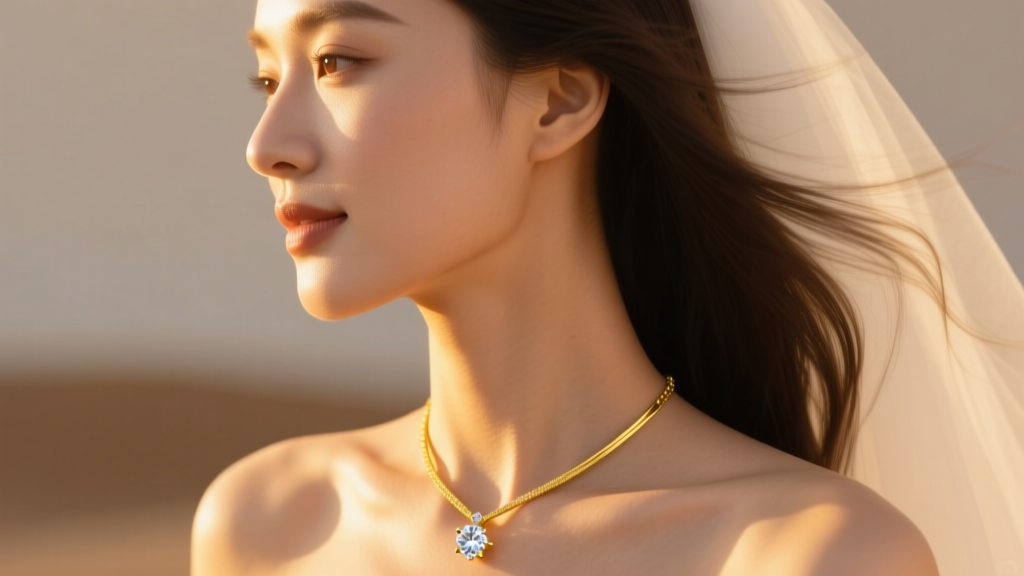
Final Fitting: Matching Metal to Skin Undertone and Dress Fabric
The final step in material selection is harmonizing the metal with your specific skin undertone and the exact shade of your strapless dress. Wedding dresses are rarely pure white; they range from stark diamond white to ivory, champagne, and blush.
- Cool Undertones & Diamond White Dresses: Platinum and rhodium-plated white gold enhance the crisp, cool tones of stark white fabrics and pinkish-blue skin undertones. The high contrast creates a striking, modern silhouette.
- Warm Undertones & Ivory/Champagne Dresses: 18k yellow gold or rose gold complements the creamy warmth of ivory silk and satin. The golden hues blend seamlessly with warm skin, creating a cohesive, romantic glow.
- Neutral Undertones & Blush/Nude Fabrics: Rose gold (an alloy of gold and copper) bridges the gap between warm and cool. Its copper content provides a subtle blush tint that mirrors nude or blush strapless bodices beautifully.
Structural Integrity: Chain Types for Bare Skin
The architecture of the chain is just as important as the metal itself. When wearing necklaces to wear with strapless wedding dress styles, avoid chains with sharp edges or interlocking links that can pull on fine body hair or catch on delicate skin. Omega chains and Box chains lay perfectly flat against the collarbone, providing a sleek, uninterrupted line. Conversely, Snake chains, while beautiful, are notorious for kinking if bent backward, which can easily happen when adjusting a heavy pendant. Always perform a 'movement test' during your final dress fitting: raise your arms, hug your partner, and sit down to ensure the chain's clasp and links do not dig into your nape or collarbone.
For further reading on gemstone durability and setting security, consult the GIA Gem Encyclopedia to ensure your chosen stones can withstand the rigors of a wedding day. By prioritizing material science alongside aesthetic beauty, you guarantee that your bridal necklace remains comfortable, secure, and breathtaking from the first look to the final dance.


