Bear Claws Necklace Buying Guide: Styles & Materials
Discover how to choose the perfect bear claws necklace. Explore ethical sourcing, metal types, chain pairings, and pricing in our expert buying guide.

The Allure and Ethics of Bear Claw Jewelry
The bear claw has been a symbol of strength, protection, and a deep connection to the wilderness for centuries. Today, a bear claws necklace remains a highly sought-after statement piece in both rustic and contemporary jewelry collections. However, navigating the market requires a keen understanding of materials, craftsmanship, and, most importantly, the legal and ethical frameworks surrounding wildlife-derived jewelry. Whether you are drawn to the rugged aesthetic of a heavy silver cast or the earthy elegance of carved stone, this comprehensive guide will equip you with the expertise needed to make an informed, ethical, and stylish purchase.
Real vs. Faux: Navigating Legal and Ethical Sourcing
The most critical factor when evaluating any wildlife-inspired jewelry is provenance. Historically, authentic bear claws were harvested and traded, but modern conservation laws have drastically altered this landscape. Under international agreements like CITES (Convention on International Trade in Endangered Species) and domestic regulations such as the U.S. Lacey Act enforced by the U.S. Fish and Wildlife Service, the trade of real bear parts is heavily restricted and, in many jurisdictions, entirely illegal unless specific indigenous or antique exemptions apply.
Because of these stringent protections, 99% of the modern retail market consists of faux, cast, or carved alternatives. As a conscientious buyer, you should actively seek out high-quality replicas that honor the motif without harming wildlife. Reputable jewelers will transparently disclose the origin of their materials. If a vendor claims to sell a 'real' bear claws necklace without providing verifiable antique documentation (pre-1973) or specific indigenous artisan certification, walk away. The risk of supporting illegal poaching or facing federal confiscation is simply too high.
Material Breakdown: What to Look For in Cast and Carved Claws
With ethical sourcing in mind, the modern market offers exceptional craftsmanship in alternative materials. The three dominant categories are cast metals, carved gemstones, and ethically sourced organic resins or bones.
Cast Metals: Sterling Silver, Bronze, and Brass
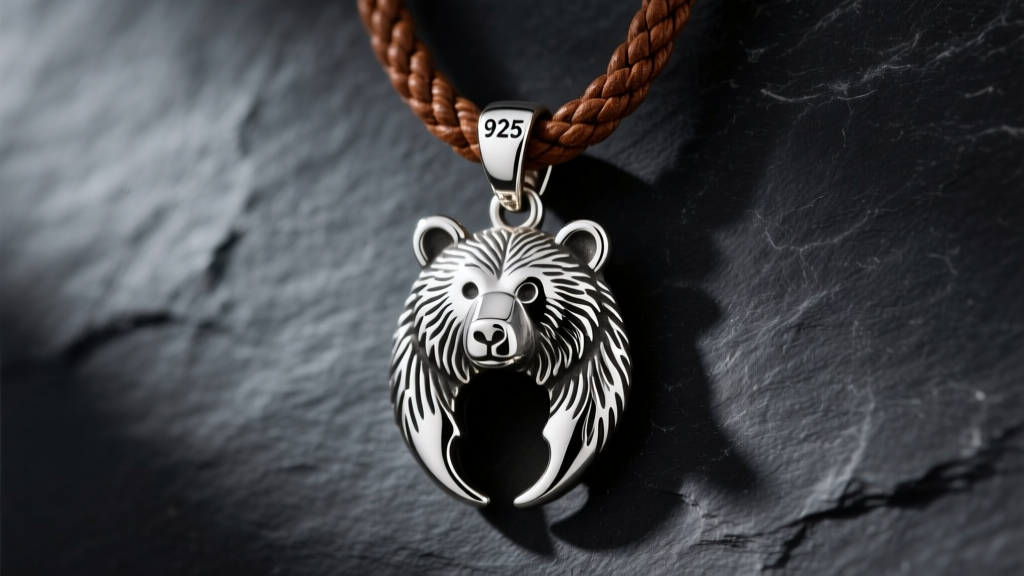
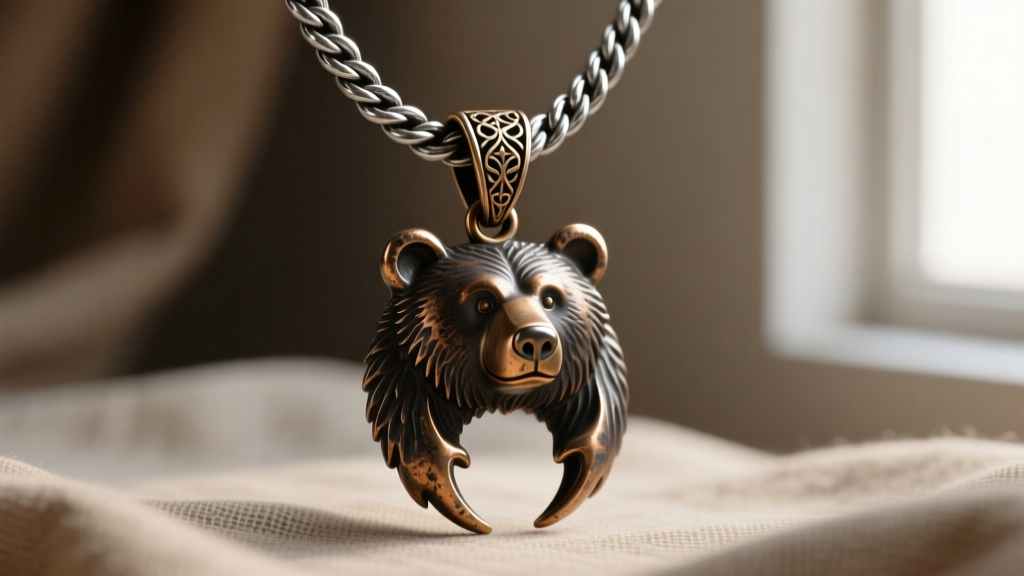
Lost-wax casting is the premier method for creating metal bear claw pendants. This technique captures every microscopic ridge and texture of the original mold. 925 Sterling Silver is the gold standard for fine rustic jewelry, offering a bright finish that can be oxidized to highlight the claw's natural grooves. Bronze and brass provide a warmer, more antique patina that develops beautifully over time, reacting to the wearer's skin chemistry to create a truly personalized piece.
Carved Gemstones: Obsidian, Turquoise, and Jasper
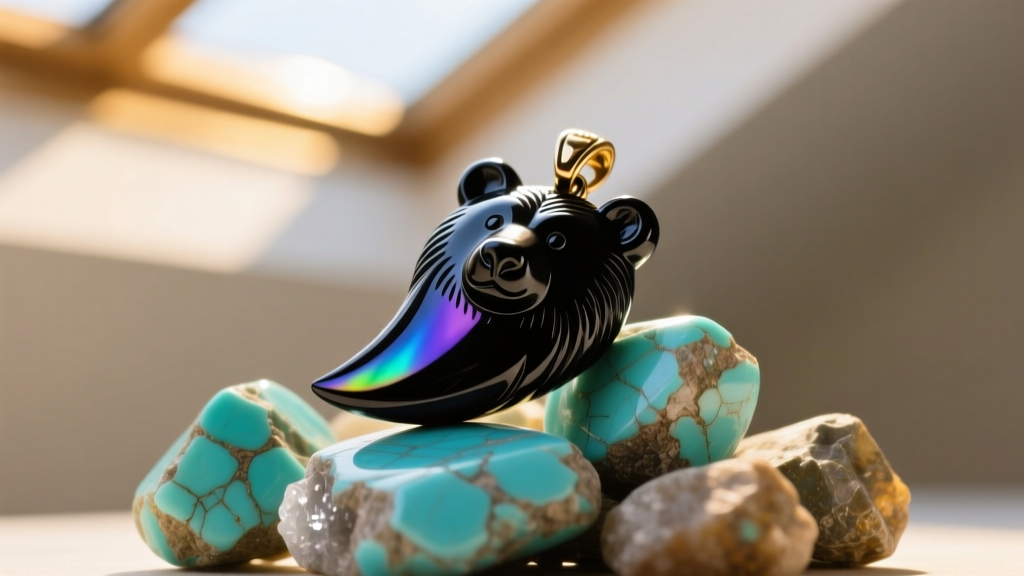
For a more bohemian or Southwestern aesthetic, carved stone pendants are unparalleled. When purchasing a stone bear claws necklace, pay close attention to the Mohs hardness scale. Obsidian (5-5.5) offers a striking glass-like black finish but is highly susceptible to chipping if dropped on a hard surface. Turquoise (5-6) and Picture Jasper (6.5-7) offer greater durability and feature mesmerizing natural inclusions that mimic the organic striations of a real claw.
| Material | Durability (Mohs/Notes) | Average Weight | Maintenance Level |
|---|---|---|---|
| 925 Sterling Silver | High (Malleable but tough) | 12g - 25g | Low (Polish to remove tarnish) |
| Bronze / Brass | High (Develops patina) | 15g - 30g | Medium (Requires oiling or polishing) |
| Black Obsidian | 5 - 5.5 (Prone to chipping) | 8g - 18g | Low (Wipe with soft cloth) |
| Picture Jasper | 6.5 - 7 (Highly durable) | 10g - 22g | Low (Avoid harsh chemicals) |
Choosing the Right Chain or Cord
A common mistake buyers make is pairing a heavy, rugged pendant with an inadequate chain. A solid metal bear claws necklace can easily weigh between 15 and 30 grams. Suspending this weight on a delicate 1mm cable chain is a recipe for a broken link and a lost pendant. You must match the tensile strength and aesthetic weight of the chain to the pendant.
Chain Gauges and Cord Thicknesses
For metal chains, a 3mm to 5mm rope chain or a 4mm Cuban link chain provides the necessary structural integrity and visual balance. Rope chains are particularly effective because their twisted links mimic the organic, spiraling textures found in nature. If you prefer a more rugged, outdoorsman aesthetic, a 2mm to 3mm genuine leather cord or a braided waxed cotton cord is ideal. Ensure the leather is sealed and treated to prevent degradation from sweat and moisture. Always check the clasp mechanism; a heavy pendant requires a sturdy lobster clasp or a thick toggle clasp, as standard spring-ring clasps will fail under the dynamic stress of daily wear.
Sizing, Proportions, and Bail Specifications
The 'bail' is the loop at the top of the pendant that the chain passes through. When buying a bear claws necklace, you must verify the inner diameter (ID) of the bail against the width of your intended chain. A standard 4mm rope chain requires a bail with an ID of at least 5mm to 6mm to slide freely without binding. Furthermore, consider the scale of the claw relative to your frame. A 2.5-inch pendant is a bold, chest-grazing statement piece best suited for thicker chains and casual or outdoor attire, while a 1.5-inch minimalist silver cast offers a subtle, refined nod to the motif that can be worn daily with a simple crewneck or button-down shirt.
Expert Tip: If you are buying a heavy bronze or silver claw pendant, look for a 'fixed bail' or a 'soldered bail' rather than a pinch bail. Soldered bails are permanently fused to the pendant, eliminating the risk of the claw detaching from the loop during vigorous activity.
Price Guide: What Should You Expect to Pay?
Pricing for a bear claws necklace varies wildly based on material purity, casting method, and artisan reputation. Mass-produced brass or resin pendants imported from overseas typically range from $25 to $50, though they often lack detail and use hollow-backed casts to save on material costs. Hand-cast 925 sterling silver pieces from independent jewelers generally sit in the $80 to $200 range, reflecting the cost of precious metals and the labor-intensive lost-wax process. High-end, custom-carved gemstone pendants set in sterling silver bezels can command anywhere from $250 to $600+. Always request a hallmark stamp (such as '925') on metal pieces to verify authenticity and ensure you are paying for solid metal rather than silver-plated base alloys.
Final Verdict
Selecting the perfect bear claws necklace is an exercise in balancing rugged aesthetics with ethical responsibility and structural engineering. By prioritizing legally compliant, faux, or cast materials, you can proudly wear a symbol of wilderness and strength without compromising your values. Focus on substantial chain gauges, verify your bail dimensions, and invest in solid metals or durable carved stones to ensure your pendant remains a lifelong staple in your jewelry collection.


