How to Style the Addison Rae Necklace Aesthetic (2026)
Learn how to recreate the iconic Addison Rae necklace look with our step-by-step layering guide, featuring exact chain gauges and pendant pairings.


The Anatomy of the Addison Rae Necklace Aesthetic
The "Addison Rae necklace" look has become a definitive staple in modern jewelry styling, bridging the gap between nostalgic Y2K fashion and elevated, everyday luxury. As we move through 2026, this aesthetic has evolved from a fleeting celebrity trend into a permanent fixture in the jewelry boxes of style enthusiasts worldwide. The core of this look relies on strategic layering, mixing delicate chains with vintage-inspired statement pendants, and balancing proportions to create a curated, effortless vibe.
Unlike random layering, which often results in a tangled, chaotic mess, the Addison Rae aesthetic follows a precise architectural formula. It typically involves three distinct layers: a snug choker or collar base, a mid-length focal pendant, and a longer, textured chain to frame the décolletage. According to Vogue's ongoing coverage of celebrity style evolutions, this specific method of layering draws heavily on early 2000s pop culture but updates it with high-quality metals and refined silhouettes. This guide will walk you through the exact specifications, materials, and techniques required to recreate this iconic look without the frustration of tangled chains.
Step 1: Selecting the Base Chain (Gauge & Length)
The foundation of any successful layered necklace stack is the base chain. For the Addison Rae aesthetic, the base chain should sit high on the neck, typically measuring between 14 and 15 inches in length. This acts as an anchor and prevents the longer layers from sliding upward and clumping together.
Chain Width & Material Specifications
The ideal width for a base chain is between 1.0mm and 1.5mm. A classic cable chain or a subtle box chain works best here because their low-profile weaves reduce friction against the skin and the other chains. When selecting your metal, you must decide between solid gold and gold vermeil. The Federal Trade Commission Jewelry Guides strictly define gold vermeil as a sterling silver base coated with at least 2.5 microns of gold. If you opt for vermeil to save on costs, ensure it meets this 2.5-micron threshold; anything less (often labeled as standard gold-plated) will wear off within months of daily use. For a lifelong piece, 14k solid gold is the industry standard, offering the perfect balance of durability, color, and price.
| Chain Type | Width (mm) | Length (inches) | Best For | Avg. Price (14k Solid) |
|---|---|---|---|---|
| Cable Chain | 1.2mm | 14" - 15" | Everyday base layer, low friction | $120 - $180 |
| Box Chain | 1.0mm | 14" - 15" | Sleek, modern Y2K aesthetic | $140 - $200 |
| Beaded Chain | 1.5mm | 15" | Adding subtle texture to the base | $90 - $130 |
Step 2: Adding the Signature Pendant
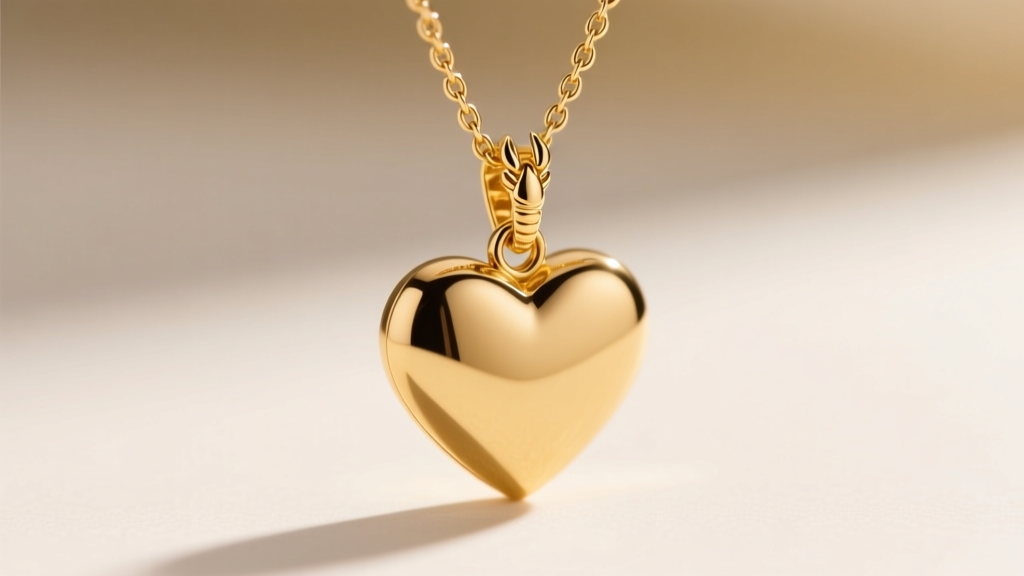
The second layer is the focal point of the Addison Rae necklace stack. This layer should measure between 16 and 17 inches, allowing it to rest perfectly on the collarbone. The hallmark of this aesthetic is the pendant choice: vintage-inspired heart tags, zodiac medallions, or chunky, slightly oxidized crosses.
Proportion Rules for Pendants
To maintain the delicate balance of the stack, your pendant should measure between 15mm and 20mm in diameter. Anything larger will overwhelm the dainty base chain and shift the look from "effortless" to "costume." The chain for this middle layer should be slightly thicker than the base—opt for a 2.0mm to 2.5mm curb or rope chain. The added weight of the thicker chain helps the pendant lay flat against the chest rather than flipping backward, a common issue with lightweight chains.
Pay close attention to the pendant's bail (the loop that attaches the charm to the chain). If you are using a 2.5mm curb chain, the bail must have an internal clearance of at least 3.0mm to slide on smoothly without stressing the jump ring. Always ensure the jump ring connecting the pendant is soldered shut; unsoldered jump rings will eventually pull apart under the weight of the charm, leading to loss.
Step 3: The Art of the Third Layer (Texture & Contrast)
The final layer in the stack is designed to elongate the neck and introduce visual contrast. This chain should measure 18 to 20 inches in length. While the first two layers rely on traditional weaves, the third layer is where you introduce modern textures like the paperclip chain or the herringbone weave.
A 3.5mm to 4.0mm hollow paperclip chain is a signature element of the 2026 layered look. Because these chains are hollow, they offer high visual impact and a luxurious, chunky appearance without the prohibitive weight and cost of solid gold. According to metallurgical data from the Gemological Institute of America (GIA), hollow chains are typically constructed from gold tubing, making them lightweight but susceptible to crushing if snagged. Therefore, reserve this third layer for occasions where you won't be engaging in high-impact physical activity.
Step 4: Securing the Layers (Clasp & Tangling Prevention)
The most common failure mode in necklace layering is tangling. Chains tangle due to friction and the interlocking of similar weaves. If you layer three identical cable chains, they will twist around each other within minutes.
The Physics of Chain Tangling
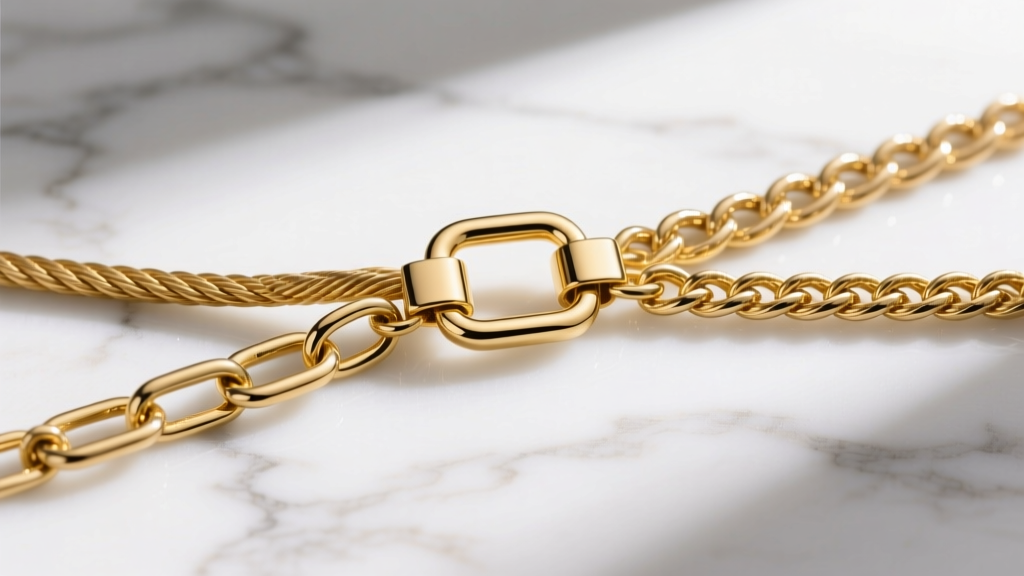
To prevent this, you must mix your chain weaves. The friction coefficient between a smooth box chain and a textured rope chain is different enough that they will naturally repel rather than interlock. If you prefer the look of identical chains, you must invest in a multi-strand spacer clasp. These clasps feature a single barrel or magnetic closure that separates into three distinct loops, locking your chains at fixed distances (e.g., 14", 16", and 18") and making tangling physically impossible.
Step 5: Matching the Stack to Your Neckline
The Addison Rae necklace aesthetic is highly versatile, but its impact changes dramatically depending on the neckline of your top. Here is a quick framework for styling your stack:
- The Scoop Neck: The ideal canvas. The curved neckline perfectly mirrors the 16" and 18" chains, creating a harmonious, concentric framing effect.
- The V-Neck: Opt for longer lengths (15", 17", 20") to follow the sharp diagonal lines of the garment. Use a pendant with a vertical drop (like a teardrop or dagger) rather than a round medallion.
- The Crew Neck: Keep the stack tight and high (14", 15.5", 17"). A longer chain will clash with the high collar of the shirt and get lost in the fabric folds.
- The Button-Down Shirt: Leave the top two buttons undone and let the 16" pendant rest directly on the skin, while the 14" base chain sits on the collarbone above the fabric line.
Maintenance & Care for Layered Gold
Wearing multiple chains simultaneously increases the surface area exposed to environmental stressors. Sweat, lotions, and perfumes can build up in the crevices of curb and rope chains, dulling their shine and accelerating the wear of gold vermeil.
Pro-Tip: Never use ultrasonic cleaners on hollow paperclip chains or vintage pendants with glued-in stones (like turquoise or opal). The high-frequency vibrations can shatter the delicate hollow links or shake the stones loose from their settings. Instead, use a soft-bristled baby toothbrush with a drop of mild dish soap and warm water to gently agitate the dirt from the chain links.
By following these exact measurements, material guidelines, and structural rules, you can master the Addison Rae necklace aesthetic. It is a look that relies not on wearing the most expensive pieces, but on understanding the geometry of jewelry and how different metals, weaves, and lengths interact with the human form.


