How to Style and Buy an Authentic Gator Tooth Necklace
Discover how to choose, style, and care for an authentic gator tooth necklace. Learn about ethical sourcing, metal caps, and chain pairings.

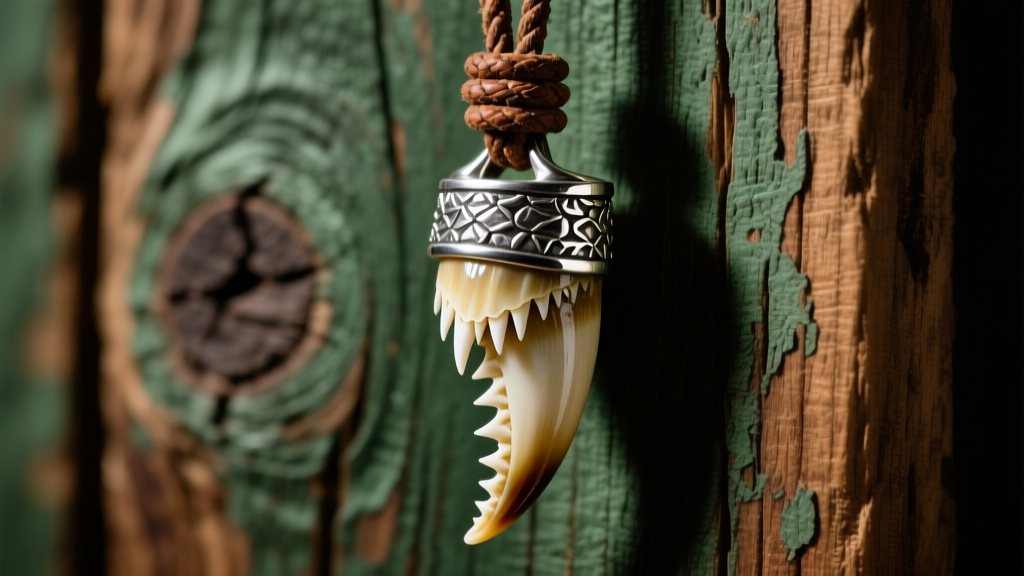
The gator tooth necklace has evolved from a niche piece of regional folk art into a highly sought-after statement pendant in contemporary organic jewelry. As of 2026, the demand for authentic, ethically sourced reptilian jewelry has surged, driven by a broader appreciation for raw, nature-inspired textures and coastal heritage aesthetics. However, navigating the market requires a keen eye for biology, conservation laws, and jewelry fabrication techniques. This beginner-friendly explainer will equip you with the exact specifications needed to select, style, and preserve a genuine alligator tooth pendant.
The Biology and Anatomy of the Gator Tooth
Unlike mammalian teeth, alligator teeth are polyphyodont, meaning they are continuously replaced throughout the animal's life. An adult American alligator can go through up to 50 replacements per tooth position. This biological quirk is what makes sourcing them possible without harming the animal, provided you are buying from ethical collectors or regulated farms.
A genuine alligator tooth consists of a dense dentin core covered by a thin, highly durable layer of enamel. The crown (the visible part of the tooth) features distinct longitudinal striations and a slightly translucent tip. The root, which is often hollow or deeply concave where the pulp cavity once resided, is highly porous and fragile. Because the root is structurally weak, high-quality jewelers rarely drill directly through the base; instead, they rely on specialized capping or wire-wrapping techniques to secure the pendant.
Ethical Sourcing and Legal Frameworks in 2026
When shopping for a gator tooth necklace, provenance is paramount. The American Alligator (Alligator mississippiensis) is a conservation success story, but it remains heavily regulated to prevent poaching and illegal trade.
- CITES Regulations: The species is listed under Appendix II of the CITES Species Database, meaning international trade is strictly monitored to ensure it does not threaten their survival.
- Domestic Sourcing: According to the U.S. Fish & Wildlife Service, alligator products must originate from legally permitted farms or regulated wild harvest programs.
- Naturally Shed vs. Farmed: The most ethical (and rarest) teeth are naturally shed and collected from marshlands. However, the vast majority of commercial gator tooth jewelry utilizes teeth recovered as a byproduct of the regulated alligator meat and leather industry.
Red Flag: Avoid vendors selling "wild-caught" teeth without documentation, as this often masks illegal poaching or misidentified species (such as protected crocodilians).
Pendant Construction: Drilling, Capping, and Wrapping
The hardware used to mount the tooth dictates both the pendant's durability and its aesthetic profile. Because alligator enamel can micro-fracture under thermal stress, preparation requires specialized lapidary techniques.
Drilling Mechanics
If a jeweler drills through the tooth, they must use diamond-tipped micro-drill bits operating at low RPMs (under 5,000 RPM) with continuous water cooling. High-speed drilling generates heat, which causes the dentin to expand and crack the outer enamel shell. Always inspect the drill hole for jagged edges or micro-fissures, which indicate poor craftsmanship.
Metal Capping
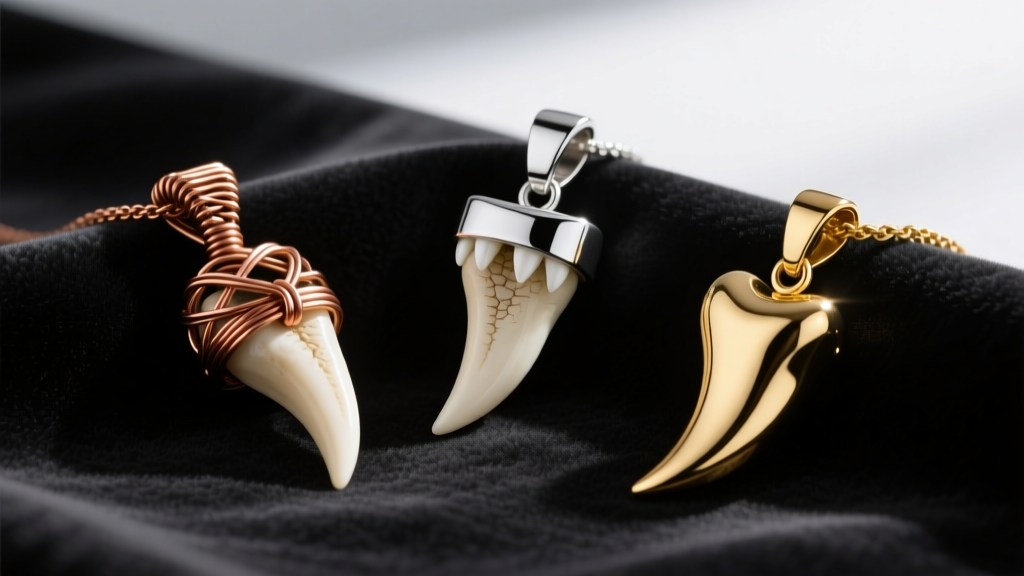
The most secure and popular mounting method involves a cone-shaped metal cap. Typically cast in .925 sterling silver or 14k gold vermeil, the cap is adhered to the top of the crown using a jeweler's two-part epoxy resin. This hides the fragile upper root, protects the enamel from chipping, and provides a sturdy soldered bail for the chain.
Wire Wrapping
For a more rustic, non-invasive approach, artisans use 20-gauge or 22-gauge dead-soft wire (usually copper, brass, or silver) to cage the tooth. This method avoids drilling entirely, preserving the structural integrity of the organic material.
Chain Selection and Length Matrix
A gator tooth necklace is a heavy, textured focal point. Pairing it with the wrong chain can either overwhelm the pendant or cause the chain to snap under the weight. Use the matrix below to match your chain to your desired style and the physical dimensions of your tooth.
| Chain Type | Material & Gauge | Ideal Length | Style Profile |
|---|---|---|---|
| Braided Leather | 2mm-3mm Genuine Hide | 24-30 Inches | Rustic / Coastal / Outdoors |
| Box Chain | .925 Sterling Silver 1.2mm | 20-22 Inches | Smart-Casual / Modern Edge |
| Rope Chain | 14k Gold Vermeil 1.5mm | 22-24 Inches | Luxury Streetwear / Festival |
| Wheat Chain | Oxidized Silver 1.0mm | 18-20 Inches | Vintage / Southern Heritage |
Pro Tip: If your gator tooth pendant exceeds 1.5 inches in length and features a heavy silver cap, avoid chains thinner than 1.2mm. The friction from a heavy, swinging pendant will quickly wear through thin link joints.
Spotting Fakes: Resin vs. Authentic Enamel
As the trend for organic jewelry grows, so does the market for counterfeit pieces. Mass-produced molds made from polyurethane resin are frequently passed off as genuine gator teeth. Here is how to verify authenticity:
- Thermal Conductivity: Real enamel and dentin are dense and will feel noticeably cool to the touch when first picked up. Resin is an insulator and will quickly match room temperature.
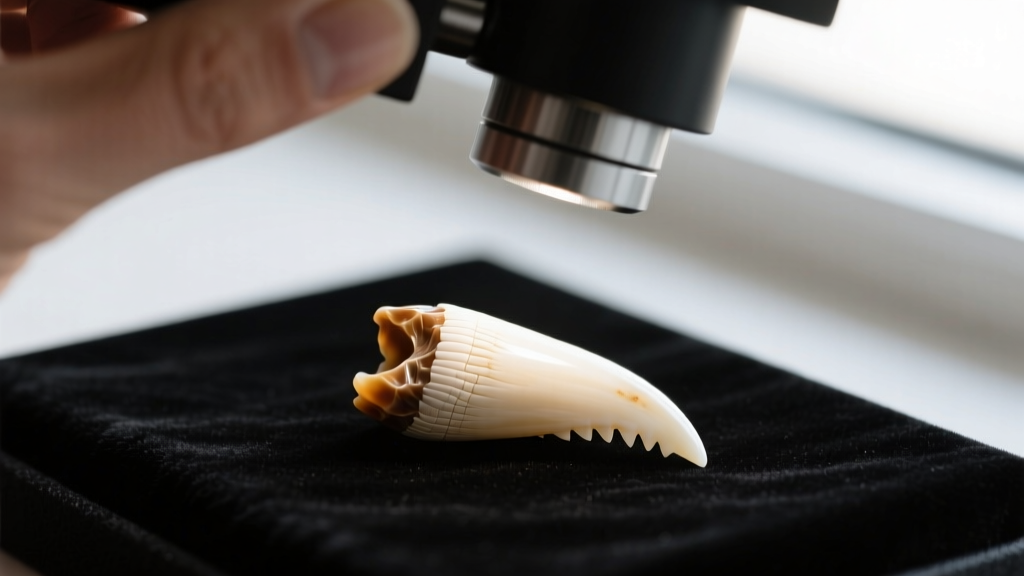
- Visual Striations: Under a 10x jeweler's loupe, genuine alligator teeth display microscopic, irregular longitudinal grooves. Molded resin often looks too uniform or features tiny air bubbles trapped near the edges.
- The Root Cavity: If the tooth is unmounted or wire-wrapped, look inside the hollow root. Real teeth feature a porous, chalky dentin interior. Fakes usually have a solid base or a smooth, molded hollow.
Long-Term Care and Preservation
Treating a gator tooth necklace like a standard gemstone will ruin it. Organic materials are highly sensitive to environmental changes and harsh chemicals.
- Avoid Ultrasonic Cleaners: The high-frequency vibrations will shatter the fragile dentin core and loosen the epoxy holding the metal cap.
- Hydration is Key: Reptilian teeth can dry out, leading to vertical cracking. Once every six months, rub a single drop of food-grade mineral oil into the exposed root or un-enameled areas using a cotton swab. Wipe away excess after 10 minutes.
- Chemical Avoidance: Chlorine, bleach, and sulfates will strip the natural luster from the enamel and accelerate the tarnishing of silver caps. Always remove your necklace before swimming or showering.
- UV Degradation: Prolonged exposure to direct, harsh sunlight can cause the natural creamy-white enamel to yellow or become brittle over time. Store your pendant in a dark velvet pouch when not in use.
Final Thoughts on Styling
The gator tooth necklace is a versatile artifact that bridges the gap between rugged outdoor gear and high-end artisanal jewelry. Whether you opt for a naturally shed tooth wrapped in raw copper for a weekend festival, or a pristine, silver-capped crown resting on a fine wheat chain for a night out, understanding the material's origins and limitations ensures your piece will last a lifetime. Always prioritize transparent sourcing, respect the organic nature of the pendant, and let the raw geometry of the tooth serve as the ultimate focal point of your wardrobe.


