How to Style and Maintain Your Arcane Blue Rose Necklace
Learn how to style, layer, and care for your arcane blue rose necklace. Expert tips on material maintenance, chain pairing, and dark academia aesthetics.

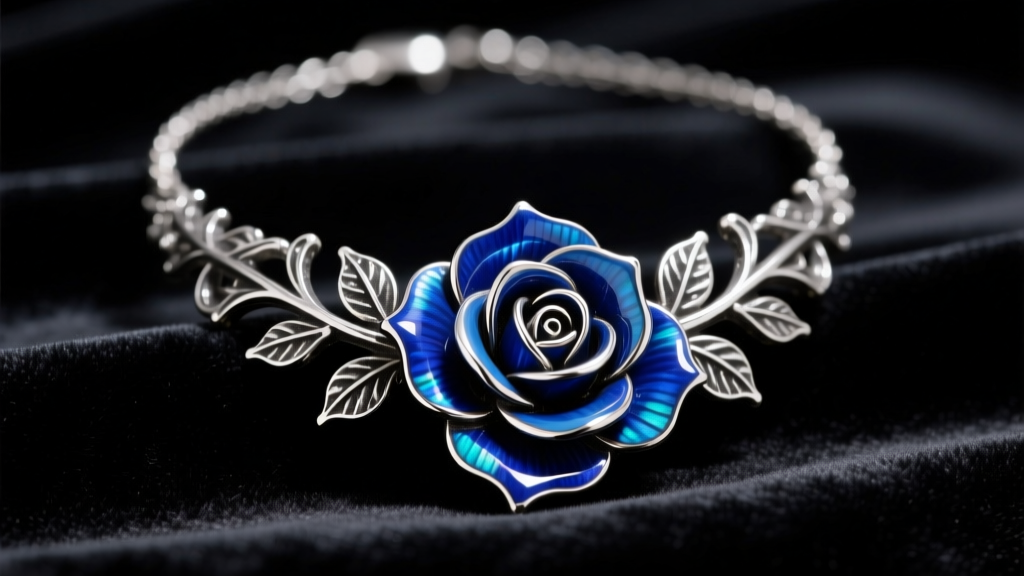
The Anatomy of the Arcane Blue Rose Necklace
The arcane blue rose necklace has transcended its origins in fantasy media and dark academia subcultures to become a staple of avant-garde jewelry in 2026. Symbolizing mystery, the unattainable, and magical realism, this statement piece requires a nuanced approach to styling and maintenance. Unlike standard floral pendants, the "arcane" designation implies a darker, more intricate design language—often featuring oxidized metals, thorn-motif bail connectors, and deep, moody color palettes.
Whether your piece is a mass-produced resin casting or a bespoke cloisonné masterwork, treating it with the correct level of care is paramount. This comprehensive guide will walk you through material authentication, advanced layering techniques, and step-by-step maintenance protocols to ensure your pendant remains a focal point of your wardrobe for decades.
Decoding the Materials: Enamel vs. Resin vs. Gemstone
Before attempting to clean or style your necklace, you must identify the exact material composition of the blue rose element. The market is currently saturated with three primary tiers of construction, each with distinct physical properties and failure modes.
| Material | Mohs Hardness | Price Range (2026) | Primary Vulnerability |
|---|---|---|---|
| UV-Cured Epoxy Resin | 2.0 - 3.0 | $25 - $60 | UV yellowing, surface scratching |
| Cloisonné / Champlevé Enamel | 5.5 - 6.5 | $90 - $250 | Impact chipping, thermal shock |
| Ceylon Blue Sapphire | 9.0 | $1,200 - $4,500+ | Hard cleavage planes, grease buildup |
| Irradiated Blue Diamond | 10.0 | $3,000 - $8,000+ | Color instability under extreme heat |
According to the Gemological Institute of America (GIA), treating enamel or resin with ultrasonic cleaners will cause catastrophic micro-fractures. Always verify your material before applying any liquid cleaning agents.
Step-by-Step Guide to Layering the Arcane Blue Rose
Layering a heavy, ornate pendant requires an understanding of visual weight and chain geometry. The goal is to frame the arcane blue rose necklace without allowing it to tangle with secondary chains. Here is the exact blueprint for a balanced, tangle-free stack.

Step 1: The Anchor Chain (16 Inches)
Start with a 16-inch, 1.0mm box chain in a contrasting metal. If your rose pendant is set in oxidized sterling silver, use a bright white gold or platinum chain for the anchor. This creates a subtle collar effect that draws the eye upward. Avoid snake chains here, as they kink easily when layered.
Step 2: The Focal Point (18 to 20 Inches)
This is where your arcane blue rose necklace lives. Opt for an 18-inch or 20-inch 1.5mm cable chain. The thicker gauge (1.5mm) is necessary to support the weight of a multi-petal enamel or gemstone rose, which typically weighs between 8 and 14 grams. Ensure the jump ring connecting the pendant to the chain is soldered shut to prevent loss.
Step 3: The Whisper Chain (24 Inches)
Finish the stack with a delicate 24-inch chain featuring a minimalist geometric drop or a raw, unpolished sapphire chip. This elongates the torso and grounds the heavy visual weight of the rose pendant. Keep this chain under 0.8mm in thickness to maintain a clear visual hierarchy.
Pro-Tip: To prevent chains from tangling, always use chains with distinctly different link patterns (e.g., box, cable, and rope). Identical link patterns will interlock and knot within minutes of wear.
Neckline Pairings for Dark Academia and Fantasy Aesthetics
The arcane blue rose necklace is inherently dramatic. Pairing it with the wrong neckline will result in a cluttered, chaotic silhouette. Here are the most effective pairings for 2026's prevailing dark academia and neo-gothic fashion trends:
- The High Victorian Collar: A stiff, ruffled, or lace high collar provides a literal and figurative pedestal for the pendant. Rest the 18-inch chain just above the collarbone, allowing the rose to sit directly on the fabric.
- The Deep Plunge V-Neck: Ideal for an elongated 22-inch matinee chain. The negative space of the V-neck frames the intricate thorn-and-petal metalwork, allowing the dark oxidized silver to pop against bare skin.
- The Asymmetric Wrap: For avant-garde styling, drape the necklace over the shoulder of an asymmetric wool wrap coat. This breaks traditional symmetry and highlights the piece as wearable art.
Maintenance Protocol: Preventing Tarnish and Enamel Cracking
Oxidized metals and delicate enamels require a strict, proactive maintenance routine. The Jewelers of America emphasizes that environmental pollutants and skin acids are the primary culprits behind jewelry degradation.
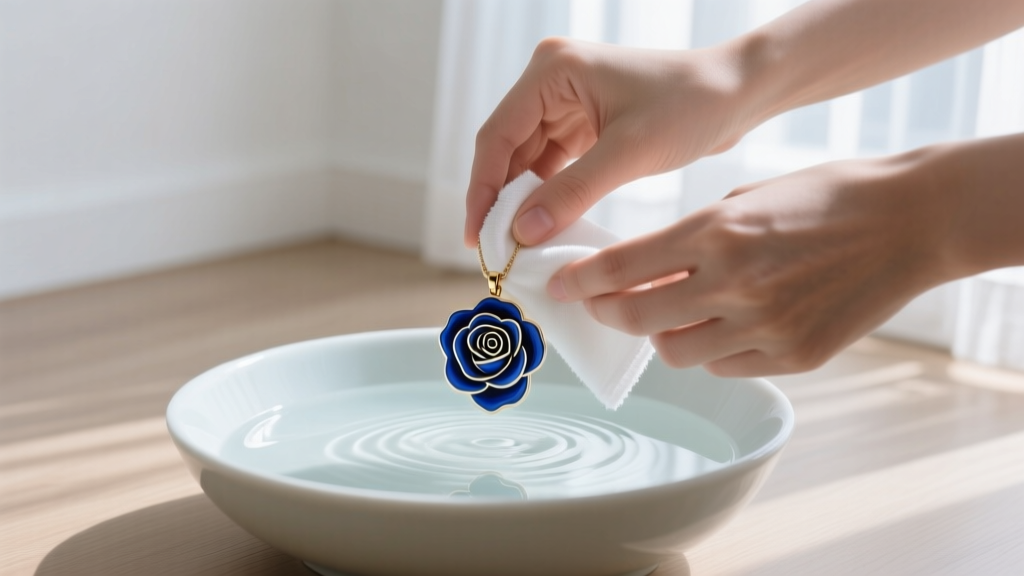
Routine Cleaning (Monthly)
- Prepare the Solution: Mix three drops of phosphate-free dish soap (like Dawn) into a bowl of lukewarm distilled water. Never use hot water, as thermal shock can crack cloisonné enamel.
- Agitate Gently: Submerge the chain (avoid submerging resin pendants). Use a baby-soft toothbrush to gently sweep dirt from the crevices of the rose petals.
- Rinse and Dry: Rinse under a gentle stream of cool distilled water. Pat dry immediately with a lint-free microfiber cloth. Do not air dry, as water spots will form on the metal.
Advanced Tarnish Removal
If the sterling silver chain loses its intentional oxidized contrast or becomes overly tarnished, avoid commercial silver dips. These harsh chemicals will strip the blackened patina from the crevices of the rose design, ruining the "arcane" aesthetic. Instead, use a specialized polishing cloth infused with jeweler's rouge, carefully buffing only the high points of the metal.
Troubleshooting Common Clasp and Chain Failures
Heavy pendants put immense stress on chain hardware. Here is how to identify and fix the most common structural failures associated with the arcane blue rose necklace.
The Spring Ring vs. Lobster Clasp Debate
If your necklace features a standard spring ring clasp, replace it immediately. Spring rings are notorious for failing under the dynamic weight of a 10g+ pendant. Upgrade to a 10mm solid cast lobster clasp. The internal spring mechanism of a lobster clasp is shielded, and the structural integrity of the cast body can withstand up to 40 lbs of tensile force.
Repairing a Loose Enamel Petal
If a petal on your cloisonné or resin rose becomes dislodged, do not use cyanoacrylate (Super Glue). Cyanoacrylate cures with a white, frosty residue that will permanently ruin the translucent blue finish. Follow these steps instead:
- Clean both the metal recess and the back of the enamel petal with 91% isopropyl alcohol.
- Apply a micro-drop of two-part clear jewelry epoxy (e.g., E6000 or Devcon 5-Minute Epoxy) using a toothpick.
- Seat the petal firmly and secure it with painter's tape.
- Allow 24 hours for a full cure before removing the tape and wearing the piece.
By understanding the material science, mastering the art of the layering stack, and adhering to strict maintenance protocols, your arcane blue rose necklace will remain a breathtaking, conversation-starting centerpiece in your collection for years to come.


