How to Style and Care for a Genuine Hawaiian Shell Necklace
Learn how to identify, style, and maintain an authentic Hawaiian shell necklace. Expert tips on Ni'ihau shells, layering, and restringing.

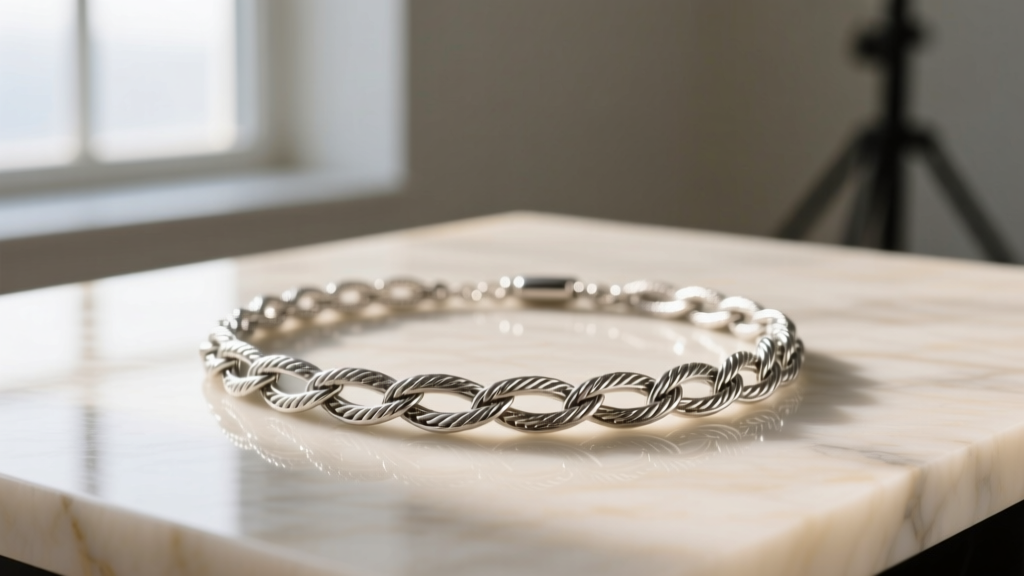
The Hawaiian shell necklace is more than a mere vacation souvenir; it is a profound piece of Pacific Island heritage and a versatile organic gemstone accessory. However, the market is currently saturated with mass-produced plastic imitations and dyed howlite. Whether you are working with a rare Ni'ihau strand or a classic puka choker, understanding how to verify, style, and maintain these organic treasures is essential. In this step-by-step guide, we break down the exact methods for authenticating, layering, and restringing your Hawaiian shell necklace to ensure it lasts a lifetime.
The Anatomy of an Authentic Hawaiian Shell Necklace
Not all shells are created equal. The value, durability, and cultural significance of a Hawaiian shell necklace depend entirely on the species of shell and the island of origin. According to the Bernice Pauahi Bishop Museum, traditional Hawaiian shell lei and necklaces utilize specific endemic species, each with distinct characteristics.
Shell Types and Market Value Breakdown
| Shell Type | Origin / Species | Average Strand Price (USD) | Durability & Care Level |
|---|---|---|---|
| Ni'ihau (Kahelelani) | d>Endemic to Ni'ihau (Tiny, golden/pink)$500 - $10,000+ | High (but requires careful storage) | |
| Ni'ihau (Laiki) | Endemic to Ni'ihau (White, rice-shaped) | $200 - $2,000 | High (porous, avoid oils) |
| True Puka | Cone Snail (Conus miliaris) | $80 - $350 | Medium (naturally thick) |
| Heishi (Pipi) | Pipi shell (Flat, polished discs) | $150 - $800 | Medium (edges can chip) |
| Mother of Pearl | Pinctada margaritifera (Black-lip oyster) | $50 - $250 | Low (scratches easily) |
Step-by-Step Guide to Verifying Authenticity
Before you invest in a vintage piece or attempt to restring an heirloom, you must confirm the material. Fake puka and heishi are often stamped from resin or made from dyed 'China shell' (a cheap, thick bivalve).
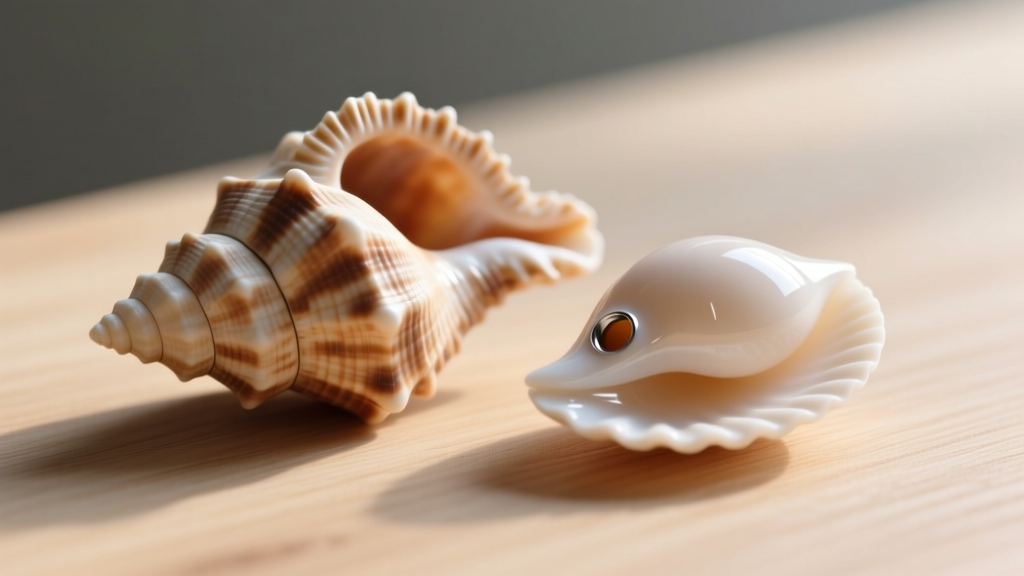
Step 1: The Visual and Tactile Hole Test
The word 'puka' translates to 'hole' in Hawaiian. Genuine puka shells are the naturally weathered apexes of cone snails found on beaches. Therefore, the hole is rarely perfectly centered or uniform. If every shell on the strand has a perfectly symmetrical, machine-drilled hole with sharp edges, it is likely a fake or a low-grade imitation.
Step 2: The Temperature Test
Organic calcium carbonate shells are dense and will feel distinctly cool to the touch when first picked up, taking a few seconds to warm to your body temperature. Plastic and resin imitations will feel room-temperature immediately.
Step 3: The UV Blacklight Test
Many synthetic resins and optical brighteners used in cheap dyed shells will fluoresce under a UV blacklight. Genuine, untreated Hawaiian shells will remain inert and will not glow.
How to Style Your Hawaiian Shell Necklace for Modern Wardrobes
The days of wearing a single, bulky puka strand with a graphic tee are behind us. In 2026, the prevailing trend is 'elevated coastal,' which involves mixing organic textures with fine metals. Here is a step-by-step framework for layering your Hawaiian shell necklace.
- The Base Layer (14-15 inches): Start with a delicate, graduated heishi or Ni'ihau choker. This sits flush against the collarbone and provides a neutral, textured base.
- The Metallic Mid-Layer (16-18 inches): Introduce a 14k gold or sterling silver chain. A 2mm Figaro or a delicate paperclip chain adds a reflective element that contrasts beautifully with the matte finish of the shells.
- The Statement Anchor (20-24 inches): Finish with a longer, heavier true puka strand or a shell pendant suspended on a leather cord. This draws the eye downward and elongates the neckline.
Pro Tip: Avoid layering your shell necklaces with hard gemstones like diamonds or sapphires. The Mohs hardness of shell is roughly 2.5 to 3.0, meaning harder gems will act like sandpaper and permanently scratch the surface of your shells over time.
Restringing and Maintenance: A DIY Care Guide
Shells are organic and porous. They absorb body oils, lotions, and sweat, which can degrade the stringing material and dull the shell's natural luster. Furthermore, the Gemological Institute of America (GIA) warns that ultrasonic cleaners and harsh chemicals can dissolve the calcium carbonate structure of organic gems. Here is how to safely clean and restring your piece.
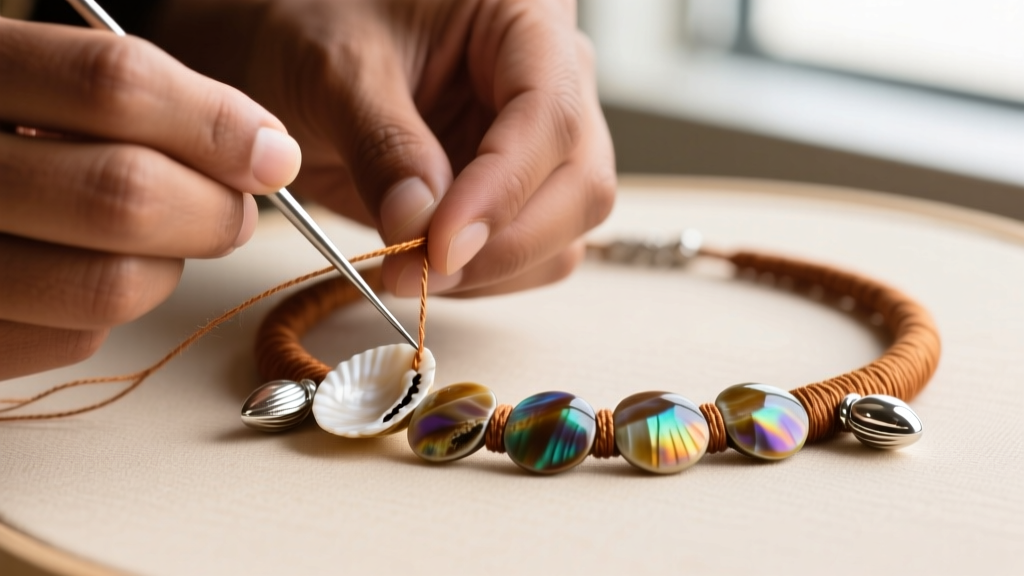
Safe Cleaning Protocol
- Mix a few drops of pH-neutral dish soap (like Dawn) into a bowl of lukewarm distilled water.
- Submerge the necklace for no more than 3 minutes.
- Gently agitate the water with your fingers. Do not use a bristle brush on Ni'ihau shells, as it can dislodge their natural polish.
- Rinse briefly under cool distilled water and lay flat on a microfiber towel to air dry completely before storing.
DIY Restringing Specifications
If your vintage Hawaiian shell necklace has stretched or frayed, do not use standard nylon thread, which degrades when exposed to salt and sweat. Follow these exact material specifications for a professional-grade restring:
- Thread: Use 0.006-inch or 0.008-inch WildFire (woven polyethylene) or FireLine beading thread. These are waterproof and possess zero stretch.
- Needle: A size 10 or 12 flexible beading needle (English beading needles) to navigate the tight, asymmetrical holes of true puka.
- Findings: Use 1.5mm sterling silver crimp beads and clamshell bead tips to protect the thread from the sharp edges of the shell holes.
- Clasp Protection: Always wrap the loop of your thread with sterling silver French wire (bullion) before attaching the jump ring to prevent the clasp from sawing through your thread.
Sourcing Ethically in the Modern Market
As we navigate the 2026 jewelry market, ethical sourcing is paramount. True Ni'ihau shells are incredibly rare, and overharvesting is a genuine concern. When purchasing a high-end Hawaiian shell necklace, always ask the seller for a certificate of authenticity or proof of origin. Reputable sellers will specify the island where the shells were gathered and the name of the artisan who strung the lei. Avoid buying 'puka' necklaces from large chain retailers or unverified online marketplaces, as these are almost exclusively stamped from the Trochus shell or molded from plastic in overseas factories. By investing in authentic, ethically sourced pieces, you are not just acquiring a beautiful accessory; you are supporting indigenous artisans and preserving a vital piece of Hawaiian cultural history.


