How to Style and Care for a Sterling Silver Sea Turtle Necklace
Learn how to authenticate, style, and clean your sterling silver sea turtle necklace with our expert step-by-step guide for lasting shine.

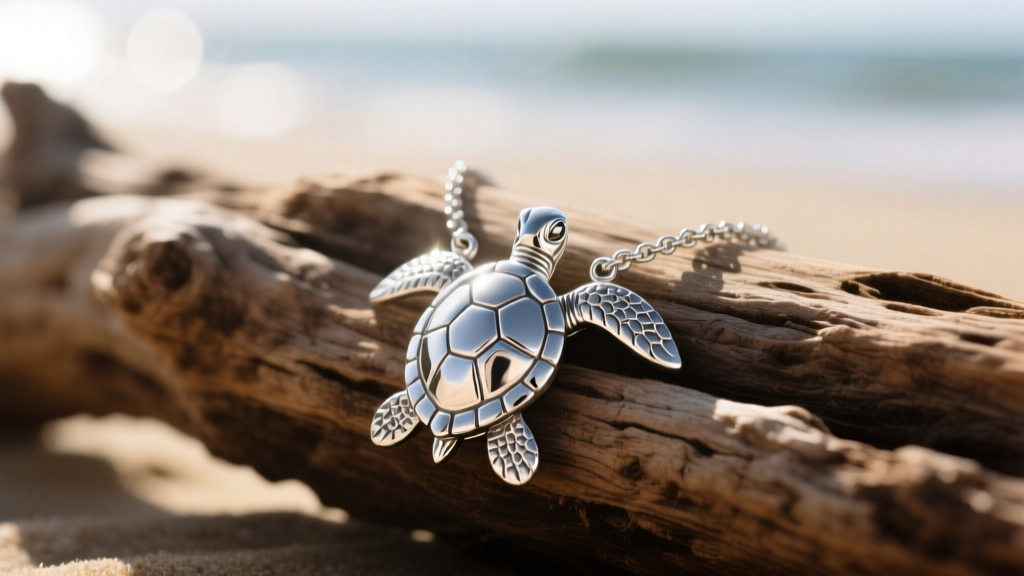
The Enduring Appeal of the Sea Turtle Motif
The sea turtle has long been a symbol of longevity, navigation, and ocean conservation. According to the Smithsonian Ocean Portal, these ancient mariners have navigated our oceans for over 100 million years, making them a profound motif for jewelry lovers and marine advocates alike. When cast in 925 sterling silver, the intricate details of the turtle’s scutes (shell plates) and flippers are beautifully preserved. However, owning a sterling silver sea turtle necklace requires more than just slipping it on. Because silver is an alloy—typically 92.5% pure silver and 7.5% copper—it is prone to oxidation and requires specific care, especially when the design features deep texturing or enamel inlays. This comprehensive, step-by-step guide will walk you through authenticating, styling, and maintaining your oceanic pendant so it remains a lifelong staple in your jewelry collection.
Step 1: Authenticating Your 925 Sterling Silver Piece
Before adopting a rigorous care routine, you must verify that your necklace is genuine sterling silver rather than silver-plated brass or nickel. The Federal Trade Commission mandates strict guidelines for precious metal stamping, but counterfeit marks do exist in the mass-market jewelry space.
The Magnet and Ice Tests
First, perform the magnet test. Pure silver and copper are both paramagnetic, meaning they should not stick to a strong neodymium magnet. If your sea turtle pendant clings to the magnet, it likely contains a ferromagnetic core like iron or steel, indicating it is merely silver-plated. Next, try the ice cube test. Silver possesses the highest thermal conductivity of any common metal. If you place a small ice cube directly on the silver shell of the turtle, it should begin melting almost instantaneously, much faster than it would on a room-temperature countertop or a piece of stainless steel.
Inspecting the Stamp and Weight
Look closely at the bail (the loop that connects the pendant to the chain) or the back of the turtle’s shell for a "925", "Ster", or "Sterling" hallmark. Additionally, authentic sterling silver has a distinct heft. A solid cast sea turtle pendant measuring 1 inch across should weigh between 8 to 15 grams. If it feels unusually light, it may be hollow-cast or made from a base metal alloy.
Step 2: Pairing the Pendant with the Proper Chain
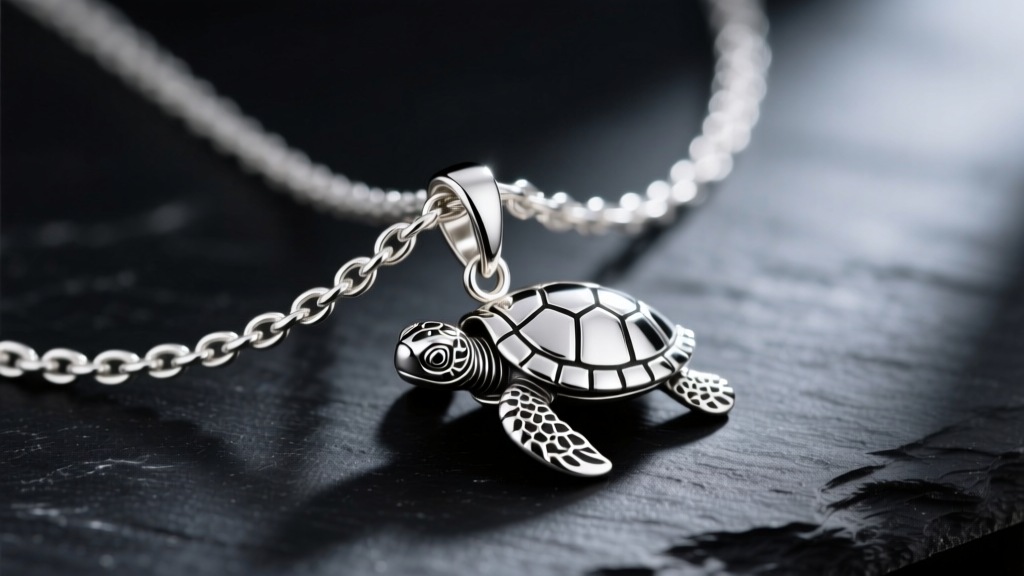
A common mistake jewelry wearers make is pairing a heavy, detailed pendant with a chain that is too delicate. Sea turtle pendants are often wide and top-heavy. If the chain is too thin, the bail will cause excessive friction, eventually snapping the chain. Use the table below to match your pendant's weight to the correct chain gauge.
| Pendant Weight | Recommended Chain Type | Minimum Gauge/Thickness | Durability Rating |
|---|---|---|---|
| Under 10g | Cable or Snake Chain | 1.2mm - 1.5mm | Moderate |
| 10g - 25g | Box or Rope Chain | 1.5mm - 2.2mm | High |
| Over 25g | Wheat or Figaro Chain | 2.5mm - 3.5mm | Very High |
For a standard 15-gram sterling silver sea turtle pendant, a 1.8mm sterling silver rope chain is the ideal choice. The twisted links of a rope chain not only provide exceptional tensile strength but also mimic the organic, flowing movement of ocean currents, complementing the marine theme of the pendant.
Step 3: Styling for Necklines and Occasions
The versatility of a sterling silver sea turtle necklace allows it to transition seamlessly from a casual beach day to a smart-casual office environment, provided you adjust the chain length and layering techniques.
Casual & Beachwear (16 to 18 Inches)
For V-necks, scoop necks, or open-button linen shirts, opt for a 16-inch or 18-inch chain. This length ensures the turtle pendant rests directly on the skin near the collarbone, acting as a focal point. In beach environments, the natural oils from your skin and the ambient humidity will actually slow down the tarnishing process of the copper alloy, keeping the silver bright throughout your vacation.
Office & Smart Casual (20 to 24 Inches)
When wearing high crew necks, turtlenecks, or structured blazers, a longer 20-inch to 24-inch chain is required. This allows the pendant to hang over the fabric, breaking up the visual block of a solid-colored sweater or blouse. For a sophisticated layered look, pair your 22-inch turtle pendant with a simple 16-inch sterling silver herringbone choker and a 26-inch oxidized silver coin necklace. This creates a curated, multi-dimensional aesthetic without looking cluttered.
Step 4: The Deep-Clean Protocol for Textured Shells
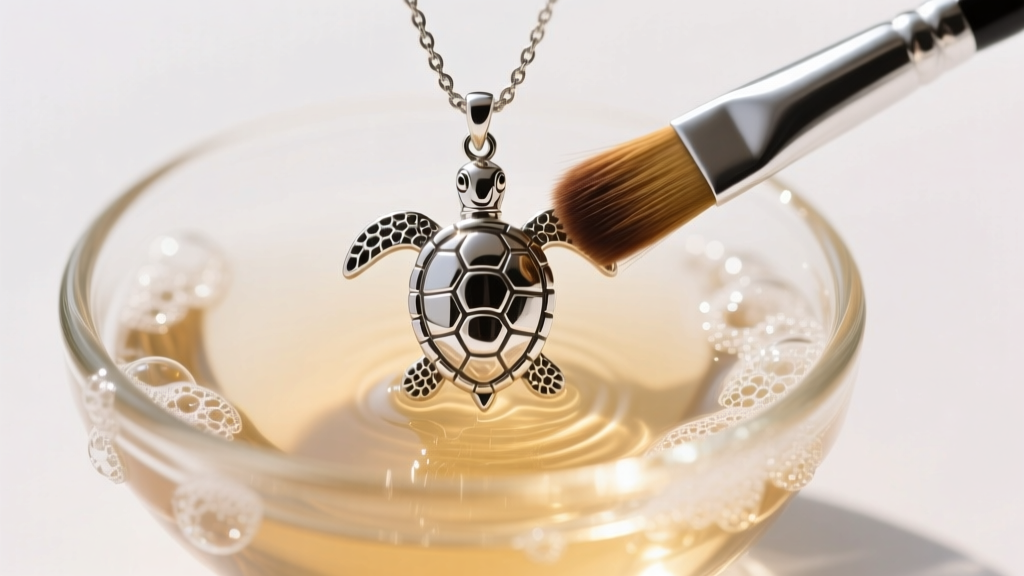
Cleaning a sea turtle necklace requires a delicate touch. Many artisan turtle pendants feature intentional oxidation—a process where the deep crevices of the shell are blackened to provide contrast against the polished high points of the scutes. The Silver Institute warns against using commercial liquid silver dips, which often contain thiourea. These harsh chemicals will strip the intentional oxidation from your turtle’s shell, leaving it with a flat, chalky, and unnaturally white appearance.
The Safe Cleaning Routine
- Prepare the Solution: Mix a few drops of mild, phosphate-free dish soap into a bowl of lukewarm water. Avoid hot water, especially if your turtle pendant features turquoise cabochons or epoxy enamel inlays, as extreme heat can crack the stones or melt the adhesive.
- Soak Briefly: Submerge the necklace for no more than 3 to 5 minutes to loosen body oils, sunscreen residue, and environmental dust.
- Agitate Gently: Using a baby toothbrush or an extra-soft makeup brush, gently sweep the bristles along the grooves of the turtle's flippers and shell. Brush in a circular motion to lift debris without scratching the polished silver surfaces.
- Rinse and Dry: Rinse thoroughly under cool distilled water to prevent hard water spots. Pat dry immediately with a lint-free microfiber cloth. Never let sterling silver air dry, as trapped moisture in the bail or chain links will accelerate localized tarnishing.
Step 5: Anti-Tarnish Storage Solutions
When you are not wearing your sterling silver sea turtle necklace, proper storage is non-negotiable. The 7.5% copper in 925 silver reacts with sulfur compounds and moisture in the air to form silver sulfide, the black layer we recognize as tarnish.
Creating a Micro-Environment
Do not leave your necklace on a bathroom vanity or an open jewelry tree. Instead, store it in an airtight polyethylene ziplock bag. Before sealing the bag, press out as much air as possible. To actively neutralize sulfur gases, place a 3M anti-tarnish strip inside the bag. These strips contain copper carbonate, which acts as a sacrificial metal, absorbing the corrosive gases before they can reach your silver. If anti-tarnish strips are unavailable, a simple piece of standard blackboard chalk wrapped in a tissue will also absorb ambient moisture inside the sealed bag, keeping your sea turtle pendant gleaming and ready for your next coastal adventure.


