Material Guide: Choosing the Best Chicken Wing Necklace
Compare metals for your chicken wing necklace. We analyze 10k-18k gold, sterling silver, and brass for casting detail, durability, and tarnish.

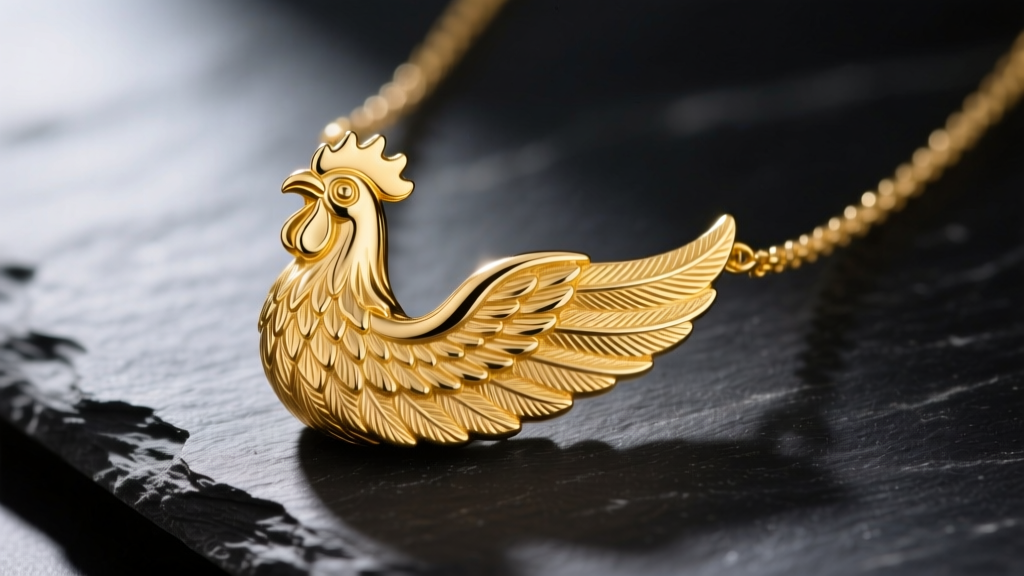
The Metallurgy of the Chicken Wing Necklace
The chicken wing necklace has evolved from a quirky novelty item into a legitimate staple of modern streetwear and hip-hop jewelry. However, designing and casting a highly detailed, three-dimensional object with intricate "crispy" breading textures and protruding bone tips requires specific metallurgical properties. Unlike flat stamped pendants, a 3D chicken wing pendant demands high-flow metals to capture micro-textures, alongside sufficient structural integrity to support its own weight without warping. In 2026, with the rise of high-resolution DLP 3D printing for lost-wax casting molds, the level of detail achievable is staggering—but the metal you choose dictates whether that detail survives the casting process and daily wear.
When evaluating a chicken wing necklace, you must consider the alloy's casting fluidity, Vickers hardness, and tarnish resistance. According to the Gemological Institute of America (GIA), the balance of pure gold to alloy metals like copper, silver, and zinc fundamentally alters how the metal behaves when molten and when cooled. Let us break down the exact material properties that make or break these statement pieces.
Anatomy and Weight Distribution
A standard solid-cast chicken wing pendant typically measures between 35mm and 50mm in length and weighs anywhere from 15 to 35 grams, depending on the metal density and whether the back is hollowed out. This weight creates a unique stress profile. The bail—the loop connecting the wing to the chain—bears the entire kinetic load. If the metal is too soft, the bail will stretch or snap. If the metal is too brittle, the thin "bone" tips of the wing can fracture upon impact.
Casting Metals: Detail vs. Durability
Not all gold or silver is created equal. The alloy composition directly impacts how well the molten metal fills the microscopic crevices of the 3D-printed resin mold used to create the fried texture. Below is a comparative analysis of the most common metals used for these pendants.
| Metal Alloy | Composition | Vickers Hardness (HV) | Casting Fluidity | Best Application |
|---|---|---|---|---|
| 10K Yellow Gold | 41.7% Au, 58.3% Alloy | 135-150 | Excellent | Budget streetwear, high-durability daily wear |
| 14K Yellow Gold | 58.5% Au, 41.5% Alloy | 120-140 | Very Good | Premium streetwear, optimal detail-to-strength ratio |
| 18K Yellow Gold | 75.0% Au, 25.0% Alloy | 100-120 | Good | Luxury collector pieces, low-impact wear |
| 925 Sterling Silver | 92.5% Ag, 7.5% Cu | 60-75 (Work-hardened) | Moderate | Affordable detail, requires rhodium plating |
| Jeweler's Brass | 85% Cu, 15% Zn | 100-110 | Excellent | Fast fashion, prone to oxidation and skin reaction |
10K and 14K Gold: The Streetwear Standards
For a chicken wing necklace, 10K and 14K gold are the undisputed champions. The higher copper and zinc content in 10K gold lowers the melting point and increases the metal's fluidity. This allows the molten gold to perfectly replicate the jagged, porous texture of fried breading without experiencing "incomplete fill" errors in the mold. Furthermore, 10K gold's higher Vickers hardness means the protruding bone tips of the wing are highly resistant to bending. 14K gold offers a richer color and better hypoallergenic properties while maintaining enough alloy hardness to protect the high-relief textures from scratching against zippers or tables.
Sterling Silver: High Detail, Higher Maintenance
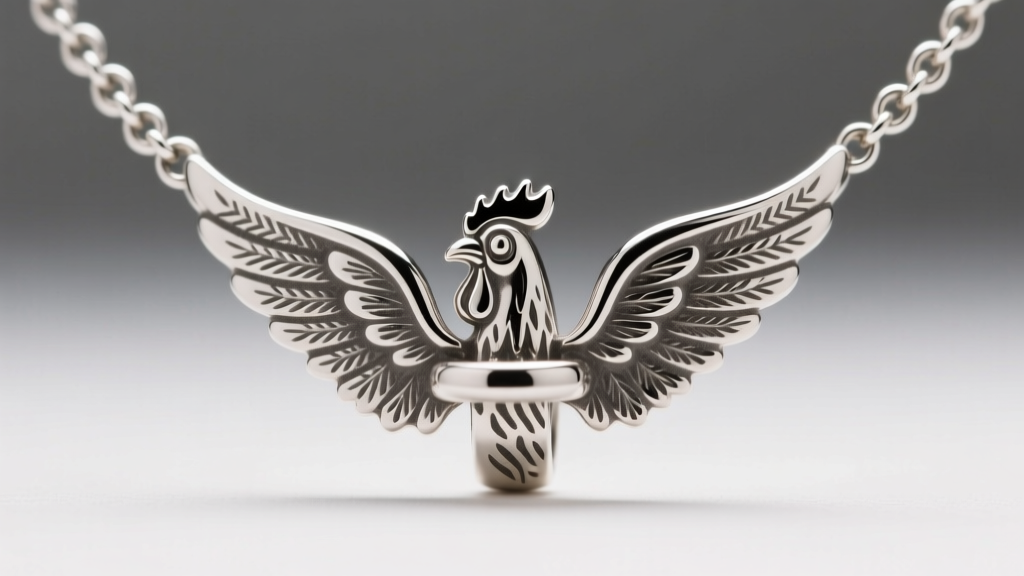
Sterling silver is a popular choice for entry-level novelty pendants, but it presents unique casting challenges. As noted by The Silver Institute, silver has exceptionally high thermal conductivity. This means it cools and solidifies much faster than gold alloys. In a thick, complex 3D cast like a chicken wing, rapid cooling can lead to shrinkage porosity or incomplete filling of the thinnest sections, such as the crispy edges. Additionally, the copper used to strengthen sterling silver makes it highly susceptible to oxidation. If you choose a silver chicken wing necklace, ensure it has been plated with a thick layer of rhodium to seal the deep crevices of the texture from sulfur in the air, which would otherwise turn the "breading" black and require impossible polishing.
Chain Pairings: Supporting the Pendant Weight
A 25-gram chicken wing pendant cannot be hung on a delicate 1mm cable chain. The sheer weight and pendulum effect will snap the chain or warp the links. You must pair the pendant with a chain that offers high tensile strength and a matching aesthetic.
- 4mm to 5mm Cuban Link Chains: The interlocking, flat-surfaced links of a Cuban chain distribute the weight of the heavy bail evenly. The rigid structure prevents the chain from kinking under the pendant's swing.
- 3mm to 4mm Rope Chains: Rope chains offer excellent tensile strength due to their twisted, multi-strand construction. They also provide a contrasting spiral texture that makes the chaotic, bumpy surface of the chicken wing pendant pop visually.
- Herringbone / Snake Chains (Avoid): While beautiful, flat herringbone chains are notoriously fragile when bent. A heavy 3D pendant will cause a herringbone chain to kink and permanently weaken within weeks of wear.
Failure Modes: Porosity and Bail Stress
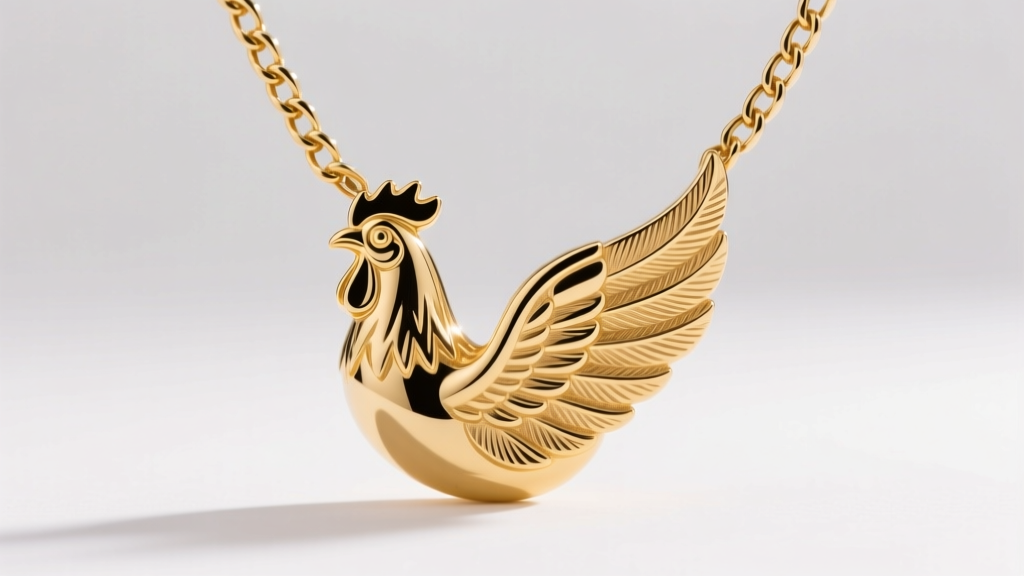
When inspecting a chicken wing necklace before purchase, you must look for two specific manufacturing failure modes. The first is gas porosity. During the lost-wax casting process, if the metal is poured at the wrong temperature or the mold is not properly vented, microscopic gas bubbles become trapped inside the metal. On the surface, this looks like tiny pinholes, usually clustered near the thickest part of the wing (the "meat" section). While a few pinholes are cosmetic, deep porosity near the bail creates a structural weak point that will eventually snap.
The second failure mode is bail friction wear. Because the chicken wing is an asymmetrical, top-heavy shape, it does not hang perfectly flat. It constantly rubs against the inside of the bail and the top link of the chain. If the bail is cast too thin, or if the jeweler failed to solder a hardened steel or titanium jump ring inside the gold bail, the chain will act like a saw, slowly cutting through the soft gold loop over a period of 12 to 18 months. Always check the interior of the bail for a reinforced steel lining or a significantly thicker gauge of gold.
Final Verdict: Which Material Wins?
If you are investing in a chicken wing necklace for daily streetwear, solid 14K yellow gold is the superior choice. It provides the perfect equilibrium between the fluidity required to capture the intricate fried textures during casting and the Vickers hardness needed to prevent the bone tips from snapping. Pair it with a 4mm solid Cuban link chain, ensure the bail is reinforced, and you will have a structurally sound, visually striking piece of jewelry that will easily survive the rigors of daily wear without losing its edge.


