How to Style and Care for a Sterling Silver Snowflake Necklace
Learn how to style, layer, and properly clean your sterling silver snowflake necklace to prevent tarnish and elevate your winter wardrobe.

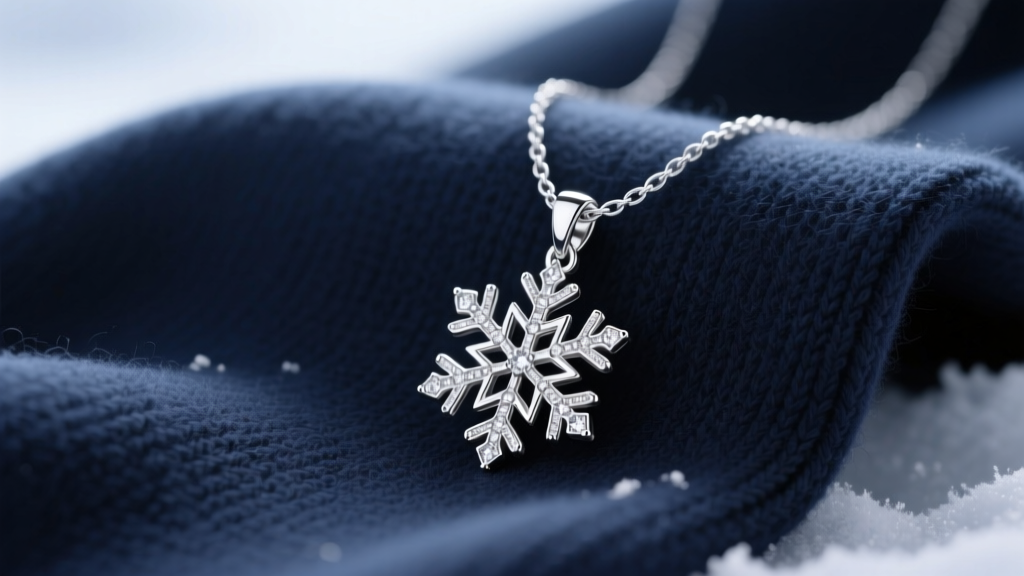
Understanding Your .925 Sterling Silver Snowflake Pendant
When investing in winter-themed jewelry, the sterling silver snowflake necklace remains a timeless staple. However, not all silver is created equal. True sterling silver is stamped with a ".925" hallmark, indicating it contains 92.5% pure silver and 7.5% alloy metals—usually copper. According to The Silver Institute, this copper addition is what gives the metal the tensile strength required to hold intricate snowflake geometries and prong-set gemstones without bending.
In 2026, many high-end jewelers have begun utilizing Argentium silver (93.5% or 96% silver alloyed with germanium) for their winter collections. Argentium is highly tarnish-resistant and possesses a natural whiteness that rivals platinum. If your snowflake pendant features a bright, mirror-like finish that resists yellowing, it may be rhodium-plated. Rhodium is a precious metal from the platinum family, and a standard plating thickness of 0.1 to 0.5 microns will protect your necklace from sulfur-induced tarnish for several years.
The Anatomy of a Quality Snowflake Design
A well-crafted snowflake pendant relies on six-fold radial symmetry. When inspecting your piece, look for the following markers of quality craftsmanship:
- Milgrain Detailing: Tiny beaded edges along the arms of the snowflake that catch the light and mimic the look of frost.
- Oxidized Crevices: Intentional blackening (antiquing) in the recessed areas to provide contrast and make the geometric patterns pop.
- Secure Bail: The loop connecting the pendant to the chain should be soldered closed or feature a secure hinge, rather than a simple C-curve that can snap under tension.
- Stone Settings: If your snowflake features a center stone (often a 2mm or 3mm round brilliant cubic zirconia or moissanite), ensure it is held by at least three or four sturdy prongs, not merely glued into a bezel.
Step-by-Step Guide to Styling Winter Necklines
The versatility of a sterling silver snowflake necklace lies in its ability to adapt to heavy winter fabrics. The key to styling is matching the chain length and pendant scale to the neckline of your garment.
The Turtleneck Layering Technique
Turtlenecks and mock-necks provide a solid canvas of fabric, making them ideal for longer chains. For a standard ribbed turtleneck, select a chain length between 20 and 24 inches. This allows the snowflake pendant to rest on the upper chest, breaking up the block of color. A 1.5mm to 2.0mm box chain or rolo chain works best here, as delicate cable chains (under 1.0mm) will visually disappear against thick knitwear and are prone to snagging on wool fibers.

V-Neck and Scoop Neck Proportions
When wearing a V-neck or scoop-neck sweater, the goal is to follow the natural lines of the garment. Opt for a "princess" length chain (16 to 18 inches). The snowflake pendant should sit roughly one inch above the lowest point of the V-neckline. This creates a harmonious, elongating effect for the neck and torso. Pair this with a delicate 1.2mm cable chain to maintain a refined, minimalist aesthetic that aligns with current quiet luxury trends.
How to Layer Your Snowflake Pendant with Other Chains
Layering requires a strict adherence to varying lengths and chain textures to prevent tangling and visual clutter. The Gemological Institute of America (GIA) recommends maintaining at least a two-inch gap between layered necklaces. Below is a structural framework for building a balanced, winter-ready stack.
| Layer Position | Chain Length | Chain Type & Width | Purpose |
|---|---|---|---|
| Base (Choker) | 14 - 15 inches | 1.0mm Herringbone or Snake Chain | Provides a sleek, continuous metallic line close to the collarbone. |
| Mid (Focal) | 18 inches | 1.5mm Cable Chain (Snowflake Pendant) | The focal point; allows the snowflake geometry to stand out. |
| Long (Matinee) | 22 - 24 inches | 2.5mm Rolo or Paperclip Chain | Adds weight and anchors the stack; can feature a simple bar pendant. |
The Ultimate Tarnish Prevention and Cleaning Routine
Sterling silver tarnishes when the copper alloy reacts with sulfur compounds in the air, cosmetics, and even sweat. Proper maintenance is critical to preserving the intricate details of your snowflake pendant.
Daily Wear and Storage Protocols
Always apply perfumes, hairsprays, and lotions at least five minutes before putting on your necklace. The alcohol and chemicals in these products can degrade rhodium plating and accelerate copper oxidation. When not in use, store your necklace in an airtight polyethylene ziplock bag alongside a silica gel packet or an anti-tarnish 3M strip. Never store silver in cardboard boxes or unsealed wooden drawers, as these materials emit sulfur gases.
Step-by-Step Deep Cleaning Method
Warning: Never use the popular internet "aluminum foil and baking soda" electrochemical bath on a snowflake pendant. This reaction strips away all oxidation, including the intentional antiquing in the crevices of the snowflake design, leaving the piece looking flat and cheap.
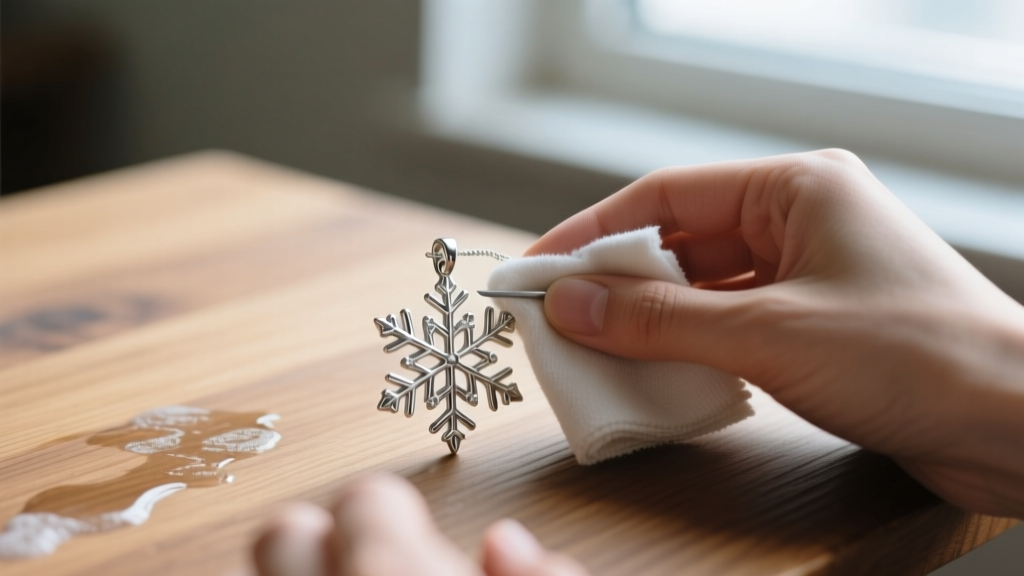
- Prepare the Solution: Mix three drops of phosphate-free, mild dish soap (like Dawn) into a bowl of lukewarm distilled water. Avoid tap water, as chlorine can cause micro-pitting in silver.
- Soak: Submerge the necklace for exactly 3 to 5 minutes to loosen body oils and cosmetic residue.
- Agitate Gently: Using an extra-soft baby toothbrush, gently brush the pendant. Always brush in the direction of the metal grain or outward from the center of the snowflake to avoid trapping bristles in the prongs.
- Rinse and Dry: Rinse thoroughly under distilled water. Pat dry immediately with a lint-free microfiber cloth. Do not air dry, as water spots will form on the polished surfaces.
Troubleshooting Common Silver Issues
Even with meticulous care, mechanical and chemical issues can arise. Here is how to address the most common problems associated with sterling silver snowflake necklaces:
- Stiff Lobster Clasp: If your clasp becomes difficult to open, do not use WD-40 or oil-based lubricants, which attract dust and grime. Instead, use a wooden toothpick to gently clear debris from the trigger mechanism, and apply a microscopic drop of sewing machine oil to the hinge pin, wiping away all excess immediately.
- Worn Rhodium Plating: If the high points of your snowflake pendant begin to show a yellowish or dull gray hue, the rhodium plating has worn through to the base sterling silver. Take the piece to a local bench jeweler for a "dip" or electroplating service. Replating typically costs between $35 and $60 and will restore the mirror-like, platinum-white finish.
- Loose Center Stone: If the cubic zirconia or moissanite center stone rattles or spins, stop wearing the necklace immediately. The prongs have likely caught on a sweater thread and lifted. A jeweler can reseat the stone and burnish the prongs down in under ten minutes, usually for a nominal bench fee.
Expert Insight: When purchasing a sterling silver snowflake necklace for daily winter wear, always inspect the clasp. A spring-ring clasp is standard for chains under 1.2mm, but for anything thicker, or if you plan to layer the piece, ensure it is equipped with a lobster claw clasp. The internal spring mechanism of a lobster clasp is significantly more robust and will prevent accidental drops when navigating heavy winter scarves and coats.


