How to Style a Charlie Kirk Cross Necklace: The Ultimate Guide
Learn how to choose, style, and maintain a rugged Charlie Kirk cross necklace. Explore metal grades, chain lengths, and menswear pairing tips.

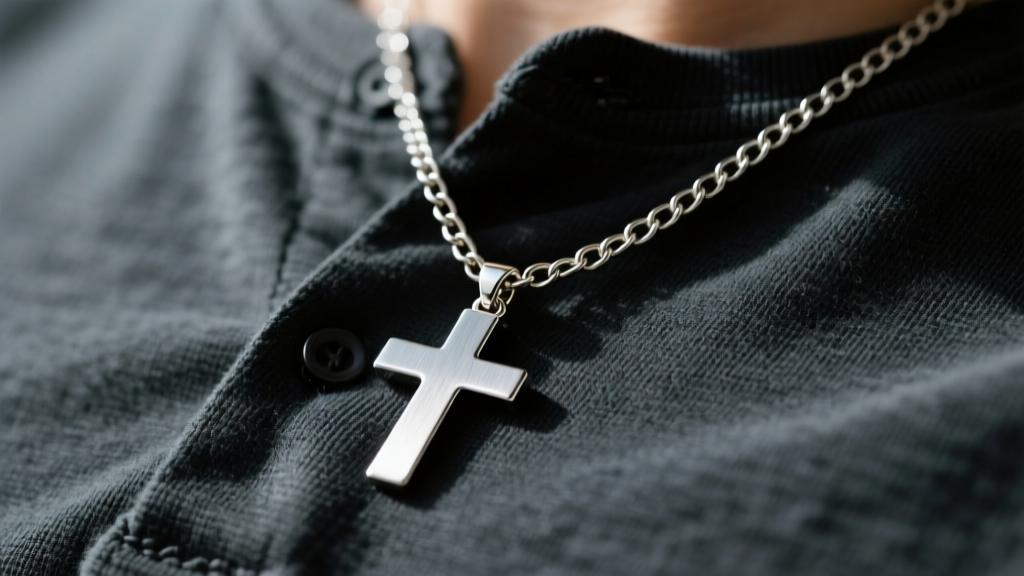
The landscape of men's jewelry has shifted dramatically over the last few years, moving away from flashy, high-polish luxury pieces toward rugged, utilitarian, and symbolic accessories. At the forefront of this specific masculine aesthetic is what the internet and menswear communities have dubbed the "Charlie Kirk cross necklace." Characterized by its unapologetic, slightly oversized, and heavily textured design, this style of cross pendant has become a staple for men seeking a bold, grounded look that pairs effortlessly with casual and workwear-inspired clothing.
As we navigate the menswear trends of 2026, mastering this specific aesthetic requires more than just buying any cross pendant. It demands an understanding of metal grades, chain gauges, and precise styling proportions. This step-by-step guide will teach you exactly how to select, wear, and maintain a rugged cross necklace that captures this distinct, heavy-duty vibe.
The Anatomy of the Rugged Cross Aesthetic
To replicate this specific look, you must abandon the delicate, high-shine crosses found in traditional fine jewelry. The aesthetic popularized by conservative commentators and rugged menswear influencers relies on visual weight and raw texture. According to FashionBeans, the modern masculine pendant must command attention without appearing ornate.
- Pendant Dimensions: The ideal drop length is between 1.75 and 2.5 inches, with a width of 0.85 to 1.25 inches. Anything smaller looks like a traditional religious undergarment; anything larger veers into costume jewelry territory.
- Thickness and Profile: A minimum thickness of 4mm to 6mm gives the piece the necessary visual weight. The edges should be slightly beveled or chamfered, not razor-sharp.
- Surface Finish: This is the most critical element. You must opt for a brushed, sandblasted, hammered, or oxidized finish. High-polish metals reflect too much light and ruin the rugged, understated utility of the piece.
Step-by-Step: Choosing Your Materials and Chain
Building the perfect piece requires matching the right pendant alloy with a chain that can support its weight while complementing the matte finish.
Step 1: Select the Metal Grade
The metal you choose dictates the longevity, weight, and patina of your necklace. According to the Gemological Institute of America (GIA), understanding the properties of your chosen metal is vital for long-term wear. Here are the top three choices for this specific style:
- 316L Surgical Stainless Steel: The ultimate workhorse. It is highly resistant to tarnish, sweat, and water. It offers a naturally cool, brushed gray tone that perfectly fits the utilitarian vibe. It is also the most budget-friendly option.
- Grade 23 Titanium (Ti 6AL-4V): For those who want maximum durability with minimal weight. Titanium is completely hypoallergenic and will not react with your skin's pH. It holds a sandblasted texture better than almost any other metal.
- Oxidized Sterling Silver: If you prefer a darker, vintage look, oxidized silver is the premium choice. The intentional blackening of the crevices highlights the hammered textures, though it requires more maintenance than steel or titanium.
Step 2: Determine Chain Thickness and Length
A heavy, textured pendant will snap a delicate chain and look entirely unbalanced. You need a chain that matches the pendant's visual density.
- Chain Style: Opt for a Box Chain, Rounded Box Chain, or a thick Cuban Curb chain. Avoid rope or figaro chains, as their intricate patterns clash with the minimalist geometry of a rugged cross.
- Gauge/Thickness: The chain must be between 3.0mm and 5.0mm thick. A 4.0mm box chain is the absolute sweet spot for a 2-inch pendant.
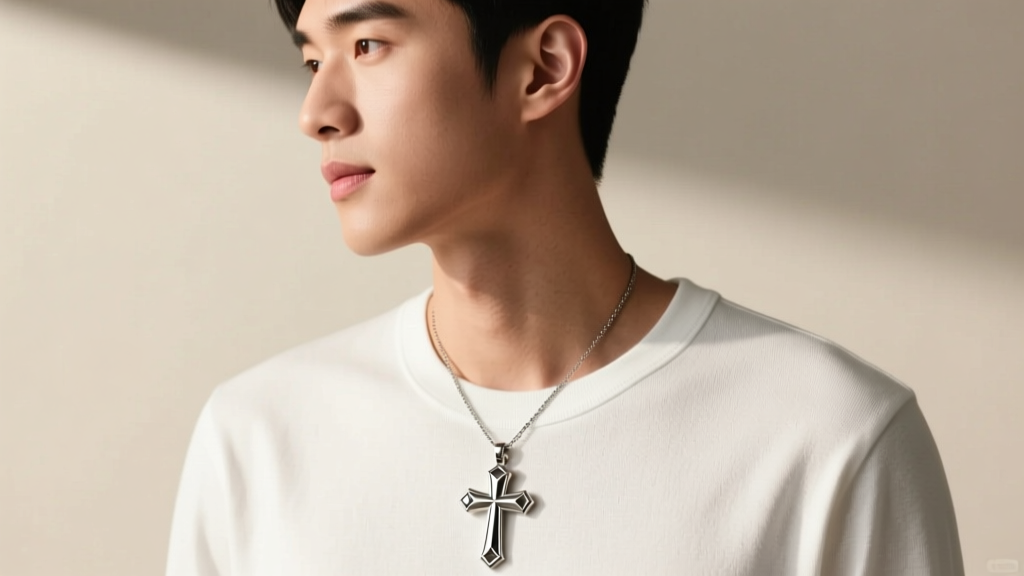
- Length: For the modern masculine look, the pendant should rest on the upper sternum, not dangling near the stomach. A 20-inch chain works for men with smaller necks, but a 22-inch chain is the standard for most men, allowing the cross to rest perfectly just below the collarbone.
Material Comparison Chart
Use this data table to decide which metal best fits your lifestyle, budget, and maintenance preferences.
| Metal Grade | Weight Profile | Tarnish Resistance | Avg. Price Range | Best For |
|---|---|---|---|---|
| 316L Stainless Steel | Medium-Heavy | Excellent | $35 - $85 | Daily wear, gym, swimming |
| Grade 23 Titanium | Ultra-Light | Perfect | $60 - $150 | Sensitive skin, active lifestyles |
| Oxidized Sterling Silver | Medium | Poor (Intentional) | $120 - $300+ | Vintage aesthetics, premium feel |
How to Style It: Necklines and Occasions
The rugged cross necklace is inherently casual. It is designed to look like an artifact you've worn for years, meaning it pairs best with textured, heavy fabrics. Trying to force this piece into formal settings will result in a disjointed outfit.
The Best Necklines for the Rugged Cross
- The Henley Shirt: The undisputed champion of this aesthetic. A 2-button henley in charcoal, olive, or navy provides the perfect framed backdrop for a brushed steel or titanium cross. Leave the top two buttons undone to let the chain sit naturally against the skin.
- Heavyweight Crew Necks: A thick, 8oz to 12oz cotton crew neck t-shirt offers a blank canvas. The matte finish of the cross contrasts beautifully against the soft cotton.
- Flannel and Denim Jackets: Wear the necklace over a plain white tee, layered under an unbuttoned flannel or a raw denim trucker jacket. The chain will catch the edge of the jacket lapel, adding depth to your layering.
What to Avoid
Never wear a heavy, brushed, or oxidized cross pendant over a formal dress shirt or a suit. The rugged texture of the metal will clash with the refined sheen of worsted wool and crisp poplin. Furthermore, avoid deep V-neck shirts, as they elongate the neck too much and cause the heavy pendant to swing awkwardly rather than resting flat against the sternum.
Common Mistakes to Avoid When Buying
When shopping for this specific style, buyers often fall into a few traps that ruin the aesthetic. First, avoid "diamond-cut" or beveled edges that catch the light. The goal is a matte, light-absorbing finish. Second, do not buy a pendant with a built-in bale that is too small for your chain. A 4mm box chain requires a bale with an inner diameter of at least 5mm to 6mm so the pendant can slide freely and lay flat. Finally, avoid mixed-metal hardware. If your pendant is brushed steel, ensure the chain and the lobster clasp are also steel, not silver or gold-plated brass.
Care and Maintenance Routine
While 316L steel and titanium are virtually indestructible in daily wear, oxidized silver requires a specific cleaning protocol to maintain its rugged charm. According to Rio Grande Jewelry Supply, improper cleaning can strip the intentional oxidation that gives the piece its depth.
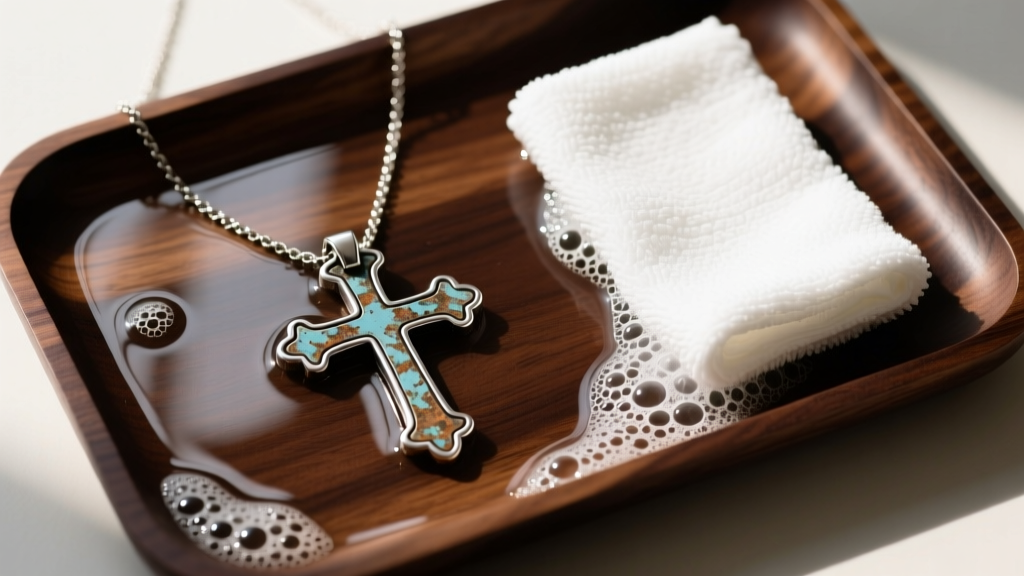
Cleaning Stainless Steel and Titanium
- Mix a few drops of mild dish soap into a bowl of warm water.
- Submerge the necklace for 5 minutes to loosen body oils and dead skin.
- Use a soft-bristled toothbrush to gently scrub the crevices of the cross.
- Rinse thoroughly and dry immediately with a microfiber cloth to prevent water spots.
Cleaning Oxidized Sterling Silver
Warning: Never use liquid silver dips, ultrasonic cleaners, or baking soda pastes on an oxidized cross. These methods will strip the black patina from the recessed areas, leaving you with a flat, bright silver piece that completely loses its rugged character. Instead, use a dry, treated silver polishing cloth. Gently rub only the raised, high-friction areas of the cross. This preserves the dark oxidation in the hammered grooves while bringing a subtle, muted shine to the edges, enhancing the 3D texture of the pendant.
By carefully selecting the right dimensions, metal grade, and chain gauge, you can master the rugged, utilitarian cross necklace aesthetic. It is a bold statement piece that, when styled correctly with heavy cottons and casual layers, serves as a cornerstone of modern, grounded menswear.


