How to Style and Clean a Native American Bone Necklace
Learn how to authenticate, clean, and style a Native American bone necklace. Expert tips on bone care, layering, and respectful sourcing.

The Heritage of Indigenous Bone Carving
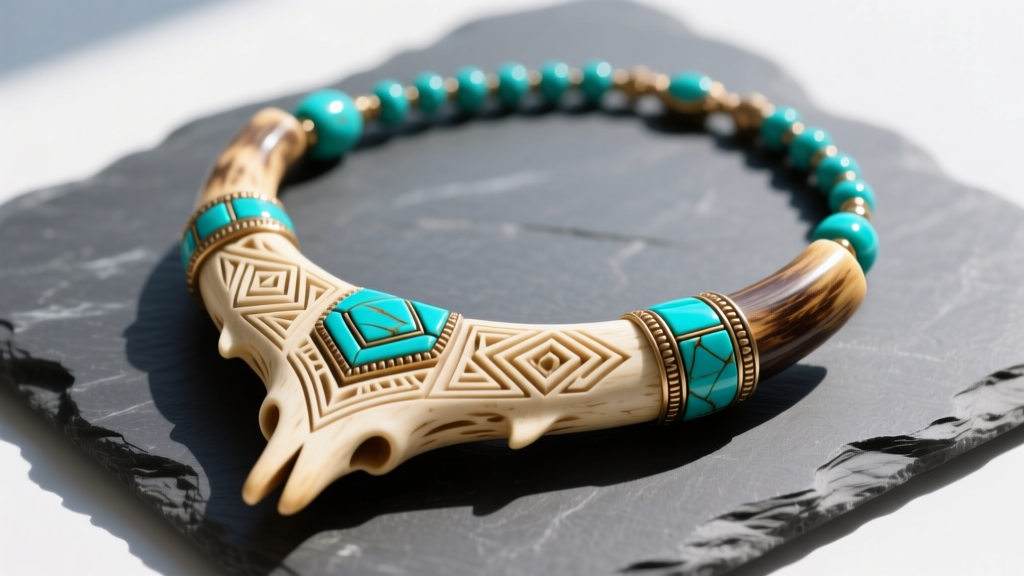
Native American bone jewelry is more than a fashion accessory; it is a wearable piece of history, culture, and masterful artisanship. For centuries, Indigenous artisans have transformed naturally shed or ethically sourced animal bones into intricate hairpipes, pendants, and heishi beads. However, because bone is an organic, porous material, it requires a highly specific approach to maintenance, styling, and authentication. Whether you have inherited a vintage piece or recently purchased a contemporary carving from a tribal artisan, understanding the physical properties of bone is critical to preserving its structural integrity and aesthetic beauty.
Step 1: Authenticating Your Native American Bone Necklace
Before cleaning or styling your piece, you must verify its authenticity. The market is unfortunately saturated with mass-produced resin and plastic imitations. Under the Indian Arts and Crafts Act of 1990, it is illegal to offer or display for sale any art or craft product in a manner that falsely suggests it is Indian-produced. To ensure you are holding genuine Indigenous craftsmanship, perform these non-destructive physical tests:
- Thermal Conductivity: Real bone feels distinctly cool to the touch and takes longer to warm up to your body temperature than plastic or resin, which will feel warm almost immediately.
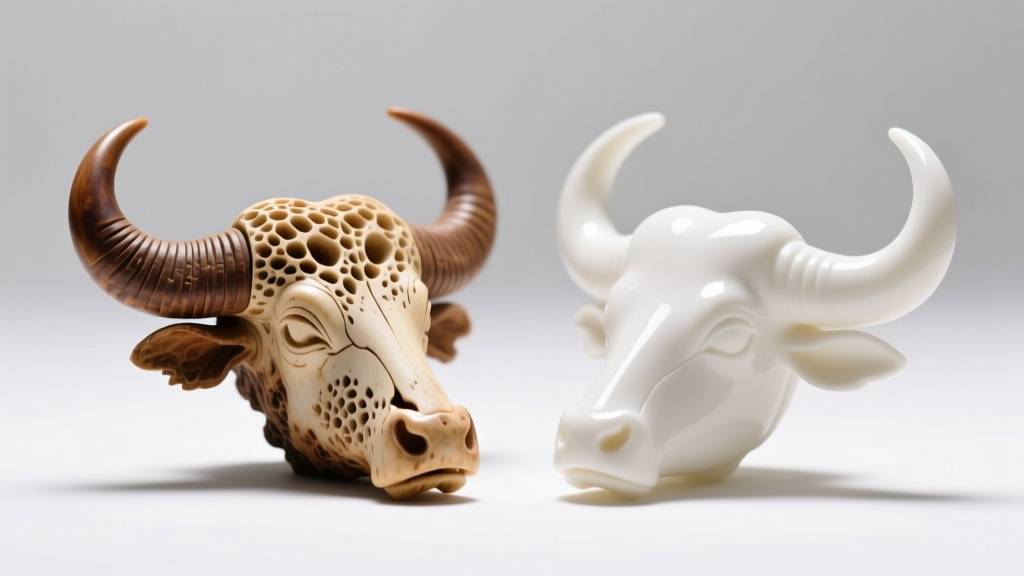
- Visual Porosity: Use a 10x jeweler's loupe to inspect the surface. Genuine bone features tiny, irregular pores and microscopic lines known as Haversian canals. Molded plastic will appear perfectly uniform or feature perfectly round, artificial mold marks.
- Weight and Density: Carved bone has a substantial, dense heft. If your necklace feels suspiciously lightweight or hollow, it is likely a synthetic polymer.
Always request documentation of authenticity from the seller, including the artist's name and their specific tribal affiliation, as mandated by federal law.
Step 2: Identifying Bone Materials and Carving Styles
Different animal bones possess unique densities, marrow structures, and carving characteristics. Identifying the base material will dictate how you wear and care for the necklace. Below is a breakdown of the most common materials used in Native American bone jewelry:
| Bone Material | Density & Weight | Porosity | Common Carving Styles |
|---|---|---|---|
| Elk Bone | High density, heavy | Low | Intricate scrimshaw, detailed animal motifs, polished beads |
| Buffalo Bone | Very dense, thick | Medium | Chunky beads, geometric hairpipes, heavy pendants |
| Deer Antler | Lightweight, spongy core | High | Relief carving, spirit animals, totems, textured pendants |
Elk and buffalo leg bones are highly prized for their thick cortical walls, which allow artisans to carve deep, three-dimensional relief patterns without compromising the structural integrity of the piece. Deer antler, while technically not bone, is frequently grouped into this category and is favored for its natural marbling and lighter weight.
Step 3: Proper Cleaning and Maintenance
Bone is a hygroscopic material, meaning it readily absorbs moisture, oils, and environmental pollutants from its surroundings. Improper cleaning can lead to irreversible cracking, warping, or discoloration. Follow this strict protocol to maintain your necklace:
The Safe Cleaning Method
- Dry Dusting: Use a clean, soft-bristled makeup brush to gently sweep dust and debris out of the carved crevices and Haversian canals. Never use a toothbrush, as the stiff bristles can micro-scratch polished bone.
- Spot Cleaning: If the bone has accumulated grime, slightly dampen a microfiber cloth with distilled water (never tap water, which contains chlorine and minerals). Wipe the surface gently and immediately dry it with a separate soft cloth.
- Conditioning: Bone can dry out and fracture over time, especially in low-humidity environments. Once every six months, apply a single drop of food-grade mineral oil or a specialized beeswax paste to a cloth and buff it into the bone. Let it sit for 15 minutes, then wipe away any excess. This replenishes the lipids and prevents micro-fractures.
Critical Care Warnings
Never submerge a bone necklace in water. Never use ultrasonic jewelry cleaners; the high-frequency acoustic cavitation will shatter the micro-calcified structures of older or antique bone. Avoid all commercial jewelry dips, bleach, or hydrogen peroxide, which will destroy the collagen matrix and cause severe, chalky flaking.
Step 4: Styling and Layering Techniques
Styling a Native American bone necklace requires balancing its organic, rustic texture with complementary garments and metals. According to curators at the Smithsonian National Museum of the American Indian, contemporary Indigenous jewelry is designed to be lived in and worn, bridging the gap between historical heritage and modern fashion.
Neckline Pairings
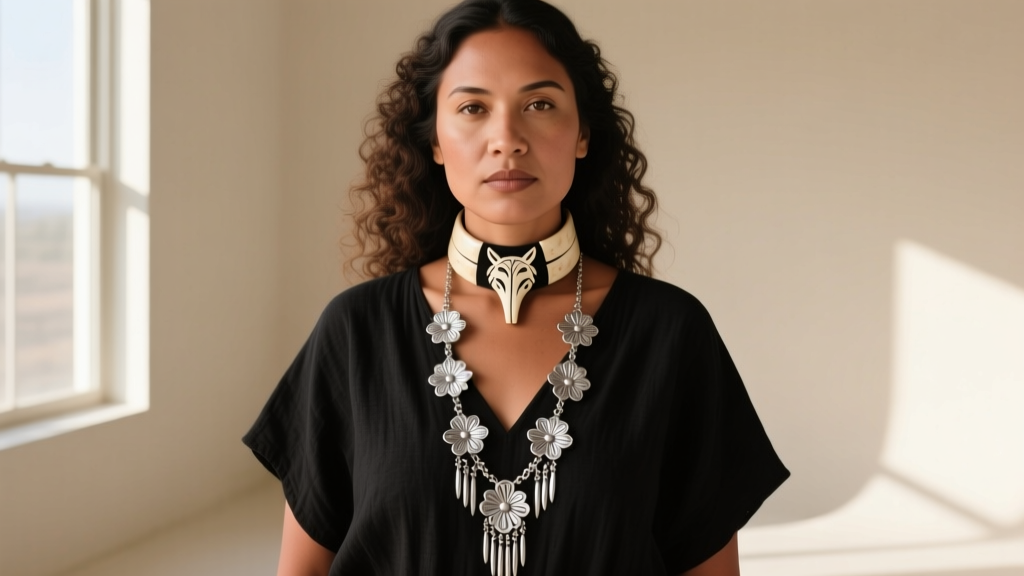
Bone necklaces, particularly traditional hairpipe styles or heavy carved pendants, sit best on a 45-degree V-neck or a deep scoop neckline. These cuts provide a natural visual frame for the pendant and prevent the bone from rubbing against the collarbone. Avoid turtlenecks, high crew necks, or stiff collared shirts. The friction, combined with trapped body heat and sweat at the base of the neck, can cause the bone to absorb excess moisture and acidic skin oils, leading to permanent yellowing or structural degradation over time.
Layering with Metals and Stones
To elevate your look, layer your bone necklace with complementary Indigenous jewelry staples. A highly effective technique is the 'cascade layer':
- Base Layer (16-18 inches): A polished bone choker or a delicate strand of bone heishi beads resting at the collarbone.
- Mid Layer (20-22 inches): A sterling silver (925) chain or a strand of natural turquoise and coral beads.
- Statement Layer (24-28 inches): A heavy, carved bone pendant or a traditional sterling silver squash blossom necklace.
The contrast between the matte, organic finish of the bone and the high-polish reflectivity of sterling silver creates a striking visual depth. When layering, ensure that heavy silver clasps do not repeatedly strike the carved bone pendants, as silver is harder than bone and will eventually wear down the intricate carving details through friction.
Ethical Sourcing Note: Always purchase Native American bone jewelry directly from enrolled tribal members or certified Indigenous cooperatives. This ensures that the cultural significance of the art form is respected, and the economic benefits flow directly back to the Native communities that originated these carving traditions.
Final Thoughts on Bone Jewelry Care
A genuine Native American bone necklace is an investment in masterful artisanship and cultural heritage. By understanding the material's porosity, avoiding harsh chemical cleaners, and styling it to minimize friction and sweat exposure, you ensure that the piece remains structurally sound and visually stunning for generations. Treat the bone with the same respect and careful maintenance as you would fine turquoise or high-karat gold, and it will reward you with a rich, beautifully aged patina that tells a story of its own.


