How to Style a Coral Statement Necklace for Any Occasion
Learn how to style a coral statement necklace with our step-by-step neckline guide, layering techniques, and expert care tips for organic gems.

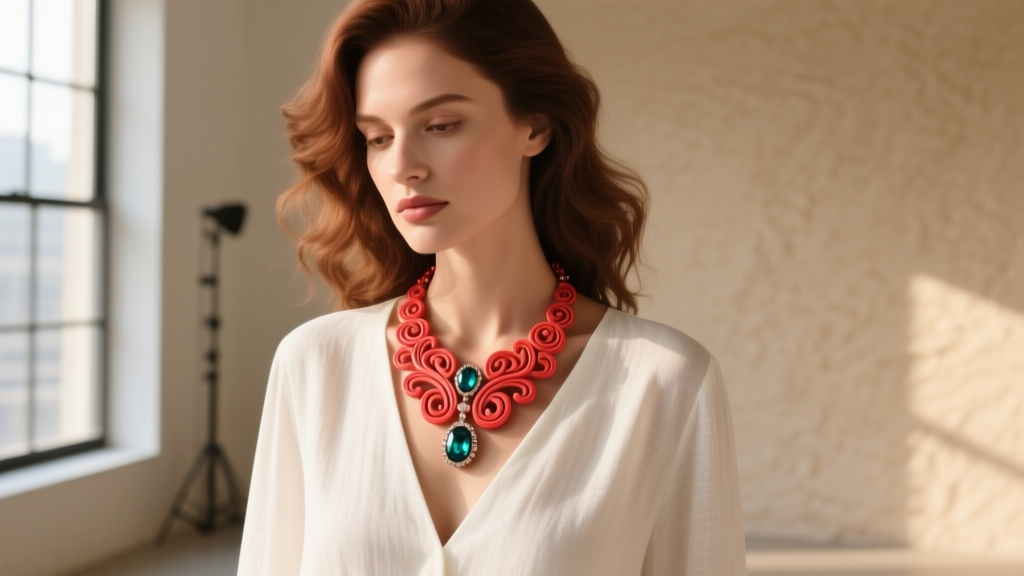
In 2026, the jewelry landscape has decisively shifted from ultra-minimalist chains to bold, organic expressions of personal style. At the forefront of this movement is the coral statement necklace. Revered for its vivid hues and rich historical significance, coral is more than just a pop of color; it is a masterclass in texture and natural artistry. However, styling such a commanding piece requires a strategic approach to proportion, color theory, and material care.
Whether you are working with an heirloom Mediterranean red strand or a contemporary bamboo coral bib, this step-by-step guide will teach you how to integrate a coral statement necklace into your wardrobe with confidence and expertise.
Decoding Your Coral: Genuine vs. Treated Varieties
Before you begin styling, it is crucial to understand the material resting against your skin. The term coral encompasses several distinct varieties, each with unique structural properties and styling applications. According to the Gemological Institute of America (GIA), genuine precious coral is an organic gemstone formed by marine polyps, primarily composed of calcium carbonate. This composition dictates its porosity, hardness, and how it drapes.
| Coral Type | Scientific Name | Mohs Hardness | Market Value Range | Best Styling Application |
|---|---|---|---|---|
| Precious Red | Corallium rubrum | 3.5 - 4.0 | $200 - $800+ per strand | Formal events, heirloom investment, evening wear |
| Bamboo (Dyed) | Muricella | 3.0 - 3.5 | $40 - $150 per strand | Everyday bold wear, bohemian looks, resort wear |
| Fossil Coral | Silicified | 6.5 - 7.0 | $50 - $250 per piece | Chunky pendants, durable daywear, mixed metals |
| Angel Skin | Corallium elatius | 3.5 - 4.0 | $300 - $1,000+ per strand | Bridal styling, pastel wardrobes, soft contrast |
Understanding these distinctions ensures you match the necklace to the appropriate environment. A highly porous, dyed bamboo coral piece will degrade quickly if exposed to heavy perspiration at a summer outdoor festival, whereas a polished fossil coral pendant can withstand the rigors of daily office wear.
Step 1: Matching Necklines to Necklace Drops
The most common styling error with statement jewelry is ignoring the geometry of the garment. A coral statement necklace must complement, not compete with, your neckline. Here is a precise framework for pairing your necklace drop length with common necklines.
The V-Neck and Plunge Technique
For V-neck blouses or wrap dresses, opt for a coral necklace with a drop between 18 and 22 inches (Princess to Matinee length). The V-shape of the garment naturally draws the eye downward, and a Y-shaped or graduated coral strand will mirror this geometry. Ensure the bottom bead of the necklace rests at least two inches above the apex of the V-neck to avoid visual clutter.
Off-Shoulder and Boat Neck Framing
Off-shoulder and boat neck tops provide a broad canvas of exposed skin. This is the ideal scenario for a 16-inch coral choker or a wide, multi-strand coral bib necklace. The horizontal spread of the collarbones is perfectly balanced by the visual weight of a dense coral collar. Pair this with 14k yellow gold hardware, as the warm undertones of the gold amplify the fiery orange-red tones of the coral.
The Crew Neck Contrast
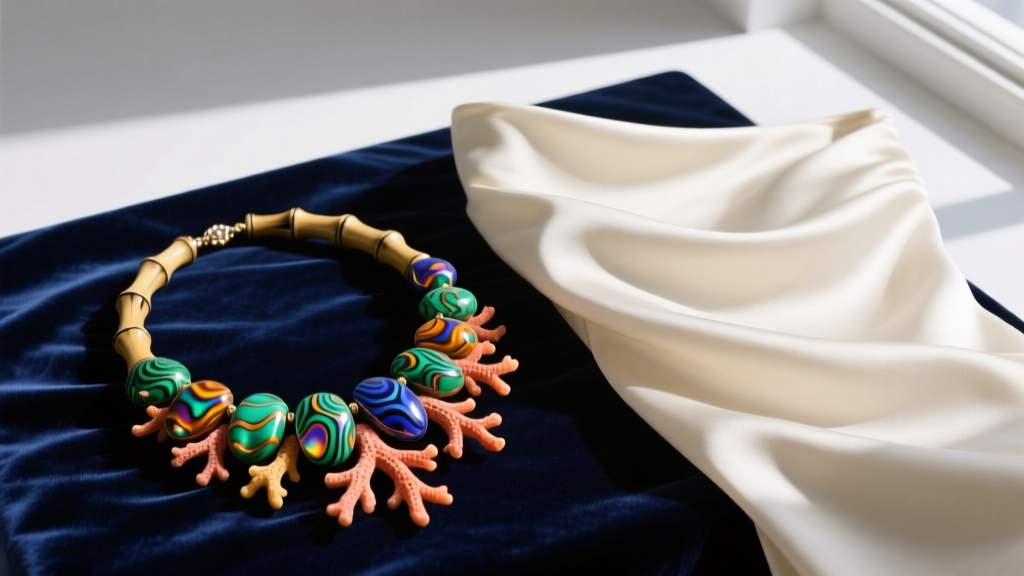
Wearing a statement piece over a high crew neck requires a dramatic drop. Choose an Opera-length (28 to 34 inches) coral strand and double-wrap it, or let it hang long over a solid-colored, fine-gauge merino wool sweater. This creates a striking vertical line that elongates the torso.
Step 2: The Art of Proportional Layering
Layering a heavy organic gemstone requires strict adherence to the rules of proportion and friction management. Because coral is relatively soft (Mohs 3.5-4.0), it can be easily scratched by harder metals or gemstones if the strands tangle.
- The 4-Inch Rule: When layering a 20-inch coral statement necklace, your secondary chain must be at least 4 inches shorter (16 inches) or 4 inches longer (24 inches). This prevents the clasps and beads from constantly colliding.
- Metal Pairings: Use a 1.2mm 14k gold cable chain or a 1.5mm sterling silver rope chain as your base layer. Avoid thick, heavy Cuban links, which will visually overpower the organic texture of the coral.
- The Anchor Pendant: If your coral necklace is a simple strand, anchor the layering look with a solid gold or enamel medallion on the longest chain to ground the visual weight.
Step 3: Color Theory and Wardrobe Integration
Coral is inherently warm, sitting between orange and pink on the color spectrum. To make your coral statement necklace truly command attention, you must leverage color theory.
The most striking contrast is achieved by pairing red coral with deep, cool-toned jewel shades. Navy blue, emerald green, and rich plum create a sophisticated backdrop that allows the coral to glow. For a more contemporary, editorial look, pair a vibrant orange-coral piece with stark, crisp white linen or monochromatic camel tailoring. Avoid wearing coral with loud, competing warm prints like large-scale florals or bright mustard yellows, as this will dilute the impact of the necklace and create visual fatigue.
Crucial Care Protocols for Organic Statement Pieces
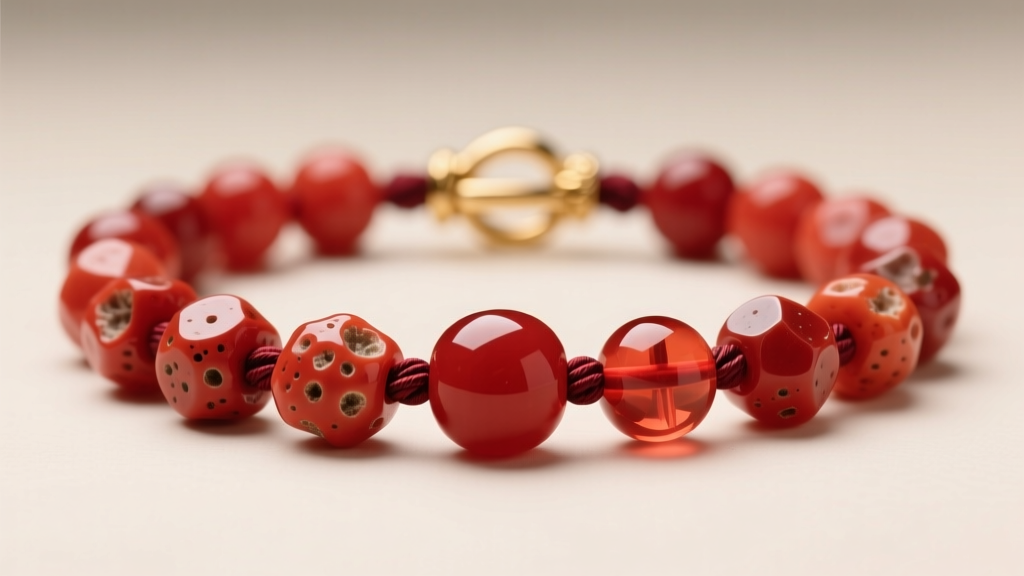
Styling coral is only half the equation; preserving it is where true expertise lies. Because coral is calcium carbonate, it is highly reactive to acids. This includes everyday substances like citrus juice, vinegar, and even the natural acids in human perspiration. Furthermore, international trade of certain coral species is strictly monitored under CITES regulations, making the preservation of your existing pieces both an economic and environmental imperative.
The Golden Rule of Organic Jewelry: Always practice the Last-On, First-Off method. Your coral statement necklace should be the very last thing you put on after applying perfume, hairspray, and lotions, and the very first thing you take off when you return home.
Step-by-Step Cleaning and Storage
- Post-Wear Wipe: Never use ultrasonic cleaners, steamers, or chemical jewelry dips. After wearing, gently wipe the coral beads with a slightly damp, non-abrasive microfiber cloth to remove skin oils and environmental pollutants.
- Drying: Allow the necklace to air dry completely on a flat surface before storing. Hanging heavy, multi-strand coral necklaces can stretch the silk or nylon threading over time.
- Isolated Storage: Store your coral piece in a soft flannel pouch, completely separate from diamonds, sapphires, or even quartz-based stones. A diamond (Mohs 10) will effortlessly carve deep scratches into a coral bead (Mohs 3.5) if they rub together in a jewelry box.
- Thread Maintenance: If your statement piece is strung on silk, have it professionally re-knotted every 18 to 24 months if worn frequently, as silk degrades and stretches, risking a catastrophic break.
By treating your coral statement necklace not just as an accessory, but as a delicate organic artifact, you ensure it remains a vibrant, head-turning centerpiece in your collection for decades to come. Whether draped over a silk evening gown or layered against a casual denim jacket, mastering the styling and care of coral guarantees your jewelry narrative is always bold, informed, and impeccably executed.


