Orca Necklace Guide: Meanings, Materials & Styling Tips
Discover everything about the orca necklace, from Pacific Northwest symbolism to choosing the right silver grade, chain type, and enamel finish.

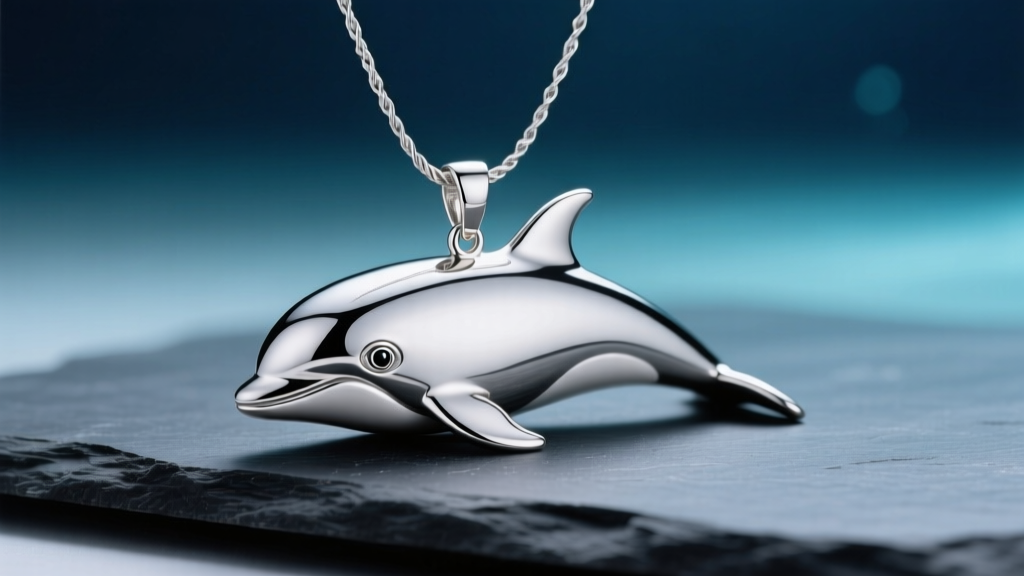
Whether you are drawn to the ocean's most intelligent predators or you simply appreciate striking marine jewelry, an orca necklace is a powerful, versatile addition to any collection. Unlike generic dolphin or whale motifs, the killer whale carries distinct cultural weight and requires specific jewelry-making techniques to capture its bold black-and-white contrast. As we move through 2026, sustainable casting and ethically sourced metals have become baseline expectations, meaning today's buyers must look closer at material grades and manufacturing methods.
This beginner-friendly explainer will decode the symbolism, break down the exact metal alloys and enamel types used in high-quality pendants, and provide a practical framework for choosing the right chain and length for your neckline.
The Symbolism Behind the Orca Pendant
Before purchasing, it is helpful to understand the deep cultural roots of orca imagery. In the Pacific Northwest, particularly among the Haida, Tlingit, and Kwakwaka'wakw nations, the orca (often referred to as the Blackfish) is a revered symbol of family, longevity, and protection. According to indigenous lore, orcas are the guardians of the sea and represent the strength of the pod. Wearing an orca pendant is often a nod to these values of loyalty and community.
Beyond indigenous art, modern marine biology has highlighted the incredible emotional intelligence and complex social structures of killer whales. As noted by Smithsonian Ocean, orcas live in highly structured matrilineal pods and share distinct vocal dialects. For many wearers, an orca necklace serves as a personal talisman for family bonds, or as a subtle statement of support for ocean conservation and marine sanctuary initiatives.
Decoding Materials: What to Look For
The base metal of your orca necklace dictates its longevity, skin compatibility, and price. Because the orca motif relies heavily on high-contrast color blocking, the metal must serve as either a sleek backdrop or a structural grid for enameling. Here is how the most common materials compare:
| Material | Durability (Mohs) | Tarnish Resistance | Avg. Price Range |
|---|---|---|---|
| 925 Sterling Silver | 2.5 - 3.0 | Low (Requires polishing) | $45 - $120 |
| Grade 23 Titanium | 6.0 | High (Bio-inert) | $60 - $150 |
| 14k Solid Yellow Gold | 3.5 - 4.0 | High | $350 - $900+ |
| Lead-Free Pewter | 1.5 | Medium | $15 - $35 |
For most buyers, 925 Sterling Silver is the sweet spot. It is an alloy of 92.5% pure silver and 7.5% copper. The copper adds necessary tensile strength, but it is also the culprit behind tarnishing when exposed to sulfur in the air. If you have highly reactive skin or a nickel/copper allergy, opt for Grade 23 Titanium (Ti-6Al-4V ELI). It is entirely hypoallergenic, incredibly lightweight, and will never oxidize, making it perfect for an everyday orca pendant worn in saltwater or chlorinated pools.
The Color Debate: Vitreous Enamel vs. Cold Resin
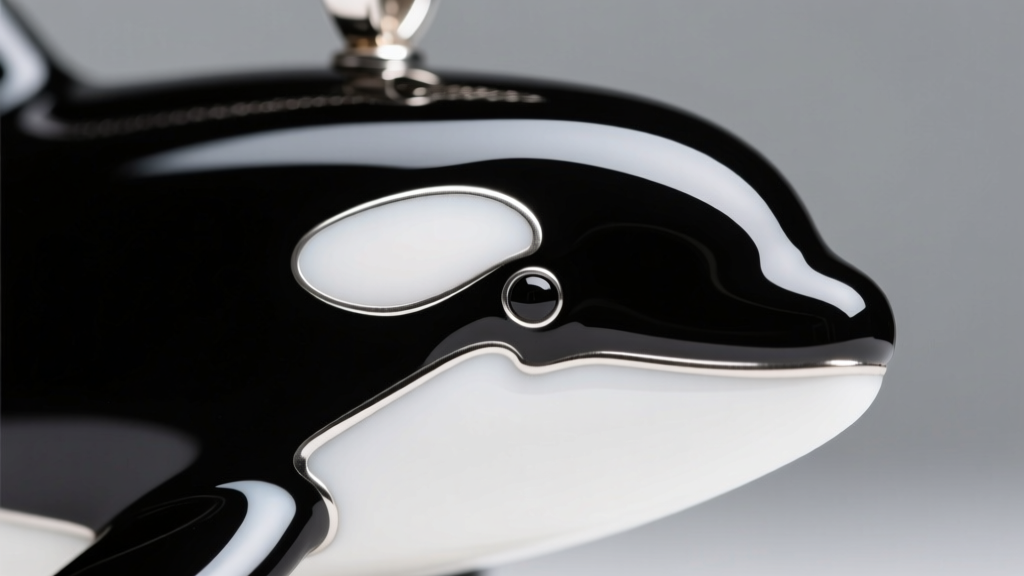
To achieve the iconic black and white patches of the orca, jewelers use either vitreous enamel or cold enamel (epoxy resin). Understanding the difference is critical for long-term wear.
- Vitreous Enamel: This is finely ground glass (silica and flux) fused to the metal at temperatures exceeding 1400°F. It has a Mohs hardness of around 5.5, meaning it is highly scratch-resistant and will retain its glossy, glass-like finish for decades. However, it is brittle; dropping a vitreous enamel pendant on a hard tile floor can cause the glass to shatter or pop out of the silver bezel.
- Cold Enamel (Epoxy Resin): A two-part liquid resin poured into the metal recesses and air-cured. It is impact-resistant and will not shatter if dropped. However, resin has a Mohs hardness of only 2.5 to 3.0. It will accumulate micro-scratches from daily friction against clothing and zippers. Furthermore, black epoxy resins are prone to UV degradation, often fading to a dull charcoal gray after 3 to 5 years of direct sun exposure.
Expert Verdict: Choose vitreous enamel for a heirloom-quality piece you will wear on special occasions or over clothing. Choose cold resin for a rugged, everyday piece that might take a few bumps.
Choosing the Right Chain and Length
A beautiful orca pendant can be easily ruined by a flimsy, mismatched chain. The weight of the pendant dictates the gauge (thickness) of the chain required to support it safely.
Chain Thickness and Clasp Mechanics
Most cast sterling silver orca pendants weigh between 4 and 8 grams. For this weight range, a 1.2mm to 1.5mm cable chain or box chain is ideal. Box chains offer a geometric, modern look that complements the sleek lines of the orca, while cable chains provide a classic, unobtrusive backdrop.
If your pendant is a heavy, solid 14k gold piece or a large statement pendant exceeding 12 grams, you must upgrade to a 2.0mm wheat chain or rope chain. Using a 1.2mm chain for a heavy pendant will result in the chain snapping under the kinetic stress of daily movement.
Pay close attention to the clasp. Avoid spring ring clasps on any chain thicker than 1.2mm; the internal springs are notoriously weak and prone to failure. Always look for a lobster clasp, which features a solid, spring-loaded lever that locks securely into the end ring. Additionally, ensure the jump ring (the small circle connecting the clasp to the chain) is soldered shut. An unsoldered jump ring will pull apart under just 2 to 3 pounds of tension.
Styling Your Orca Necklace for Every Occasion
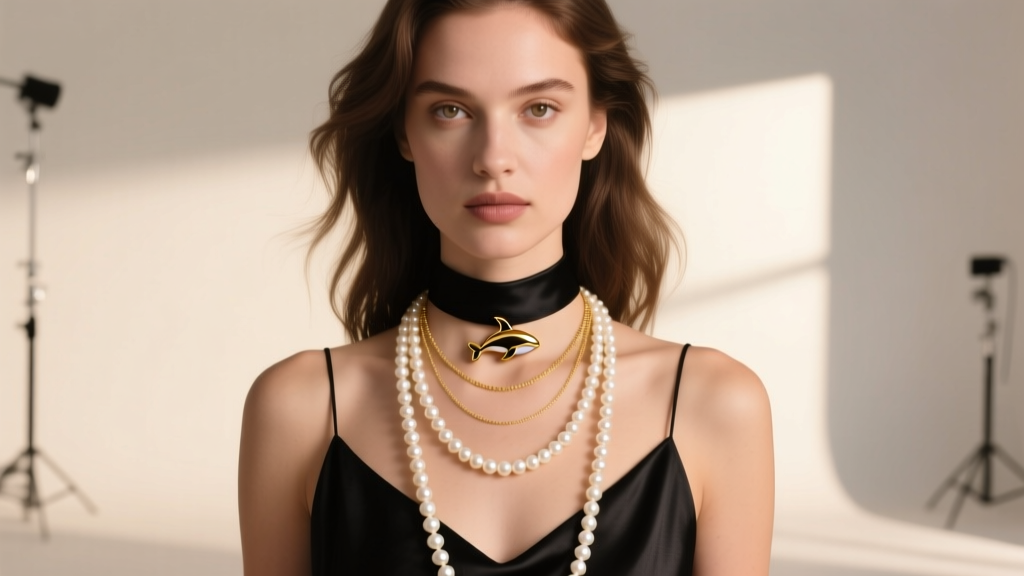
Styling an animal motif requires balancing the casual nature of the subject with the elegance of the metal. Here is a practical framework for pairing your orca necklace with different necklines:
- The V-Neck and Princess Length (18 inches): An 18-inch chain allows the orca pendant to rest perfectly in the negative space of a V-neck t-shirt or wrap dress. This draws the eye downward and elongates the neck. Ensure the pendant is roughly 15mm to 20mm in width for proportional balance.
- The Crew Neck and Choker Length (16 inches): A smaller, minimalist orca silhouette (under 12mm) on a 16-inch choker chain sits just above the collarbone. This works beautifully with high-necked sweaters or crew-neck tees, offering a subtle, modern aesthetic.
- Layering for Depth: In 2026, asymmetric layering remains a dominant trend. Pair your 16-inch silver orca choker with a 20-inch or 22-inch satellite chain featuring tiny freshwater baroque pearls or oxidized silver beads. The organic shapes of the pearls echo the marine theme without looking like a costume.
Care and Maintenance to Prevent Tarnish
If you have chosen a 925 sterling silver orca necklace, tarnish is an inevitability, not a defect. The copper in the alloy reacts with hydrogen sulfide in the atmosphere to form silver sulfide, the black film you see on neglected jewelry. According to the Silver Institute, proper storage and cleaning are essential to maintaining the bright white luster of the silver and the contrast of the enamel.
The Electrochemical Cleaning Method
Never use toothpaste or baking soda pastes to scrub your silver. These are highly abrasive (often with a Relative Dentin Abrasivity score over 70) and will permanently scratch both the silver and the vitreous enamel. Instead, use a safe electrochemical bath to reverse the tarnish without removing any metal:
- Line a glass bowl with aluminum foil, shiny side up.
- Place your orca necklace on the foil, ensuring the silver touches the aluminum.
- Sprinkle a tablespoon of baking soda over the jewelry.
- Pour boiling water into the bowl until the necklace is submerged. You will see bubbles and smell a faint sulfur (rotten egg) odor.
- Wait 3 to 5 minutes. The aluminum acts as a sacrificial anode, pulling the sulfur away from the silver and binding it to the foil.
- Remove with wooden tongs, rinse thoroughly in distilled water, and pat dry with a microfiber cloth.
For daily maintenance, store your necklace in an airtight ziplock bag with a 3M anti-tarnish strip. This simple step absorbs ambient sulfur and can keep your orca pendant looking freshly polished for up to a year. For more technical details on silver alloys and their properties, the Gemological Institute of America (GIA) offers excellent educational resources on precious metal standards.
Final Thought: An orca necklace is more than just a piece of marine jewelry; it is a conversation starter, a symbol of deep familial bonds, and a testament to the beauty of the natural world. By prioritizing high-quality metals, understanding the structural differences in enameling, and matching your chain gauge to the pendant's weight, you will secure a piece that withstands both the elements and the shifting tides of fashion.


