How to Style, Fill, and Care for a Leather Pouch Necklace
Learn how to style, fill, and maintain a leather pouch necklace. Step-by-step guide on cord knotting, material care, and crystal placement tips.

The Anatomy of a Premium Pouch Necklace
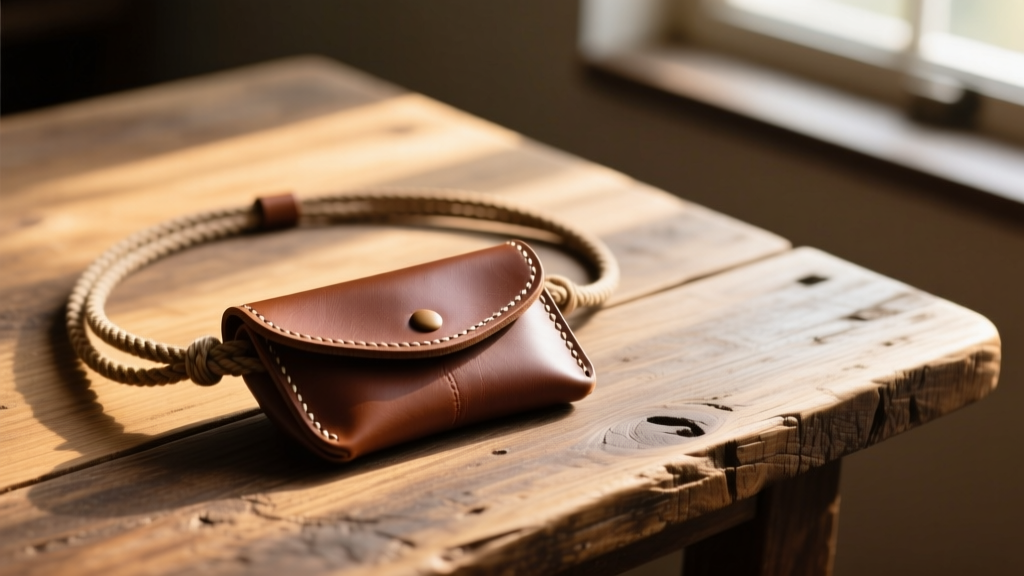
A leather pouch necklace bridges the gap between spiritual talisman and everyday fashion statement. Unlike mass-produced pendants, a well-crafted pouch offers a tactile, deeply personal experience. To properly style and maintain your piece, you must first understand its anatomy. The longevity of your necklace depends entirely on the leather grade and the cord material.
Leather Grades Explained
When shopping for a pouch necklace, always look for top-grain or full-grain leather. Full-grain leather retains the natural hide markings and develops a rich patina over time, making it ideal for heirloom pieces. Top-grain is slightly sanded for a uniform look but remains highly durable. Avoid "genuine leather" (a misleading industry term for low-grade bonded scraps) if you plan to wear the pouch daily, as it will crack and peel within months. Suede is another popular option for a bohemian aesthetic, but its porous nature makes it highly susceptible to water damage and skin oils.
Selecting the Right Cord
The cord is the structural backbone of your necklace. For sliding knot adjustments, 1.5mm to 2mm waxed cotton cord is the gold standard. The wax coating provides the necessary friction to hold the knot in place while allowing it to slide when pulled. Hemp cords offer an earthy look but tend to fray and absorb sweat, while leather thongs look premium but are notoriously difficult to tie into secure, adjustable sliding knots due to their stiffness.
Step-by-Step: How to Fill and Secure Your Pouch
The beauty of a pouch necklace lies in its hidden contents. Whether you are carrying raw crystals, dried herbs, or memorial ashes, improper filling can lead to spills, mold, or damaged stones.
1. Preparing Crystals and Gemstones
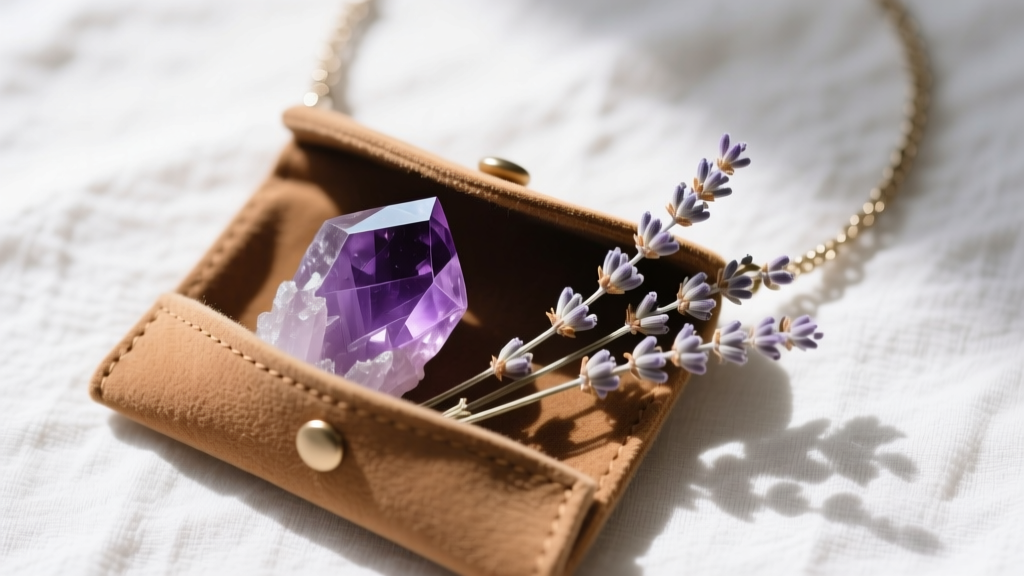
If you are placing raw crystals inside your pouch, you must consider the Gemological Institute of America (GIA) Mohs Hardness Scale. Hard stones like Amethyst (Mohs 7) or Clear Quartz (Mohs 7) are safe to toss directly into the leather. However, soft or water-soluble stones like Selenite (Mohs 2) or Malachite (Mohs 3.5) can easily scratch or degrade if they rub against the rough interior of the leather or absorb ambient moisture. Wrap soft stones in a small piece of silk or organic cotton before placing them inside.
2. Handling Memorial Ashes and Liquids
Never place loose ashes or liquid essential oils directly into a leather or suede pouch. The natural oils and alkaline nature of ashes will permanently stain and degrade the hide. Instead, purchase a 3ml to 5ml glass cork vial or a stainless steel cremation capsule. Fill the vial, seal the cork with a tiny drop of jeweler's epoxy, and place the sealed vial inside the pouch.
3. Using Dried Herbs
For witchy or apothecary aesthetics, dried herbs like lavender, mugwort, or rosemary are excellent choices. The critical rule here is moisture control. Herbs must be bone-dry (snap cleanly when bent). Any residual moisture will become trapped in the leather pouch, creating a microclimate that breeds black mold. Add a single grain of uncooked rice or a tiny silica gel packet to the bottom of the pouch to act as a desiccant.
Styling Your Pouch Necklace for Different Necklines
A pouch necklace can easily look cluttered if the scale and cord length do not match your outfit's neckline. Use this framework to balance proportions and ensure the pendant sits perfectly on your chest.
| Neckline Type | Ideal Pouch Size | Optimal Cord Length | Styling Notes |
|---|---|---|---|
| Crew Neck | 1.0" - 1.5" | 16" - 18" (Choker/Princess) | Sits just below the collar. Keep the pouch small to avoid a bulky, heavy look against the tight fabric. |
| V-Neck | 2.0" - 3.0" | 22" - 26" (Matinee) | Let the pouch rest an inch above the apex of the V. This elongates the torso and draws the eye downward. |
| Scoop Neck | 1.5" - 2.0" | 18" - 20" | Position the pouch to float in the center of the exposed skin, acting as a focal point without touching the garment edge. |
| Button-Down Shirt | 1.5" | 24" (Layered) | Wear the pouch tucked slightly inside the unbuttoned shirt, or layer it over a thin gold chain for mixed-texture contrast. |
How to Tie and Adjust the Sliding Macramé Knot
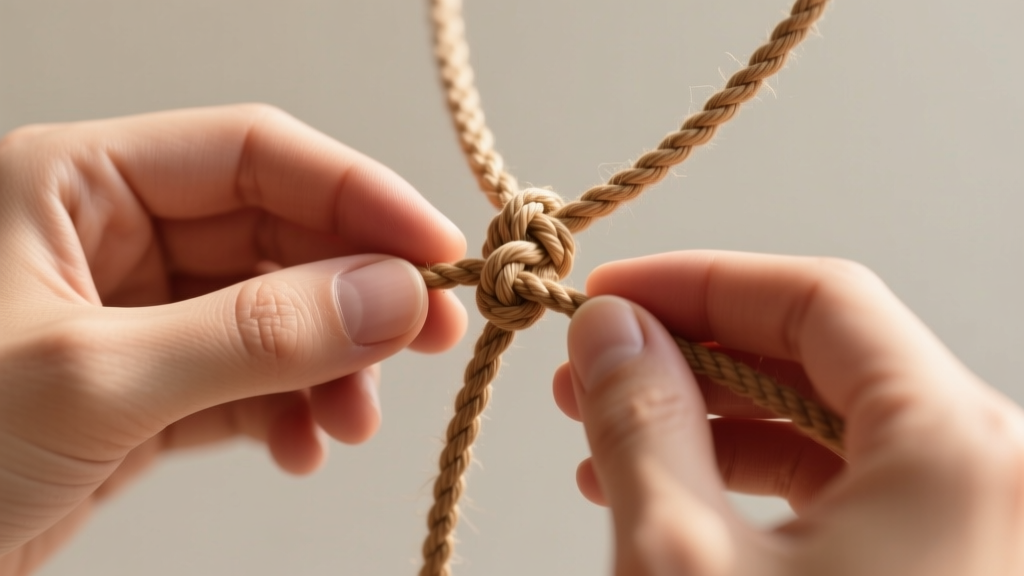
The sliding square knot (often called a macramé closure) allows you to adjust the necklace length without needing a metal clasp. Here is how to tie a secure, professional-grade knot.
- Overlap the Cords: Lay the two ends of your waxed cotton cord parallel to each other, overlapping by about 4 inches.
- The Anchor Cord: Take a separate, shorter piece of the same waxed cord (about 10 inches long) and place it horizontally across the overlapping cords, slightly off-center.
- First Half-Knot: Take the right end of the short cord, loop it over the main cords, and under the left end of the short cord. Pull tight.
- Second Half-Knot: Take the left end, loop it over the main cords, and under the right end. Pull tight. You have now completed one full square knot.
- Repeat and Secure: Repeat this process 4 to 6 times. To finish, trim the short ends close to the knot and use a lighter to briefly melt the waxed cotton tips, pressing them flat against the back of the knot so they cannot slip through.
For visual learners, The Spruce Crafts offers excellent visual diagrams on sliding knot tension, which is vital for ensuring the knot holds the weight of a heavy leather pouch without slipping throughout the day.
Leather and Suede Care: Preventing Cracks and Stains
Leather is an organic material that requires hydration, but using the wrong products will ruin your pouch necklace. According to experts at Saddleback Leather, the key to conditioning is using products that mimic the hide's natural oils without clogging its pores.
Conditioning Top-Grain and Full-Grain Leather
Every 3 to 6 months, apply a high-quality leather conditioner. Neatsfoot oil is excellent for darkening and softening thick leather, but it can oversoften thin pouch leather. For delicate jewelry-grade leather, a light application of Bickmore Bick 4 or Lexol Leather Conditioner is preferred, as these formulas hydrate without altering the leather's color or leaving a greasy residue that could transfer to your clothing.
Maintaining Suede Pouches
Never apply liquid oils or waxes to suede; it will permanently mat the nap and create dark, irreversible stains. Instead, invest in a brass-bristled suede brush. Once a month, gently brush the pouch in one direction to lift the fibers and remove dead skin cells or dust. If your suede pouch gets wet, let it air dry away from direct heat, then use a suede eraser to lift any water spots.
Troubleshooting Common Pouch Necklace Issues
The Sliding Knot is Stuck
Over time, skin oils, dust, and sweat can cause a waxed cotton sliding knot to seize up. Do not pull aggressively, as this can snap the cord. Instead, apply a microscopic drop of jojoba oil or beeswax to the main cords just outside the knot. Work the knot back and forth gently until the friction is reduced.
The Leather Pouch is Stretching
If you overfill your pouch with heavy crystals like galena or large quartz points, the weight will stretch the leather neck-hole and distort the pouch's shape. To fix this, remove the heaviest items and replace them with lightweight alternatives like dried herbs or pumice. If the neck-hole is already stretched, you can carefully shrink it by lightly dampening the rim with water and letting it dry naturally, though prevention is always the best strategy.
Hardware Tarnishing
If your pouch features a brass or copper clasp or D-ring, it will inevitably oxidize and turn green when exposed to the salt in your sweat. To restore the shine, create a paste of equal parts lemon juice and baking soda. Apply it to the hardware with a cotton swab (avoiding the leather entirely), let it sit for two minutes, and wipe clean with a damp cloth. Seal the hardware with a thin coat of clear nail polish or Renaissance Wax to prevent future tarnishing.


