How to Style and Layer a Bar Chain Necklace Flawlessly
Master the art of layering with our step-by-step guide to styling a bar chain necklace. Learn gauge matching, neckline pairing, and tangling prevention.

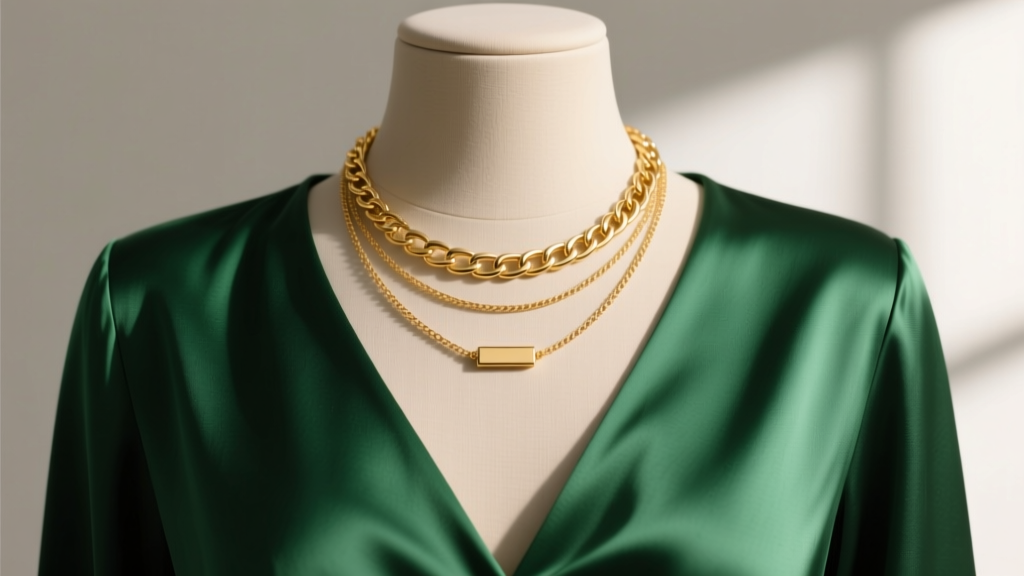
The Anatomy of a Bar Chain Necklace: What You Need to Know
The bar chain necklace—often referred to as a satellite, paperclip-bar, or cylinder chain—is a masterclass in structural jewelry design. Unlike continuous cable or rope chains, a bar chain alternates between elongated cylindrical (or rectangular) tube links and smaller circular connector rings. This architectural contrast catches light dynamically, offering an industrial yet minimalist aesthetic that dominates contemporary jewelry trends.
Before attempting to layer or style this specific chain type, you must understand its physical dimensions, as they dictate how it drapes, tangles, and interacts with other pieces.
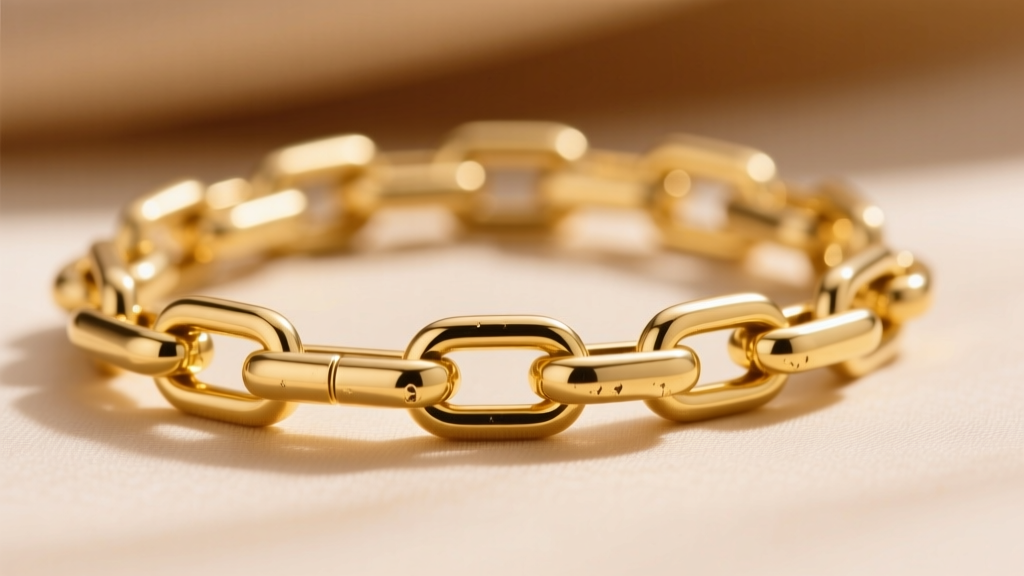
Gauge and Link Proportions
- Bar Length: Standard bars range from 5mm (delicate) to 15mm (chunky/statement). A 7mm to 10mm bar is the versatile sweet spot for everyday layering.
- Wire Gauge: The thickness of the metal wire. An 18-gauge (1.0mm) wire yields a lightweight, fluid drape, while a 14-gauge (1.6mm) wire provides a rigid, heavy presence that lays flat against the collarbone.
- Connector Rings: The small O-rings linking the bars. If these rings are too large relative to the bar width, the necklace will twist constantly. Look for connector rings that are no wider than 30% of the bar's diameter.
Step-by-Step Guide to Layering Your Bar Chain
Layering a bar chain requires strategic planning. Because the elongated links protrude slightly, they are prone to catching on softer, porous fabrics and intertwining with delicate secondary chains. Follow this three-step framework to achieve a tangle-free, balanced stack.
Step 1: Establish the Base Layer (14 to 15 Inches)
Start with a delicate, high-flexibility chain that sits flush against the skin. A 1.0mm to 1.2mm standard cable or snake chain in 14k gold or sterling silver works best. Keep the clasp small (a 4mm spring ring) so it remains hidden at the nape of your neck. This layer acts as a visual anchor and prevents the heavier bar chain from sliding too close to your throat.
Step 2: Position the Bar Chain (17 to 18 Inches)
Your bar chain should sit exactly two to three inches below the base layer. Opt for a bar chain with a 1.5mm gauge and 8mm cylindrical links. Expert Tangle-Prevention Tip: Ensure your bar chain features a heavy, oversized lobster claw clasp. The weight of the clasp will naturally pull it to the back of your neck via gravity, preventing it from migrating to the front and tangling with the base layer's clasp.
Step 3: Add the Statement Anchor (22 to 24 Inches)
To complete the triad, add a longer, heavier piece. A thick 3.0mm curb chain or a bar chain featuring a substantial geometric pendant (like a raw diamond or onyx drop) draws the eye downward, elongating the torso. Ensure the links on this third layer are physically larger than the gaps in your middle bar chain; if the lower chain's links can slip through the middle chain's gaps, they will permanently knot.
Matching Bar Chains to Necklines: A Visual Framework
The geometric nature of bar chains interacts differently with various garment cuts. Use this matrix to select the correct length and bar thickness for your outfit.
| Neckline Type | Ideal Chain Length | Recommended Bar Size | Styling Rationale |
|---|---|---|---|
| Deep V-Neck | 18" - 20" | 10mm - 12mm (Medium) | Follows the diagonal lines of the V-neck, drawing the eye toward the center without competing with the fabric's plunge. |
| Crew Neck | 15" (Choker) or 24" | 5mm (Delicate) or 15mm (Chunky) | Avoid the 18" length, which will hide under the collar. A tight choker sits above the hem, while a long layer rests on the shirt. |
| Square Neck | 16" - 17" | 7mm - 8mm (Petite) | The horizontal bars of the chain perfectly mirror the horizontal cut of the square neckline, creating structural harmony. |
| Off-the-Shoulder | 14" - 15" | 12mm+ (Statement) | With bare collarbones exposed, a shorter, thicker bar chain acts as a bold collar, framing the face and exposed skin. |
Metallurgy and Purchasing Pitfalls: What to Avoid
Because bar chains feature numerous crevices where the connector rings meet the cylindrical tubes, they trap sweat, lotions, and environmental moisture. This makes the choice of metal critical for longevity.
The Problem with Flash-Plated Brass
Many fast-fashion retailers sell "gold bar chains" made from brass bases with a micro-thin layer of flash plating (often less than 0.1 microns). When moisture gets trapped in the link joints, the brass oxidizes rapidly, turning your skin green and causing the chain to become brittle and snap at the connector rings.
Understanding Gold Vermeil vs. Solid Gold
If you are not purchasing solid 14k or 18k gold, you must look for Gold Vermeil. According to industry standards monitored by authorities like the Gemological Institute of America (GIA) and FTC guidelines, true vermeil requires a base of 925 sterling silver coated with a minimum of 2.5 microns of gold. This thickness is crucial for bar chains, as the friction between the moving bar links and connector rings will wear away thinner plating within weeks of daily use.
Buyer's Rule of Thumb: If a brand does not explicitly state the base metal and the micron thickness of the plating, assume it is flash-plated brass and avoid it for daily-wear bar chains.
For a hypoallergenic, tarnish-resistant alternative that mimics the look of white gold or platinum, look for 316L surgical stainless steel bar chains. They offer excellent tensile strength, meaning the small connector rings will not pull open under the weight of the metal bars.
Cleaning and Maintenance Routine for Bar Links
Maintaining a bar chain requires a different approach than cleaning a standard cable chain. The hollow nature of many cylindrical links and the tight junctions at the connector rings demand specific care protocols.
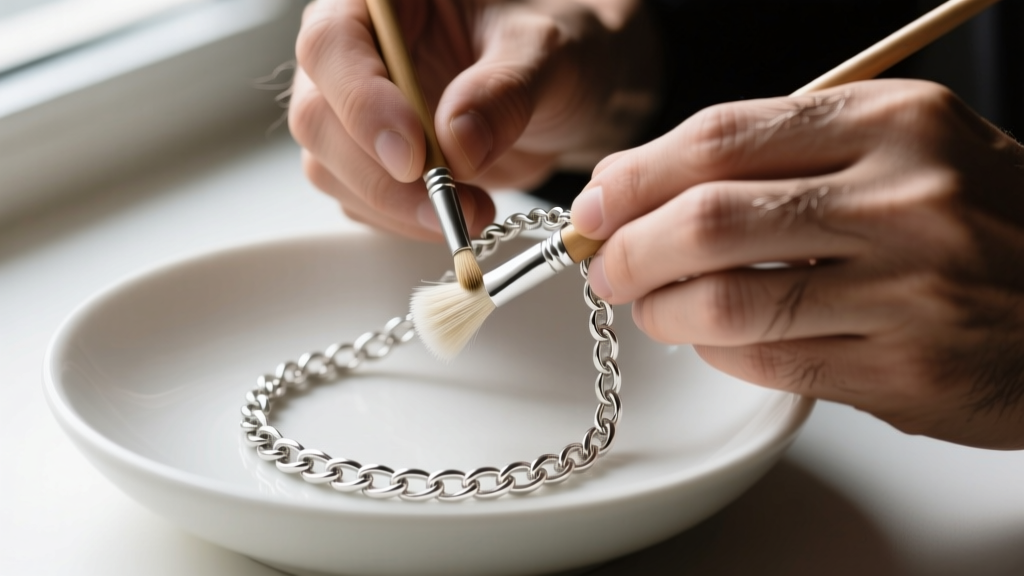
Why You Must Avoid Ultrasonic Cleaners
Never place a bar chain necklace in an ultrasonic jewelry cleaner. The high-frequency sound waves create microscopic cavitation bubbles that can shake loose the delicate laser welds on the connector rings. Furthermore, if your bar chain features hollow cylindrical links (a common technique to reduce gold weight and cost), the ultrasonic vibrations can force water inside the hollow tubes. This trapped moisture leads to internal corrosion and a permanent "rattling" sound when you wear the piece.
The Safe Step-by-Step Cleaning Method
- Prepare the Solution: Mix a few drops of mild, phosphate-free dish soap (like Dawn) into a bowl of lukewarm water. Avoid hot water, which can shock certain gemstones if your bar chain features integrated diamond or sapphire stations.
- Soak Briefly: Submerge the bar chain for no more than 3 to 5 minutes to loosen surface oils and cosmetics.
- Agitate the Crevices: Using a baby toothbrush (which has ultra-soft bristles that won't scratch high-polish gold or silver), gently brush the junction points where the circular rings enter the cylindrical bars. This is where dead skin cells and lotion accumulate.
- Rinse and Dry: Rinse thoroughly under a gentle stream of lukewarm water. Pat dry with a microfiber cloth, then lay the chain flat on a paper towel in a well-ventilated area to ensure all moisture evaporates from the internal link gaps before storing.
For sterling silver bar chains, tarnish is inevitable due to the copper alloy in 925 silver reacting with sulfur in the air. Regular polishing with a treated silver cloth, as recommended by The Silver Institute, will keep the high-polish finish of the cylindrical bars reflective and bright. Always store your bar chain fully extended and unclasped; coiling it tightly forces the rigid bar links to bend at unnatural angles, weakening the structural integrity of the connector rings over time.


