How to Style and Layer a Square Chain Necklace Perfectly
Master the art of wearing a square chain necklace. Learn step-by-step layering techniques, width-to-pendant matching, and expert maintenance tips.

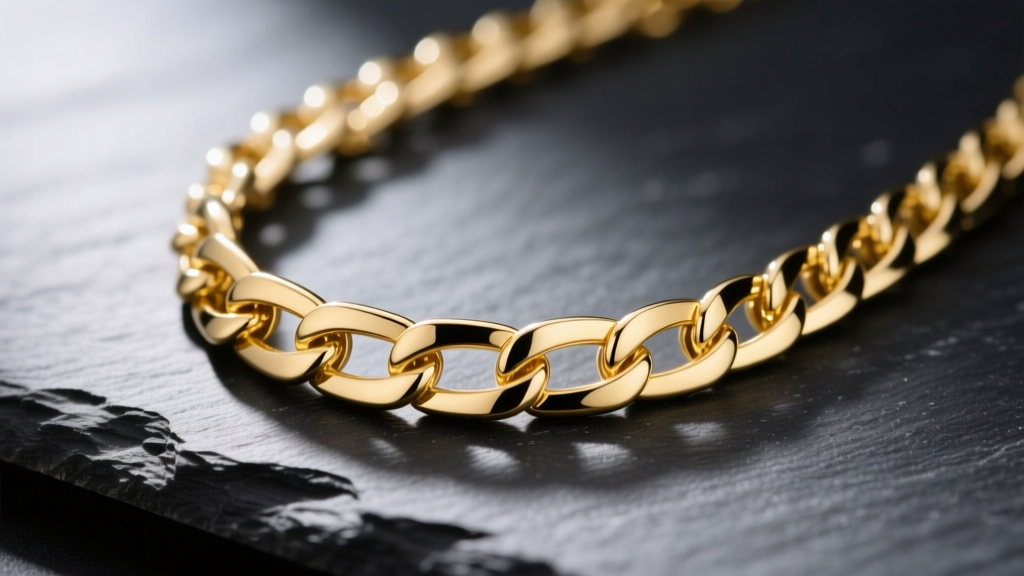
Understanding the Square Chain Necklace Architecture
Before diving into styling, it is crucial to understand the structural nuances of the square chain necklace. In the jewelry industry, this term generally encompasses two distinct designs: the box chain (composed of flat, square links connected to form a smooth, continuous square tube) and the square link chain (featuring 3D, cube-like links interlocked at 90-degree angles). Both offer a striking geometric aesthetic that contrasts beautifully with soft necklines and organic pendant shapes, but they behave very differently when worn and layered.
The structural rigidity of square chains provides excellent durability, but it also introduces unique challenges. The sharp 90-degree angles of the links can occasionally catch on fine hair or delicate fabrics. To mitigate this, high-end manufacturers use a process called tumbling, which slightly rounds the outer edges of the links without sacrificing the geometric silhouette. When shopping, always run the chain through your fingers; a well-tumbled square chain should feel smooth and fluid, never snagging on your skin.
Step-by-Step Guide to Layering Square Chains
Layering geometric chains requires a strategic approach. Because square chains have flat planes and rigid edges, layering two identical square chains will result in severe tangling and friction wear, as the links will grind against each other like gears. To avoid this, we use the Texture & Gauge Variance Rule.

Step 1: Establish the Base (14 to 16 Inches)
Your foundational layer should sit snugly at the collarbone. For a square chain necklace, keep this base layer delicate—ideally between 1.0mm and 1.5mm in width. A thin 925 sterling silver box chain provides a subtle geometric glint without overwhelming the neckline. Pair this with a contrasting texture for your next layer, such as a smooth herringbone or a rounded cable chain, to prevent the square links from interlocking with the adjacent necklace.
Step 2: Add the Focal Square Chain (18 to 20 Inches)
The middle layer is where your primary square chain necklace should sit. This is the optimal length for showcasing the chain's architecture or holding a medium-sized pendant. Aim for a width of 2.5mm to 3.5mm. At this gauge, the square links are substantial enough to catch the light and make a statement, but light enough to remain comfortable for all-day wear. If you are adding a pendant, ensure the bail (the loop that holds the pendant) is at least 1.5mm larger than the chain's width to allow the square links to articulate freely without stressing the jump ring.
Step 3: Anchor with a Matinee Length (22 to 24 Inches)
To complete the layering triad, drop down to a 22 or 24-inch chain. This layer should contrast heavily with your focal square chain. If your focal piece is a yellow gold square link chain, anchor it with a dark oxidized silver or matte black stainless steel rope chain. The visual weight of the longer chain draws the eye downward, elongating the neck and framing the geometric precision of the square chain above it.
Matching Widths to Necklines and Pendants
Choosing the correct millimeter width for your square chain necklace is critical for both aesthetics and structural integrity. A chain that is too thick for a delicate pendant bail will cause premature wear, while a chain that is too thin for a heavy neckline will look disproportionate. Use the framework below to select your ideal specifications.
| Chain Width (mm) | Ideal Pendant Bail Size | Best Neckline Pairing | Avg. Weight (18" in 925 Silver) | Recommended Clasp Type |
|---|---|---|---|---|
| 1.0 - 1.5mm | 3.0mm - 4.0mm | Boatneck, Halter, High Crew | 4 - 7 grams | Spring Ring |
| 2.0 - 3.0mm | 5.0mm - 7.0mm | V-Neck, Scoop, Sweetheart | 12 - 18 grams | Lobster Claw |
| 3.5 - 5.0mm | 8.0mm+ (or worn solo) | Off-Shoulder, Deep Plunge, Open Collar | 25 - 40 grams | Box Clasp w/ Safety Catch |
According to metalworking guidelines from the Gemological Institute of America (GIA), the alloy composition also affects how a square chain drapes. A 14k gold square chain will hold its rigid, geometric shape better than a 22k gold or pure silver chain, which are softer and more prone to stretching under the weight of heavy pendants.
Maintenance, Kinks, and Clasp Troubleshooting
Because of their interlocking cubic or flat-square design, square chain necklaces require specific maintenance protocols. The most common issue owners face is kinking. Unlike rope or cable chains, which can bend in almost any direction, square chains have restricted rotational axes. If folded sharply, the links can lock against one another, creating a stiff, twisted knot.
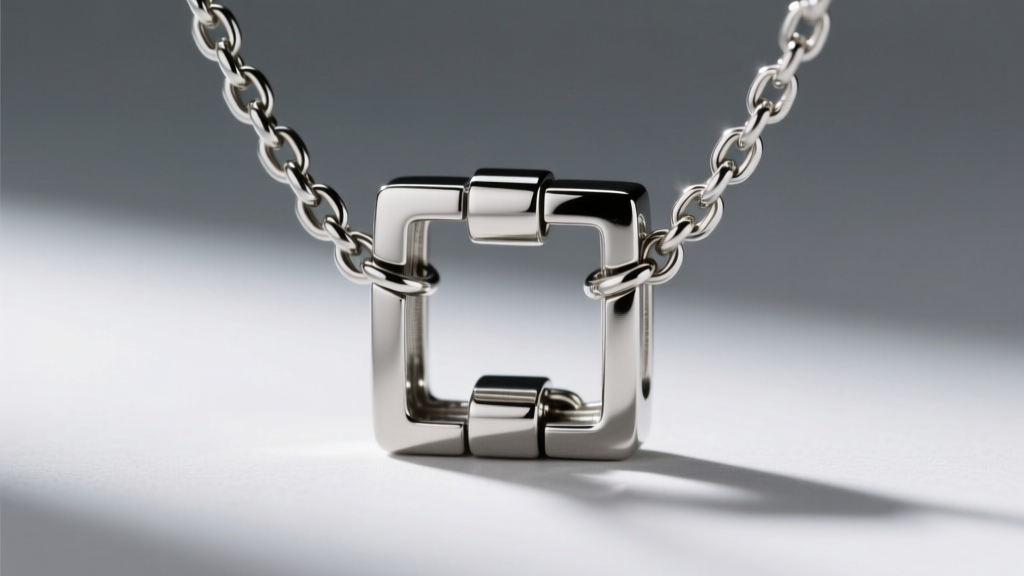
How to Safely Remove a Kink
Never pull or yank a kinked square chain, as this will permanently deform the links and weaken the solder joints. Instead, lay the necklace flat on a hard, clean surface. Apply a micro-drop of mineral oil or jewelry lubricant directly to the kink. Using a soft-bristled toothbrush or your thumbs, gently massage the links back into their natural linear alignment. If a link has been physically bent out of its cubic shape, do not attempt to fix it with standard metal pliers; you must use nylon-jawed jewelry pliers to reshape the link without marring the polished facets.
Cleaning and Clasp Upgrades
For routine cleaning, the Jewelers of America recommends a simple solution of warm water and a few drops of mild, phosphate-free dish soap. Use a soft baby toothbrush to gently sweep out the microscopic crevices between the square links where skin oils and cosmetics accumulate. Warning: Never place an oxidized or blackened silver square chain in an ultrasonic cleaner. The high-frequency vibrations will strip the intentional patina from the recessed areas of the links, ruining the contrast that gives the chain its depth.
Finally, evaluate your clasp. Standard spring-ring clasps are notorious for failing on square chains wider than 3.0mm. The geometric weight distribution of a square chain puts lateral stress on the tiny internal spring of the clasp, eventually causing it to snap open. If your square chain exceeds 15 grams, take it to a jeweler to have the spring ring soldered off and replaced with a heavy-duty lobster claw or, ideally, a box clasp equipped with a figure-eight safety catch. This minor upgrade ensures your geometric masterpiece remains secure for decades.


